Artwork
Cocher, arrêtez donc
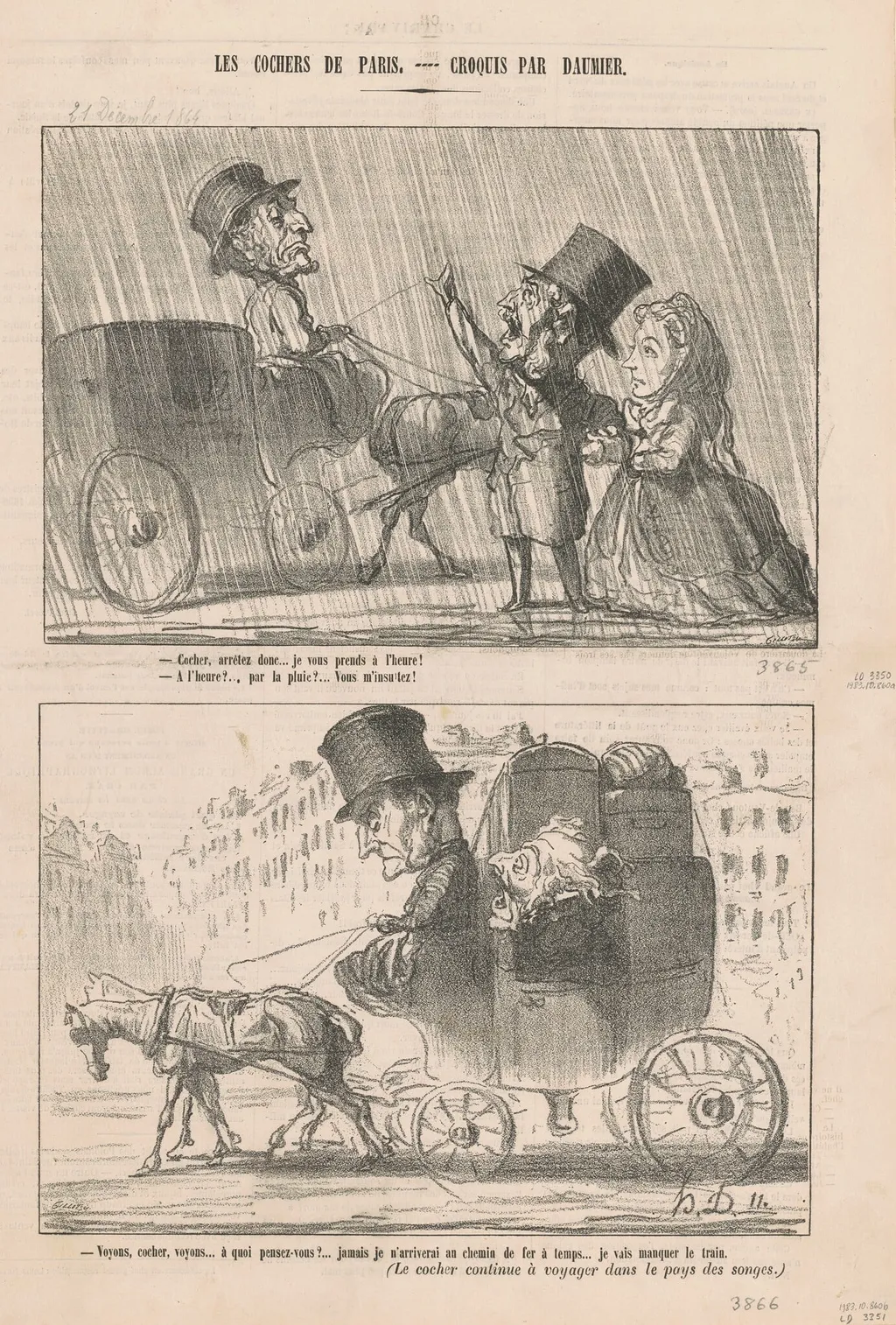
Cocher, arrêtez donc is an ink print by the Impressionist artist Honoré Daumier. It dates from 1864 and is held in the collection of the National Gallery of Art.
About this work
Overview
The dual scenes create a quiet narrative of labor and neglect, rendered with the immediacy characteristic of print media of the era.
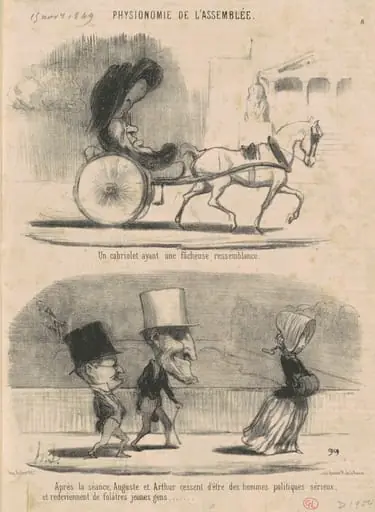
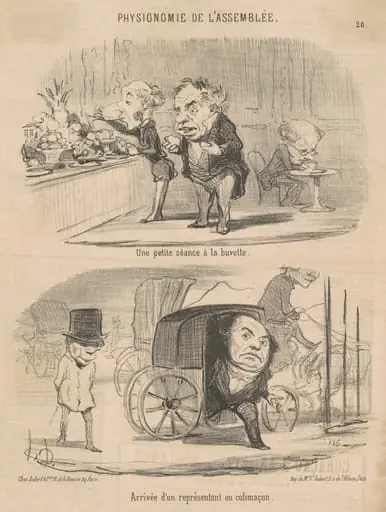
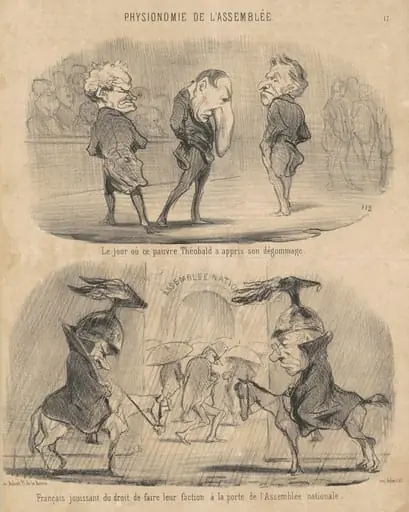
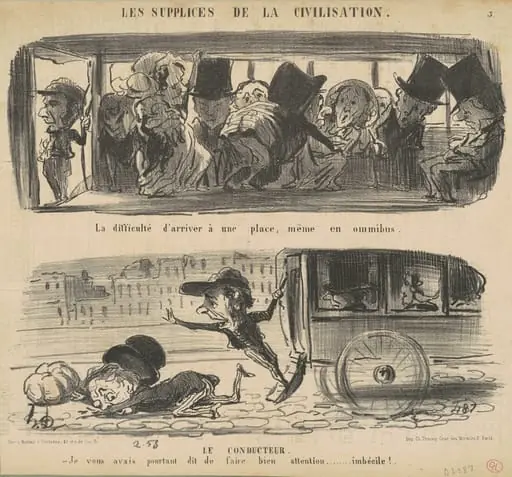
This lithograph by Honoré Daumier captures two moments of urban life in 19th-century Paris, both centered on horse-drawn carriages. The upper panel shows a driver engaged with a passenger sheltered by an umbrella during rain, while the lower panel depicts the same driver slumped in sleep as the horse moves autonomously through the street. The dual scenes create a quiet narrative of labor and neglect, rendered with the immediacy characteristic of print media of the era.
Subject & Meaning
The work contrasts human fatigue with the relentless rhythm of city life. The awake driver’s strained interaction suggests the pressures of service, while the sleeping one reveals the precariousness of a profession dependent on animals and routine. Daumier frames these moments without moralizing, instead highlighting the unnoticed exhaustion of working-class individuals navigating the demands of urban mobility.
Technique & Style
Executed in lithography, the print employs fluid, expressive lines and tonal contrasts to suggest movement and mood. Daumier elongates figures and distorts facial features to amplify emotional states, a hallmark of his satirical approach. The ink work is economical yet precise, using washes and hatching to convey texture—rain, fabric, and cobblestones—without overt detail, relying on suggestion over realism.
History & Provenance
Created around 1863–1865, this lithograph was likely produced for publication in a periodical, part of Daumier’s broader body of social commentary. It circulated among Parisian readers familiar with the daily rhythms of carriage transport. Its survival in institutional collections reflects its recognition as a representative example of his graphic work, though its exact early ownership remains undocumented.
Context
In mid-19th century Paris, horse-drawn carriages were central to transportation, operated by a large, often underpaid workforce. Daumier, observing the city’s underbelly, frequently depicted drivers, laborers, and commuters. This image aligns with his interest in the quiet tragedies of ordinary life, emerging amid broader social changes brought by industrialization and urban expansion.
Legacy
Daumier’s lithographs, including this one, influenced later generations of illustrators and social realists by demonstrating how print media could convey psychological depth and social critique with minimal means. Though not widely exhibited in his lifetime as fine art, these works are now studied for their insight into urban labor and the expressive potential of lithography as a democratic art form.
Artist & collection
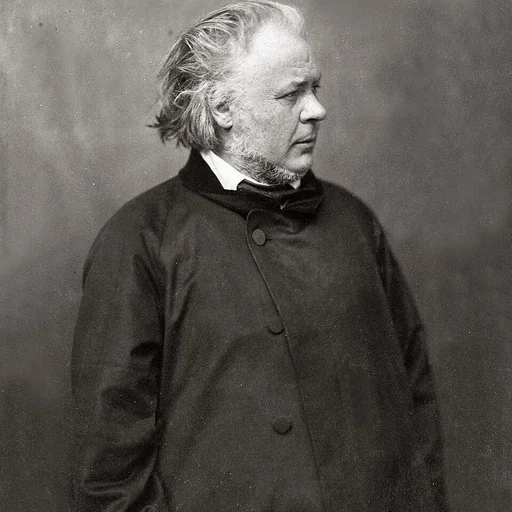
Artist
Honoré-Victorin Daumier was a French painter, sculptor, and printmaker, whose many works offer commentary on the social and political life in France, from the Revolution of 1830 to the fall of the Second French Empire in 1870.