Artwork
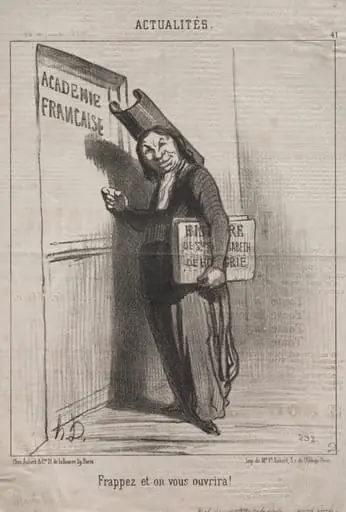
Frappez et on vous ouvrira!
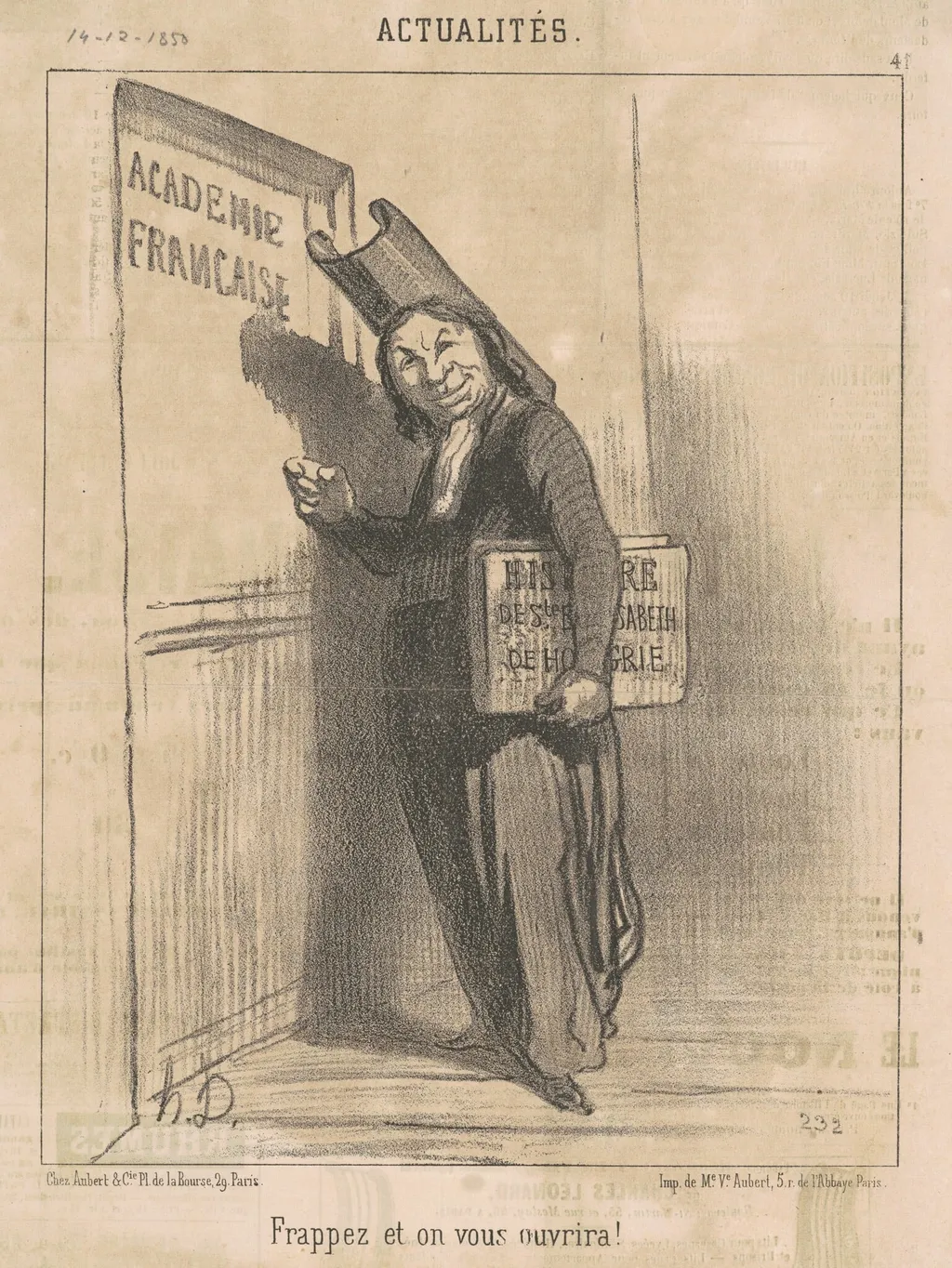
Frappez et on vous ouvrira! is an ink print by the Impressionist artist Honoré Daumier. It dates from 1850 and is held in the collection of the National Gallery of Art.
About this work
Overview
The title, drawn from a biblical phrase, is used ironically to mock the notion that access to elite institutions can be gained through simple effort.
This lithograph by Honoré Daumier captures a solitary figure in a tall hat, knocking on a heavy door while clutching a book. The scene is rendered with brisk, expressive lines typical of Daumier’s graphic style. The title, drawn from a biblical phrase, is used ironically to mock the notion that access to elite institutions can be gained through simple effort. The tone is light but pointed, reflecting Daumier’s enduring interest in social pretension.
Subject & Meaning
The figure represents an aspirant seeking entry into the Académie Française, a symbol of cultural authority. His playful demeanor and the book he carries suggest earnestness, yet the closed door implies futility. The phrase 'Frappez et on vous ouvrira!'—meant to promise reward for persistence—becomes a sardonic commentary on institutional gatekeeping. Daumier exposes the gap between idealized meritocracy and the reality of exclusion.
Technique & Style
Executed in lithography, the print relies on the tonal contrasts and fluid line work possible with stone-based printing. Daumier’s brushwork is loose and energetic, emphasizing gesture over detail. The figure’s exaggerated posture and the door’s stark solidity create visual tension. The medium allowed for rapid production and wide distribution, aligning with Daumier’s intent to reach a broad public audience with his social observations.
History & Provenance
Created in the mid-19th century, this work emerged during Daumier’s prolific period of political and cultural satire. It was likely published in a periodical or as a standalone print, circulating among Parisian intellectuals and the middle class. While its exact first publication date is uncertain, it belongs to a series of works critiquing France’s academic and bureaucratic elites during the July Monarchy and Second Empire.
Context
In 19th-century France, the Académie Française held immense prestige, controlling literary standards and state patronage. Access was tightly controlled, often favoring connections over talent. Daumier, a frequent critic of institutional hypocrisy, used humor to challenge such hierarchies. This print resonated with a public increasingly skeptical of elite privilege, especially as literacy and print culture expanded.
Legacy
Daumier’s lithograph contributed to a tradition of visual satire that influenced later cartoonists and social commentators. Its enduring relevance lies in its concise critique of institutional barriers—still recognizable in modern contexts of credentialism and gatekeeping. Though modest in scale, the work remains a sharp example of how graphic art can distill complex social tensions into a single, memorable image.
Artist & collection
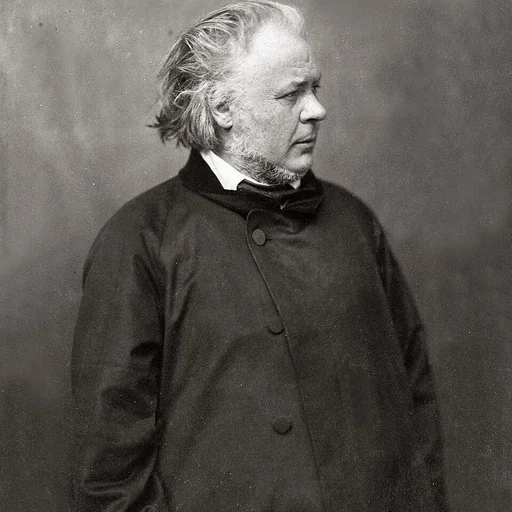
Artist
Honoré-Victorin Daumier was a French painter, sculptor, and printmaker, whose many works offer commentary on the social and political life in France, from the Revolution of 1830 to the fall of the Second French Empire in 1870.