Artwork
La Tristesse de Rouher
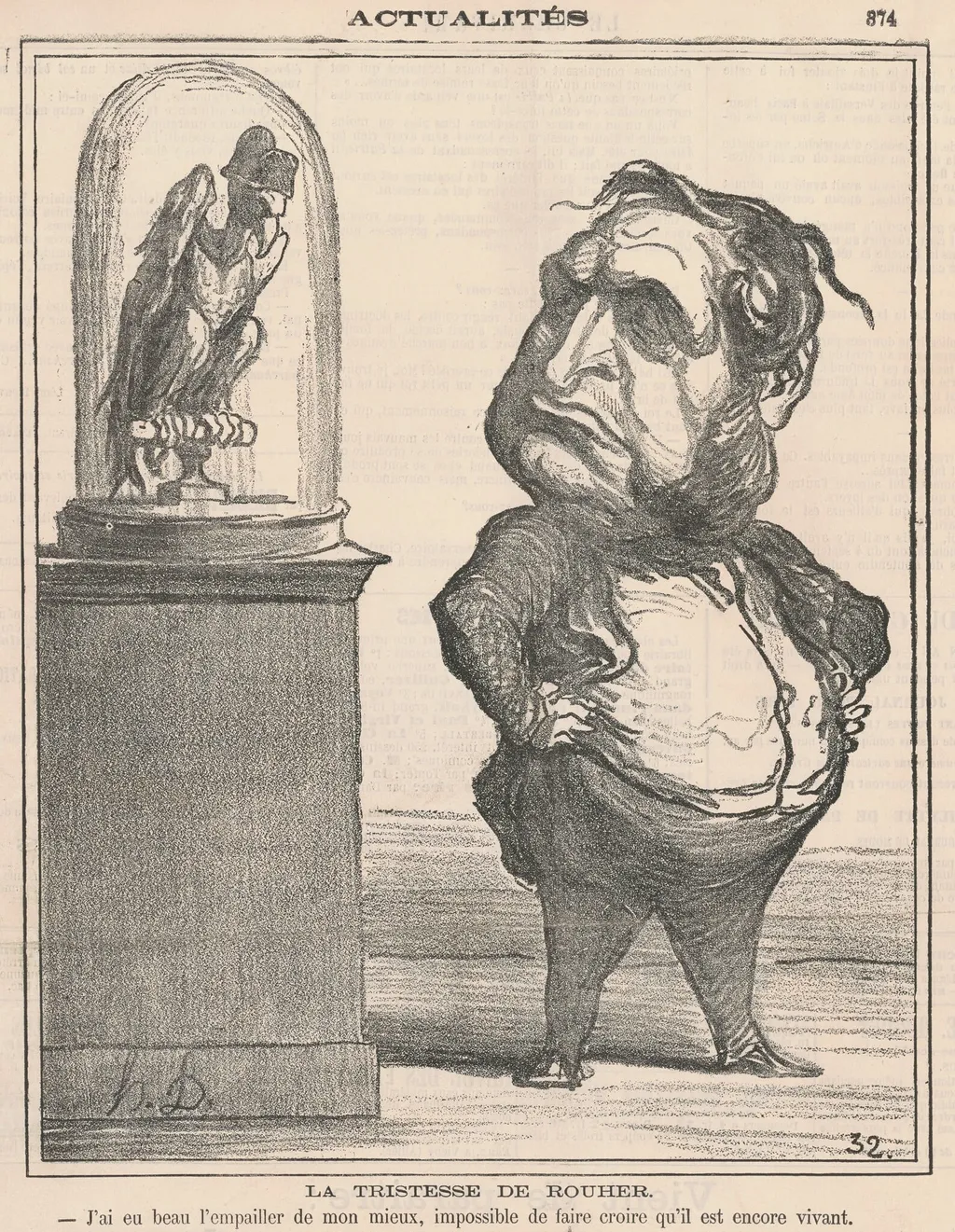
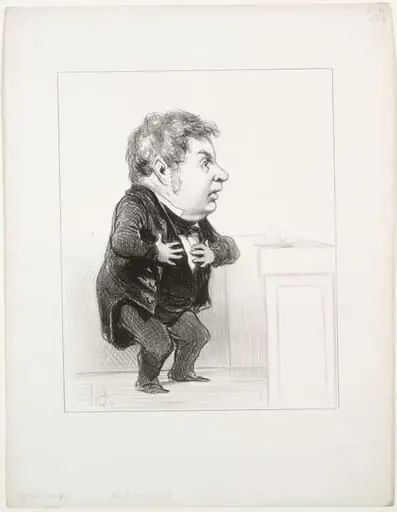
La Tristesse de Rouher is an ink print by the Impressionist artist Honoré Daumier. It dates from 1871 and is held in the collection of the National Gallery of Art.
About this work
Overview
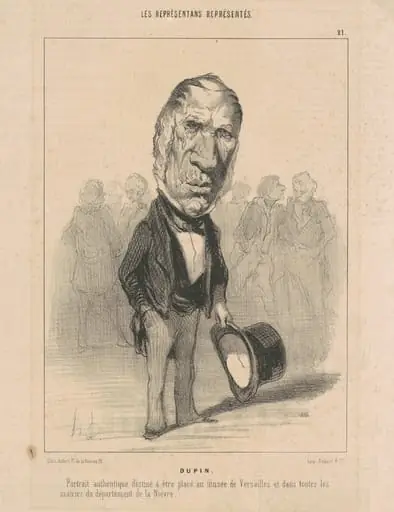
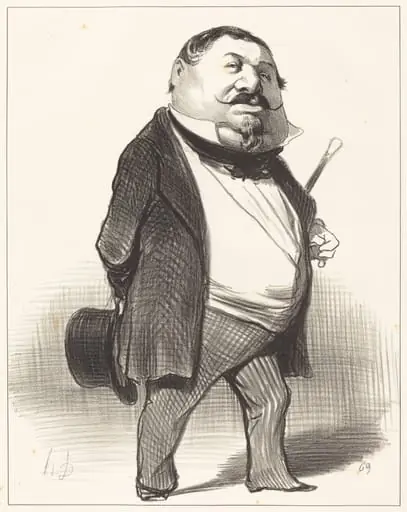
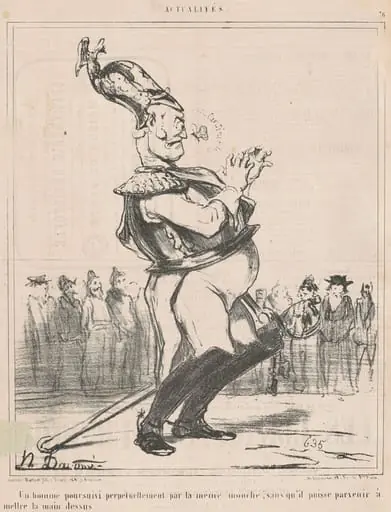
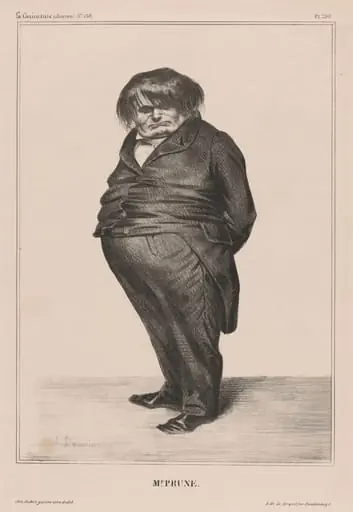
Honoré Daumier’s 1871 lithograph titled *La Tristesse de Rouher* presents a single, sharply drawn figure whose exaggerated facial proportions and hands placed on the hips dominate the composition. Rendered in a single monochrome tone, the image balances a stark, lightly textured backdrop with the central caricature, inviting viewers to focus on the subject’s expressive pose and the subtle emotional undercurrent.
Subject & Meaning
The work portrays a man whose oversized features and rigid stance convey a blend of bravado and melancholy. By amplifying the facial traits, Daumier satirizes the self‑importance often associated with public personalities, while the posture hints at an underlying sadness, suggesting that even those who appear confident may harbor vulnerability.
Technique & Style
Executed as a lithograph, the piece relies on the medium’s capacity for fine line work and tonal variation. Daumier employs a grainy, lightly textured background that recedes, allowing the bold, black‑inked figure to command attention. The stark contrast and exaggerated contours are characteristic of his satirical printmaking, merging precise draftsmanship with expressive caricature.
History & Provenance
Created in the aftermath of the Franco‑Prussian War, the lithograph reflects Daumier’s continued engagement with political and social commentary through print media. While specific ownership records are limited, the work has been catalogued among his late‑period prints and appears in several public collections dedicated to 19th‑century French graphic art.
Context
During the 1870s Daumier was prolific in producing caricatures for newspapers and pamphlets, targeting figures of authority and contemporary events. *La Tristesse de Rouher* fits within this broader practice, using humor to critique the pretensions of the elite, a strategy that resonated with a readership accustomed to visual satire as a form of political discourse.
Legacy
The lithograph exemplifies Daumier’s influence on later satirical illustrators, demonstrating how exaggerated portraiture can convey both ridicule and empathy. Its compositional clarity and emotional nuance continue to be studied as a model of how printmaking can merge social critique with artistic expression.
Artist & collection
Artist
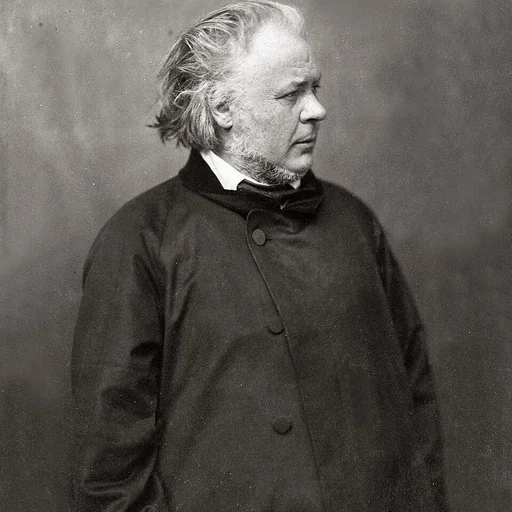
Honoré-Victorin Daumier was a French painter, sculptor, and printmaker, whose many works offer commentary on the social and political life in France, from the Revolution of 1830 to the fall of the Second French Empire in 1870.