Artwork
Le Bas-bleu déclamant sa pièce
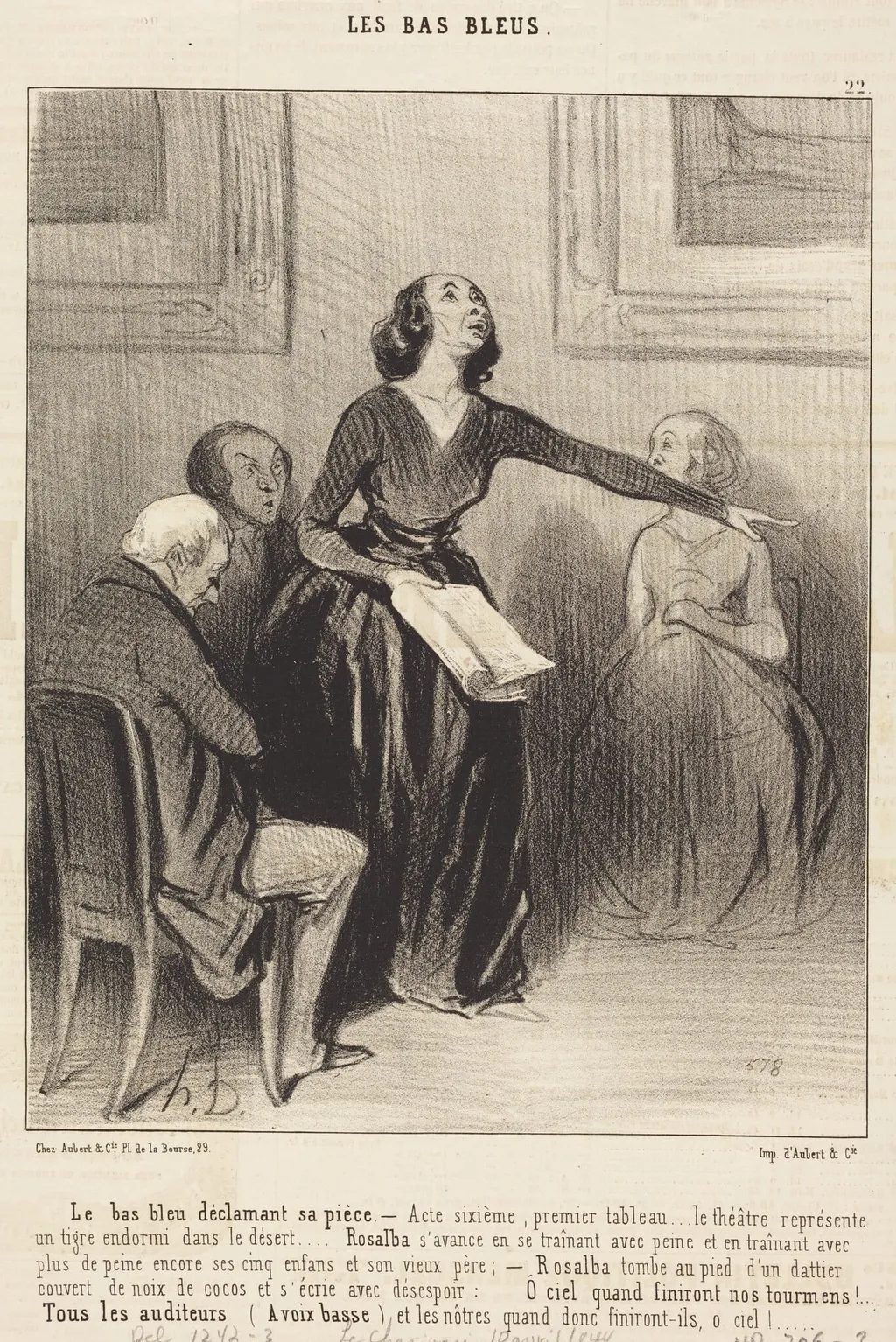
Le Bas-bleu déclamant sa pièce is an ink print by the Romanticist artist Honoré Daumier. It dates from 1844 and is held in the collection of the National Gallery of Art.
About this work
Overview
Created in 1844, this lithograph on newsprint by Honoré Daumier captures a domestic interior where a woman, poised with an outstretched arm and a paper in hand, appears to be delivering a recitation. Two other figures—a seated man and a seated woman—watch her attentively, their expressions underscoring the moment’s theatrical tension.
Subject & Meaning
The central figure’s dramatic gesture suggests a public reading, perhaps of poetry or a theatrical piece, while the surrounding onlookers embody the audience’s engagement. Daumier’s choice of a modest interior and everyday characters aligns with his broader satirical interest in the social rituals of mid‑19th‑century French life.
Technique & Style
Executed as a lithograph on inexpensive newsprint, the work demonstrates Daumier’s facility with the medium’s quick, reproducible qualities. The stark contrasts of line and wash convey both the immediacy of the scene and the artist’s characteristic economy of detail, allowing the narrative to emerge without elaborate background rendering.
History & Provenance
The print formed part of Daumier’s contributions to the satirical journals *La Caricature* and *Le Charivari*, publications that disseminated his republican‑leaning commentary to a broad readership. Its production on newsprint reflects the artist’s intent to reach a mass audience rather than elite patrons.
Context
During the 1840s, France experienced intense political debate between monarchist and republican forces. Daumier’s works frequently critiqued the established order, and this lithograph, with its focus on a public performance, subtly mirrors the era’s contested public discourse and the role of the press in shaping opinion.
Artist & collection

Artist
Honoré-Victorin Daumier was a French painter, sculptor, and printmaker, whose many works offer commentary on the social and political life in France, from the Revolution of 1830 to the fall of the Second French Empire in 1870.









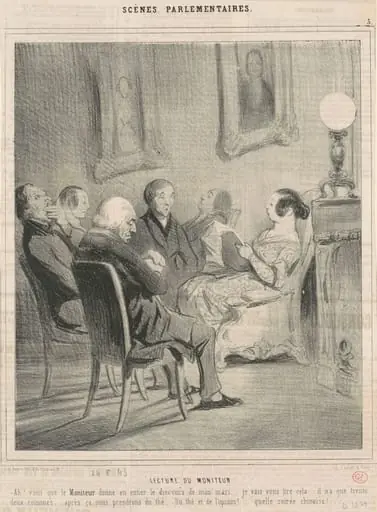 Lecteur du moniteur
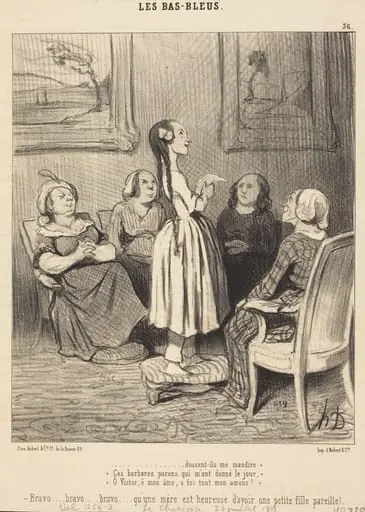 ...dussent-ils me maudire. Ces barbares parens...
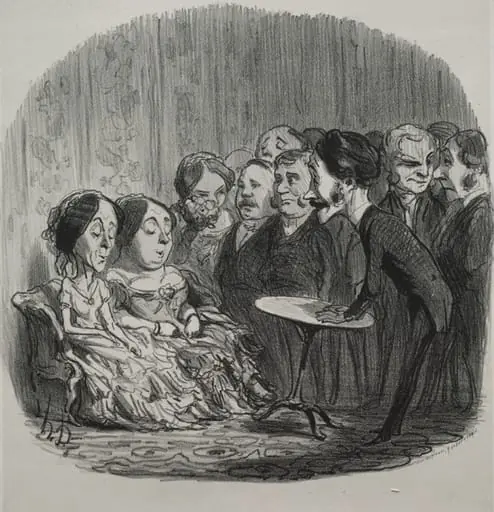 Rapping Spirits
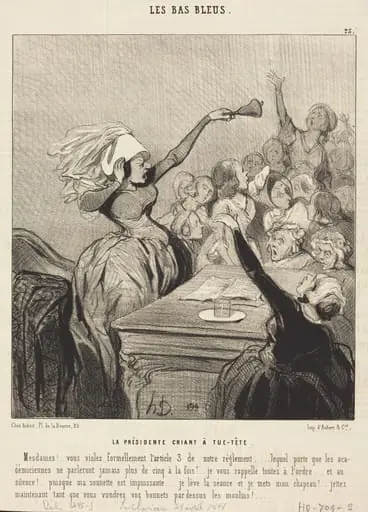 La Présidente criant a tue-tête: Mesdames!...
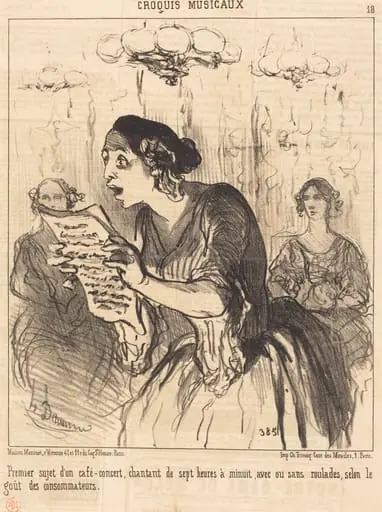 Premier sujet d'un café-concert chantant...
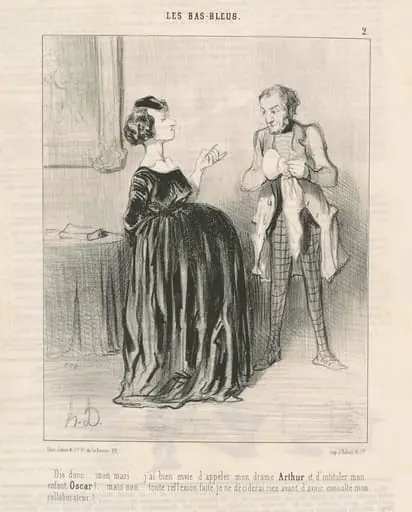 Dis donc ... mon mari ...j'ai bien envie d'appeler mon drama ...
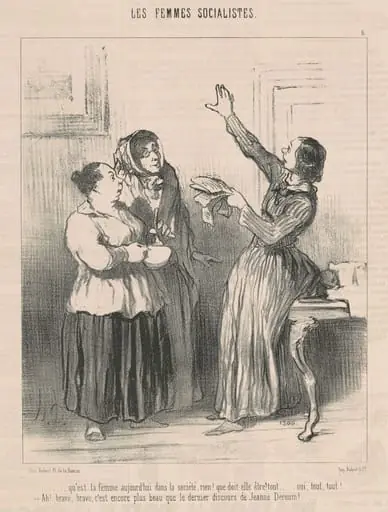 Qu'est la femme aujourd'hui dans la société ...
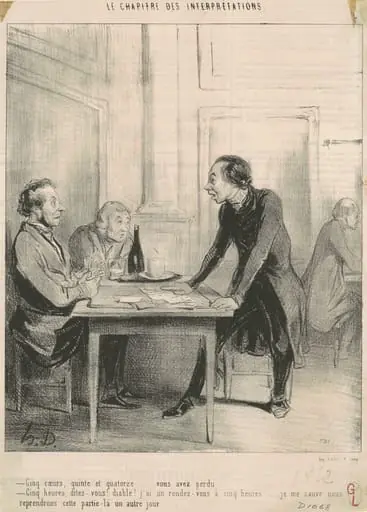 Cinq coeurs, quinte et quatorze ...
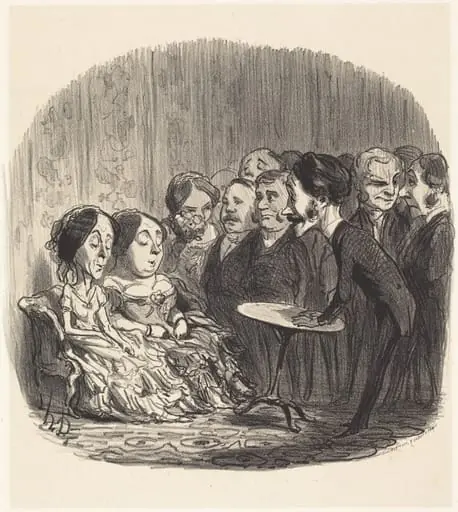 L'Esprit frappeur
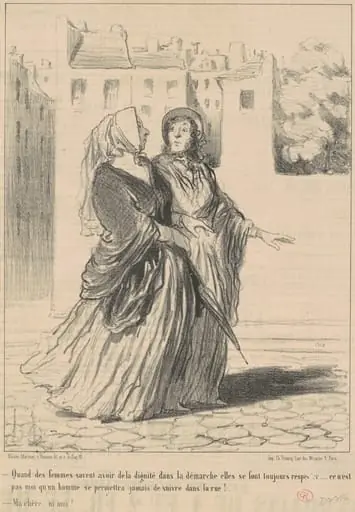 Quand des femmes savent avoir ...
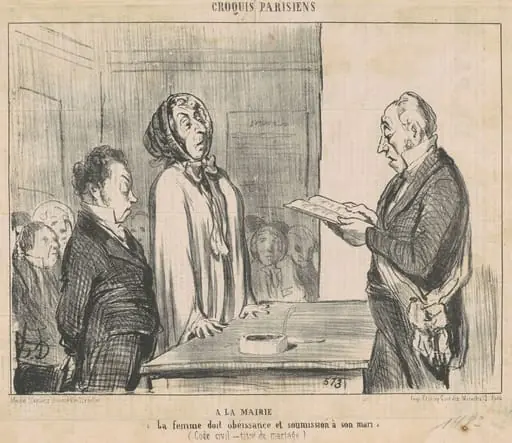 A la mairie ...
 Madame, j'ai bien l'honneur!