Artwork
Le deux grands ducs racontant ...Inkermann
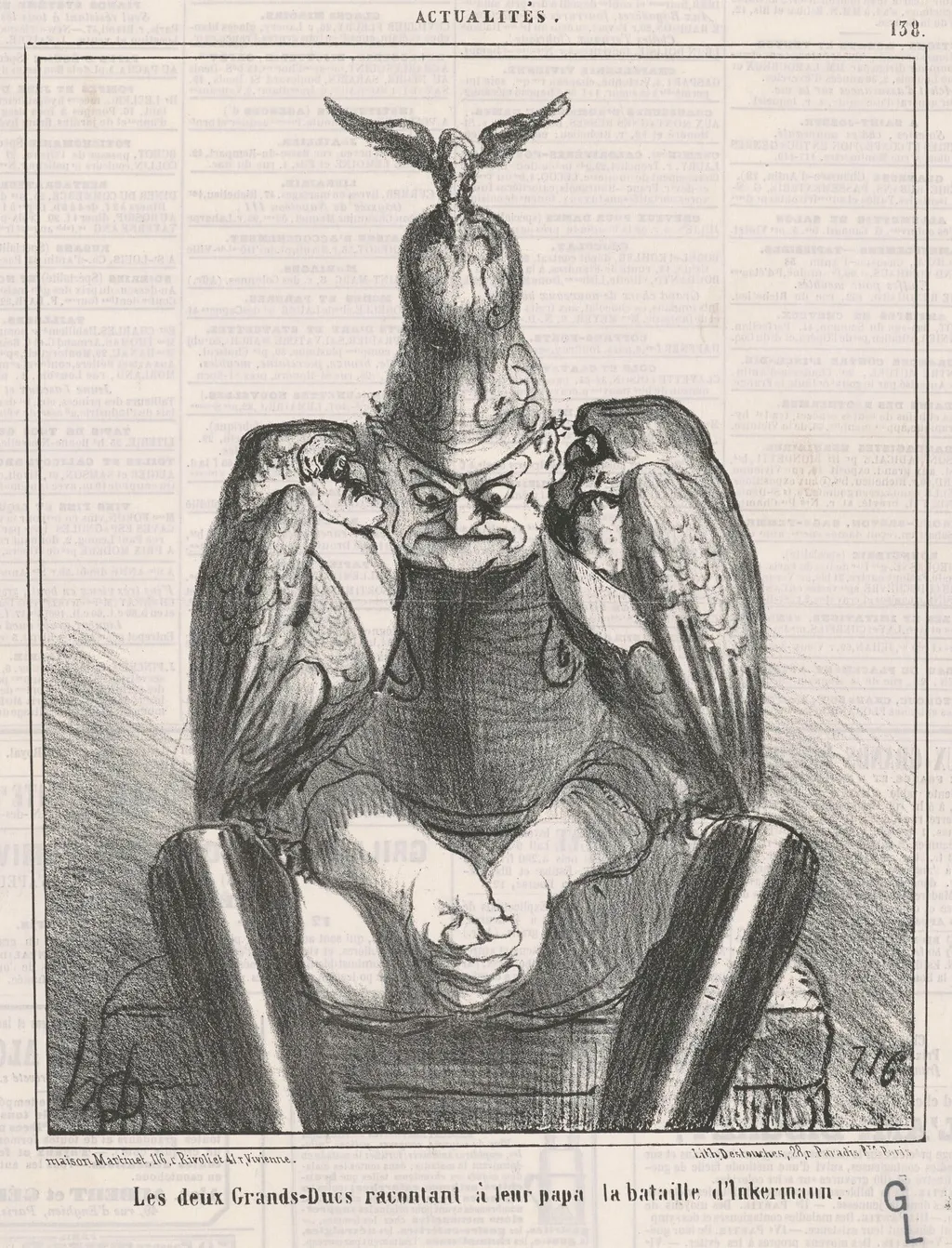
Le deux grands ducs racontant ...Inkermann is an ink print by the Impressionist artist Honoré Daumier. It dates from 1854 and is held in the collection of the National Gallery of Art.
About this work
Overview
This lithograph by Honoré Daumier depicts a single authoritative figure seated rigidly, clad in a military helmet bearing an eagle emblem.
This lithograph by Honoré Daumier depicts a single authoritative figure seated rigidly, clad in a military helmet bearing an eagle emblem. The image is rendered in ink on paper, characteristic of Daumier’s satirical printmaking. The composition is tightly focused, with the figure dominating the foreground while the background is densely filled with printed text, evoking the visual texture of newspapers and political pamphlets.
Subject & Meaning
The figure, likely a symbol of militarized authority, is portrayed without individualizing features, suggesting a critique of institutional power rather than a specific person. The surrounding text, mimicking newspaper columns, implies the entanglement of state authority with media narratives. Daumier uses this visual layering to question how power is legitimized and disseminated through public print culture.
Technique & Style
Executed in lithography, the work exploits the medium’s capacity for fine line work and tonal variation. Daumier’s brushwork in ink creates sharp contrasts between the solid, shadowed figure and the dense, chaotic background of printed script. The text is not legible as prose but functions as a visual rhythm, reinforcing the theme of information overload and bureaucratic noise surrounding authority.
History & Provenance
Created during the mid-19th century, this print emerged from Daumier’s prolific output for satirical journals like La Caricature and Le Charivari. Though exact publication details are uncertain, it aligns with his broader body of work critiquing the July Monarchy and later regimes. The piece was likely circulated among urban readers familiar with political caricature as a form of dissent.
Context
In the decades following the 1830 Revolution, France experienced frequent shifts in governance and strict censorship of the press. Daumier responded by embedding political commentary in visual metaphors. The use of newspaper-like backgrounds in this print reflects the era’s growing influence of print media, which both informed and manipulated public opinion under authoritarian rule.
Legacy
Daumier’s integration of textual elements as visual texture influenced later satirical artists and graphic journalists. This work exemplifies how lithography could serve as a tool for social critique beyond mere illustration. Its restrained imagery and layered symbolism contributed to a tradition of political printmaking that prioritized implication over overt satire.
Artist & collection
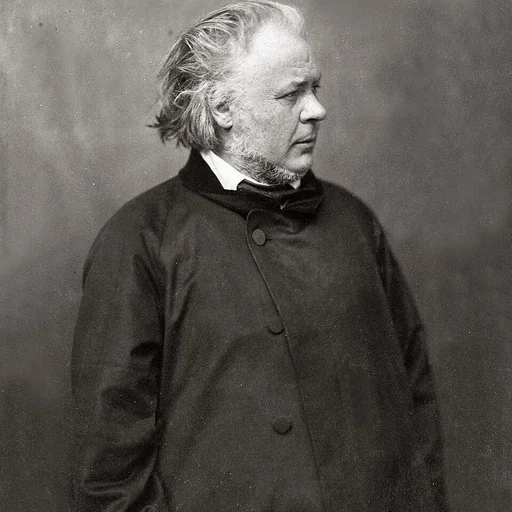
Artist
Honoré-Victorin Daumier was a French painter, sculptor, and printmaker, whose many works offer commentary on the social and political life in France, from the Revolution of 1830 to the fall of the Second French Empire in 1870.









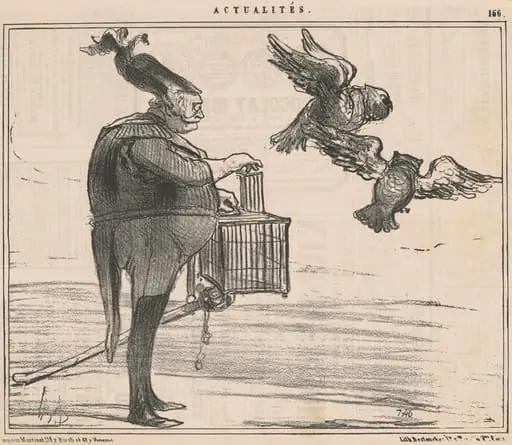 Deux Grands-Ducs Lachés ... sur Sébastopol
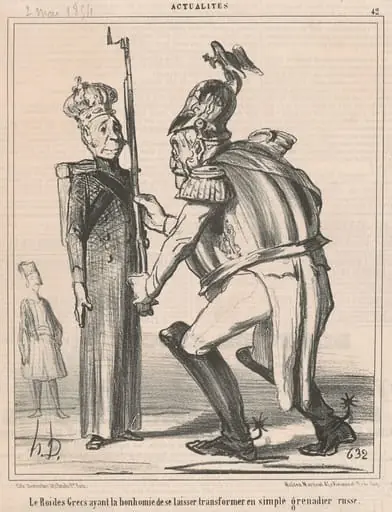 Le roi des grecs ...
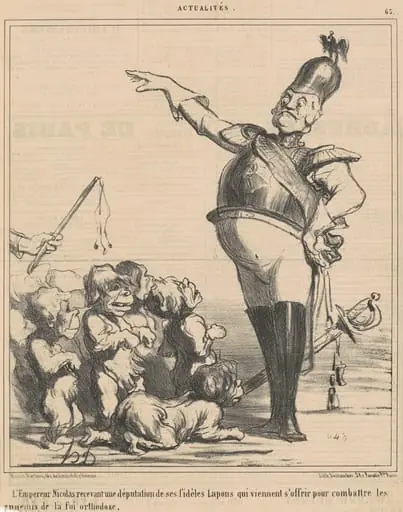 L'empereur Nicolas recevant une députation ...
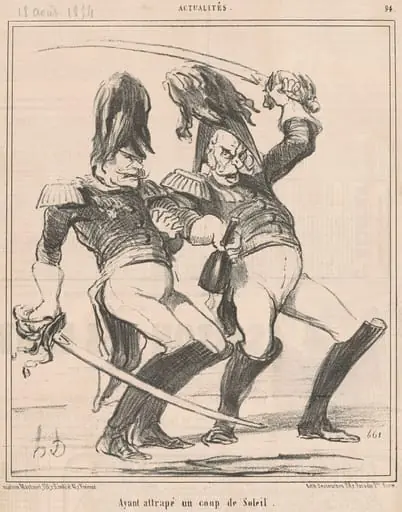 Ayant attrapé un coup de soleil
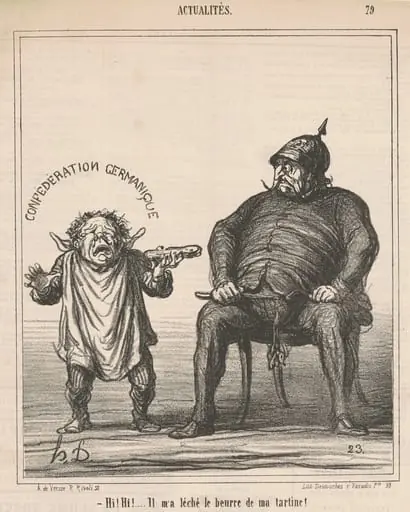 Hi! hi! ... Il m'a léché le beurre de ma tartine
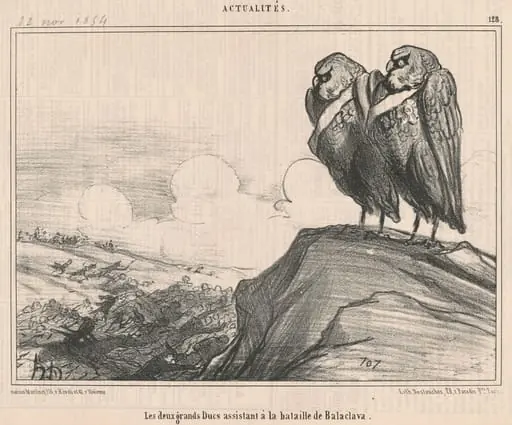 Les deux grands ducs ...
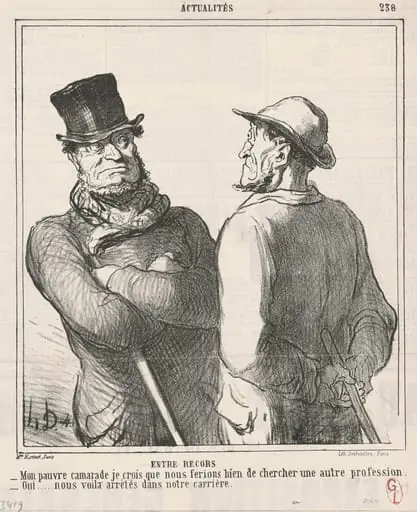 Entre recors
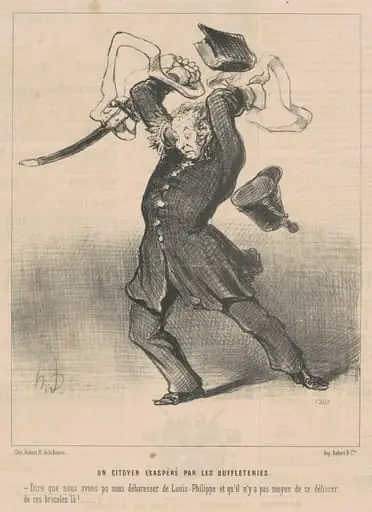 Un citoyen exaspéré par les buffleteries
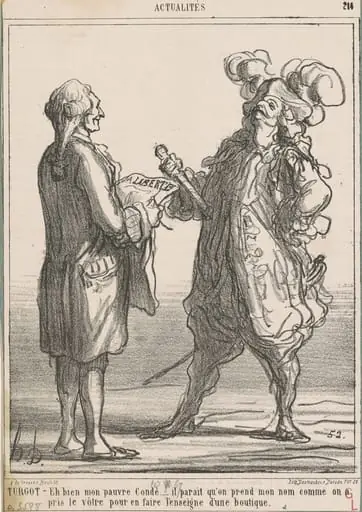 Turgot -- Eh bien mon pauvre condé ...