Artwork
Le Tondeur de chiens
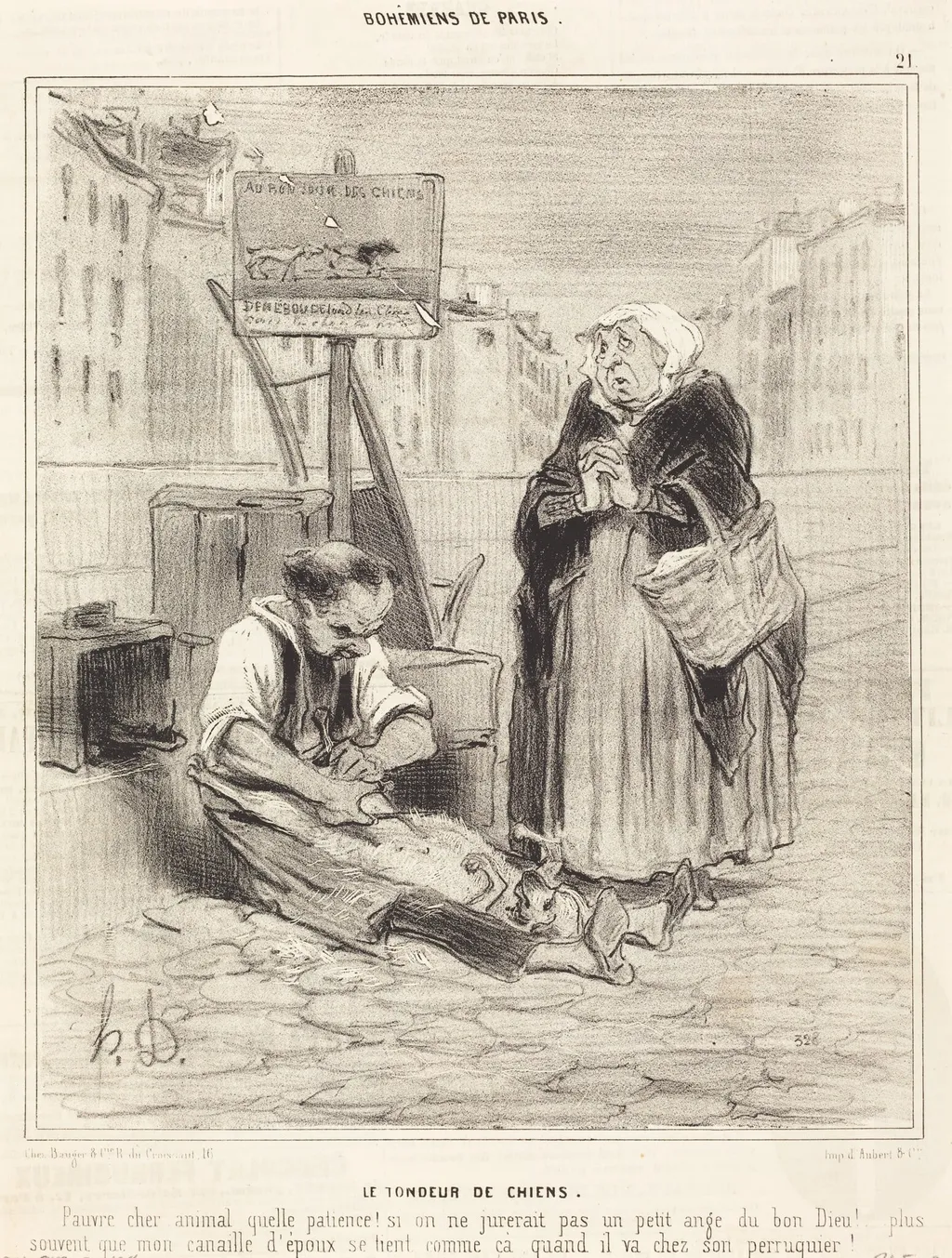
Le Tondeur de chiens is an ink print by the Romanticist artist Honoré Daumier. It dates from 1842 and is held in the collection of the National Gallery of Art.
About this work
Overview
Le Tondeur de chiens is a lithograph on newsprint created by Honoré Daumier in 1842. Produced during the artist's prolific period of political caricature, this print exemplifies his use of everyday scenes to comment on French society.
Subject & Meaning
The print depicts a mundane, intimate scene of a dog groomer at work in a cluttered, cramped room, observed by a bystander. While the subject appears ordinary, it likely serves as a vehicle for Daumier's broader social commentary, characteristic of his republican democrat perspective.
Technique & Style
Executed in quick, sketchy lines, the lithograph captures a sense of movement and quotidian life. The style aligns with Daumier's caricatural approach, emphasizing realism tinged with humor to engage the viewer.
History & Provenance
Created in 1842, this work falls within Daumier's active period contributing to publications like La Caricature and Le Charivari. Specific provenance details are not provided.
Context
Le Tondeur de chiens was produced between the Revolution of 1830 and the fall of the Second Empire in 1870, a time when Daumier used his art to critique French social and political structures.
Legacy
As part of Daumier's extensive oeuvre of socially conscious prints, Le Tondeur de chiens contributes to the artist's legacy of using satire and everyday life to reflect on the human condition of his era.
Artist & collection
Artist
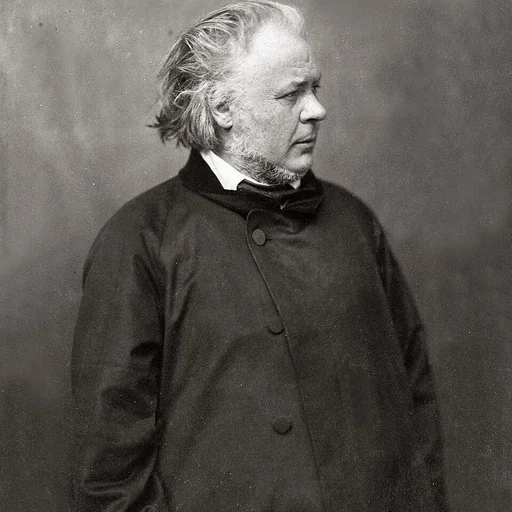
Honoré-Victorin Daumier was a French painter, sculptor, and printmaker, whose many works offer commentary on the social and political life in France, from the Revolution of 1830 to the fall of the Second French Empire in 1870.









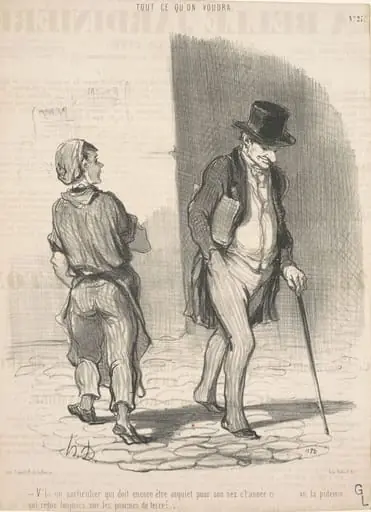 V'la un particulier qui doit ...être inquiet ...
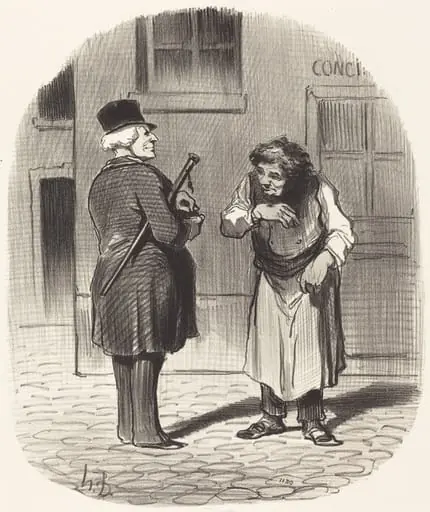 Le Jour de l'an
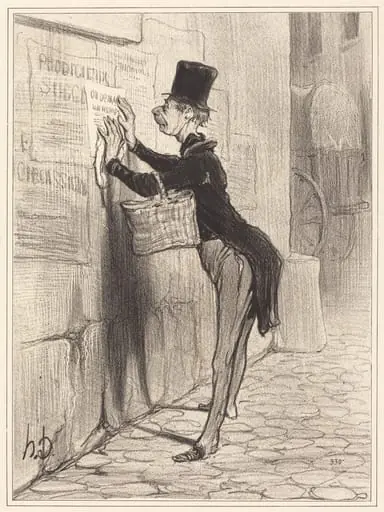 Le Placeur
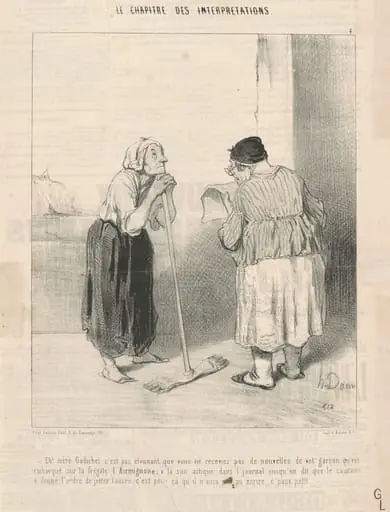 Eh! Mère Godichet c'est pas étonnant ...
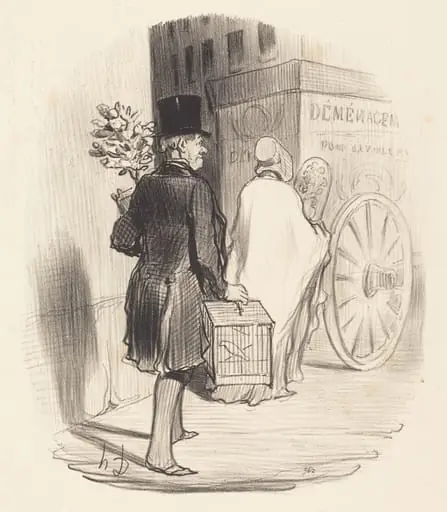 Parisien transportant dans un autre quartier...
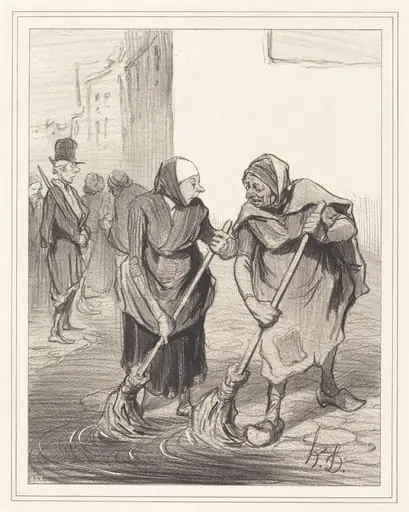 Dites donc, mame Giboulard...
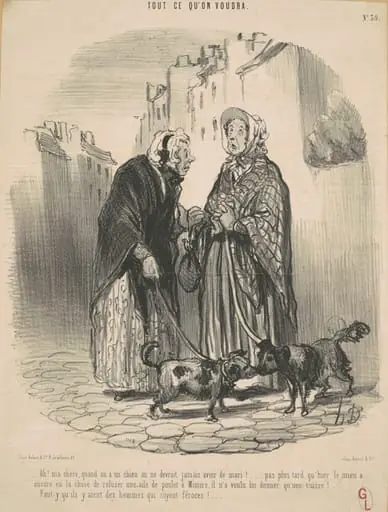 Ah! Ma chère, quand on a un chien ...
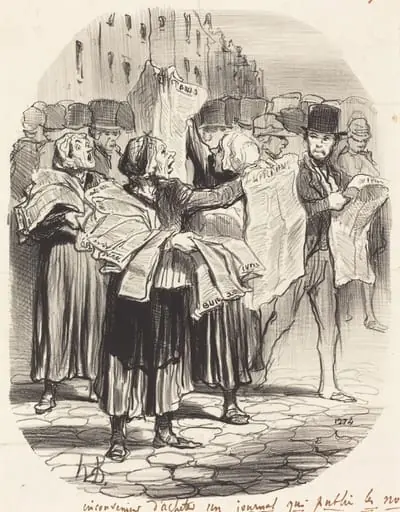 Inconvénient d'acheter un journal...
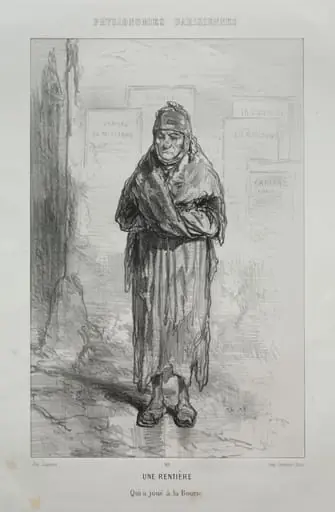 Une Rentière
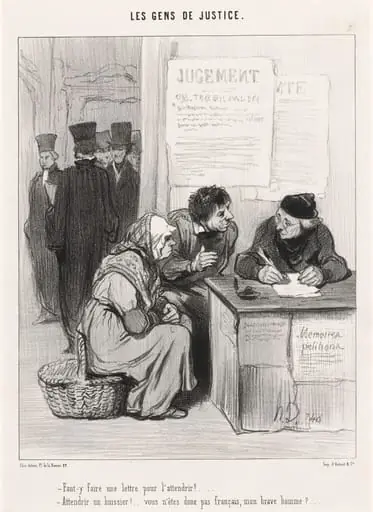 Faut-y faire une lettre pour l'attendrir?
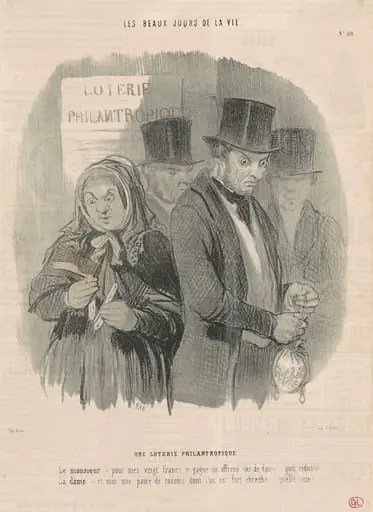 Une loterie philantropique
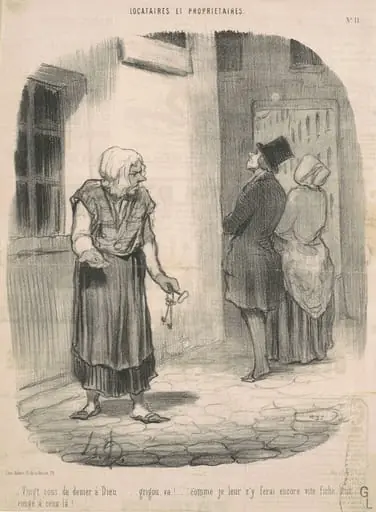 Vingt sous de denier a Dieu...