Artwork
Quand sonnent quatre heures
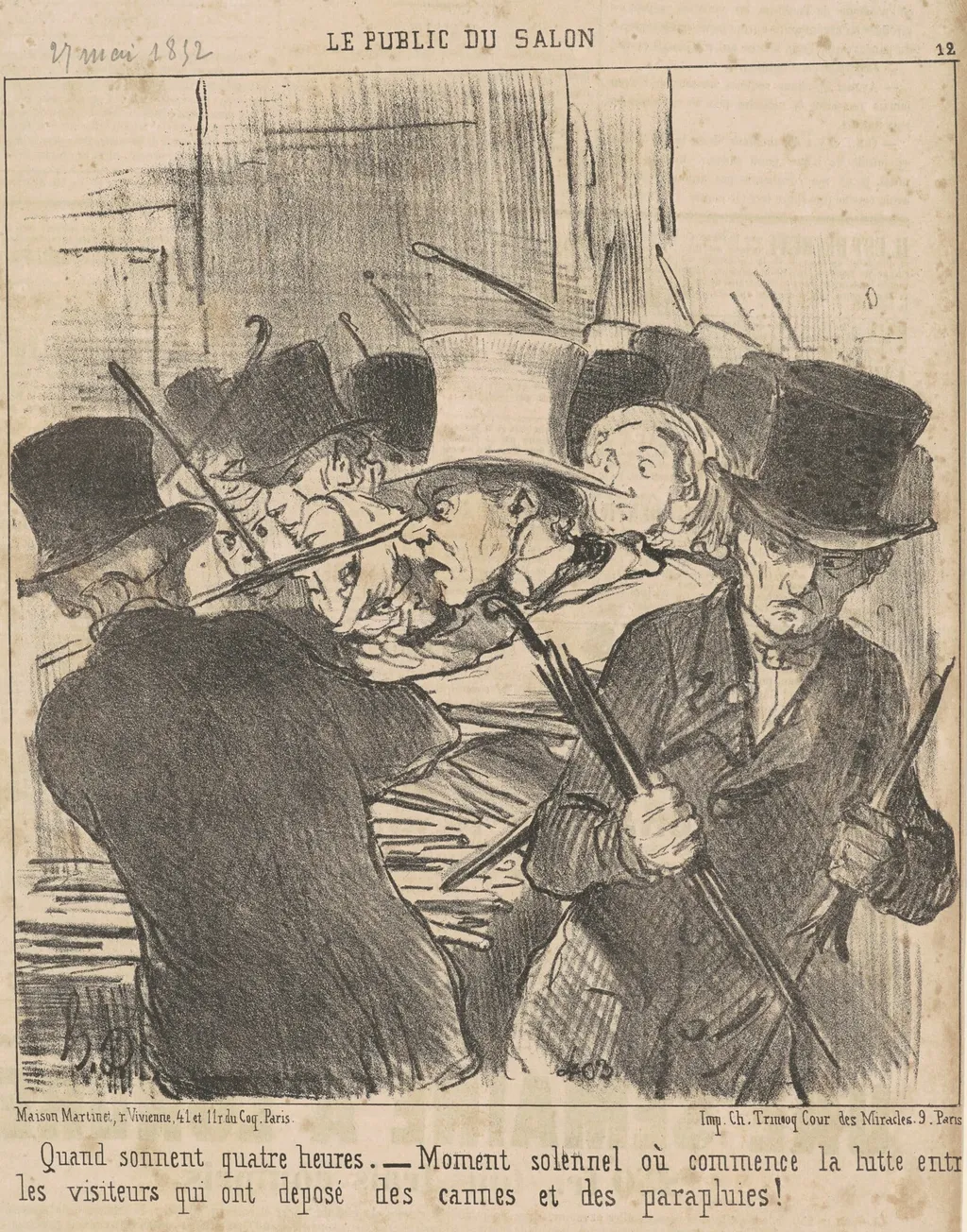
Quand sonnent quatre heures is an ink print by the Impressionist artist Honoré Daumier. It dates from 1852 and is held in the collection of the National Gallery of Art.
About this work
Overview
Quand sonnent quatre heures is a lithograph by Honoré Daumier that portrays a bustling gathering of individuals caught in moments of heightened emotion.
Quand sonnent quatre heures is a lithograph by Honoré Daumier that portrays a bustling gathering of individuals caught in moments of heightened emotion. The scene unfolds with no clear narrative center, instead emphasizing the collective energy of a public or social setting. Daumier’s focus on movement and expression transforms an ordinary moment into a study of human behavior under social pressure.
Subject & Meaning
The print depicts a crowd of well-dressed men and women reacting to an unseen event, likely a public announcement or performance. Their exaggerated facial expressions—ranging from astonishment to disdain—reveal tensions beneath polite society. Daumier does not idealize his subjects; instead, he exposes the performative nature of social rituals, suggesting underlying anxiety or absurdity in urban life.
Technique & Style
Executed in lithography, the work relies on the medium’s capacity for rapid, fluid line work to convey motion and emotion. Daumier used bold, sketch-like strokes and tonal contrasts to define figures and space, allowing for expressive distortion without losing structural clarity. The technique enabled quick production and wide distribution, aligning with his interest in reaching a broad, middle-class audience.
History & Provenance
Created in the mid-19th century, the print was likely published in a periodical or as a standalone sheet, common for Daumier’s social commentaries. It circulated among Parisian readers familiar with the cultural scenes he depicted. While its exact publication date and initial owner are undocumented, its survival in museum collections reflects its enduring value as a record of contemporary life.
Context
Daumier worked during a period of rapid urbanization and political change in France, when public spaces like salons and theaters became arenas for social performance. His prints responded to the rise of the bourgeoisie and the increasing visibility of class dynamics. Quand sonnent quatre heures reflects this environment, capturing how individuals navigated etiquette, status, and emotion in shared settings.
Legacy
The lithograph exemplifies Daumier’s role as a visual chronicler of 19th-century French society. His unflinching portrayals of everyday life influenced later realist and expressionist artists, particularly in their use of caricature to critique social norms. Though not widely exhibited in his lifetime, the work now stands as a key example of printmaking’s power to document and interrogate public behavior.
Artist & collection
Artist
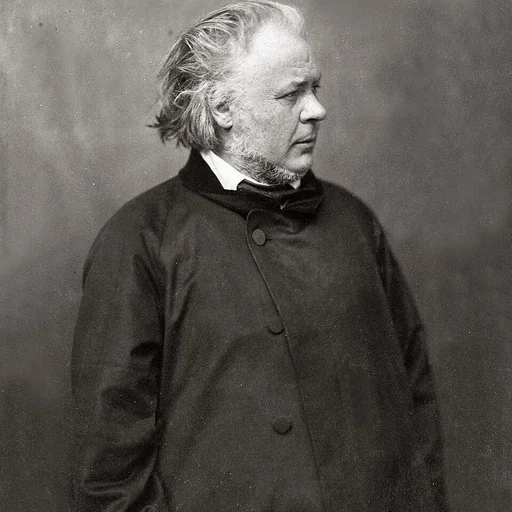
Honoré-Victorin Daumier was a French painter, sculptor, and printmaker, whose many works offer commentary on the social and political life in France, from the Revolution of 1830 to the fall of the Second French Empire in 1870.

![Aux Champs-Elysées, Ratapoil. Par suite d'une délibération philantropique [sic] du Comité du dix Décembre...à deux sous à club...deux sous..., by Honoré Daumier](https://artifactworldgallery.com/img/honore-daumier--aux-champs-elysees-ratapoil-par-suite-d-une-deliberation-phi--62ca0cc774af3945-w320.webp) Aux Champs-Elysées, Ratapoil. Par suite d'une délibération philantropique [sic] du Comité du dix Décembre...à deux sous à club...deux sous...
Aux Champs-Elysées, Ratapoil. Par suite d'une délibération philantropique [sic] du Comité du dix Décembre...à deux sous à club...deux sous...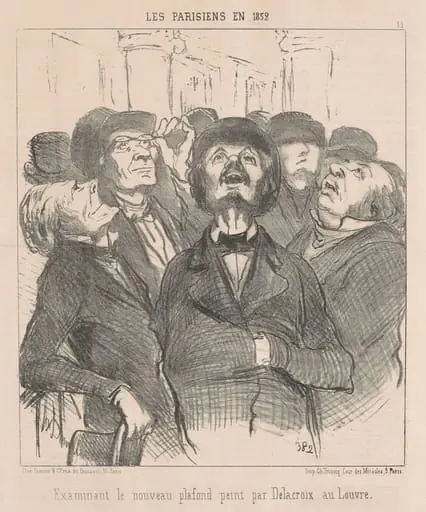 Examinant le nouveau plafond ...
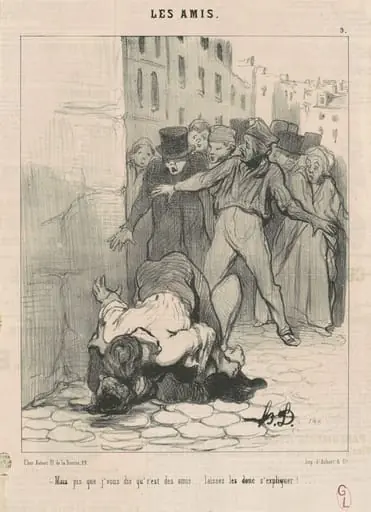 Mais pis que j'vous dis qu'c'est des amis ...
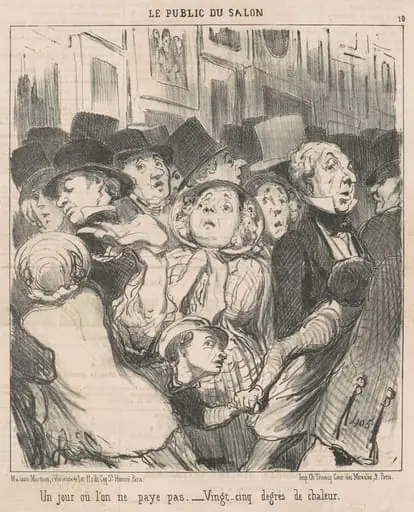 Un jour ou l'on ne paye pas
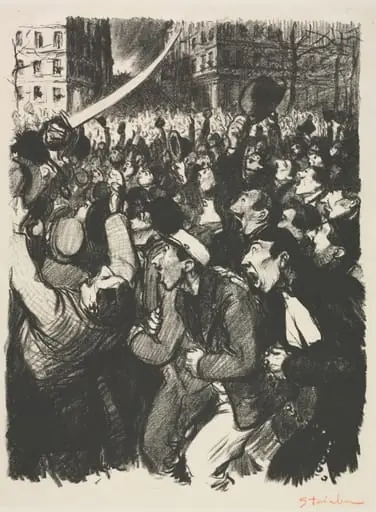 Sheep
Sheep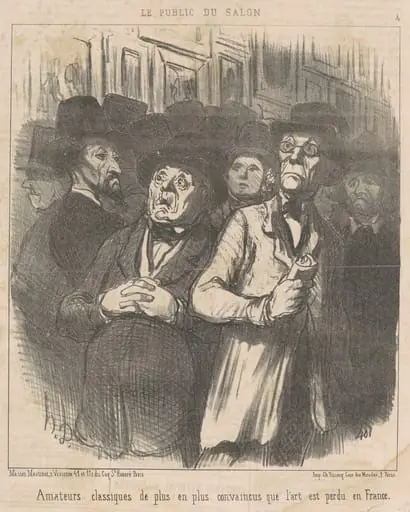 Amateurs classiques ... convaincus ...
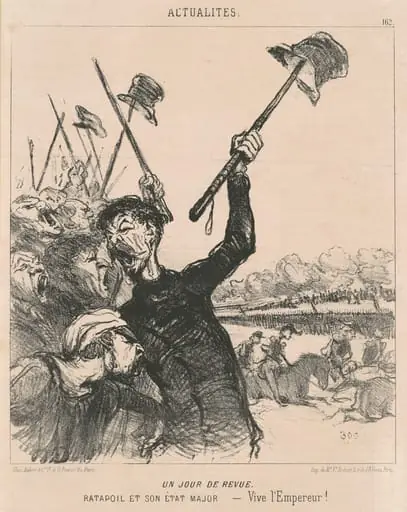 Un jour de revue
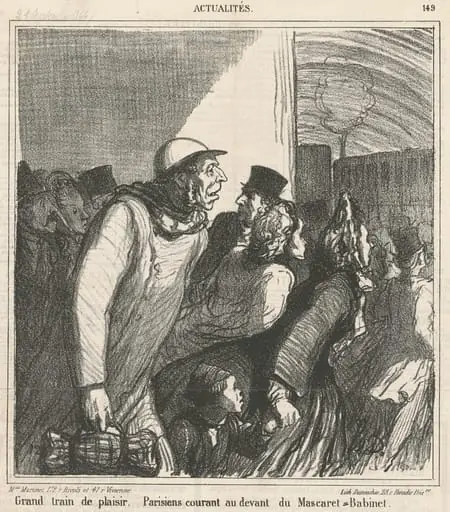 Grand train de plaisir
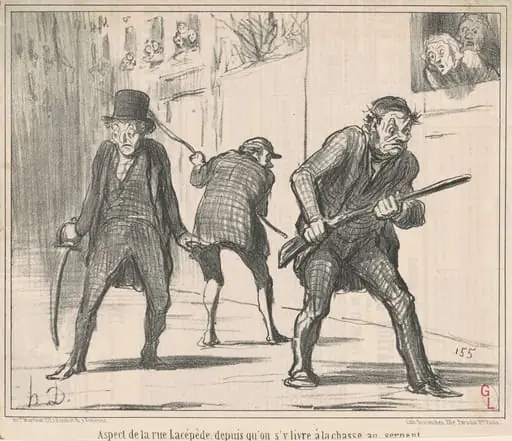 Aspect de la rue Lacépède ...