Artwork
Sur les boulevards de Paris
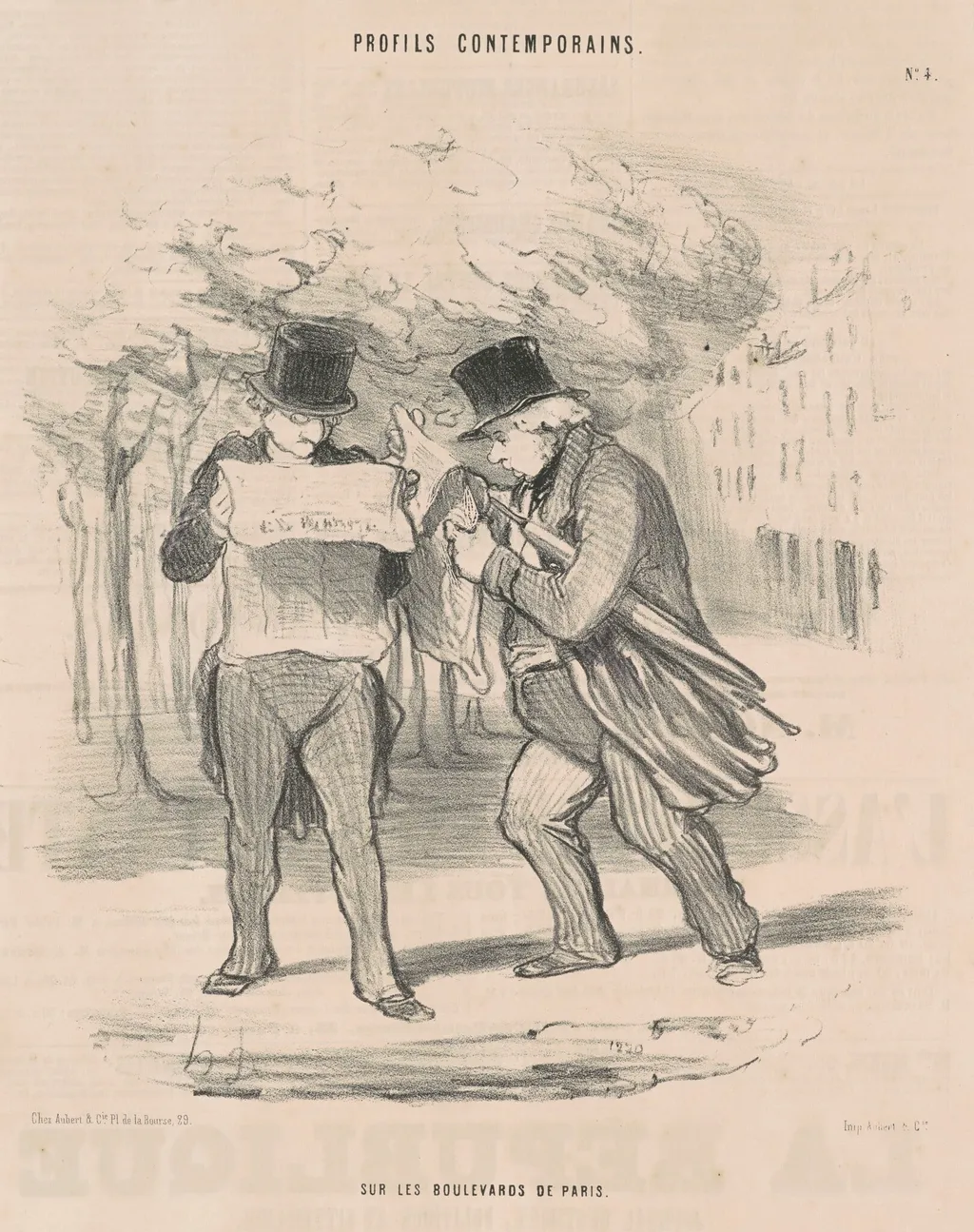
Sur les boulevards de Paris is an ink print by the Romanticist artist Honoré Daumier. It dates from 1848 and is held in the collection of the National Gallery of Art.
About this work
Overview
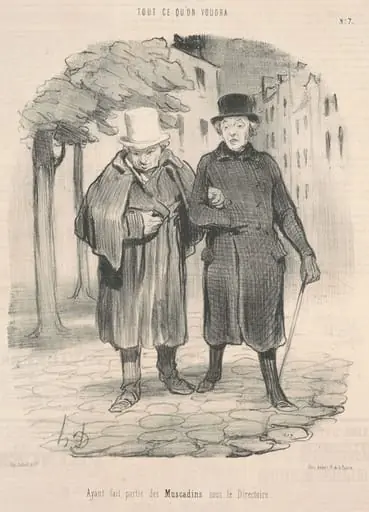
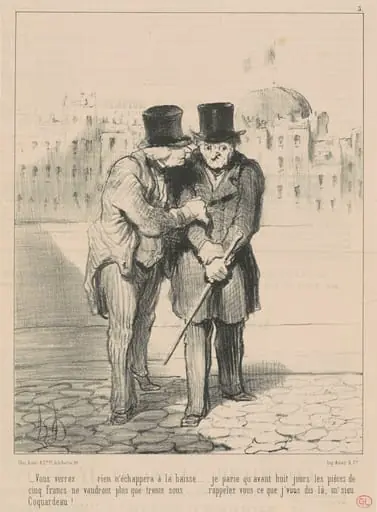
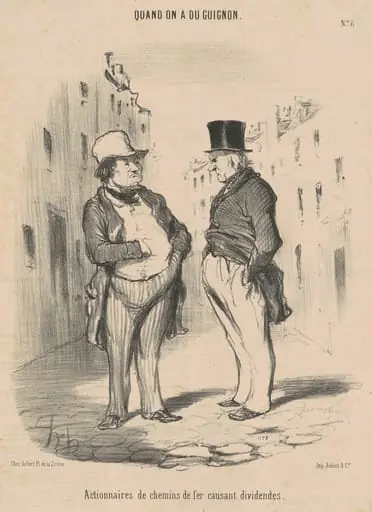
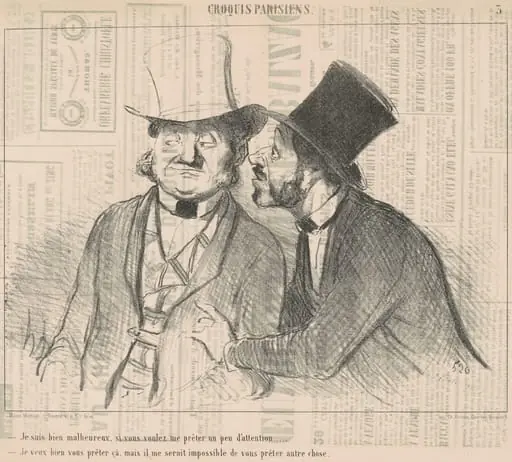
Honoré Daumier’s 1848 lithograph *Sur les boulevards de Paris* presents a snapshot of mid‑century urban activity. Rendered in black‑and‑white, the print shows a crowded thoroughfare in the French capital, where two elegantly attired gentlemen pause to examine a paper together, their conversation hinted at by their gestures.
Subject & Meaning
The two top‑hatted figures, clearly of comfortable means, serve as focal points amid the bustling crowd, suggesting a moment of private exchange within public space. Their shared scrutiny of a document invites speculation about business or legal matters, reflecting Daumier’s interest in the everyday negotiations that underpinned Parisian society.
Technique & Style
Executed in lithography, the work relies on the artist’s skill in drawing directly onto a stone surface, allowing fine lines and subtle tonal variations. Daumier’s characteristic attention to crowd detail—individual passers‑by, street signs, and architectural hints—creates a lively atmosphere while maintaining a clear compositional hierarchy.
History & Provenance
Created in the revolutionary year of 1848, the print aligns with Daumier’s prolific output of social scenes during a period of political upheaval in France. Though specific ownership records are sparse, the lithograph has been documented in several 19th‑century print collections and continues to appear in exhibitions of Daumier’s urban studies.
Context
The image belongs to a broader tradition of French realist prints that documented the rapid transformation of Paris under Haussmann’s modernization. By focusing on ordinary citizens rather than grand historical events, Daumier contributes to a visual record of the city’s evolving public sphere during the mid‑1800s.
Artist & collection
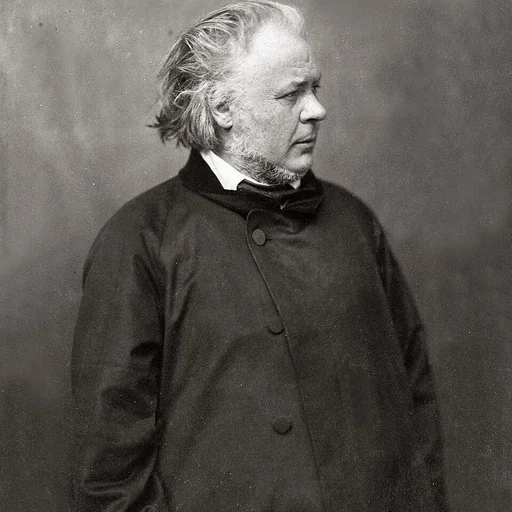
Artist
Honoré-Victorin Daumier was a French painter, sculptor, and printmaker, whose many works offer commentary on the social and political life in France, from the Revolution of 1830 to the fall of the Second French Empire in 1870.