Artwork
The Prodigal Son
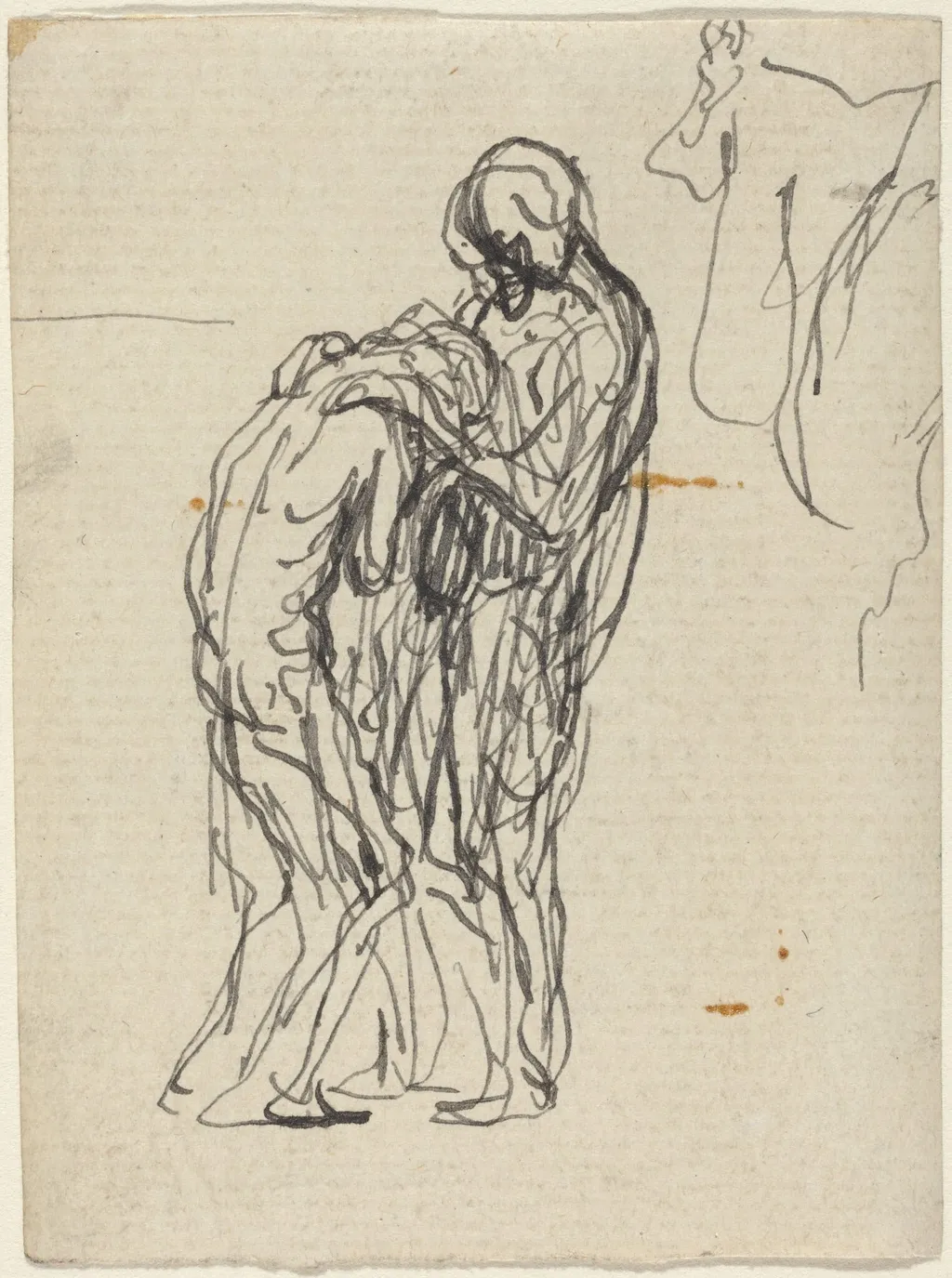
The Prodigal Son is an ink drawing by the Romanticist artist Honoré Daumier. It dates from 1844 and is held in the collection of the National Gallery of Art.
About this work
Overview
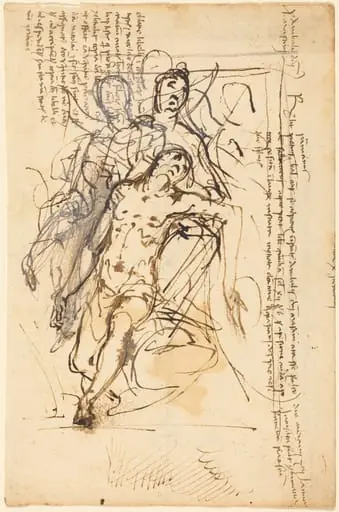
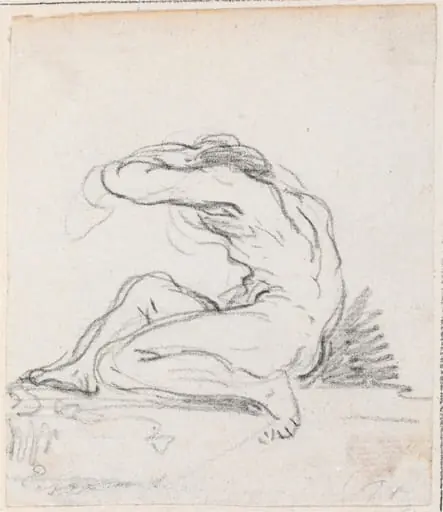
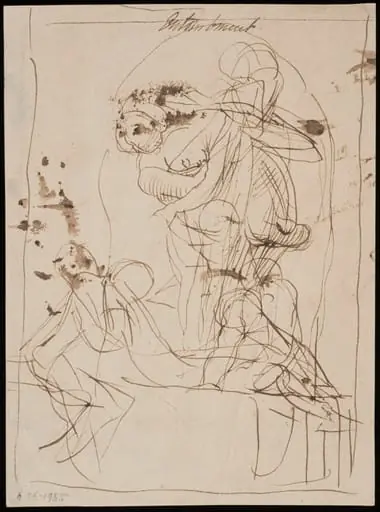
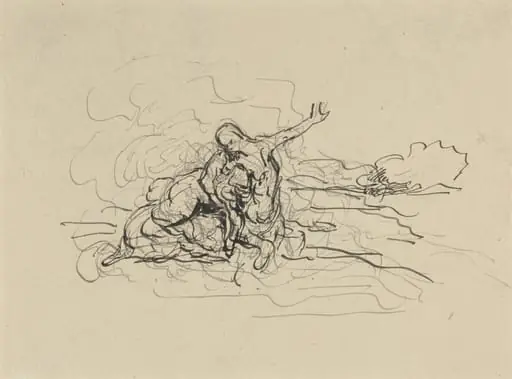
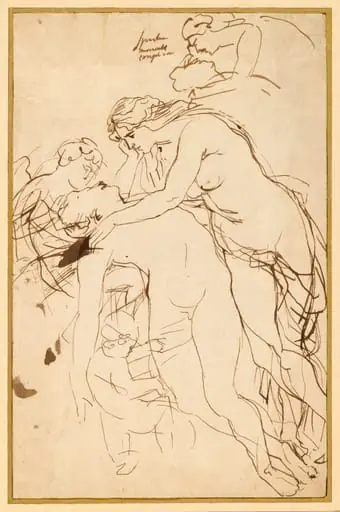
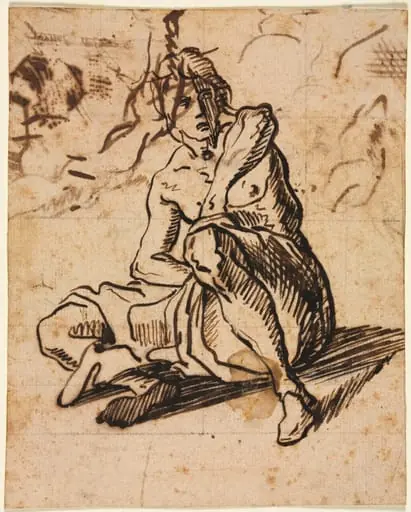
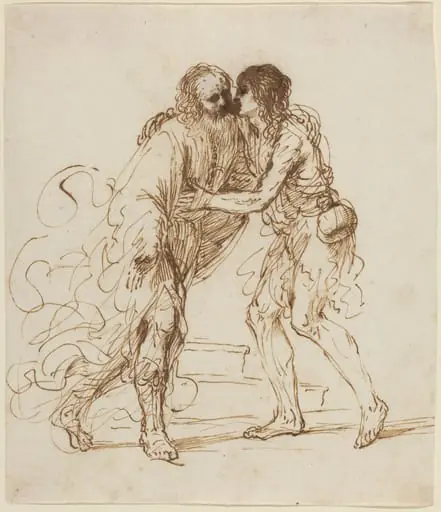
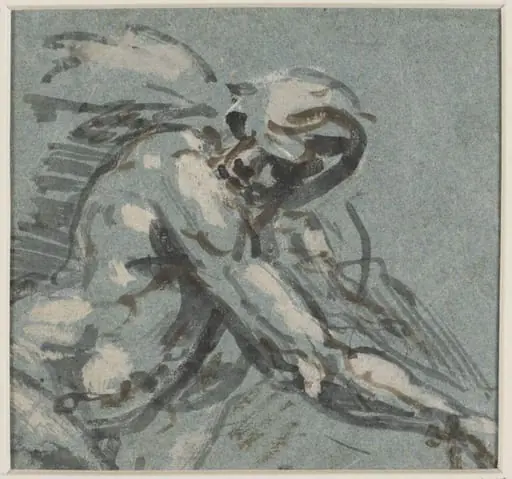
Created in 1844, *The Prodigal Son* is a pen-and-ink drawing with wash on laid paper by the French artist Honoré Daumier. The work presents a solitary figure seen from behind, walking away from the viewer. Rendered in Daumier’s characteristic loose line work, the drawing conveys a sense of movement and anonymity, aligning with the artist’s broader interest in everyday subjects.
Subject & Meaning
The composition references the biblical parable of the prodigal son, yet Daumier treats the scene without idealization. The lone wanderer, rendered with indistinct features, suggests a universal figure rather than a specific character, inviting reflection on themes of exile, repentance, and the social marginalization that Daumier often highlighted in his satirical oeuvre.
Technique & Style
Daumier employed black ink supplemented by a light wash to model form and create tonal contrast. Rapid, overlapping strokes define the figure’s hair and clothing, while cross‑hatching builds shadow in the darker areas. The laid paper, bearing faint stains and residual pencil marks, contributes to the drawing’s informal, sketch‑like quality, emphasizing immediacy over finish.
History & Provenance
Its provenance traces through private collections before entering a museum holding of 19th‑century French drawings, where it remains accessible for study.
The drawing dates from the early phase of Daumier’s career, when he was already known for caricatures published in *La Caricature* and *Le Charivari*. Though primarily recognized for his satirical prints, this work demonstrates his engagement with narrative drawing. Its provenance traces through private collections before entering a museum holding of 19th‑century French drawings, where it remains accessible for study.
Artist & collection
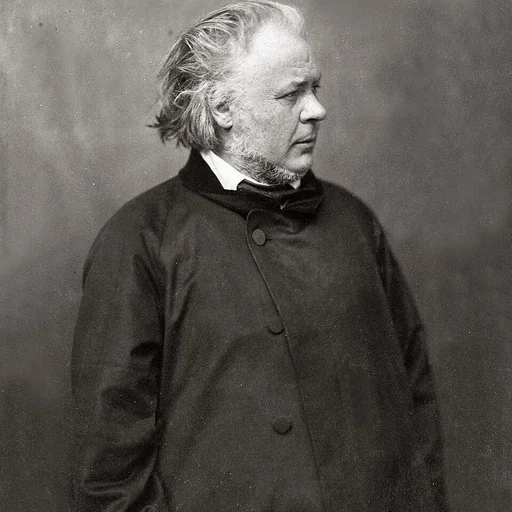
Artist
Honoré-Victorin Daumier was a French painter, sculptor, and printmaker, whose many works offer commentary on the social and political life in France, from the Revolution of 1830 to the fall of the Second French Empire in 1870.