Artwork
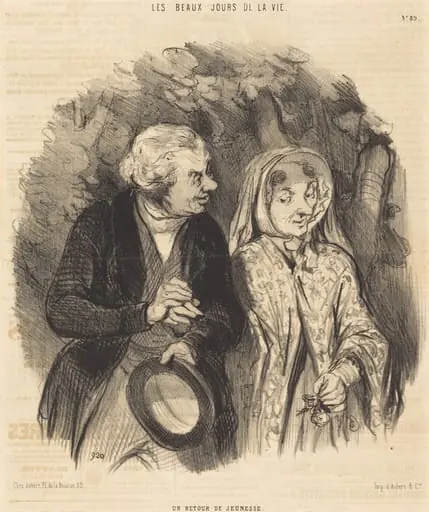
Un Retour de jeunesse
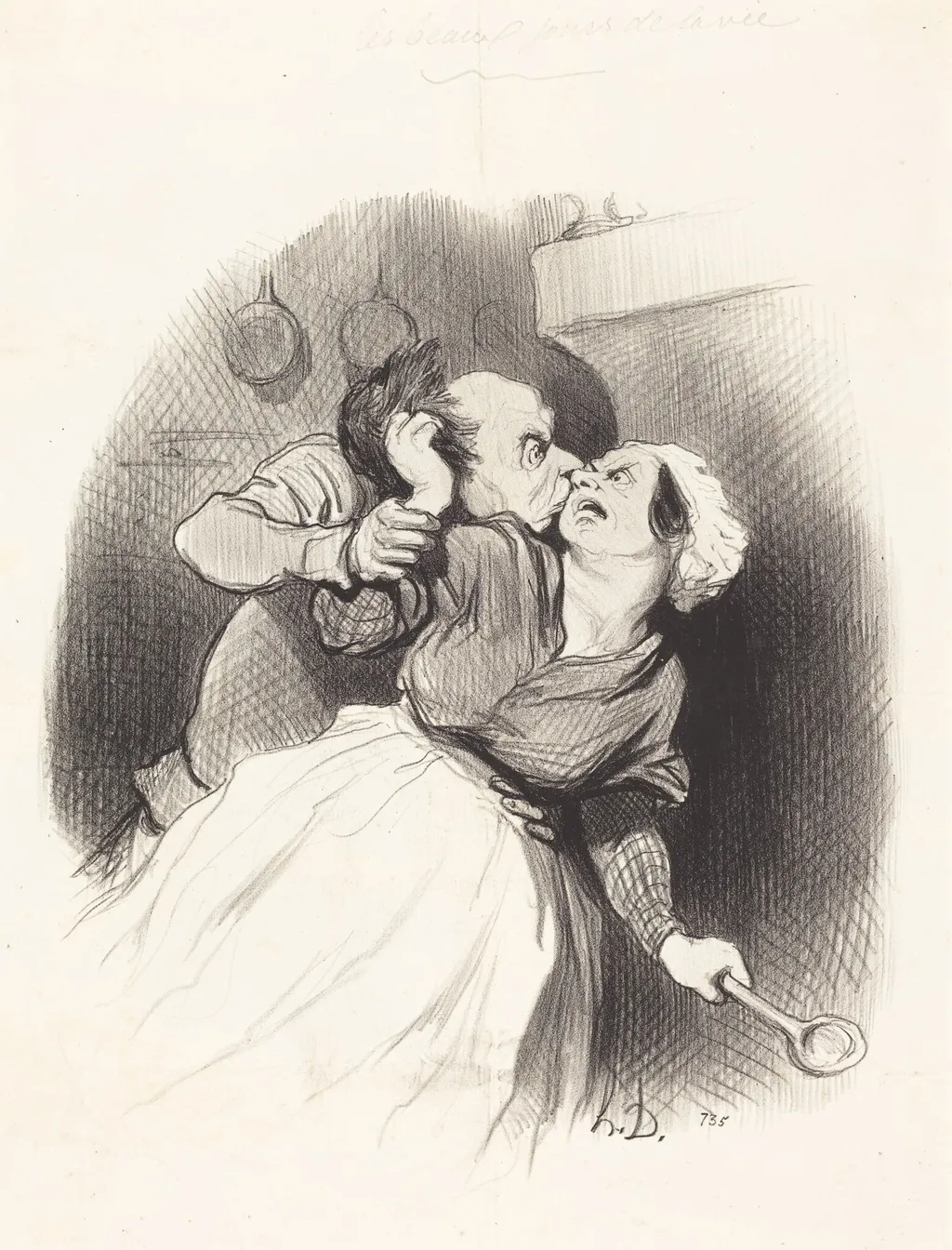
Un Retour de jeunesse is an ink print by the Romanticist artist Honoré Daumier. It dates from 1845 and is held in the collection of the National Gallery of Art.
About this work
Overview
Created in 1845, *Un Retour de jeunesse* is a lithograph by Honoré Daumier, part of his extensive body of graphic work produced for French satirical journals.
Created in 1845, *Un Retour de jeunesse* is a lithograph by Honoré Daumier, part of his extensive body of graphic work produced for French satirical journals. Unlike his paintings, these prints reached a broad public and often captured fleeting moments of urban life. The image presents a tense, intimate confrontation between two men, rendered with rapid, expressive lines that convey urgency and emotional strain without overt narrative detail.
Subject & Meaning
The scene depicts two impoverished men in a dim interior, one brandishing a spoon as if it were a weapon, the other restraining him. The gesture suggests a trivial dispute escalated into something primal, possibly over food or dignity. Daumier uses this mundane conflict to reflect broader social tensions—poverty, desperation, and the erosion of civility among the working class under strained economic conditions.
Technique & Style
Daumier employed lithography to achieve a spontaneous, sketch-like quality. Bold, uneven lines and stark contrasts between ink and paper create a sense of immediacy. The figures are rendered with minimal detail, their forms suggested rather than defined, emphasizing movement and psychological tension over realism. The rough texture and unpolished finish align with his commitment to capturing raw human experience over aesthetic refinement.
History & Provenance
The print was likely produced for *Le Charivari*, the satirical weekly where Daumier regularly contributed. It was not signed or dated in the plate, as was common for his journalistic work. Few original impressions survive, and most are held in institutional collections, including the Musée d'Orsay and the Metropolitan Museum of Art, where they are studied for their social insight rather than commercial value.
Context
In mid-1840s France, political repression followed the July Monarchy’s crackdown on dissent. Daumier’s prints, though often veiled in metaphor, resonated with public frustration. Scenes of everyday struggle, like this one, subtly critiqued systemic neglect. The cramped setting and diminished light mirror the constrained lives of ordinary citizens, contrasting sharply with the opulence celebrated in official art of the era.
Legacy
Daumier’s lithographs, including this work, influenced later generations of realist and expressionist artists who valued emotional truth over idealization. His ability to distill complex social conditions into single, charged moments helped redefine printmaking as a vehicle for social observation. Today, these images are studied not for their technical perfection, but for their unflinching humanity.
Artist & collection
Artist
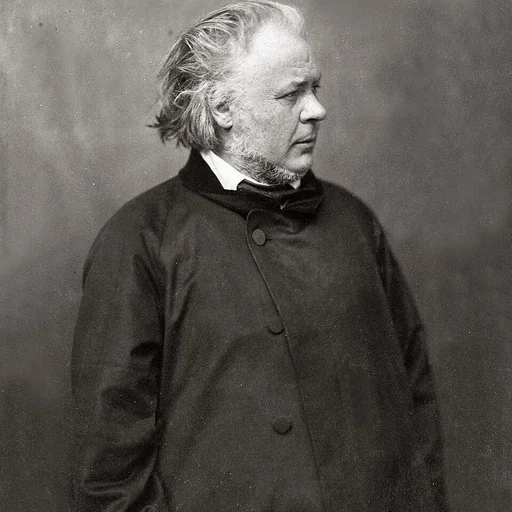
Honoré-Victorin Daumier was a French painter, sculptor, and printmaker, whose many works offer commentary on the social and political life in France, from the Revolution of 1830 to the fall of the Second French Empire in 1870.









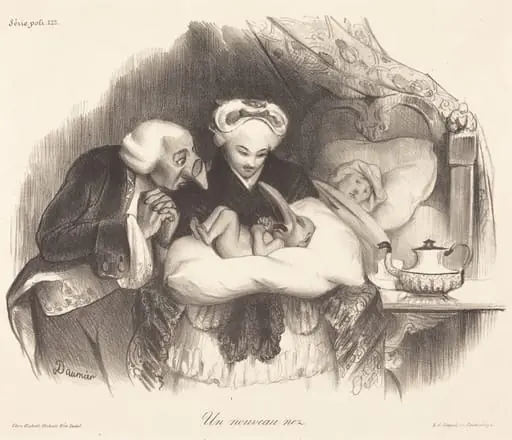 Un nouveau nez
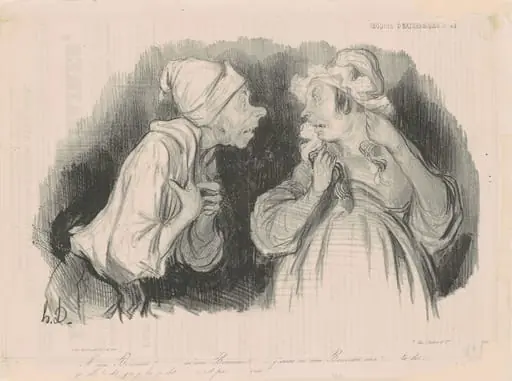 M'ame Bonneau... J'aime m'ame Bonneau moi!...
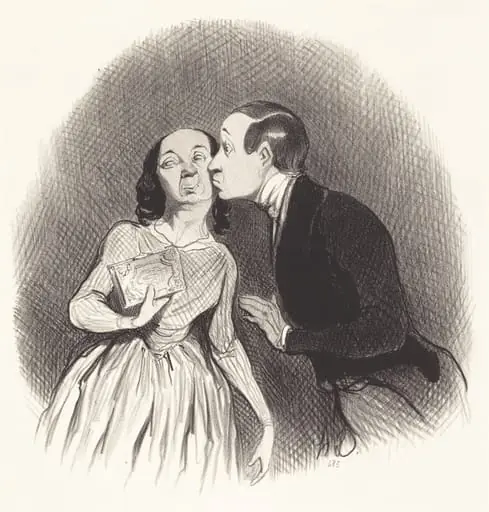 Le Jour de l'an
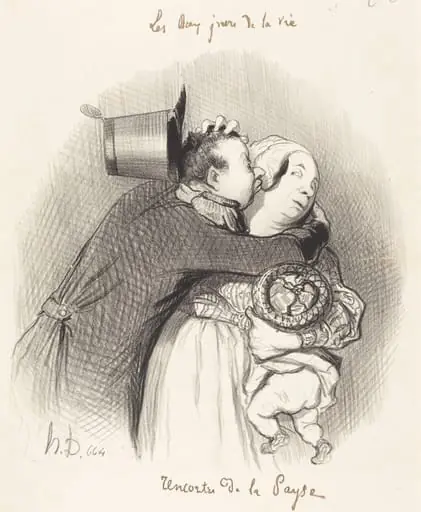 Rencontre de la payse
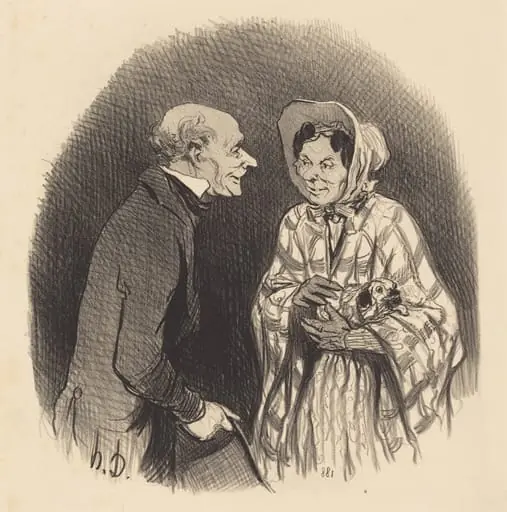 Une Nouvelle connaissance
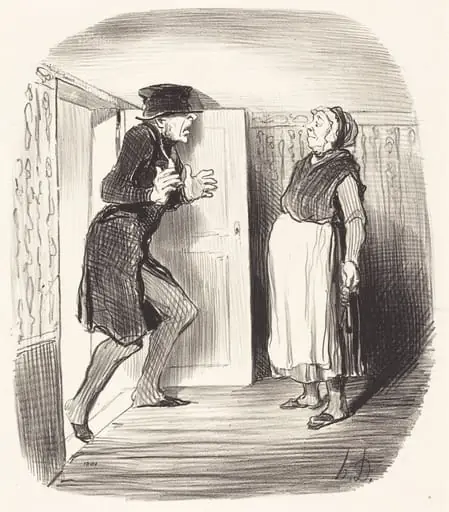 Inconvénient de visiter sans précaution un entresol...
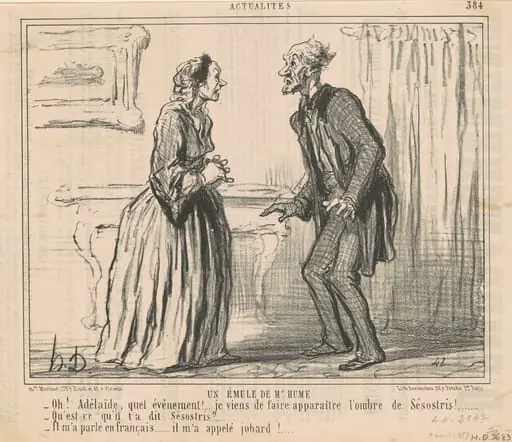 Un émule de Mr Hume
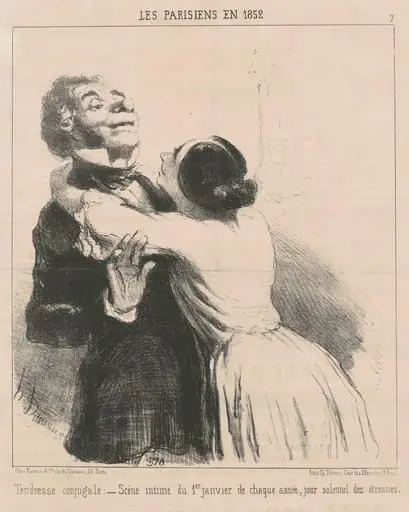 Tendresse conjugale
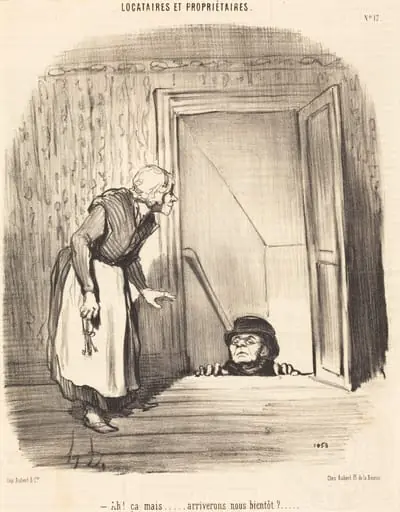 Ah! ça mais... arriverons-nous bientôt?
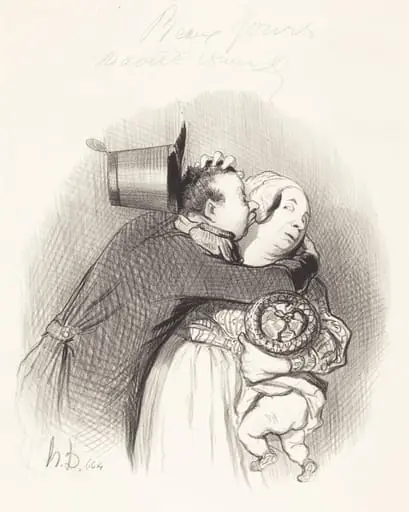 Rencontre de la payse
 Dites-donc Baptiste ...
 Un Retour de jeunesse