Artwork
Un service ... pas facile a rendre
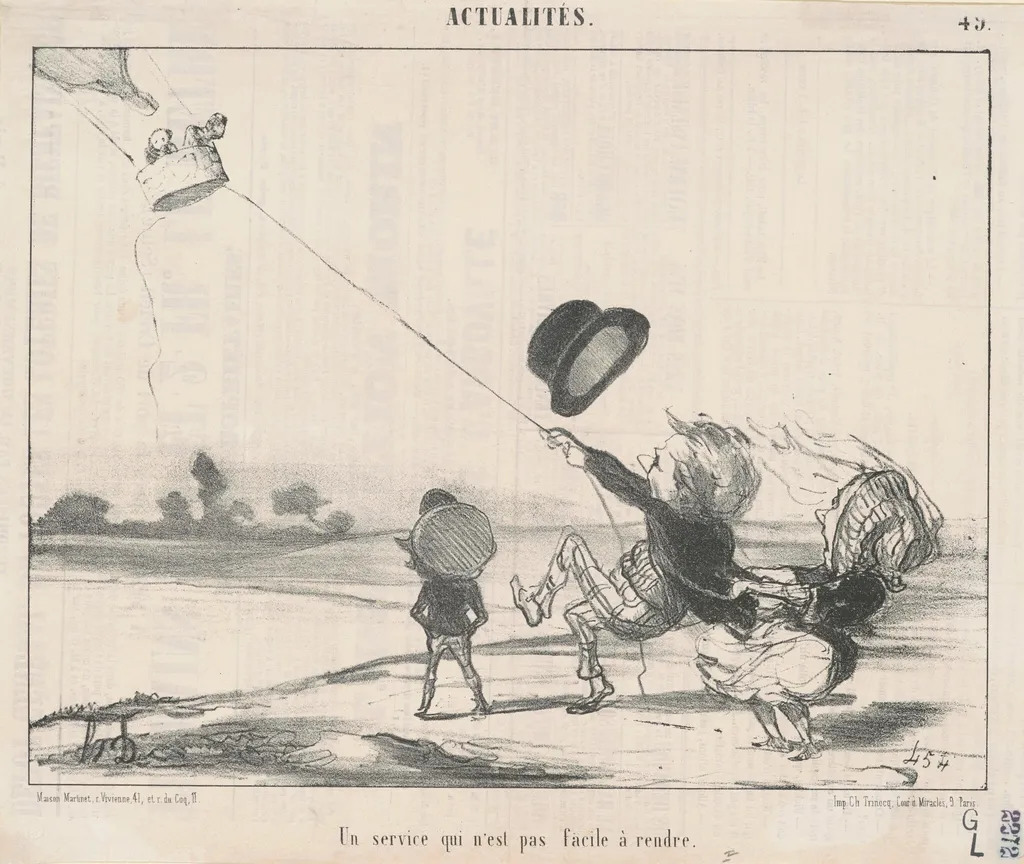
Un service ... pas facile a rendre is an ink print by the Impressionist artist Honoré Daumier. It dates from 1852 and is held in the collection of the National Gallery of Art.
About this work
The print was made using lithography, a technique where artists draw on stone with a greasy stick and then press paper onto it to make copies.
A man dangles from a rope tied to a hot air balloon floating away. Other figures pull on the rope below, trying to hold it down. Their faces show effort and panic.
This is a satire, not a real event. Daumier made it as a political cartoon for a French newspaper in 1852. Back then, balloons were symbols of big dreams and failed promises. He used humor to critique leaders and public chaos.
The print was made using lithography, a technique where artists draw on stone with a greasy stick and then press paper onto it to make copies. It let Daumier reach many people quickly.
Look up lithography to see how this method shaped modern print art.
Overview
Honoré Daumier’s lithograph titled *Un service … pas facile à rendre* portrays a chaotic tableau in which a group of men clutches a rope attached to a hot‑air balloon that is drifting upward. The figures below strain and scramble, their faces marked by panic, while one individual hangs precariously from the line.
Subject & Meaning
The scene is a satirical allegory rather than a literal incident, using the balloon—then a symbol of lofty ambition and unfulfilled promises—to lampoon political leaders and the disorder of public life in mid‑nineteenth‑century France. Daumier’s composition underscores the futility of human effort when confronted with forces beyond control.
Technique & Style
Executed in lithography, Daumier drew directly onto a limestone slab with a greasy crayon, creating a matrix that could be inked and pressed onto paper. This method allowed for swift production and wide dissemination, matching the immediacy required for newspaper cartoons of the period.
History & Provenance
The print first appeared as a political cartoon in a French newspaper in 1852, a time when balloon imagery was commonly invoked in public discourse. Its original publication context situates the work within Daumier’s prolific output of socially engaged prints.
Context
During the early 1850s France experienced political turbulence, and popular media frequently employed caricature to critique authority. Daumier’s use of the balloon motif reflects contemporary associations of aerial travel with grand, often unattainable, aspirations.
Legacy
The lithograph exemplifies how Daumier harnessed the reproducibility of lithography to reach a broad audience, influencing the development of modern print media and the role of satire in visual commentary.
Artist & collection
Artist
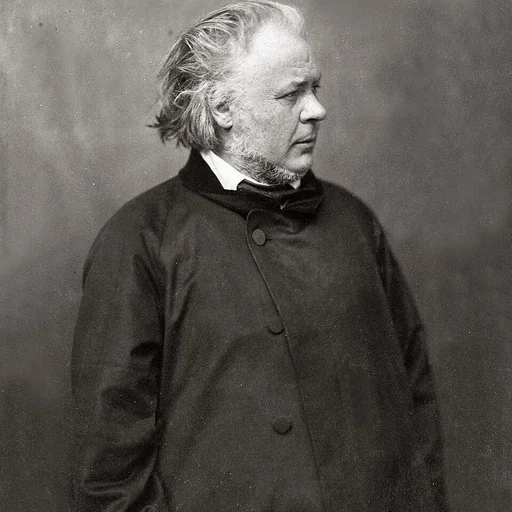
Honoré-Victorin Daumier was a French painter, sculptor, and printmaker, whose many works offer commentary on the social and political life in France, from the Revolution of 1830 to the fall of the Second French Empire in 1870.









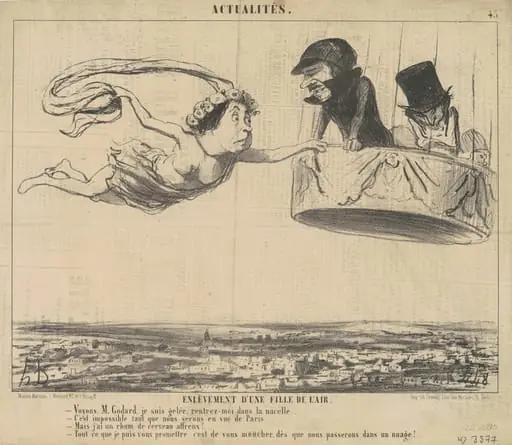 Enlèvement d'une fille de l'air
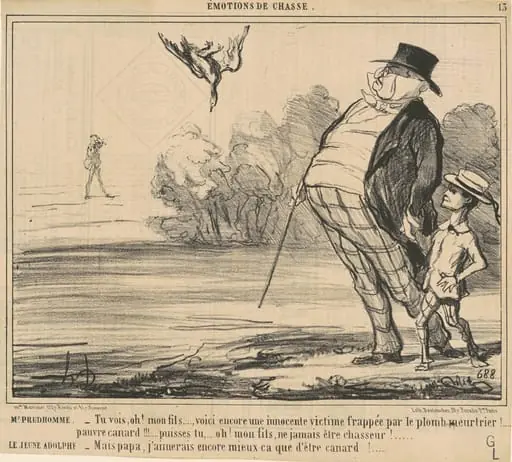 Mr Prudhomme. Tu vois, Oh! Mon fils ...
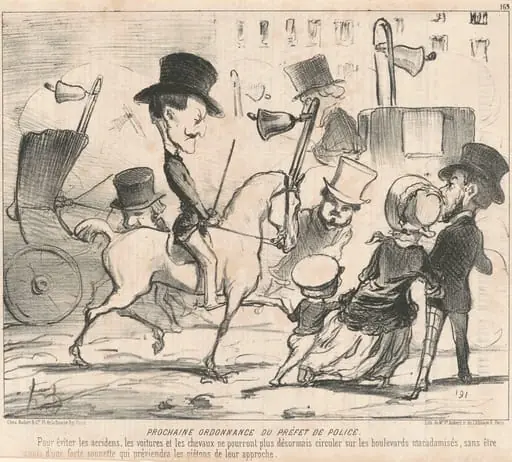 Prochaine ordannace du préfet de police
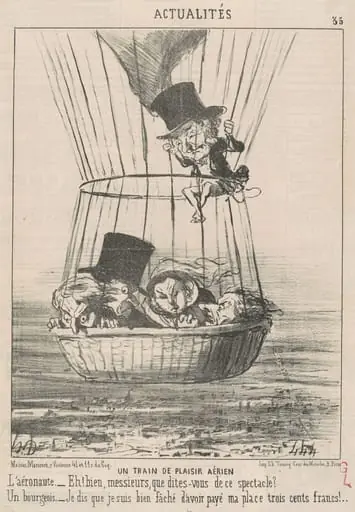 Un train de plaisir aérien
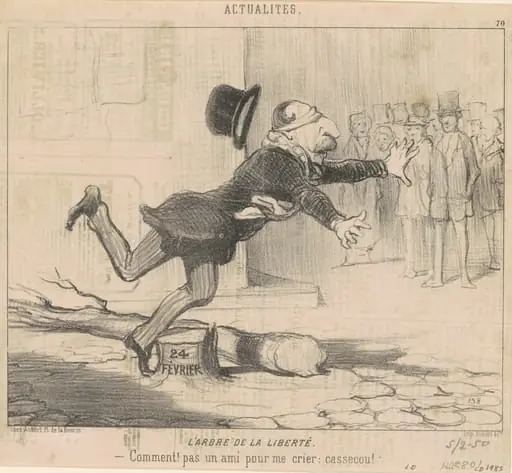 L'arbre de la liberté
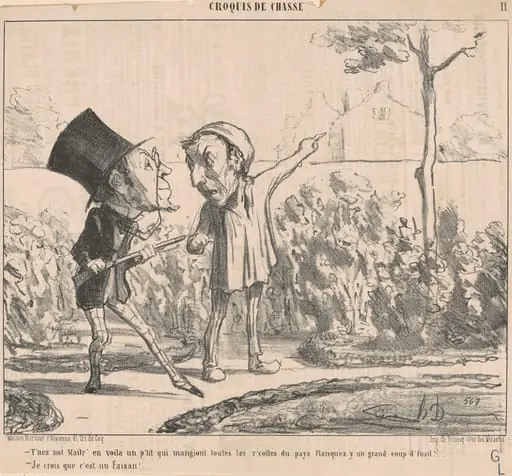 T'nez not' maitr' en voila un p'tit ...
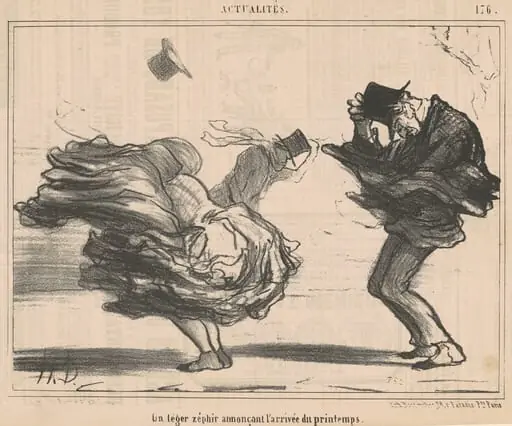 Un léger zéphir annoncant l'arrivée du printemps
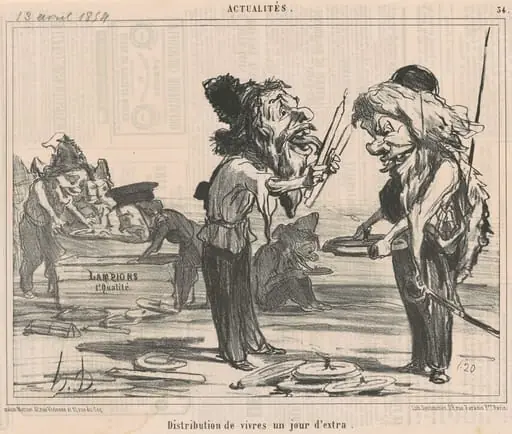 Distribution de vivres un jour d'extra
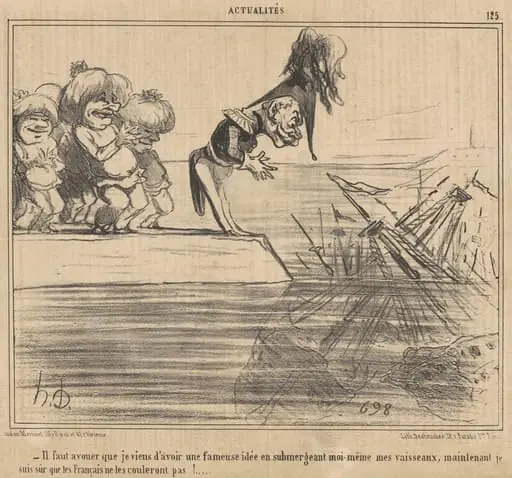 Il faut avouer que je viens d'avoir une ...
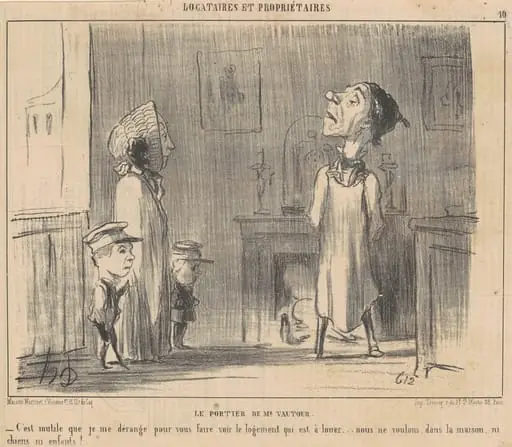 Le portier de Mr Vautour
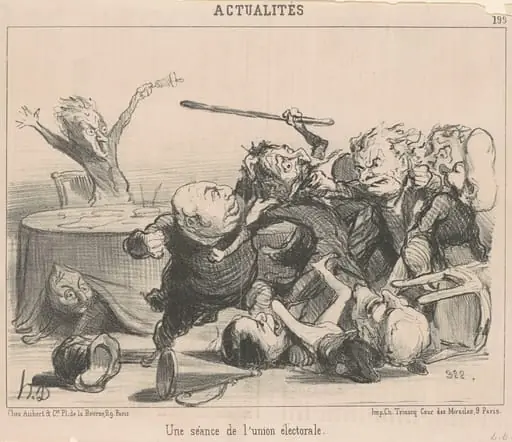 Une séance de l'union électorale
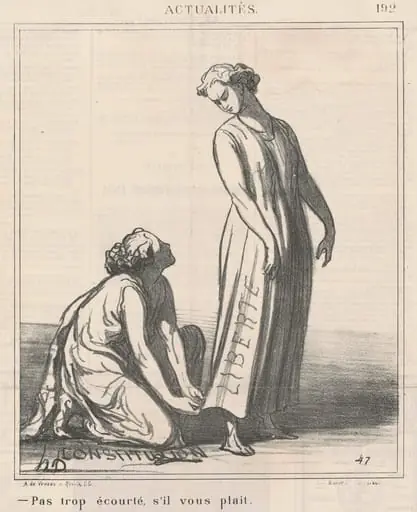 Pas trop écourté, s'il vous plait