Artwork
Vous voila maintenant passe citoyen
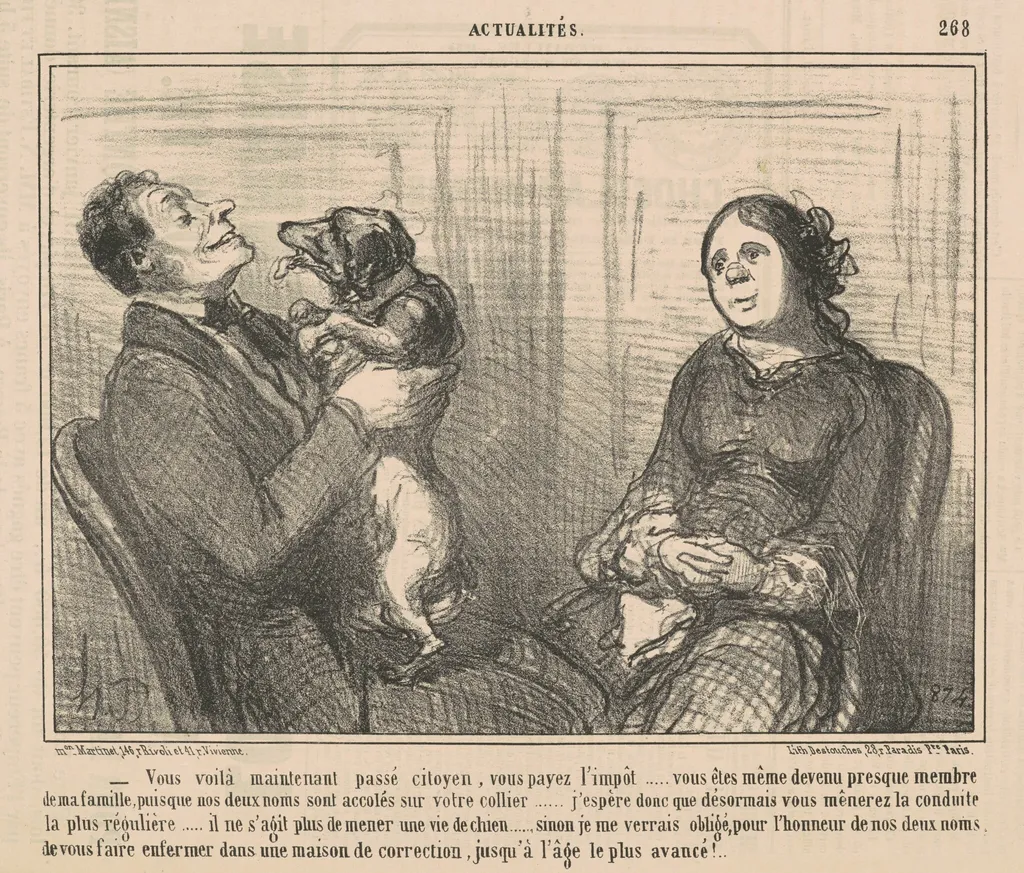
Vous voila maintenant passe citoyen is an ink print by the Impressionist artist Honoré Daumier. It dates from 1856 and is held in the collection of the National Gallery of Art.
About this work
Overview
Honoré Daumier’s lithograph *Vous voila maintenant passe citoyen* depicts a quiet domestic interior where a man and a woman sit side by side. The composition is simple, centering the pair in a modest space that emphasizes their relaxed proximity and the everyday nature of the scene.
Subject & Meaning
The male figure holds a small dog on his lap, smiling affectionately toward the animal, while the female figure, dressed in a bonnet and shawl, rests her hands calmly in her lap. Their gentle interaction suggests a moment of private intimacy, highlighting ordinary affection within a bourgeois setting.
Technique & Style
Executed in lithography, the work relies on the fluid, tonal qualities of the stone‑based print process. Daumier’s handling of line and shading creates a soft, almost tactile atmosphere, allowing subtle facial expressions and the texture of the woman’s clothing to emerge with clarity.
History & Provenance
Created during Daumier’s prolific period of printmaking in the mid‑19th century, the lithograph was circulated among the artist’s contemporaries as part of his broader commentary on everyday life. Its provenance traces through several private collections before entering public holdings, where it remains a representative example of his print oeuvre.
Context
The work reflects the social climate of post‑Revolutionary France, where the notion of the “citizen” was being redefined. By portraying a modest, affectionate domestic scene, Daumier subtly engages with contemporary ideas of civic identity and the private sphere.
Artist & collection

Artist
Honoré-Victorin Daumier was a French painter, sculptor, and printmaker, whose many works offer commentary on the social and political life in France, from the Revolution of 1830 to the fall of the Second French Empire in 1870.









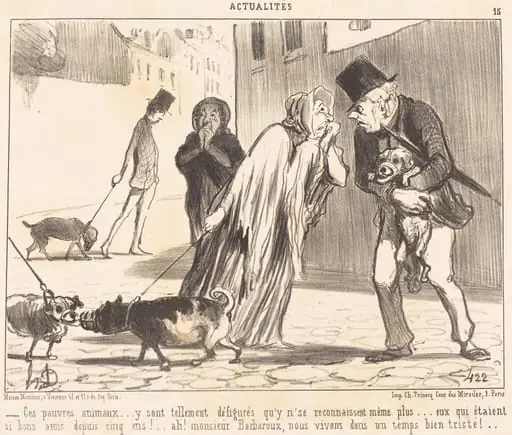 Ces pauvres animaux... n'se reconnaissent... plus...
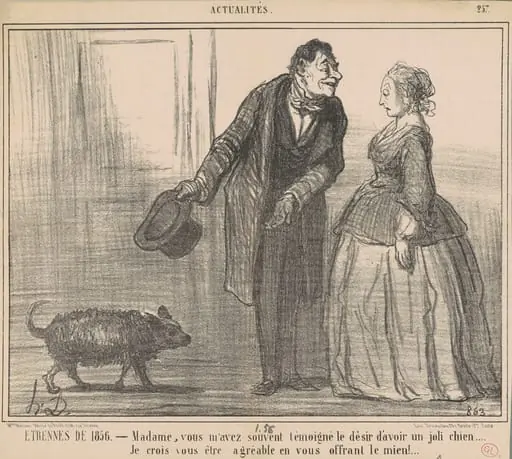 Etrennes de 1856 ...
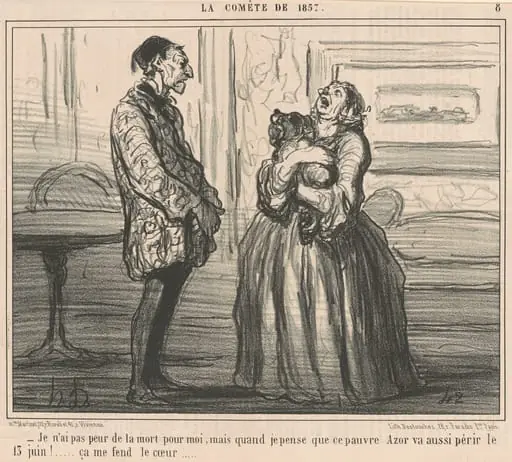 Je n'ai pas peur de la mort pour moi ...
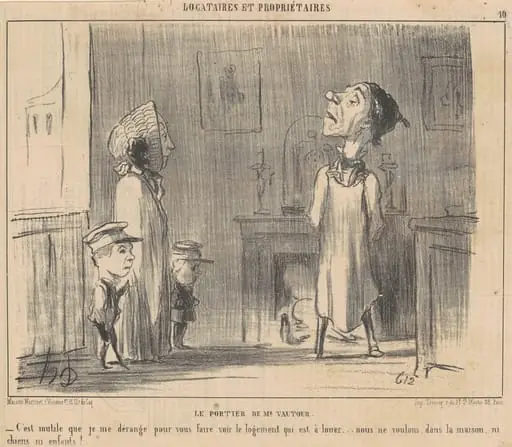 Le portier de Mr Vautour
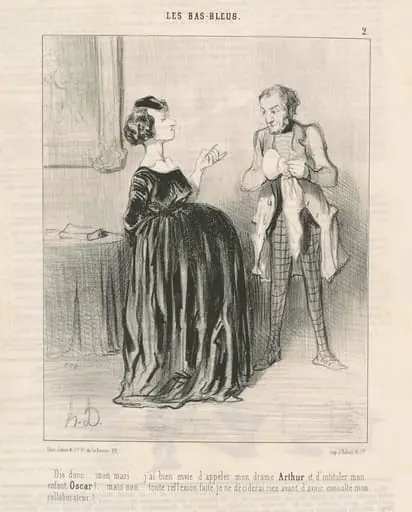 Dis donc ... mon mari ...j'ai bien envie d'appeler mon drama ...
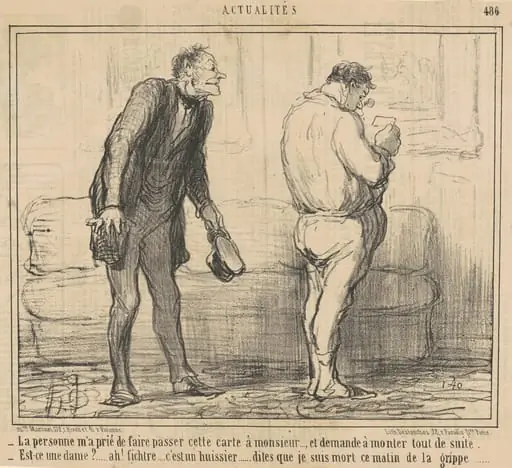 La personne ... demande a monter tout de suite ...
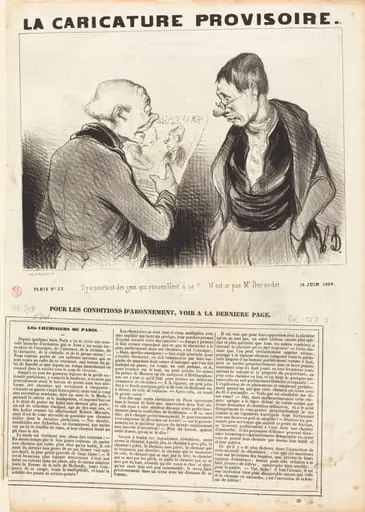 Il y a pourtant des gens qui ressemblent a ça!
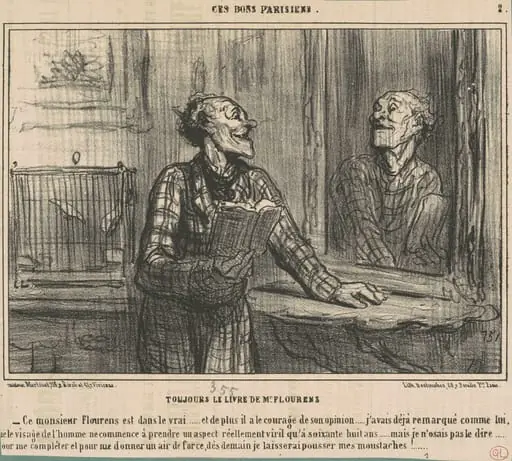 Toujours le livre de M. Flourens
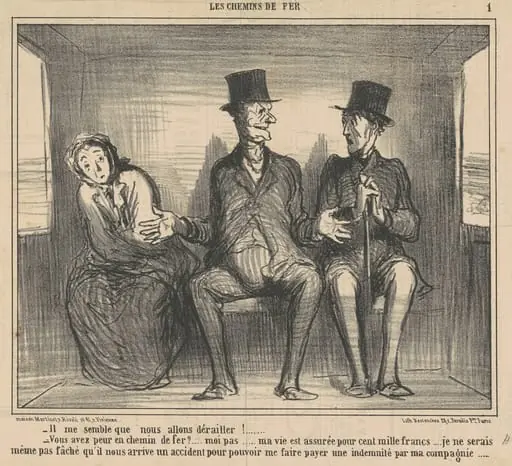 Il me semble que nous allons dèrailler ...
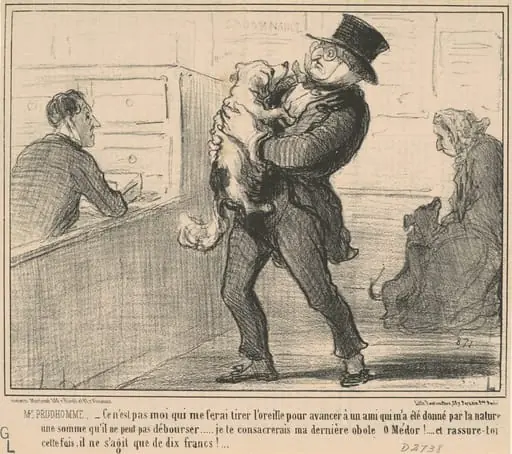 Mr Prudhomme...ce n'est pas moi qui me ferai ...