Artwork
Portrait of Anthony de Wale (1573-1639)
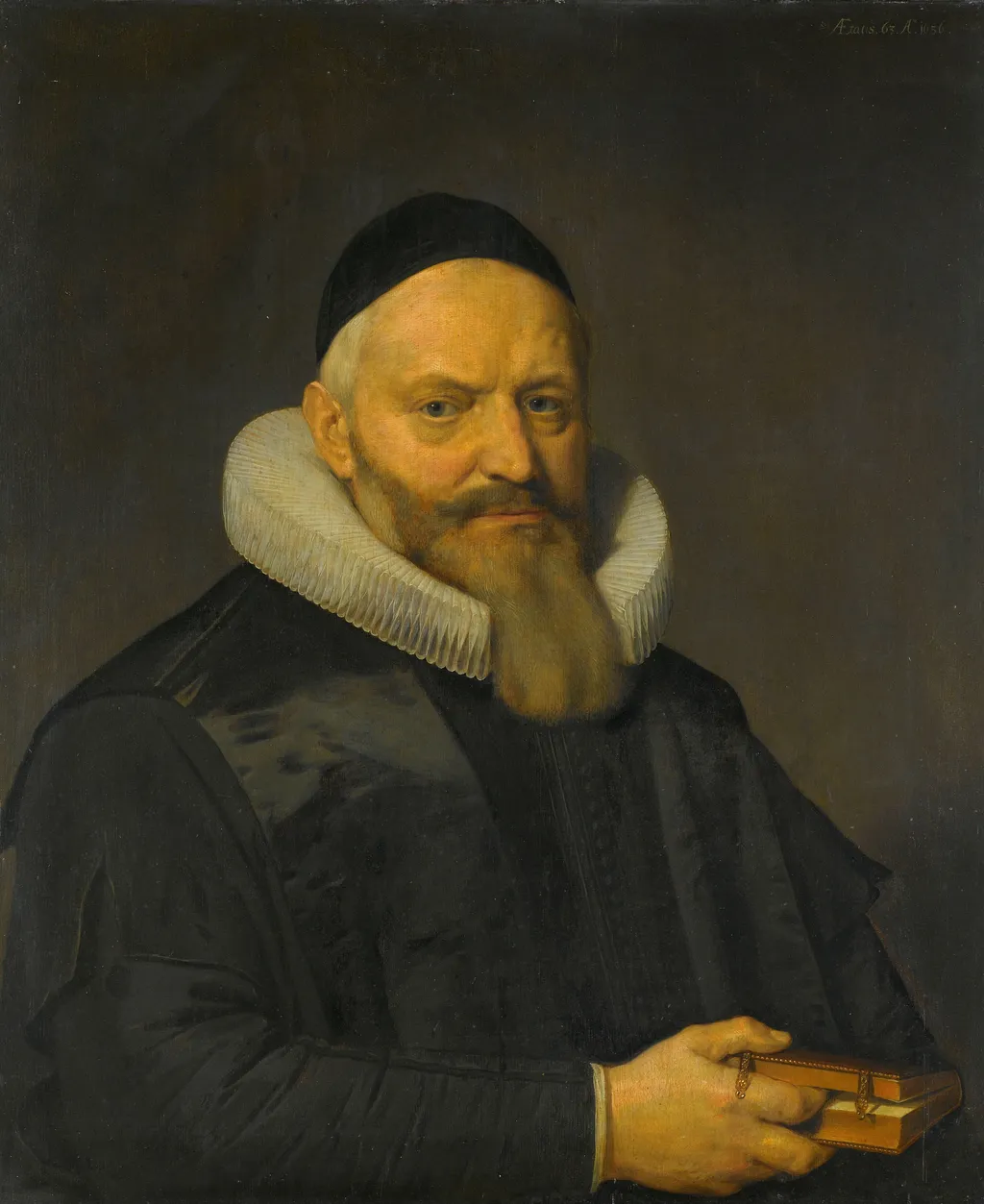
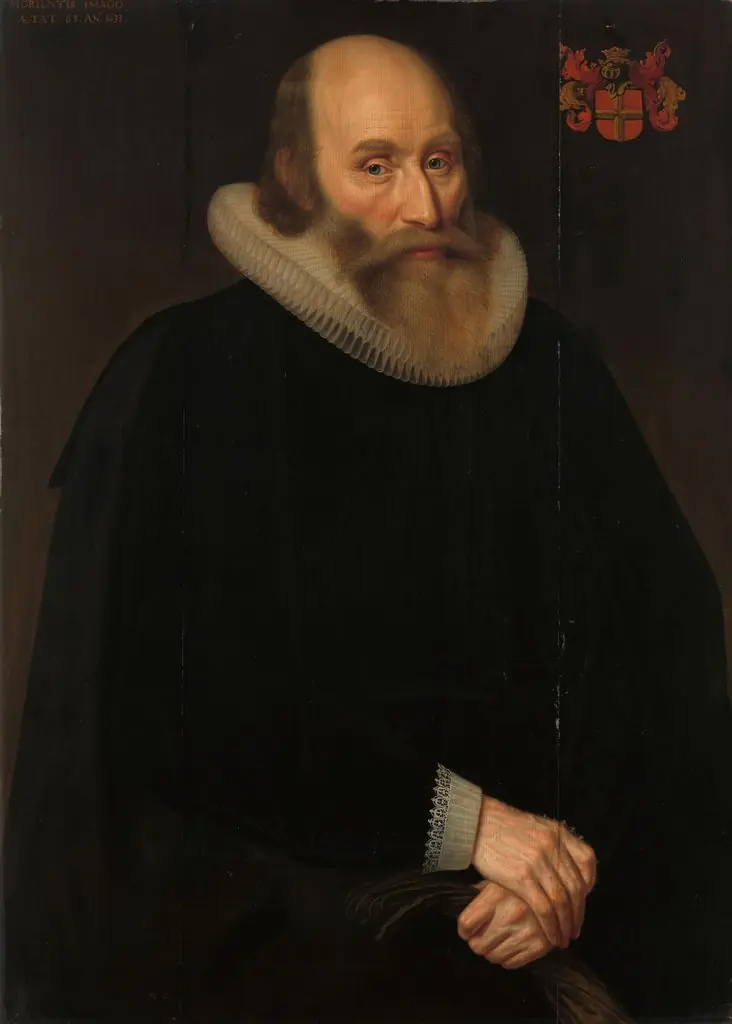
Portrait of Anthony de Wale (1573-1639) is an oil painting by the Dutch Golden Age artist David Bailly. It dates from 1636 and is held in the collection of the Rijksmuseum.
About this work
Overview
David Bailly’s 1636 oil painting presents Anthony de Wale, a man in his sixties, seated against a dark backdrop. The portrait captures de Wale’s dignified bearing, highlighted by a stark contrast between the illuminated white beard and the somber tones of his attire.
Subject & Meaning
De Wale is depicted wearing a black robe trimmed with a prominent white collar, suggesting a position of respect or clerical affiliation. His calm, contemplative expression, combined with the modest pose, conveys a sense of personal gravitas and introspection.
Technique & Style
Bailly employs chiaroscuro, allowing light to define the texture of the beard, the folds of the robe, and the small wooden box held in the sitter’s right hand. The subtle modeling of forms and the restrained palette reflect the Dutch Golden Age’s emphasis on realism and controlled composition.
History & Provenance
The portrait remains in the Rijksmuseum’s collection, where it is displayed as part of the museum’s representation of 17th‑century Dutch portraiture. Its provenance traces back to the artist’s workshop, where it was likely commissioned shortly after de Wale’s retirement.
Context
Created during a period when Dutch portraiture often highlighted individual status through attire and objects, the inclusion of the wooden box hints at personal belongings or a symbolic token, a common motif in Bailly’s work to suggest the sitter’s private life.
Own this work as a print
Artist & collection
Artist
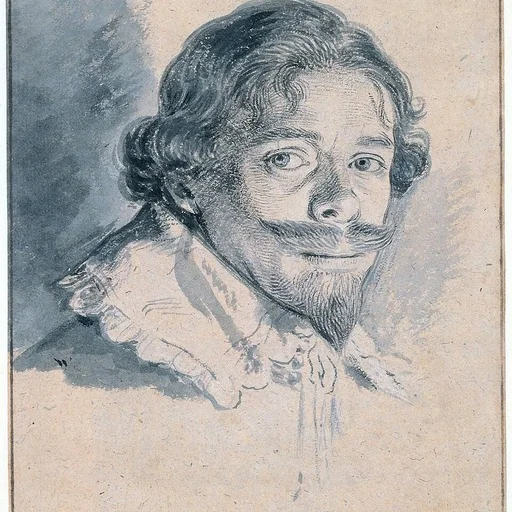
David Bailly (1584–1657) was a Dutch Golden Age artist known for his still-life paintings, portraits, and self-portraits.

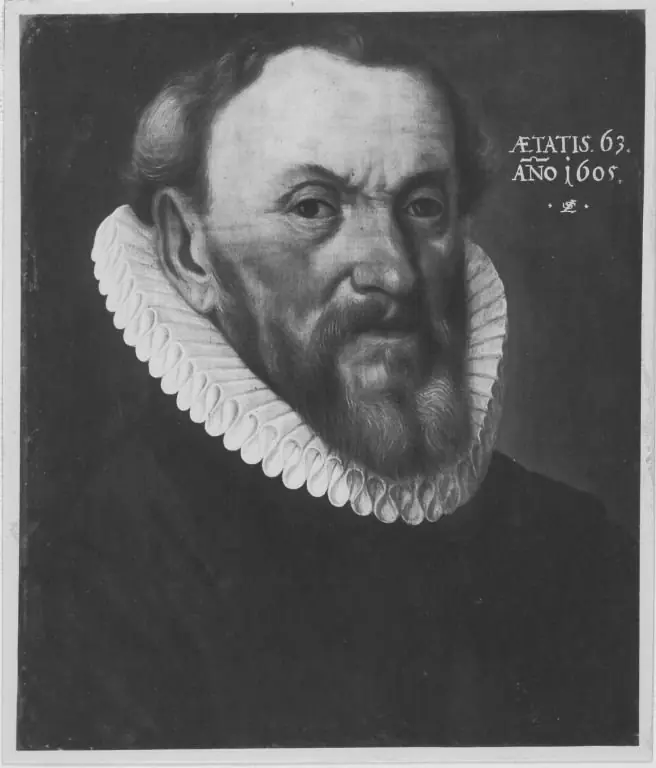 Bildnis eines bärtigen Mannes
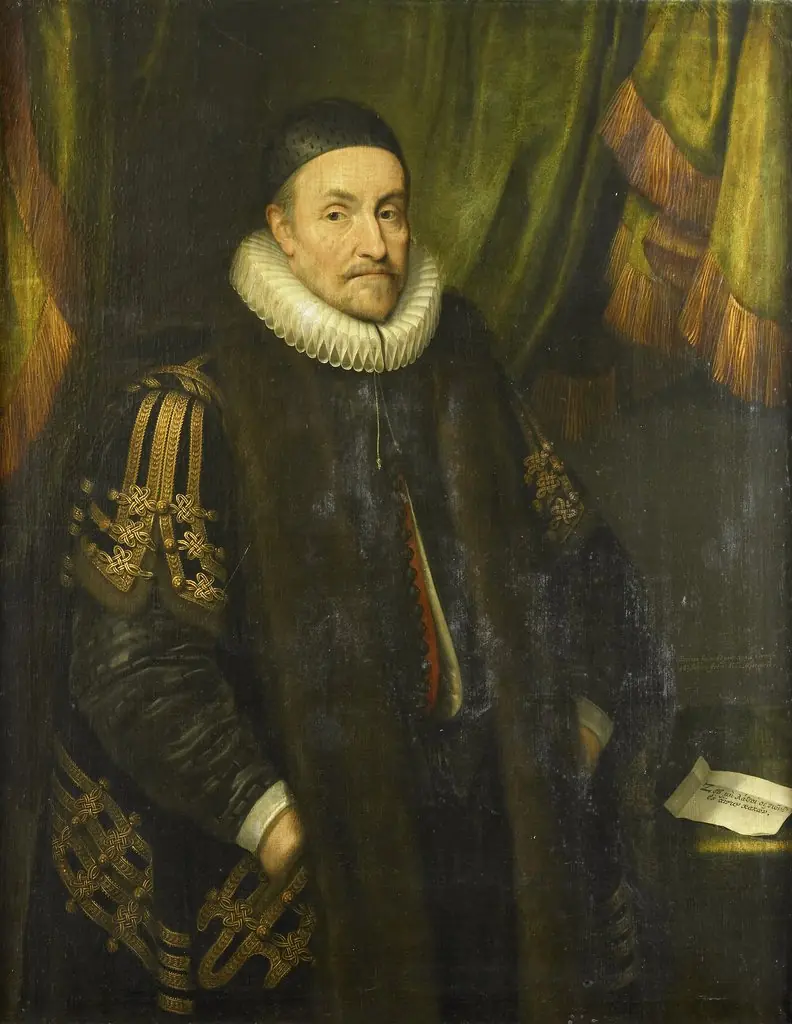 Portrait of Willem I (1533-84), prince of Orange, called William the Silent
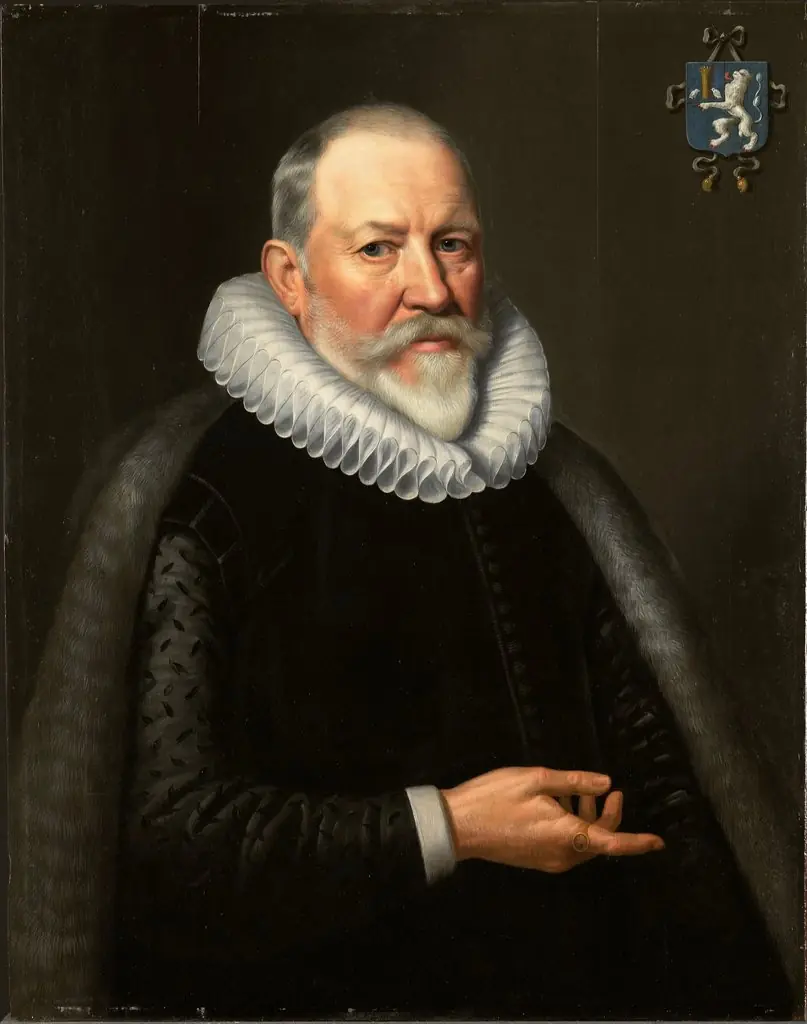 Portrait of Maerten Ruychaver (1545-1626)
 Portrait of Antonides van der Linden (1570-1633), Amsterdam physician
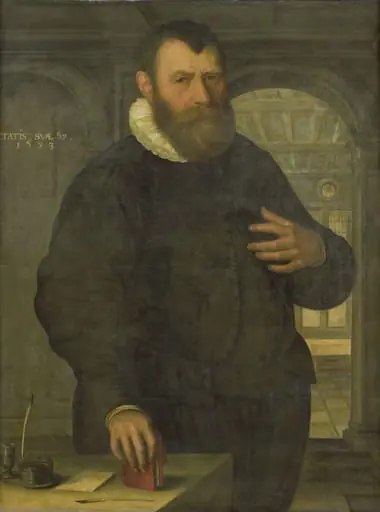 Portrait of Bartholomeus van der Wiere (1534-1603)
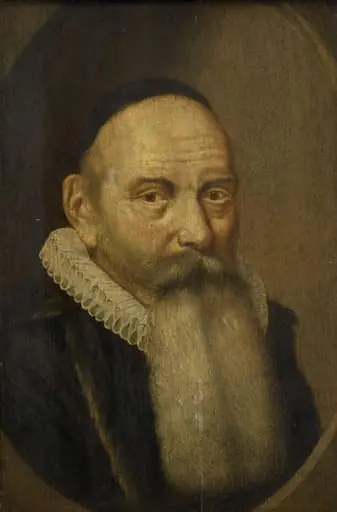 Untitled
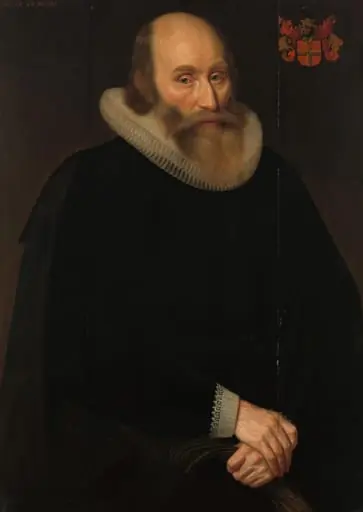 Portrait of Antonius Antonides van der Linden, Physician in Amsterdam
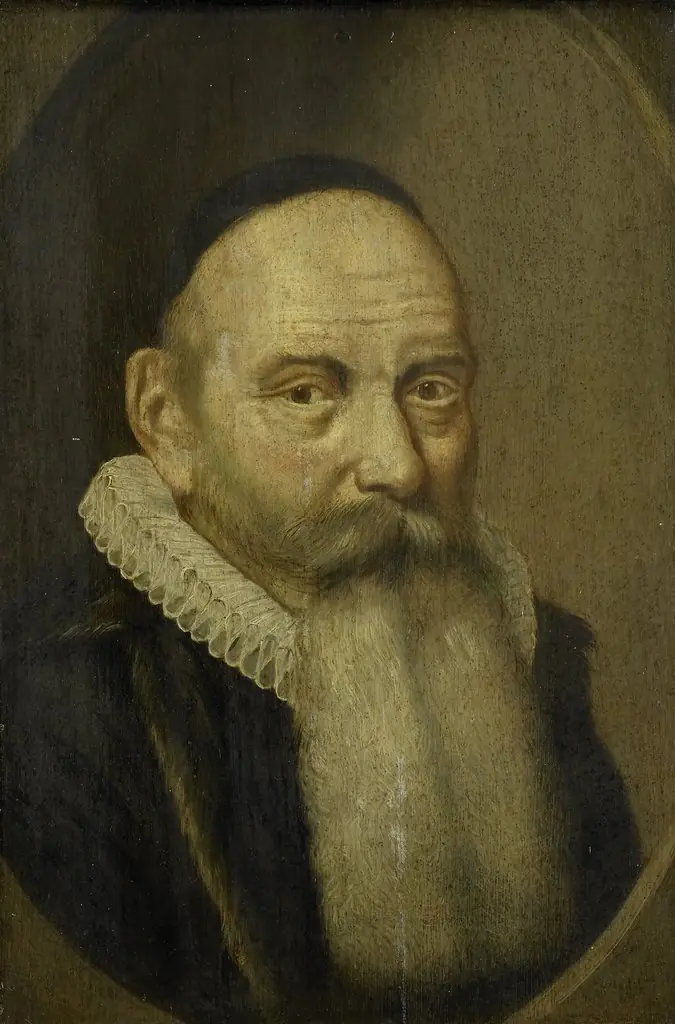 Portrait of Jacobus Rolandus (1562-1632)
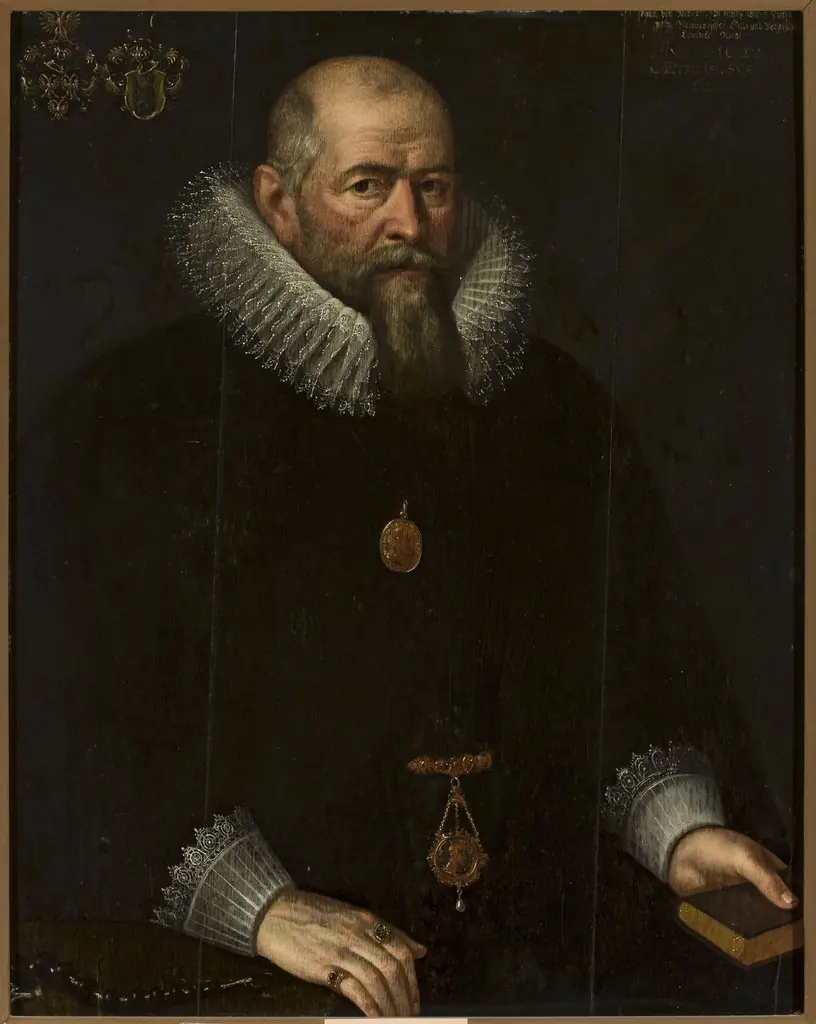 Portrait of Johan von Megen