Artwork
Portrait of Johan von Megen
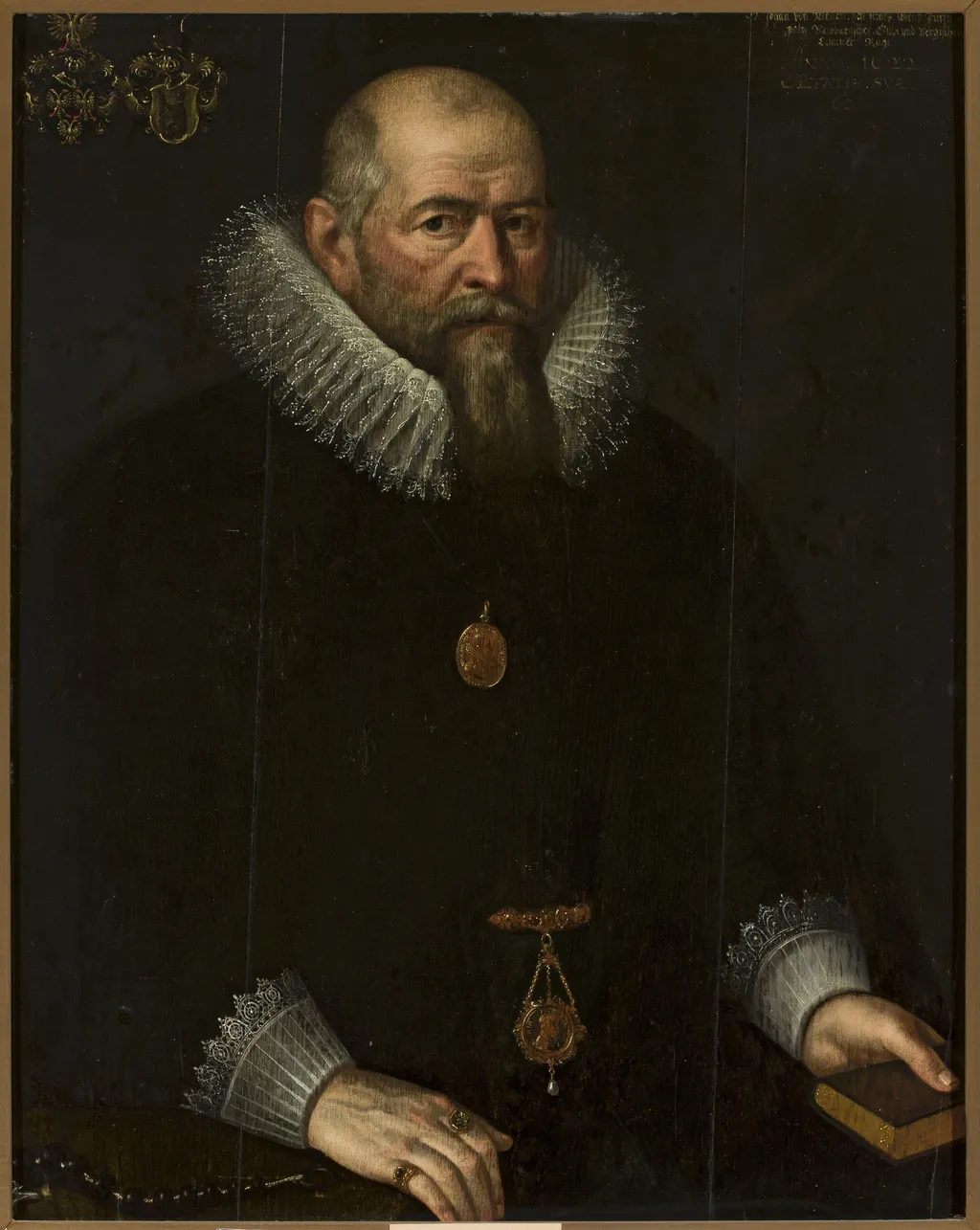
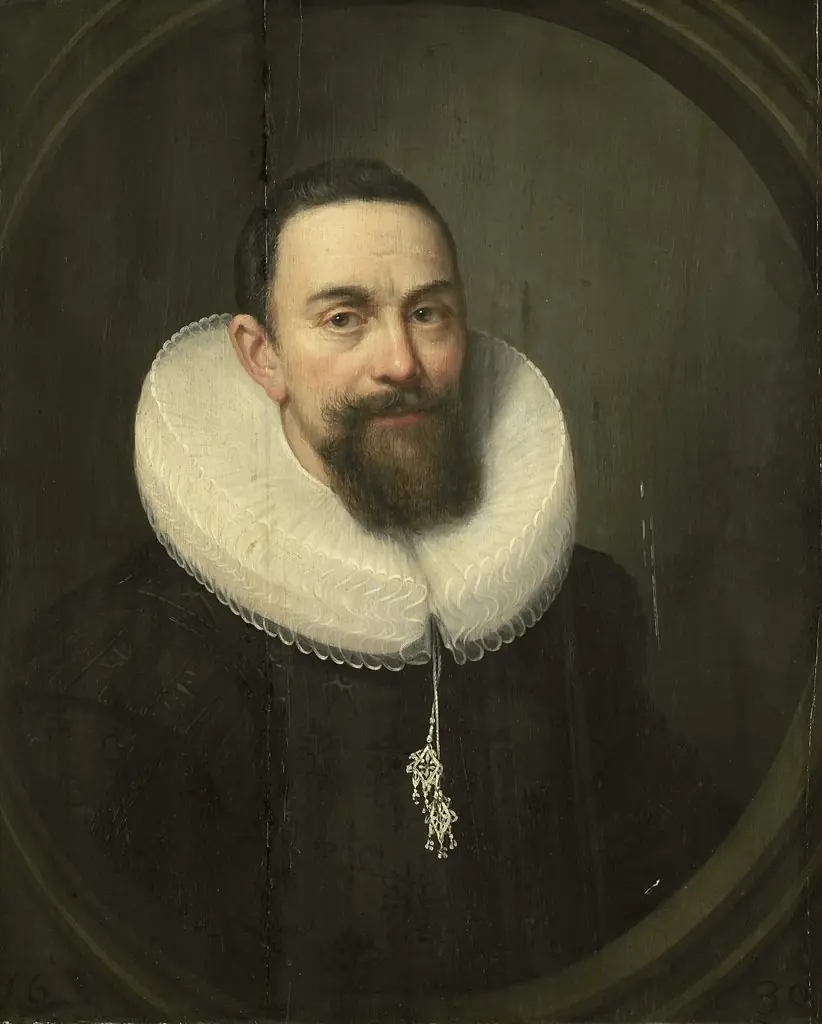
Portrait of Johan von Megen is an oil painting by the Dutch Golden Age artist Unknown. It dates from 1622 and is held in the collection of the National Museum in Warsaw. This oil painting depicts a man of apparent stature, rendered with focused realism and minimal background distraction.
About this work
Overview
This oil painting depicts a man of apparent stature, rendered with focused realism and minimal background distraction. His stern expression and formal attire suggest a position of authority or civic responsibility. The composition isolates the figure against a dark void, emphasizing his presence through contrast and careful lighting rather than contextual detail.
Subject & Meaning
The subject, Johan von Megen, is presented with dignity and restraint. His long white beard, lace-trimmed high collar, and gold chain with pendant indicate status, possibly tied to military, administrative, or noble rank. The small object in his left hand—perhaps a seal or document—hints at duties or responsibilities, reinforcing his identity as a figure of institutional importance.
Technique & Style
The restrained palette and precise handling reflect a Northern European tradition of portraiture grounded in observation rather than embellishment.
The artist employs chiaroscuro to model the face and clothing, using sharp contrasts between light and shadow to define form. The dark background enhances the three-dimensionality of the figure, while fine brushwork captures the texture of lace and the sheen of metal. The restrained palette and precise handling reflect a Northern European tradition of portraiture grounded in observation rather than embellishment.
History & Provenance
The painting is attributed to a 17th-century Dutch or German artist, likely commissioned by or for Johan von Megen himself. Its survival suggests it remained in private hands, possibly within the family or a regional institution. No public record of early exhibitions or major collections is documented, indicating a relatively localized history of ownership.
Context
During the mid-1600s, portraiture in Northern Europe often served to affirm social standing through clothing, posture, and symbolic objects. Unlike grand court portraits, this work avoids ostentation, favoring quiet authority. Such images were common among burghers, officers, and officials who valued discretion and competence over flamboyance.
Legacy
The painting exemplifies a quiet, introspective strain in early modern portraiture. While not widely reproduced or studied, it contributes to the understanding of how non-royal elites expressed identity through visual culture. Its emphasis on psychological presence over narrative context aligns it with broader trends in Dutch and German civic portraiture of the period.
Artist & collection

 Domestic Scene
 Giacomo and Cardinal Marco, investing Andrea, Abbot of San Zeno, with his Benefice
 The Nymph of Fontainebleau
 Portrait of a Woman
 Madonna and Child with Saints in the Enclosed Garden
 Venus and Minerva
 Family Group of Four on Sofa
 Wall painting from Room H of the Villa of P. Fannius Synistor at Boscoreale
 Portrait of Maerten Ruychaver (1545-1626)
 Untitled
 Portrait of Maerten Ruychaver, Burgomaster of Haarlem
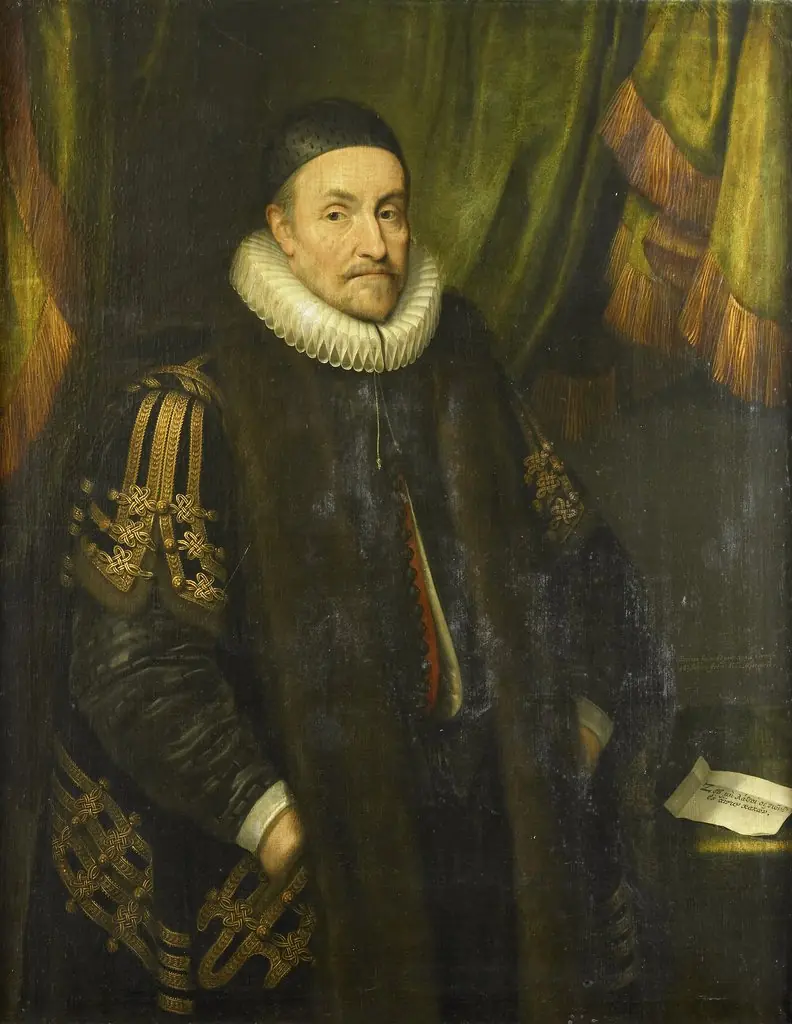 Portrait of Willem I (1533-84), prince of Orange, called William the Silent
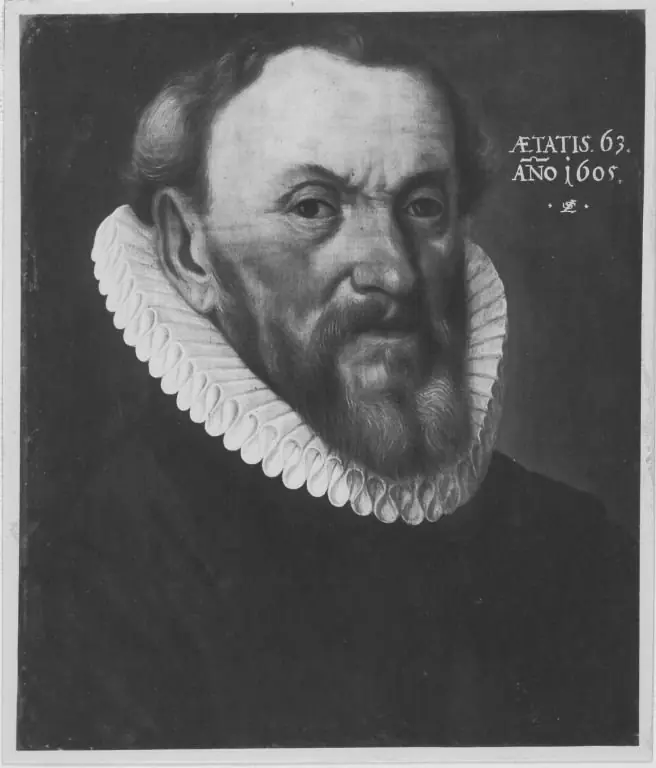 Bildnis eines bärtigen Mannes
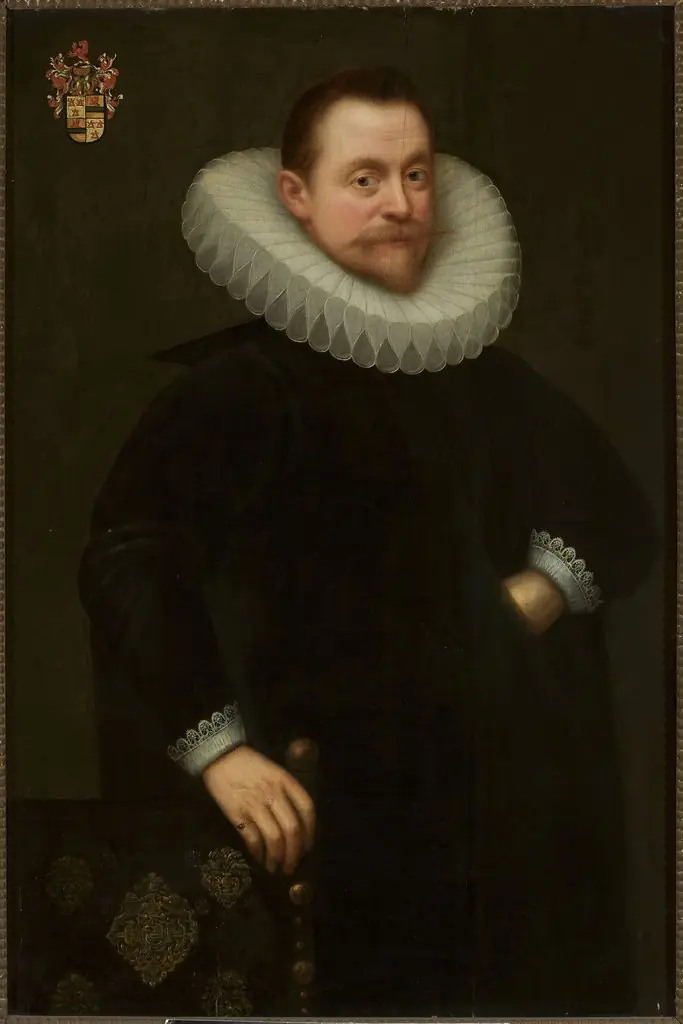 Portrait of Jacques du Mont
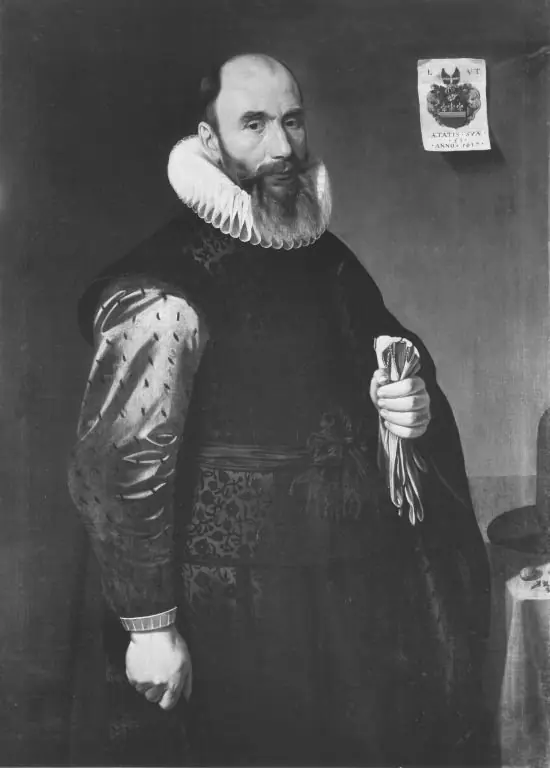 Portrait of Lambert van Twenhuysen (....-1627)
 Portrait of a Man
 Simon Thelwall
 Portrait of pastor Daniel Tanner (1581–1646)
 Portrait of a Man
 Portrait of Sir Pieter Courten (1581-1630)