Artwork
Glen Callater, Aberdeenshire
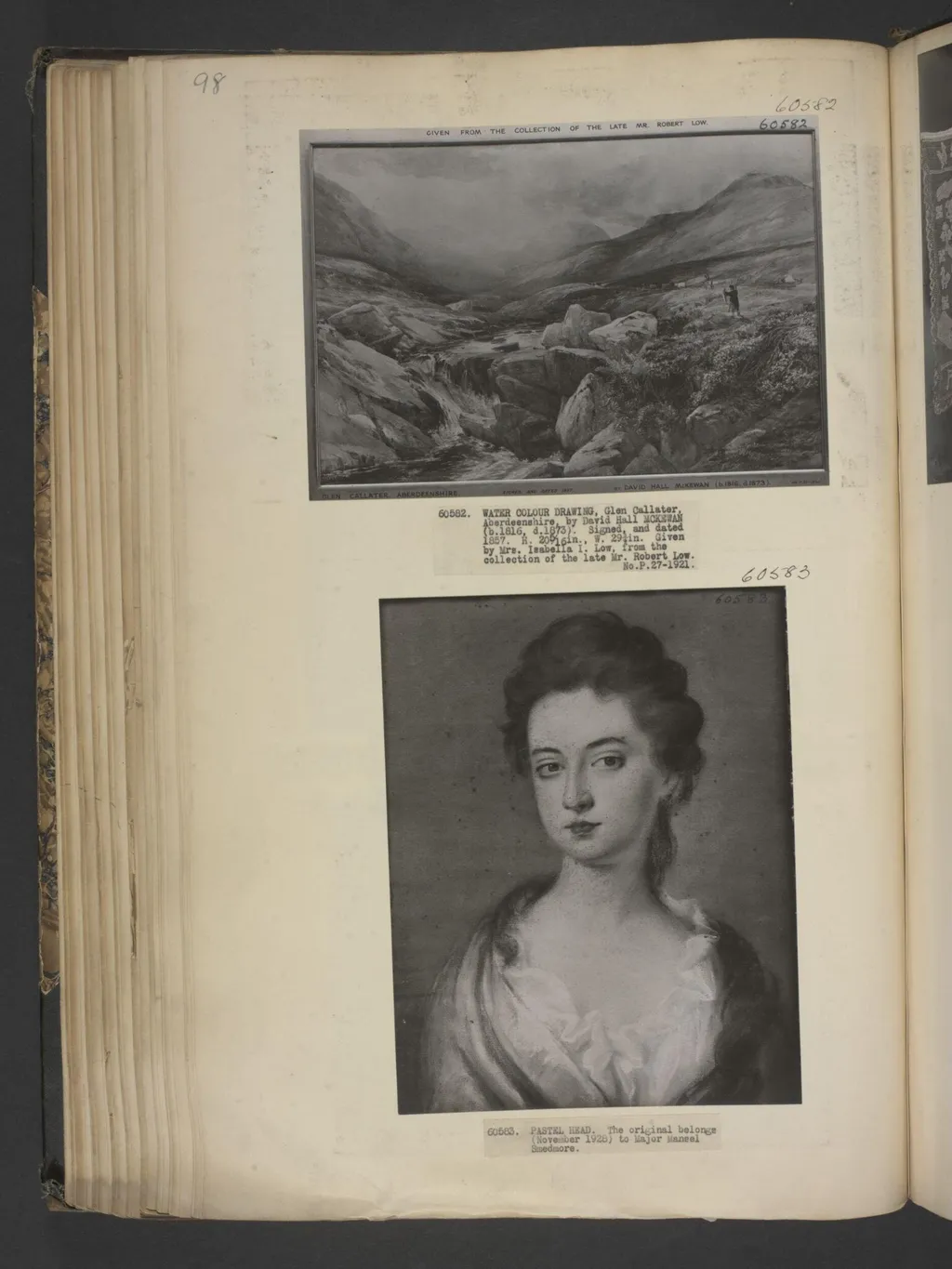
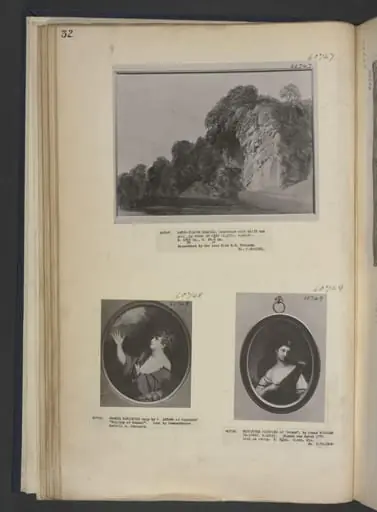
Glen Callater, Aberdeenshire is a watercolor work on paper by the Impressionist artist David Hall McKewan. It dates from 1857 and is held in the collection of the Victoria and Albert Museum.
About this work
Overview
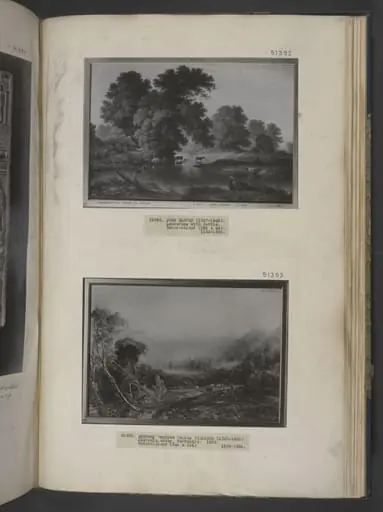
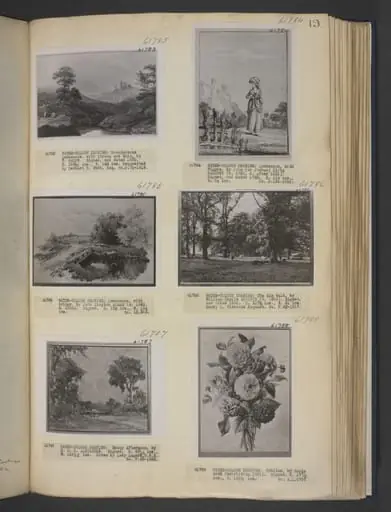
Painted in 1857 by David Hall McKewan, this watercolour captures Glen Callater in Aberdeenshire with quiet precision. The work is signed, dated, and titled by the artist, affirming its authenticity. Rendered in delicate washes, the piece conveys a serene, atmospheric valley under a soft, overcast sky, emphasizing stillness over drama.
Subject & Meaning
The scene depicts a secluded Highland glen, its quietude underscored by the presence of two small figures near a narrow stream. Their scale emphasizes the immensity of the landscape, suggesting human modesty within nature’s expanse. No narrative is offered—only a contemplative observation of place, aligned with 19th-century ideals of natural observation.
Technique & Style
McKewan employed translucent watercolour washes to build subtle tonal gradations, favoring cool grays and pale blues to evoke mist and damp air. Darker pigments define rock formations, creating contrast that enhances spatial depth. The delicate handling of light and texture invites close viewing, revealing the artist’s control over the medium’s inherent transparency.
History & Provenance
The work remains in private hands, with no documented public exhibition history prior to its inclusion in scholarly surveys of Scottish watercolour. Its inscription and condition suggest it was preserved as a personal record, likely created during the artist’s travels in northeastern Scotland.
Context
McKewan worked during a period when topographical watercolours gained popularity among amateur and professional artists alike. His approach reflects the influence of the Scottish landscape tradition, where accuracy and mood were balanced to document terrain while evoking its emotional resonance.
Legacy
Though not widely exhibited, McKewan’s Glen Callater exemplifies the quiet discipline of mid-19th-century British watercolour. It contributes to a broader archive of Scottish topography, valued for its restraint and sensitivity rather than its public prominence.
Artist & collection