Artwork
Two Greek Vases
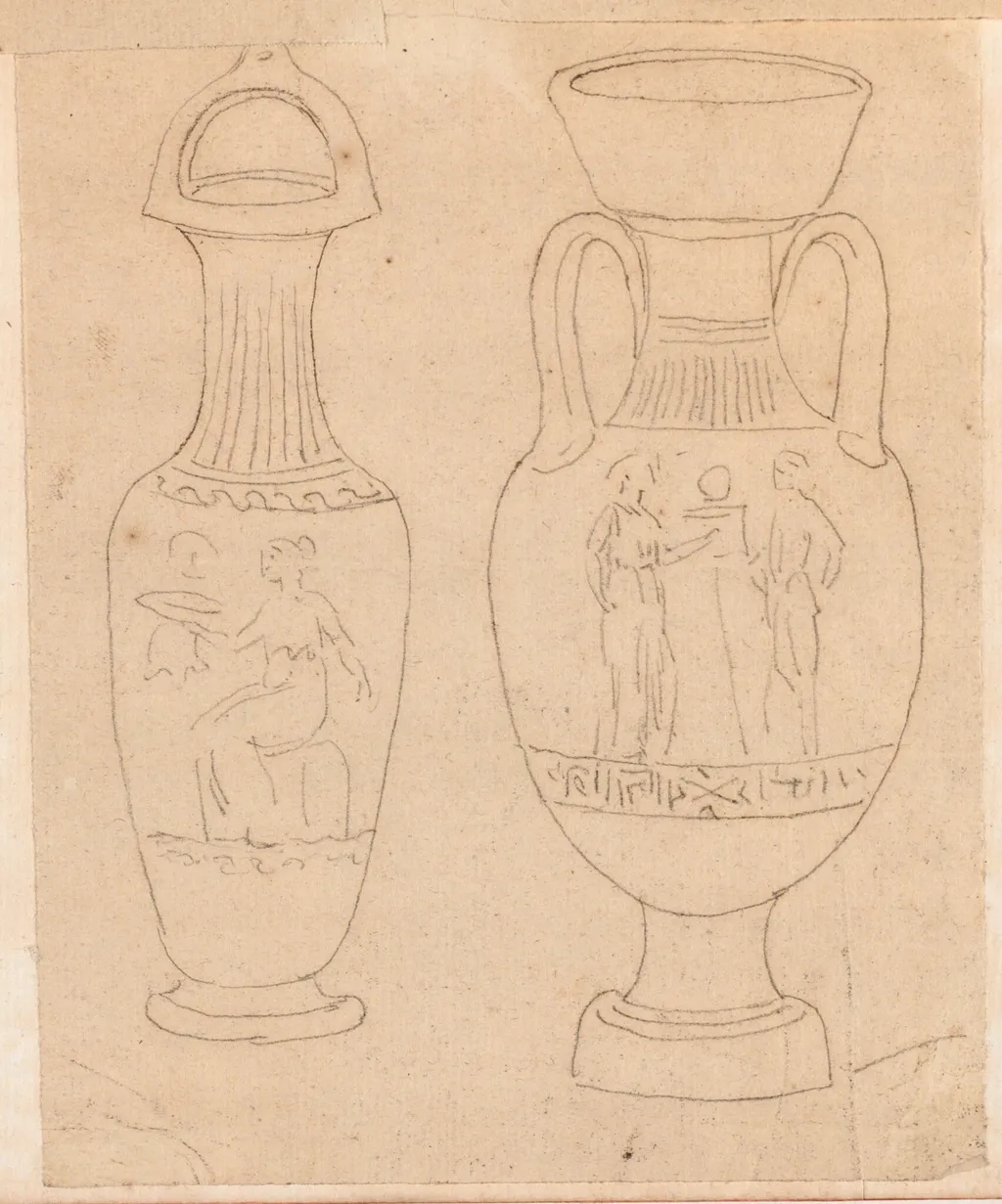
Two Greek Vases is an oil drawing by the Neoclassicist artist Jacques-Louis David. It dates from 1778 and is held in the collection of the National Gallery of Art.
About this work
Overview
The artist used direct observation and tracing to analyze classical forms, reflecting his early commitment to rigorous visual training.
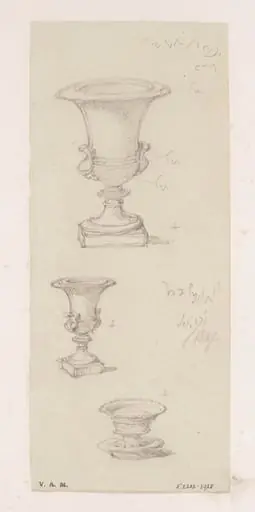
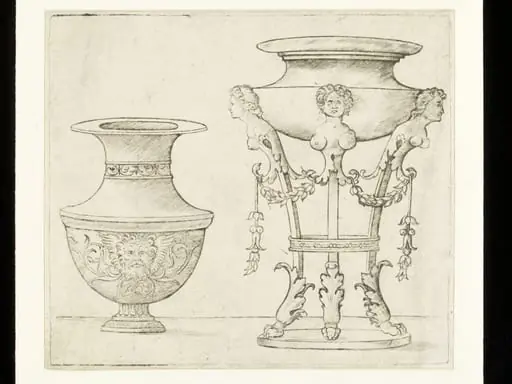
Two Greek Vases is a drawing executed in 1778 by Jacques-Louis David using transfer tracing on oiled laid paper. It depicts two ancient Greek vessels arranged side by side on a plain shelf. Unlike his later historical paintings, this work is a preparatory study, not a finished composition. The artist used direct observation and tracing to analyze classical forms, reflecting his early commitment to rigorous visual training.
Subject & Meaning
The two vases, each with scroll-shaped handles, are rendered without ornamentation or narrative. Their simplicity emphasizes form over decoration, aligning with David’s interest in classical antiquity as a model for artistic discipline. The absence of context or color directs attention to proportion, silhouette, and structural harmony—qualities he sought to internalize for future work.
Technique & Style
David employed transfer tracing from actual vases onto oiled paper, a method allowing precise replication of contours. The lines are sharp and deliberate, while subtle shading around the bases and handles suggests volume without modeling. The technique prioritizes accuracy over expression, revealing a methodical approach to studying ancient objects through direct transcription.
History & Provenance
Created during David’s formative years in Rome, this drawing belongs to a series of studies he made while immersed in classical art. It predates his major historical paintings and reflects his time at the French Academy. The work remained in his personal collection, later documented as part of his pedagogical materials, underscoring its role as a teaching tool.
Context
In the 1770s, European artists increasingly turned to antiquity as a source of formal purity. David’s drawings like this one were part of a broader movement to revive classical ideals in art. Unlike decorative antiquarianism, his focus was on structural understanding—studying vases not as curiosities but as templates for disciplined composition.
Legacy
This drawing exemplifies David’s foundational approach to art education: observation, replication, and analysis. It influenced later academic training methods that emphasized drawing from ancient models. Though not exhibited publicly in his lifetime, it remains a key artifact in understanding the discipline behind his mature style.
Artist & collection
Artist
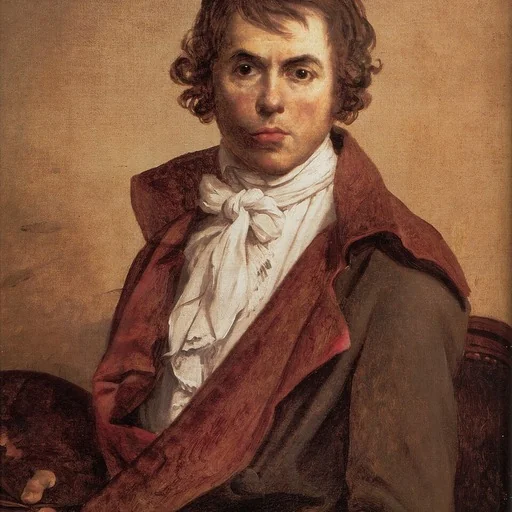
Jacques-Louis David was born in Paris on 30 August 1748 into a bourgeois family; his father died in a duel when the boy was nine, and a maternal uncle guided his education.

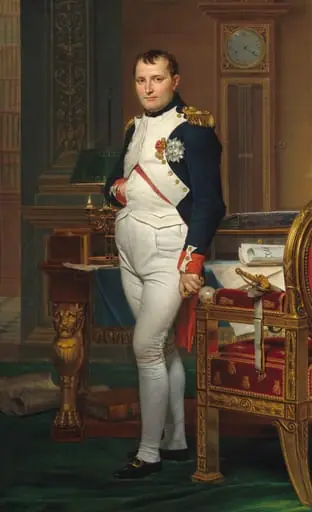 The Emperor Napoleon in His Study at the Tuileries
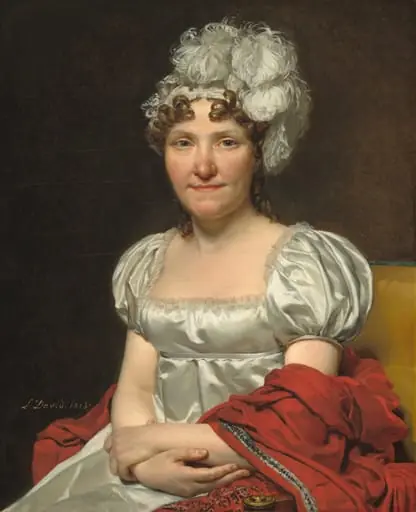 Madame David
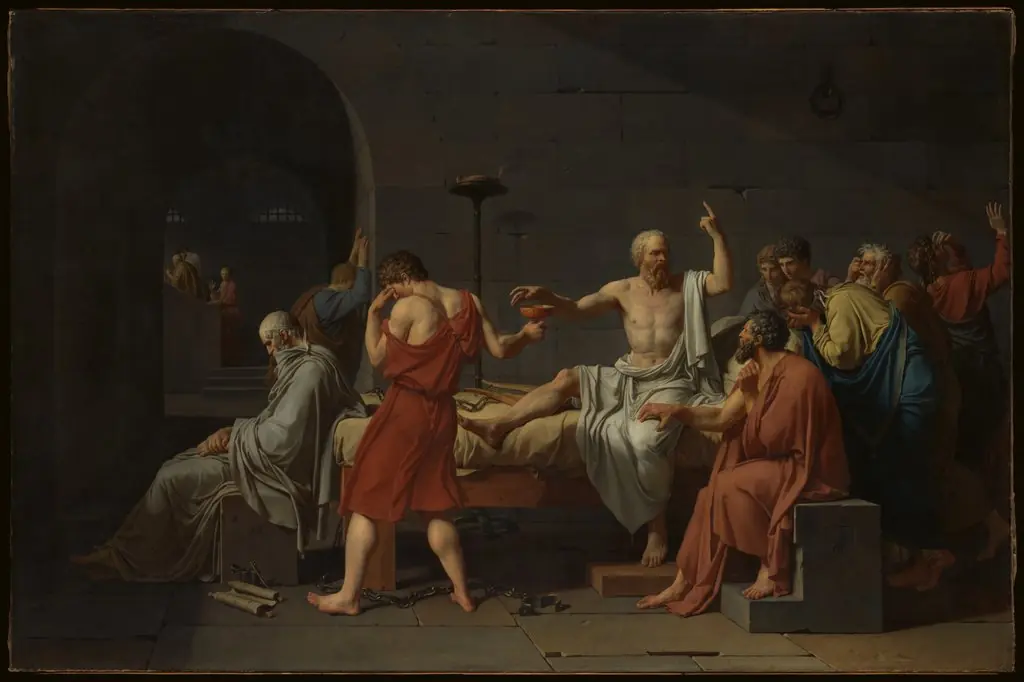 The Death of Socrates
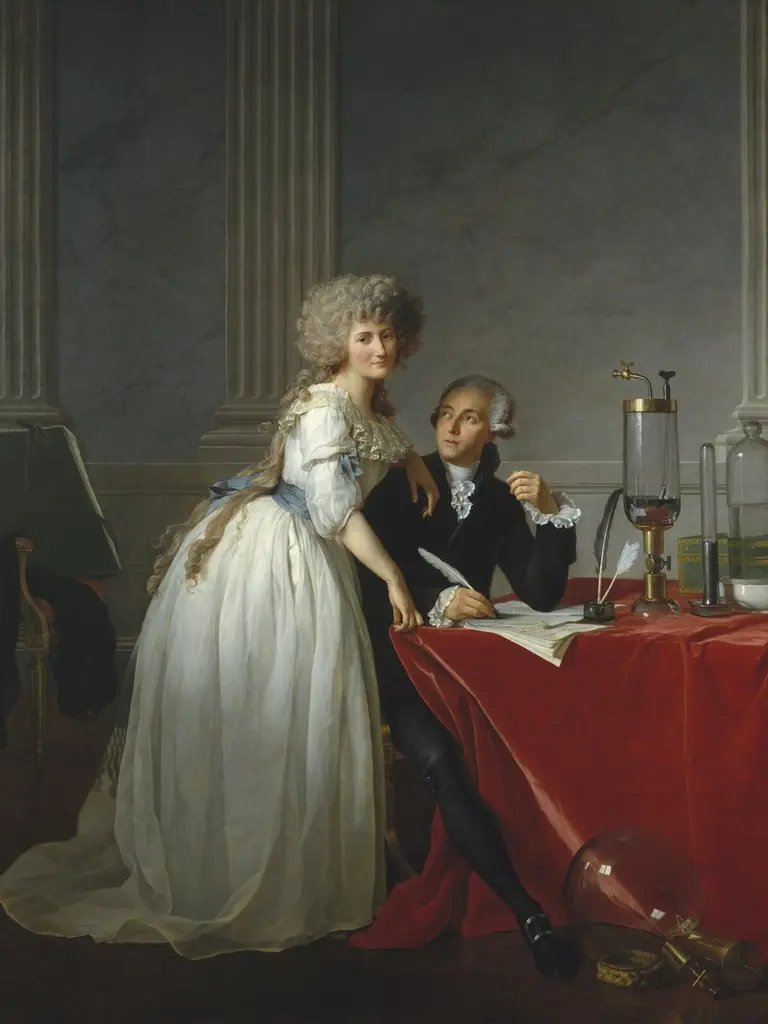 Portrait of Antoine-Laurent Lavoisier and his wife
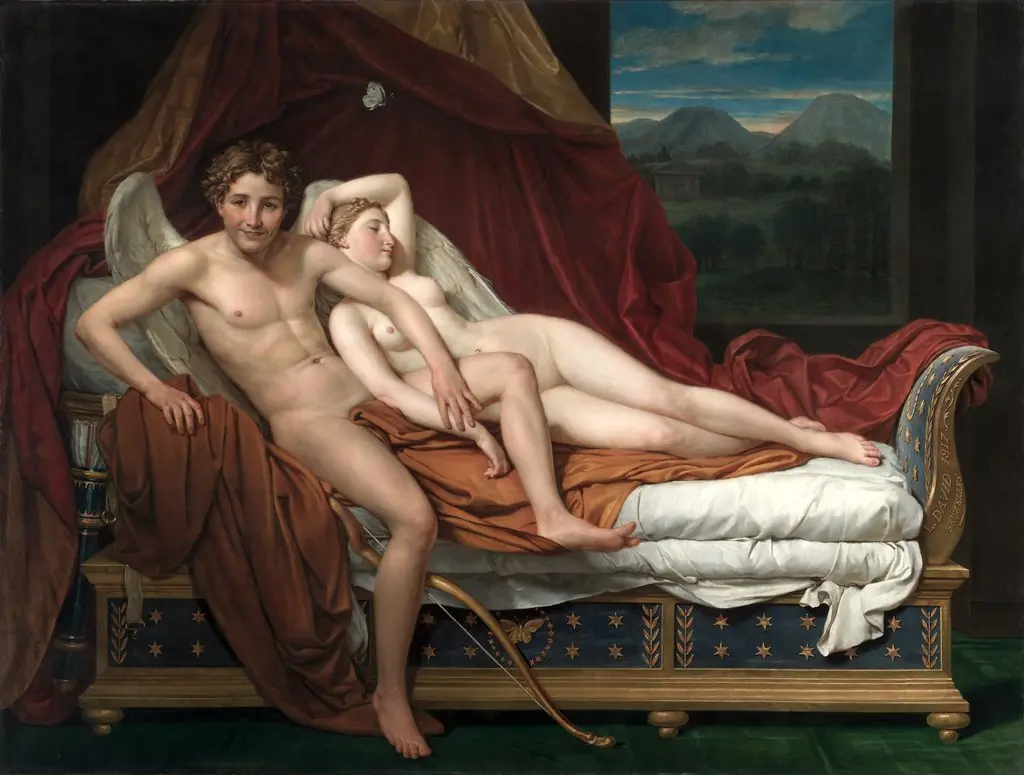 Cupid and Psyche
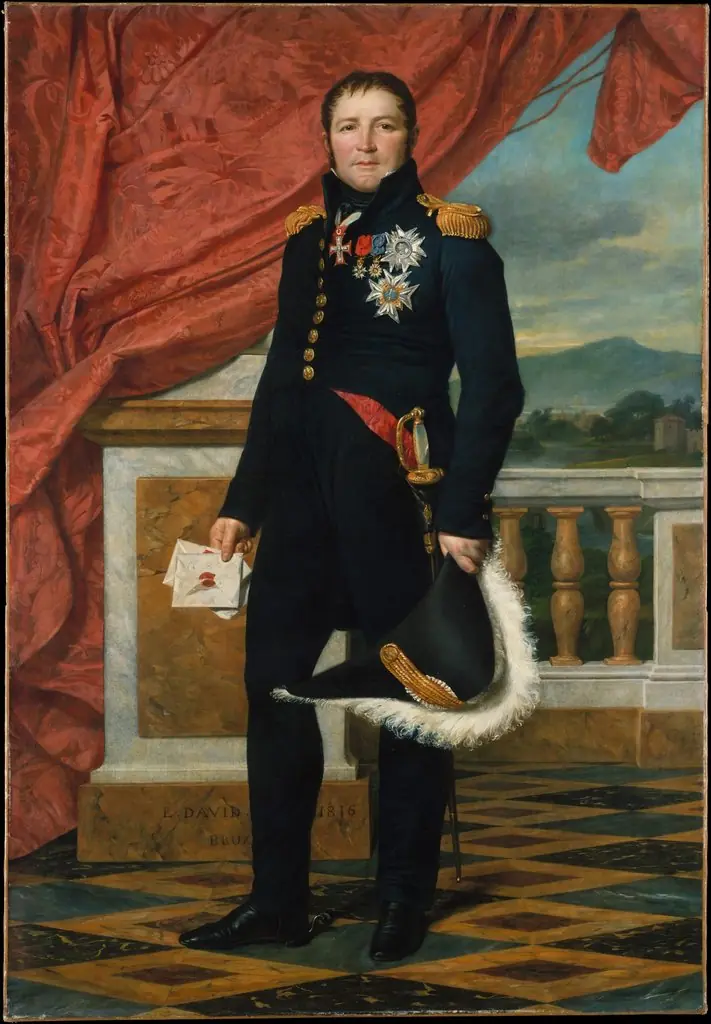 General Étienne-Maurice Gérard (1773–1852), Marshal of France
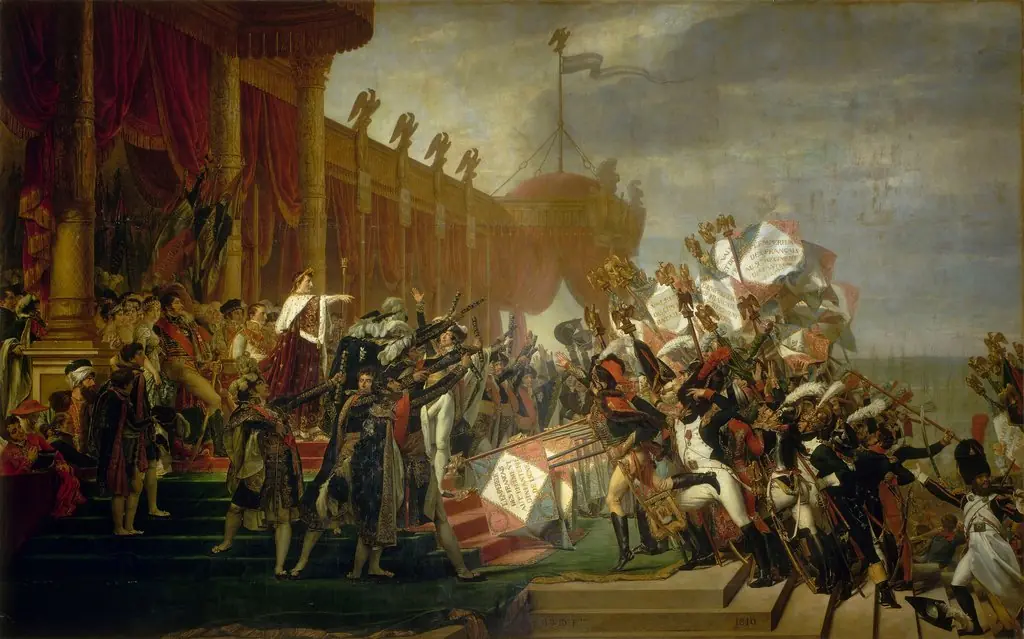 The Distribution of the Eagle Standards
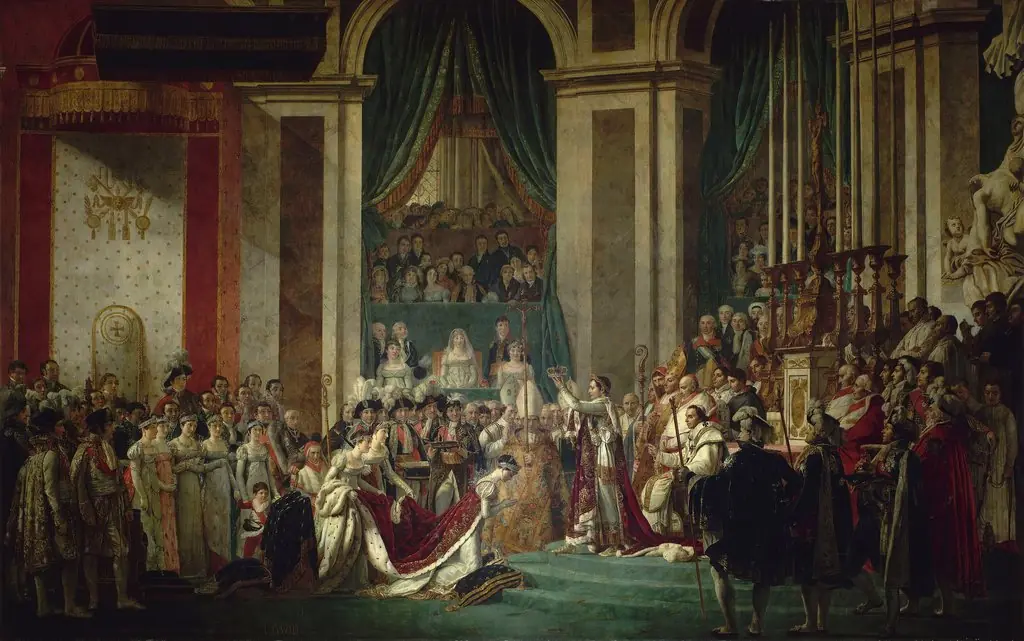 Coronation of Emperor Napoleon I and Coronation of the Empress Josephine
![An Ornate Ewer [recto], by David, Sir Wilkie](https://artifactworldgallery.com/img/david-sir-wilkie--an-ornate-ewer-recto--d9c2dee3024c55f9-w320.webp)