Artwork
Portrait of Grigory Teplov
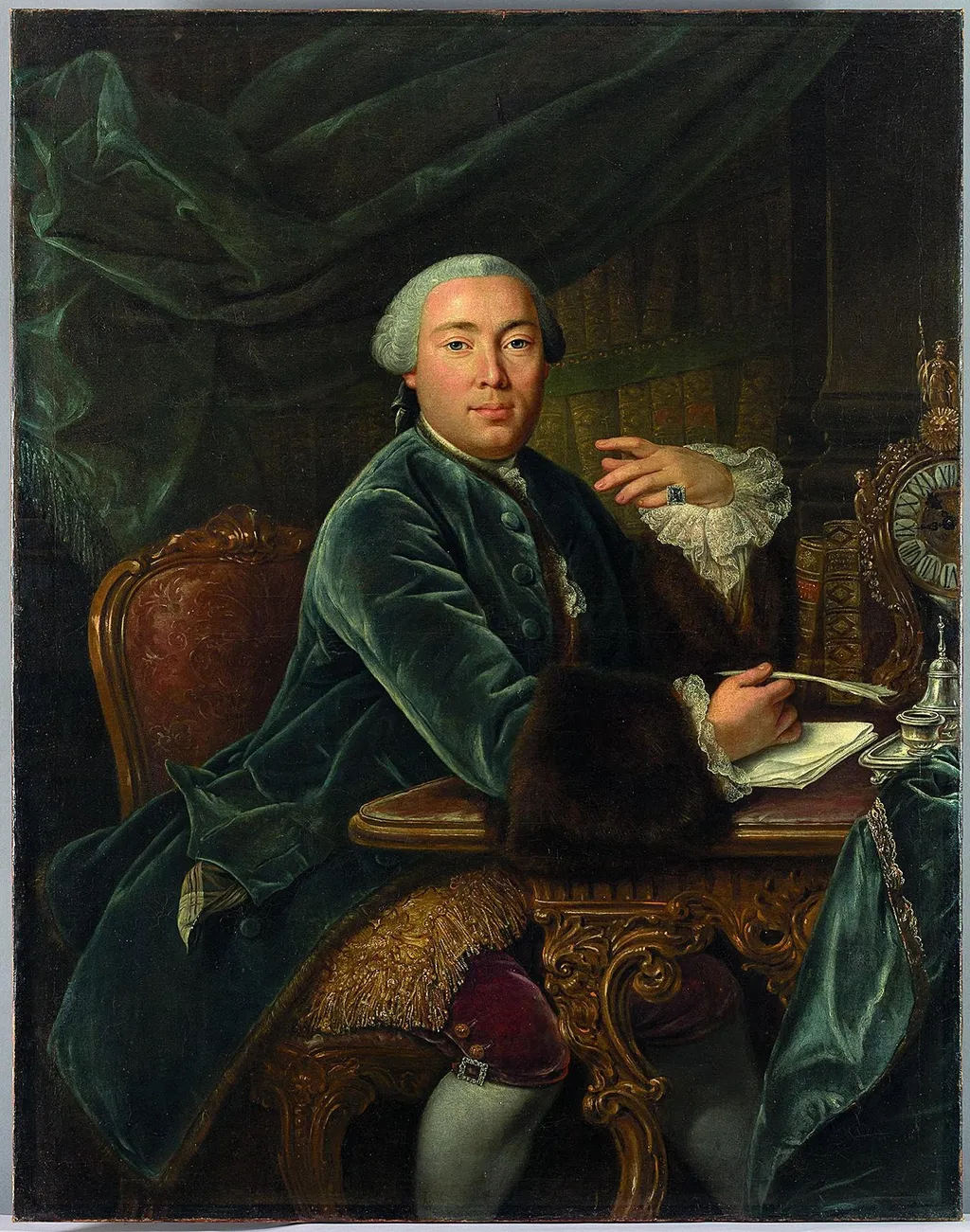
Portrait of Grigory Teplov is an oil painting by the Rococo painting artist David Luders. It dates from 1750 and is held in the collection of the Hermitage Museum.
About this work
Overview
Portrait of Grigory Teplov is an 18th-century oil painting created by David Luders around 1750. The work is part of the collection at the State Hermitage Museum.
Subject & Meaning
The portrait depicts Grigory Teplov, a figure of the time, in a contemplative, possibly intellectual or administrative pose, suggested by the quill, paper, book, and candle. The inclusion of a fancy sword with a distinctive red pommel may indicate his social status or military affiliation.
Technique & Style
Luders employed chiaroscuro, a strong contrast between light and dark, to create a three-dimensional effect, notably in the subject's facial features. The composition balances muted tones with the vibrant red of the sword's pommel, drawing the viewer's eye.
History & Provenance
Created circa 1750, the painting's history prior to its acquisition by the State Hermitage Museum is not detailed here. It is currently housed in the museum's collection.
Context
Painted in the mid-18th century, the work reflects the European portrait tradition of its time, with elements of Baroque influence in its use of lighting and composition. The subject's attire and accessories place him within the upper echelons of 18th-century society.
Legacy
While specific details on the painting's impact or influence are not provided, as part of the State Hermitage Museum's collection, it contributes to the broader understanding and appreciation of 18th-century European portraiture and the artist David Luders.
Artist & collection

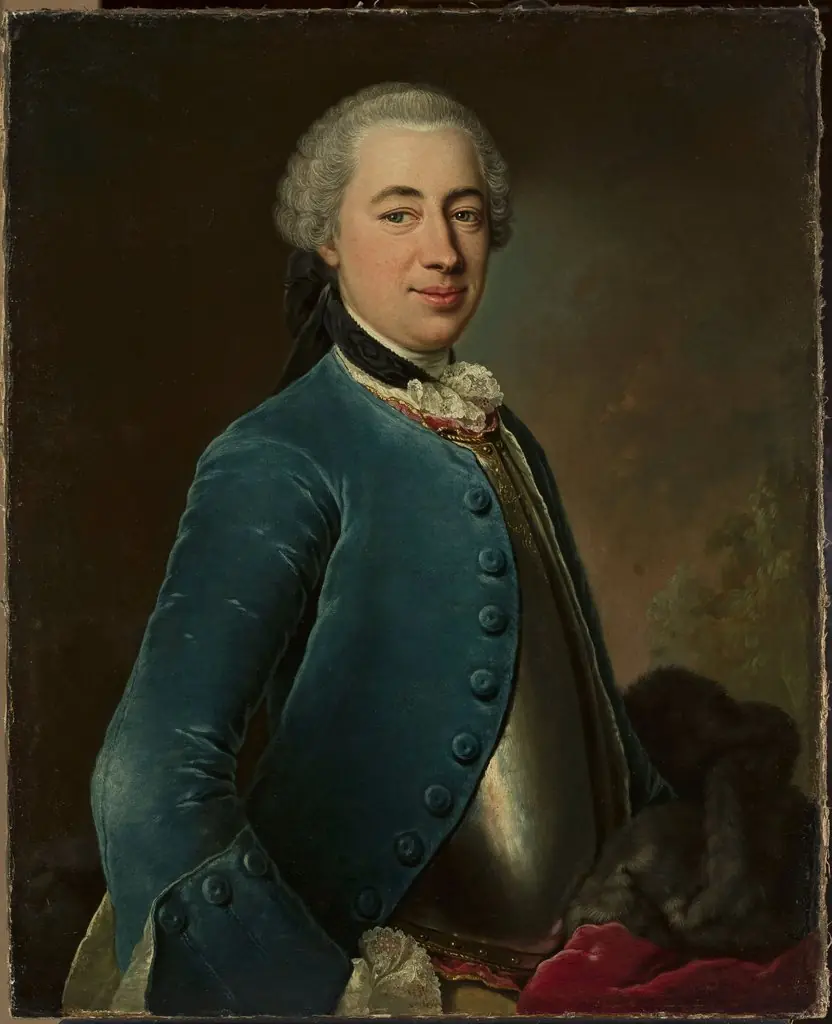 Portrait of a man in armour
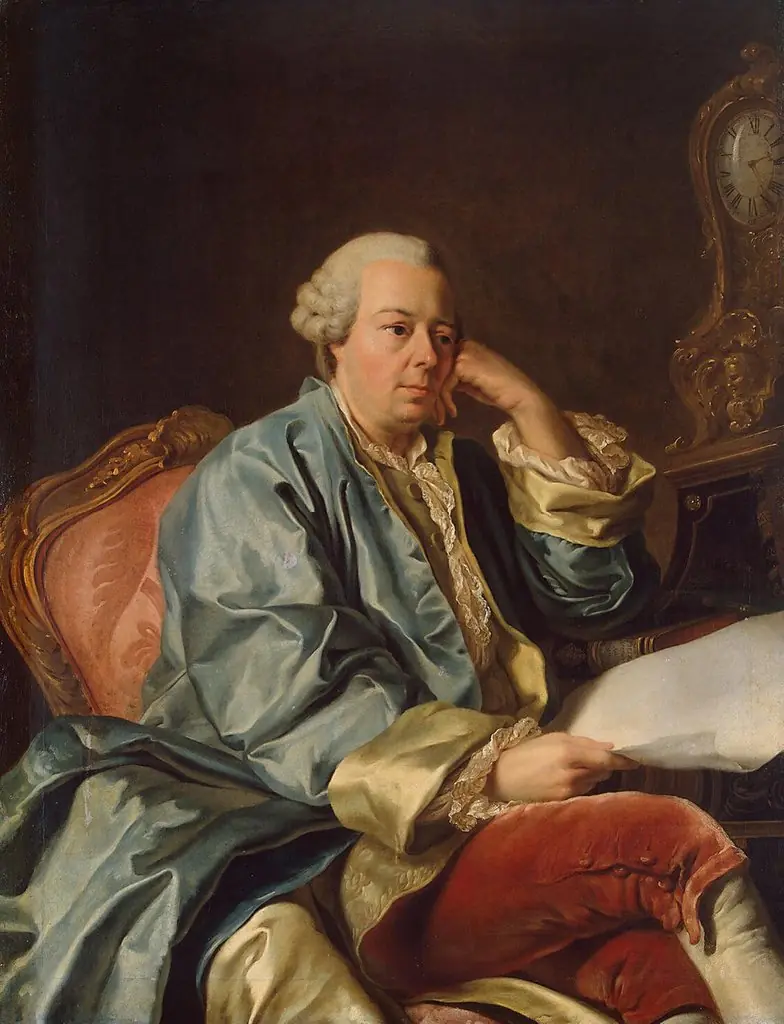 Portrait of Ivan Ivanovich Betskoi Wearing a Dressing Gown (copy)
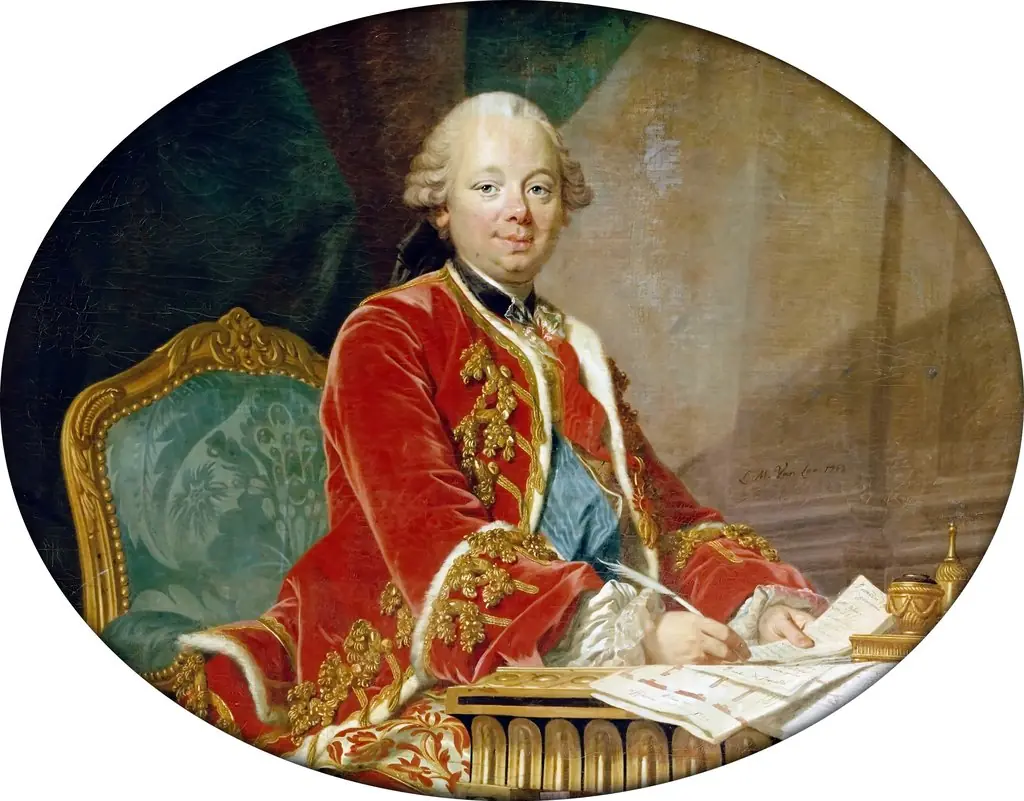 Étienne-François, Duke of Choiseul-Stainville (1719-1785)
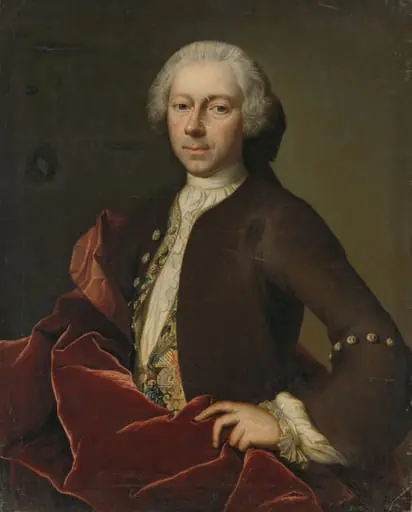 Portrait of Pieter Parker, Alderman, Burgomaster and Councilor of Goes
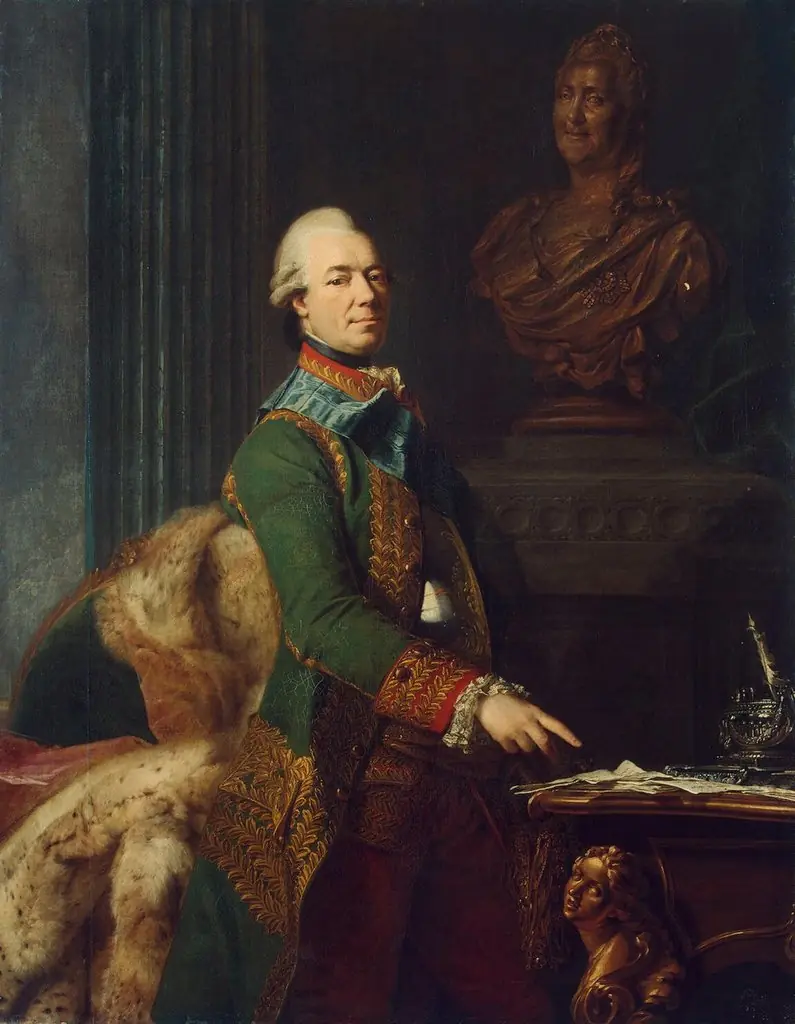 Portrait of Count Zakhar Chernyshev
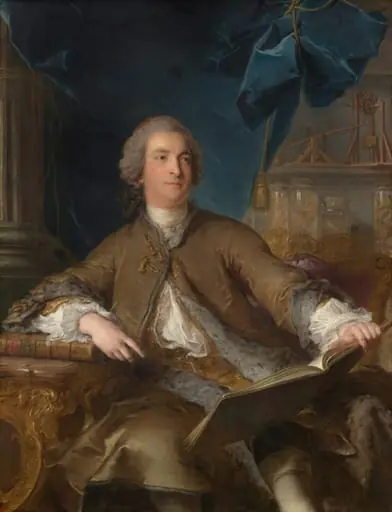 Joseph Bonnier de la Mosson
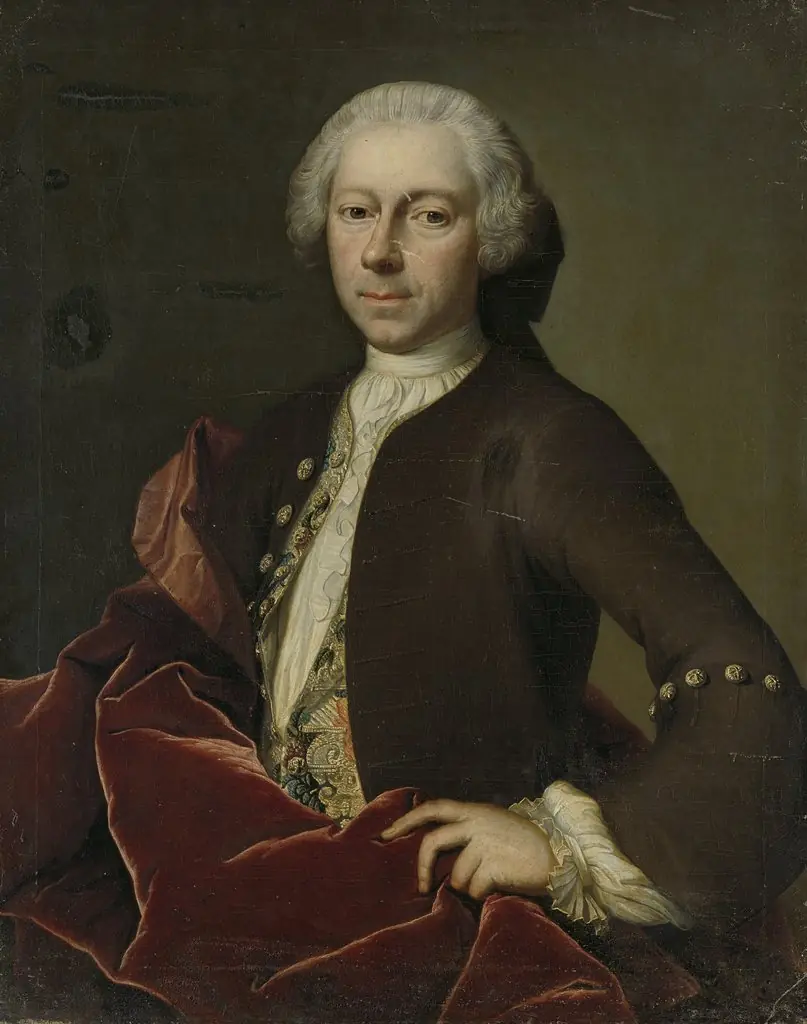 Portrait of Pieter Parker, Alderman, Burgomaster and Councilor of Goes
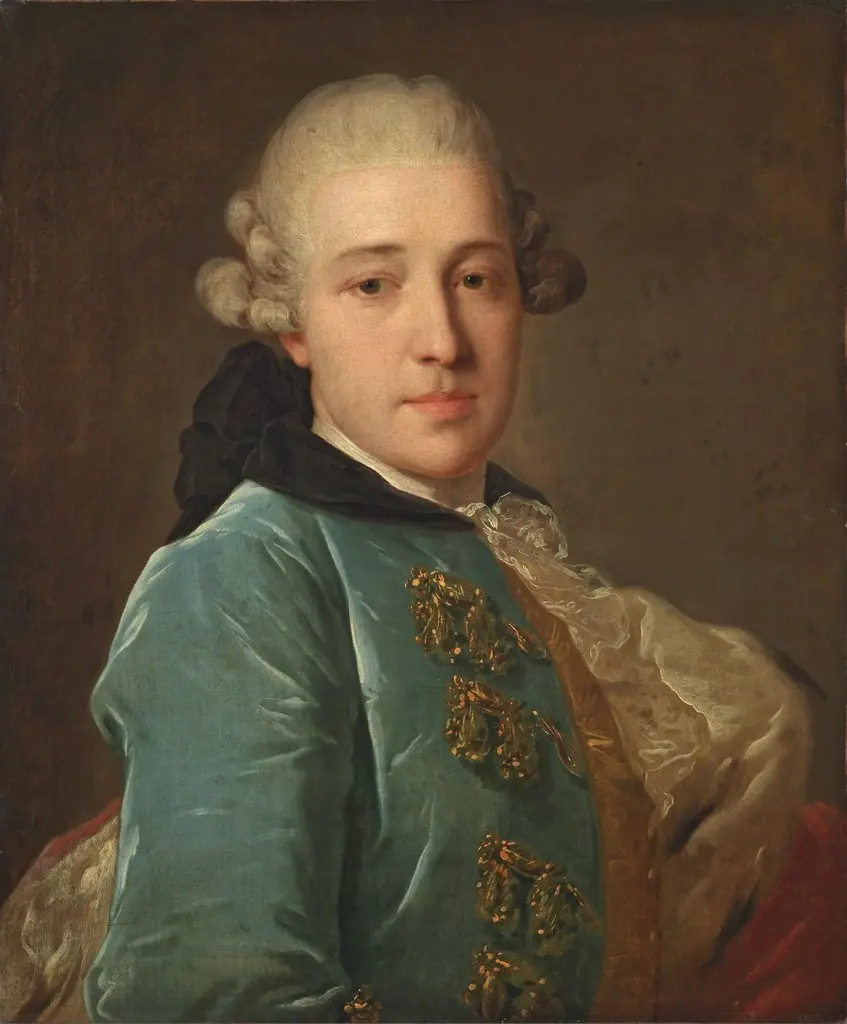 Portrait of Prince Dmitry Mikhailovich Golitsyn
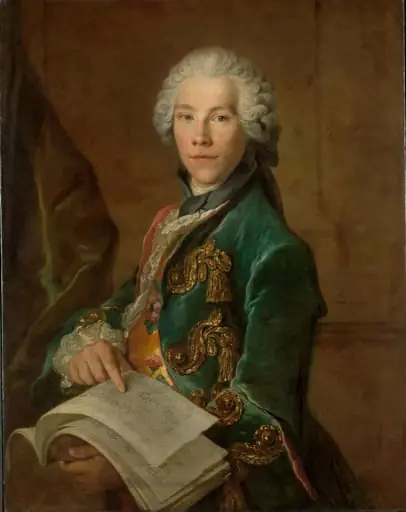 Portrait of Arnoldus van Rijneveld
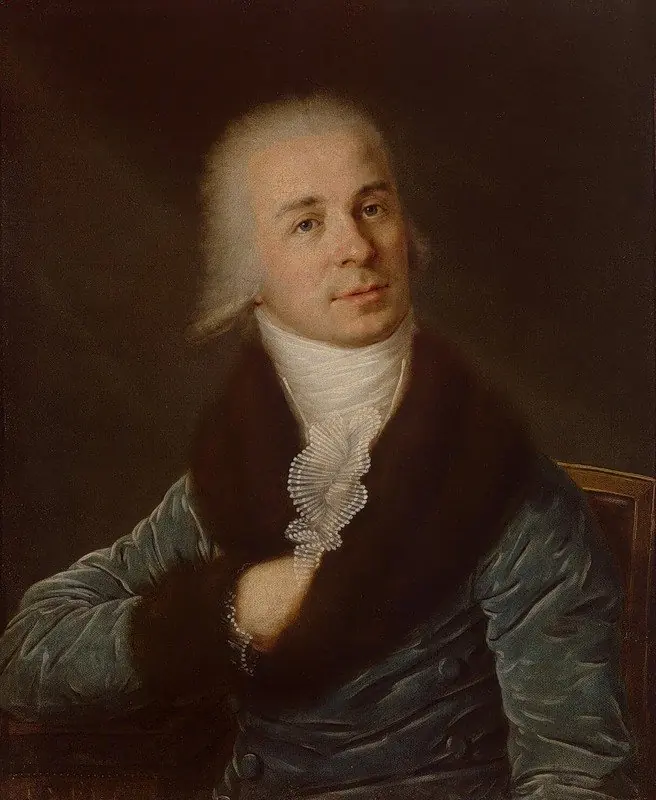 Portrait of Gavrila Derzhavin