Artwork
James Nasmyth (1808-1890)
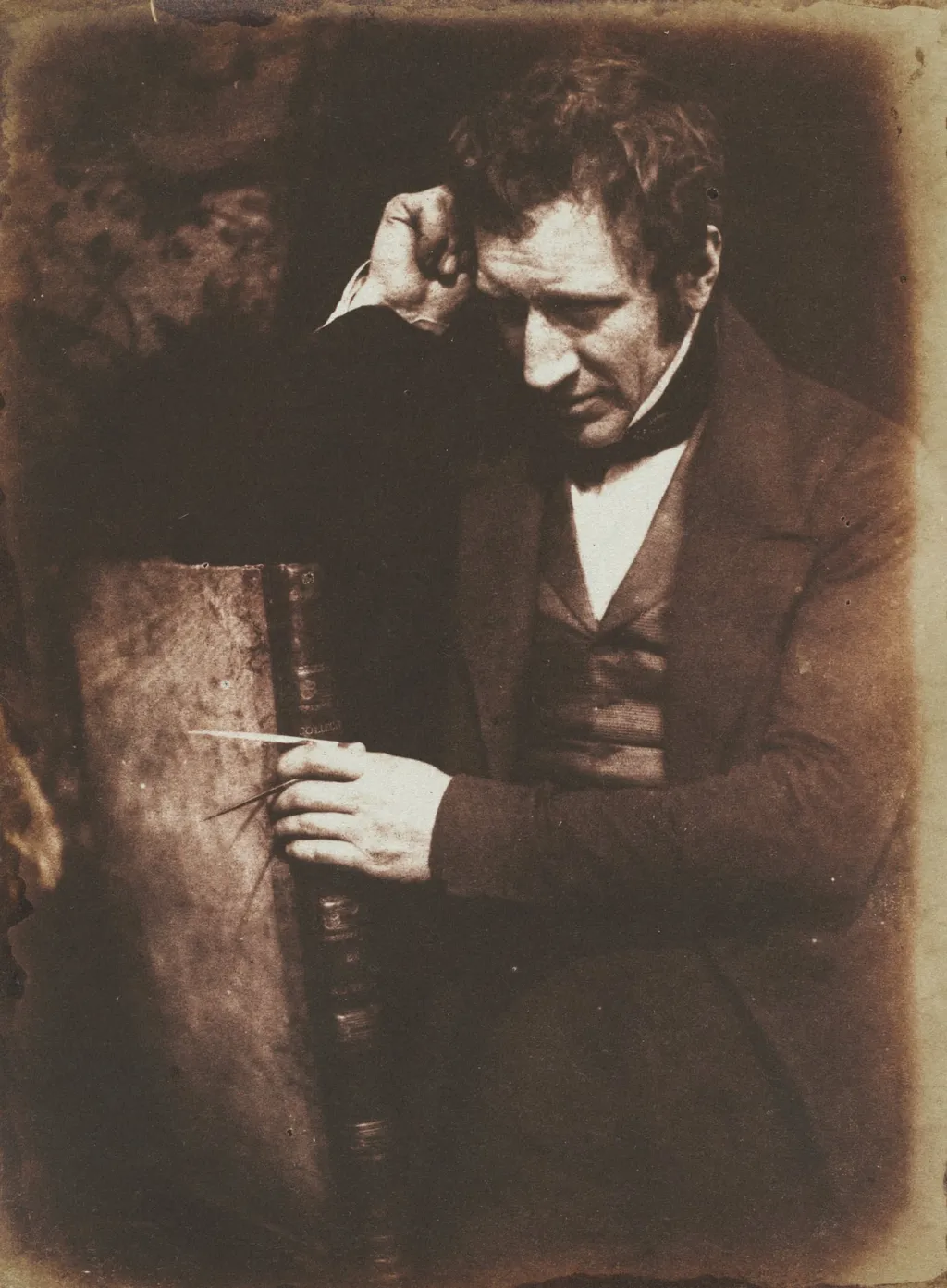
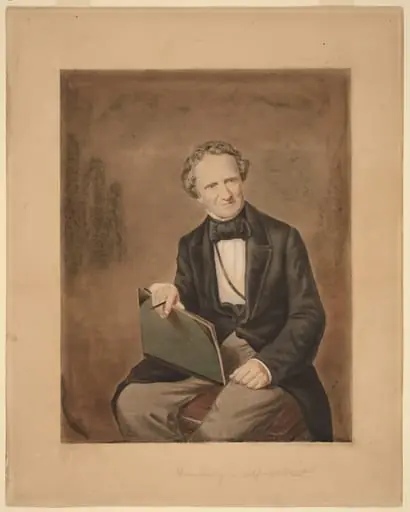
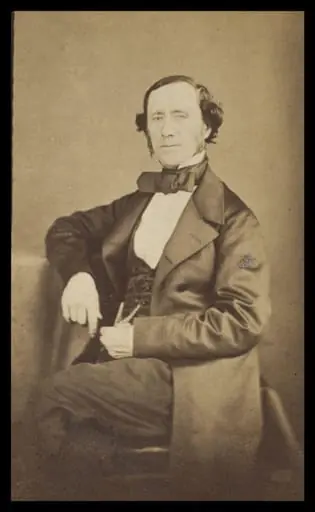
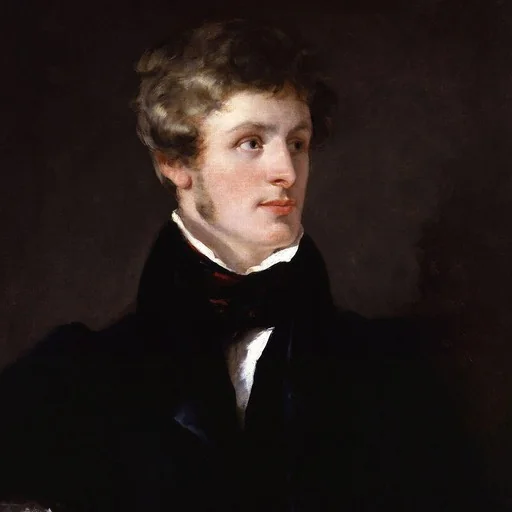
James Nasmyth (1808-1890) is a photography by the Romanticist artist David Octavius Hill. It dates from 1845 and is held in the collection of the Cleveland Museum of Art. This early photographic portrait presents James Nasmyth, the 19th‑century engineer famed for inventing the steam hammer.
About this work
This painting shows James Nasmyth, an engineer, holding a compass.
He looks serious and focused.
The artist often shot outdoor photos, which is interesting because it was a new technique back then.
The engineer's work on the steam hammer was important.
He was a key figure in his field.
You can learn more about this style by looking at the work of artist: David Octavius Hill (British, 1802–1870).
Overview
This early photographic portrait presents James Nasmyth, the 19th‑century engineer famed for inventing the steam hammer.
This early photographic portrait presents James Nasmyth, the 19th‑century engineer famed for inventing the steam hammer. He is depicted holding a compass, his expression concentrated, his attire illuminated against a darker backdrop. The image exemplifies the collaborative work of photographer‑engineer David Octavius Hill and his partner Robert Adamson, who were pioneering portraiture in the 1840s.
Subject & Meaning
Nasmyth’s pose, with the surveying instrument prominently displayed, underscores his identity as a designer of large‑scale machinery and a practitioner of precise measurement. The serious demeanor conveys the intellectual rigor associated with engineering during the Industrial Revolution, while the simple composition directs attention to his professional persona rather than personal narrative.
Technique & Style
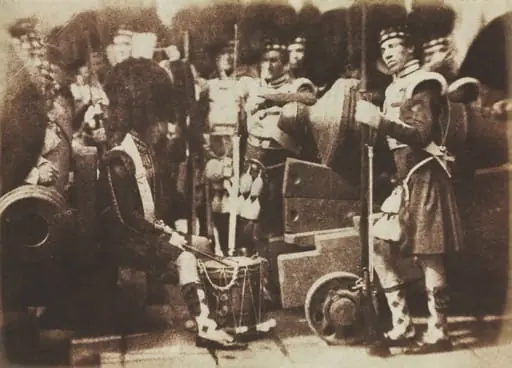
Hill and Adamson favored outdoor settings, exploiting bright sunlight to achieve relatively short exposure times in an era of slow photographic emulsions. Their method placed the subject in strong light, rendering facial features and clothing in clear detail, while the surrounding environment receded into shadow, creating a stark contrast that emphasizes form over background.
History & Provenance
The photograph dates from the brief three‑year partnership between Hill and Adamson (1843‑1846), which ended with Adamson’s premature death. Nasmyth, then a leading figure in mechanical engineering, sat for the portrait during this period, linking the emerging visual medium with the era’s technological innovators.
Context
At the time, portrait photography was transitioning from a documentary curiosity to an artistic practice. Hill and Adamson’s work, including this image of Nasmyth, contributed to that shift by applying compositional principles from painting and emphasizing the individuality of their subjects, thereby expanding the medium’s expressive potential.
Artist & collection
Artist
David Octavius Hill (20 May 1802 – 17 May 1870) was a Scottish painter, photographer and arts activist.