Artwork
Guy Little Theatrical Photograph
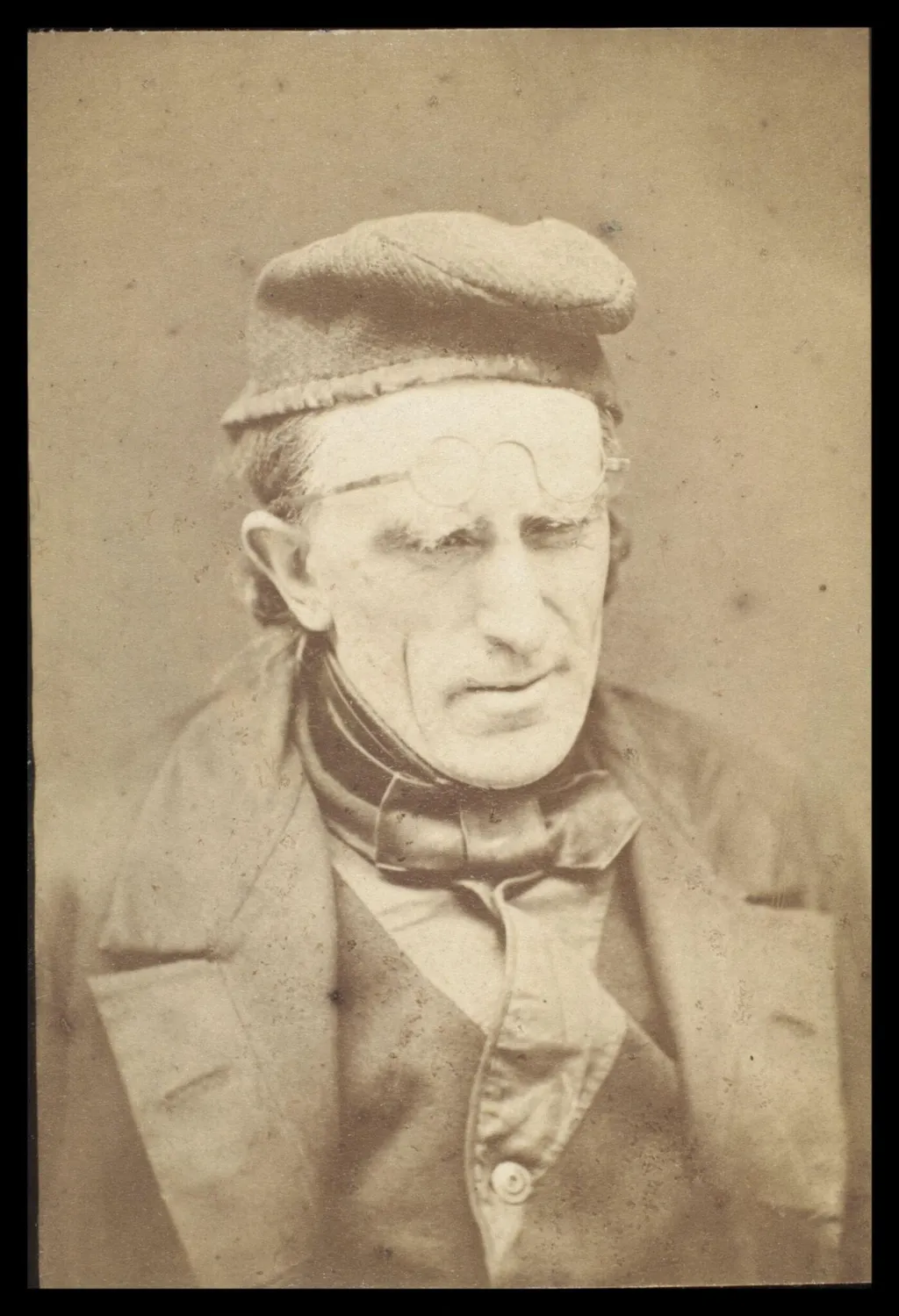
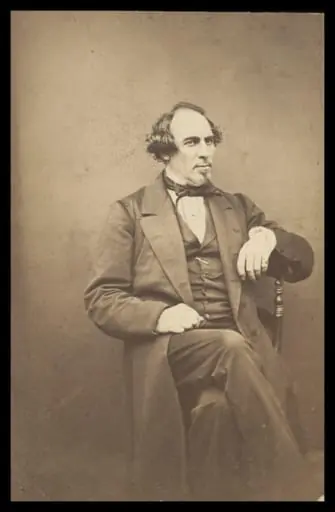
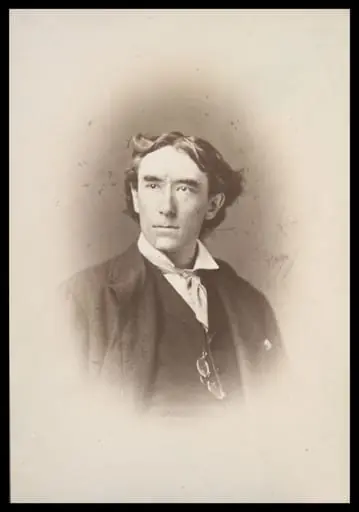
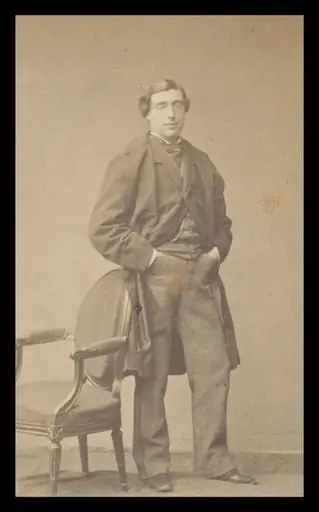
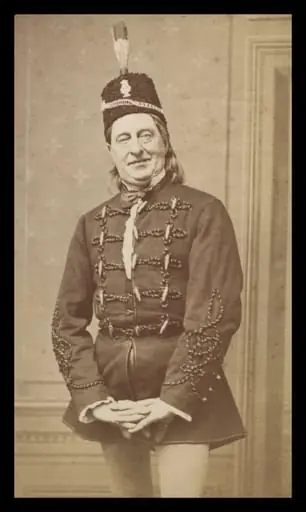
Guy Little Theatrical Photograph is a photographic photography by New School of Photography. It dates from 1850 and is held in the collection of the Victoria and Albert Museum.
About this work
Overview
Little, a solicitor and avid collector, preserved hundreds of albumen prints—both cartes de visite and cabinet cards—originally produced for public circulation.
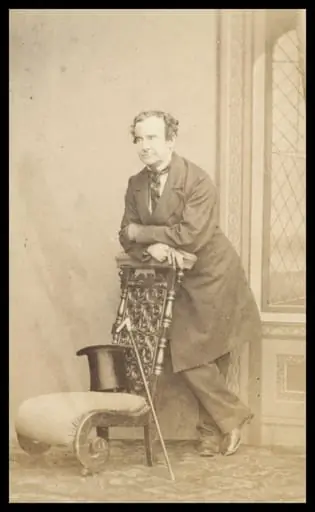
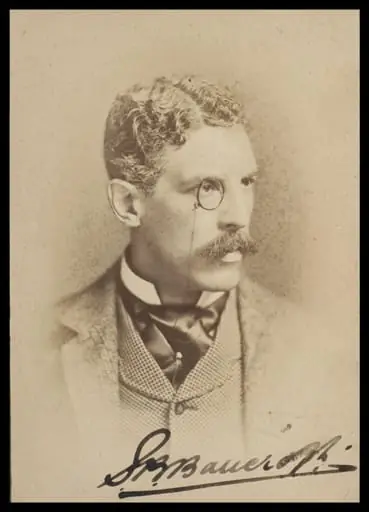
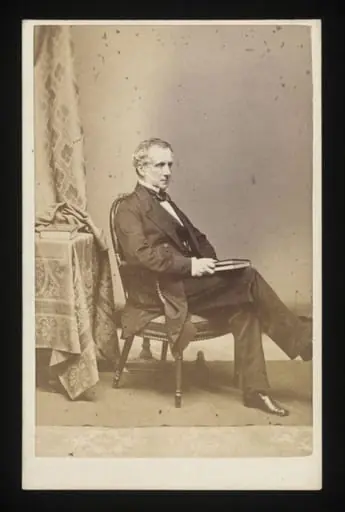
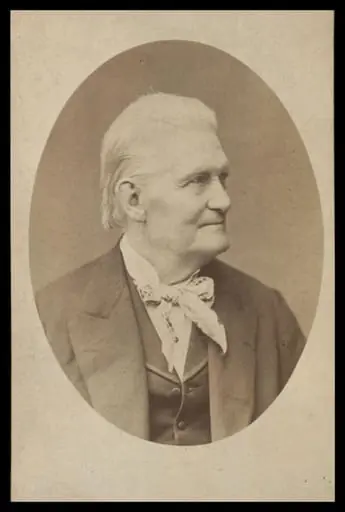
This photograph, taken by Guy Little, depicts actor John Ryder and belongs to a private collection of theatrical portraits assembled in the late 19th and early 20th centuries. Little, a solicitor and avid collector, preserved hundreds of albumen prints—both cartes de visite and cabinet cards—originally produced for public circulation. These were later removed from their card mounts and reorganized into bound albums, reflecting a personal curation rather than commercial display.
Subject & Meaning
John Ryder, a prominent stage actor of the Victorian era, is portrayed in theatrical costume, suggesting his most recognized role. Such portraits served as both promotional tools and personal mementos, allowing audiences to connect with performers beyond the stage. The image captures the intersection of celebrity culture and emerging photographic technology, where actors became accessible figures through mass-produced imagery.
Technique & Style
The photograph is an albumen print made from a glass negative, characteristic of mid-to-late 19th-century studio photography. The image was originally mounted on stiff cardstock, bearing the photographer’s imprint, and later detached for inclusion in Little’s albums. The lighting and composition follow standard studio conventions of the period: controlled poses, soft focus, and minimal background detail to emphasize the subject’s presence.
History & Provenance
The photograph was part of Guy Tristram Little’s personal archive, which he assembled over decades and bequeathed to the Victoria and Albert Museum upon his death in 1953. Little, a legal professional and collector of ephemera, inherited materials from Gabrielle Enthoven, a key figure in preserving British theatre history. His collection became foundational to the V&A’s Theatre Collections, ensuring the survival of otherwise transient visual records.
Context
During the 1860s, cartes de visite became a cultural phenomenon, with millions produced annually. Actors, royalty, and celebrities were common subjects, and collecting these small portraits was a widespread social habit. By the 1880s, larger cabinet cards replaced them, and by the 1890s, postcards and simpler studio portraits gained favor. Little’s collection captures this evolution, documenting shifting tastes in both photography and public memory.
Legacy
Little’s meticulous preservation of these photographs, despite their commercial origins, transformed disposable items into historical documents. His archive, now housed at the V&A, provides insight into Victorian performance culture and the role of photography in shaping public perception of actors. The collection remains a vital resource for scholars studying theatre, visual media, and collecting practices of the era.
Artist & collection
Artist
They spent their days in 1880s London darkrooms, sleeves rolled up and sleeves stained purple from collodion.