Artwork
Stone of Unction, Holy Sepulchre
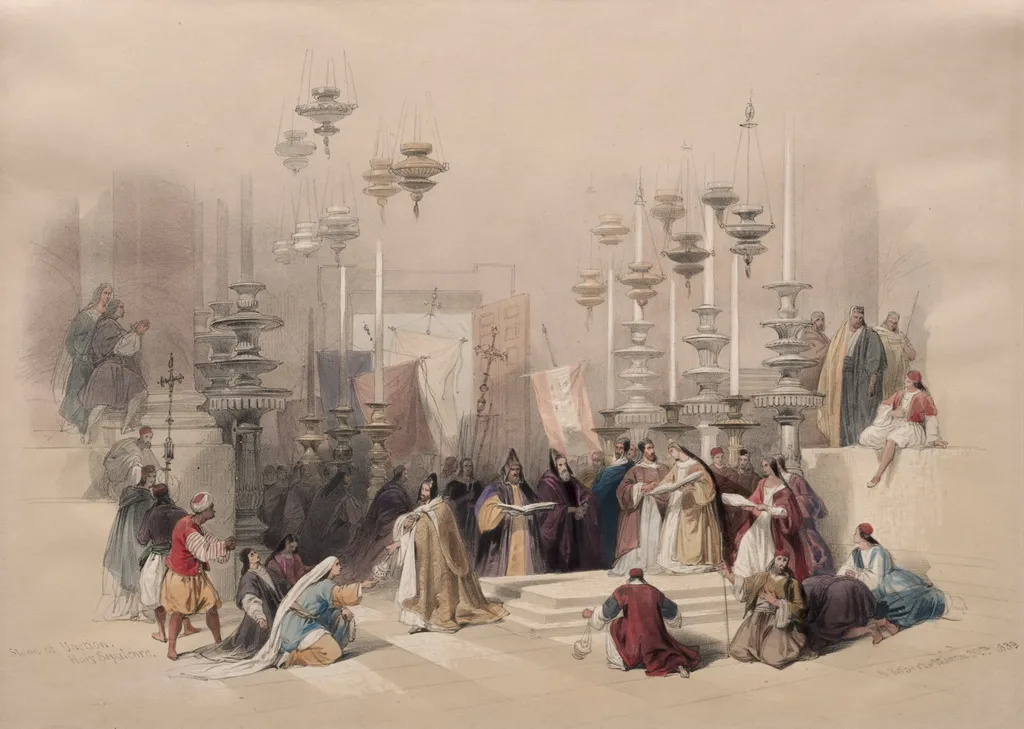
Stone of Unction, Holy Sepulchre is a print by the Romanticist artist David Roberts. It dates from 1839 and is held in the collection of the Cleveland Museum of Art.
About this work
Overview
Stone of Unction, Holy Sepulchre is an 1839 print by David Roberts, a Scottish artist renowned for his meticulous depictions of the Near East. This work is part of a series inspired by his travels through the region from 1838 to 1840.
Subject & Meaning
The print depicts a solemn scene within the Holy Sepulchre, focusing on the Stone of Unction, a revered site where Jesus' body was anointed after crucifixion. Figures in traditional attire gather around the stone, engaged in prayer or reverence, conveying a sense of religious devotion.
Technique & Style
Roberts employed soft shading techniques, akin to chiaroscuro, to create a deep, dimly lit atmosphere, emphasizing the sacred nature of the scene. The composition highlights his characteristic attention to architectural detail and topographical accuracy.
History & Provenance
Created in 1839, the print contributed to Roberts' recognition as a Royal Academician in 1841. It is currently housed in the collection of the Cleveland Museum of Art.
Context
As an Orientalist work, Stone of Unction reflects 19th-century European fascination with the Near East. Roberts' travels and detailed renderings catered to this interest, blending cultural documentation with artistic expression.
Artist & collection
Artist
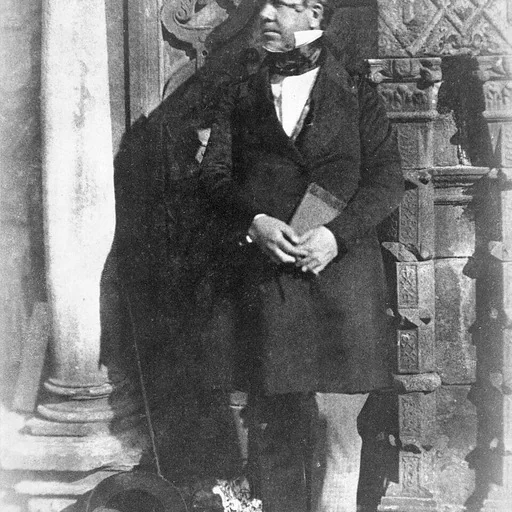
David Roberts (24 October 1796 – 25 November 1864) was a Scottish painter. He is especially known for The Holy Land, Syria, Idumea, Arabia, Egypt, and Nubia, a prolific series of detailed lithograph prints of Egypt and…

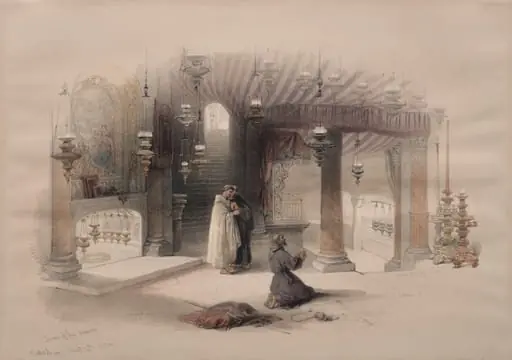 Shrine of the Nativity, Bethlehem
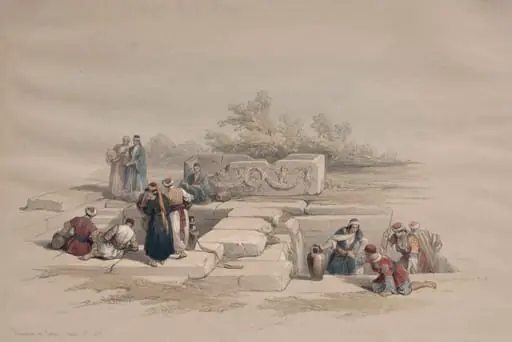 Fountain at Cana
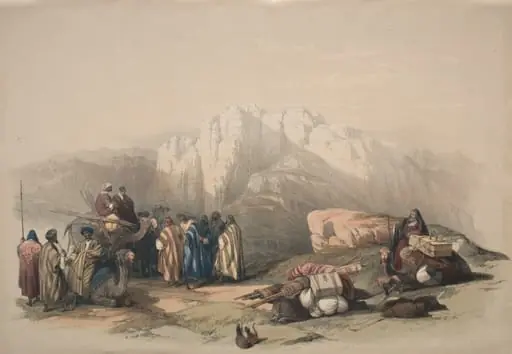 Tomb of Aaron, Summit of Mount Horeb
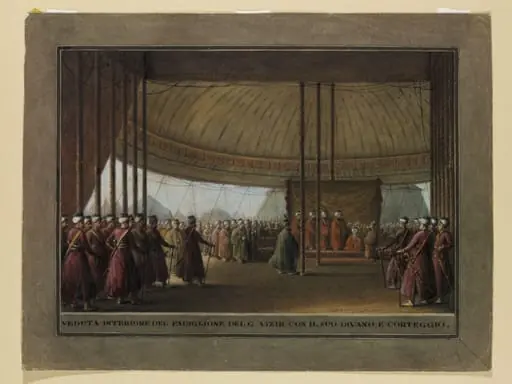 Interior of the Pavilion of the Grand Vizir with his Divan and Retinue
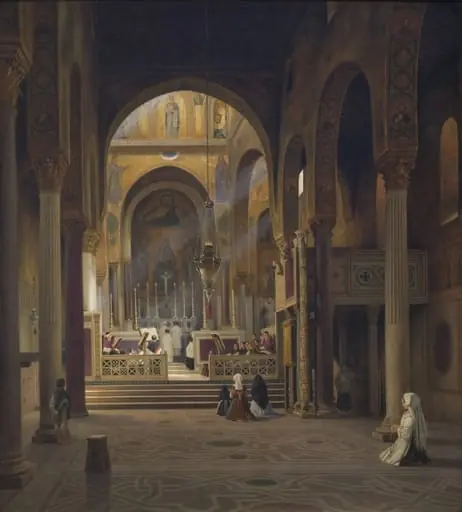 Interior of the Capella Palatina in Palermo, Italy
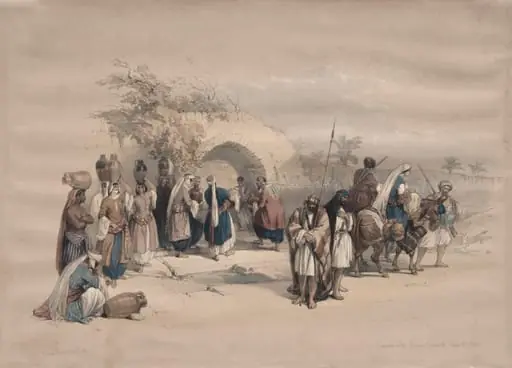 Fountain of the Virgin, Nazareth
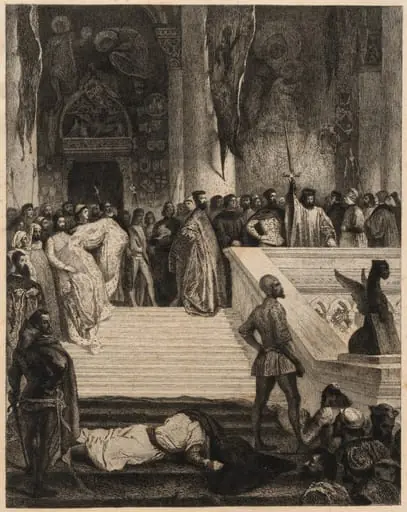 The Death of Doge Marino Faliero
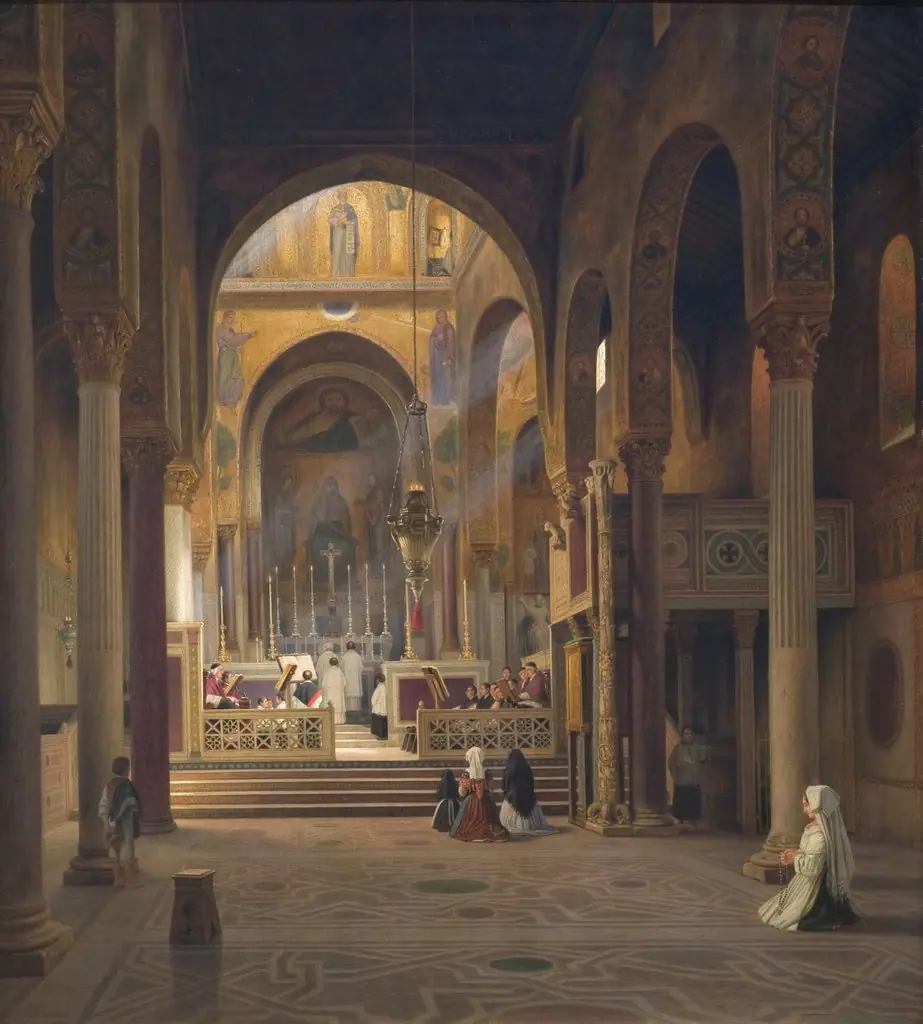 Interior of the Capella Palatina in Palermo, Italy
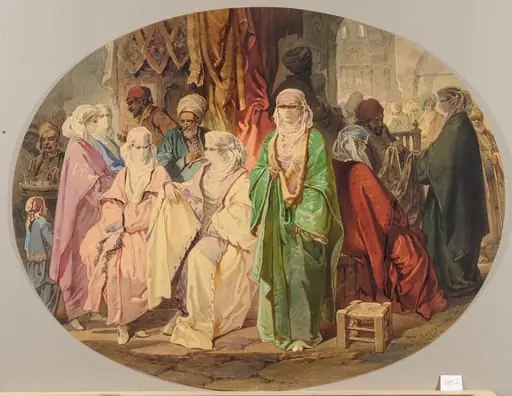 Bazar
Bazar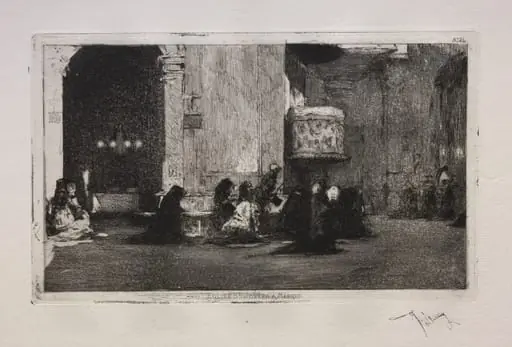 Saint Joseph Church, Madrid
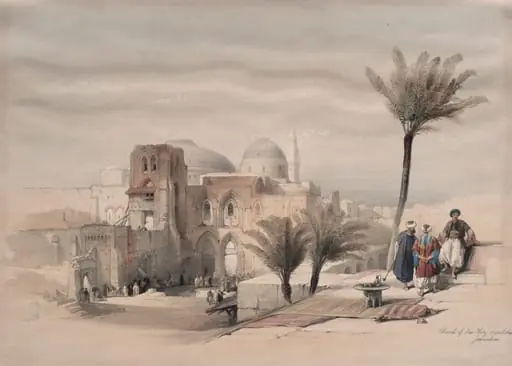 Church of the Holy Sepulchre, Jerusalem
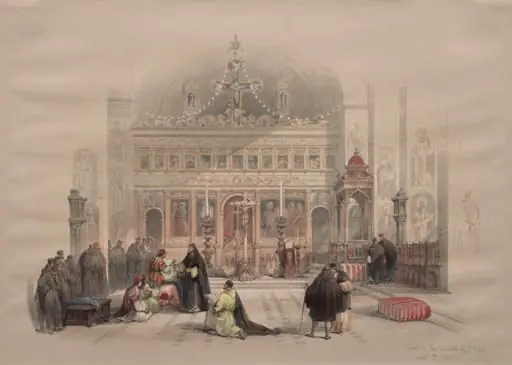 Chapel of the Convent of St. Saba