Artwork
Chapel of the Convent of St. Saba
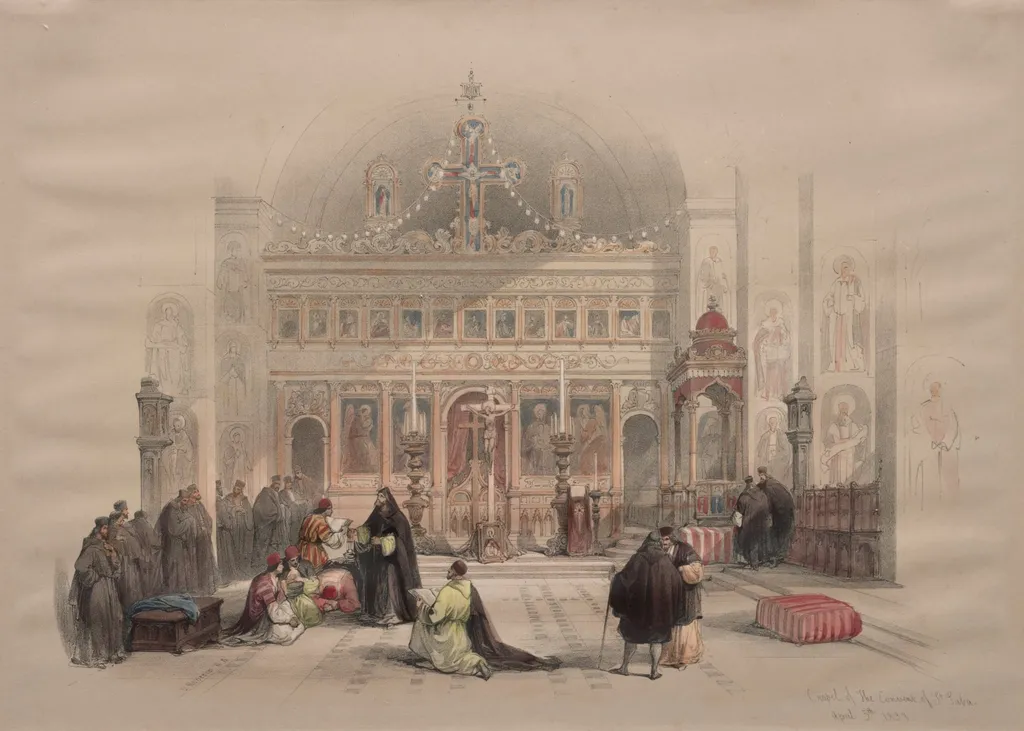
Chapel of the Convent of St. Saba is a print by the Romanticist artist David Roberts. It dates from 1839 and is held in the collection of the Cleveland Museum of Art.
About this work
Overview
It is one of many works from his 1838–1840 travels, which documented religious and historical sites across Egypt and the Eastern Mediterranean.
David Roberts, a Scottish artist known for his precise observations of architectural and cultural scenes, produced this lithograph in 1839 during a journey through the Levant. It is one of many works from his 1838–1840 travels, which documented religious and historical sites across Egypt and the Eastern Mediterranean. The piece was later included in a published series and is now held by The Cleveland Museum of Art.
Subject & Meaning
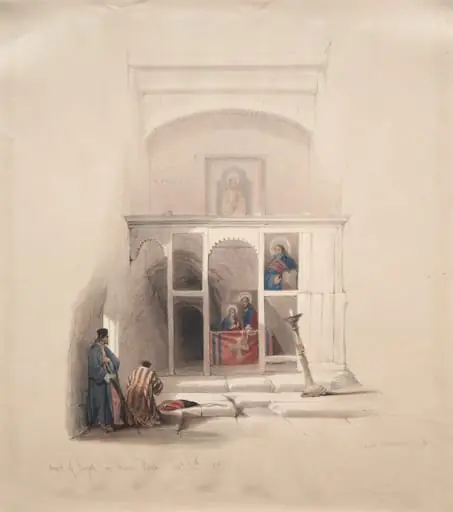
The scene depicts the interior of the Chapel of the Convent of St. Saba, capturing worshippers engaged in quiet devotion—kneeling, standing, or praying before an ornate altar. The presence of devotional images, lit candles, and a large crucifix underscores the chapel’s sacred function. Roberts emphasizes the intimacy of daily religious practice, avoiding idealization in favor of observed reality.
Technique & Style
Rendered as a lithograph, the work employs fine linework and tonal gradations to convey texture and spatial depth. Roberts carefully rendered architectural details—stone floors, wall paintings, and candlelight—while maintaining a sense of atmospheric stillness. The composition directs attention toward the altar, framed by natural light filtering through narrow windows, enhancing the solemn mood.
History & Provenance
Created during Roberts’s extended tour of the region, the print was later reproduced as part of a commercially published portfolio that contributed to his reputation. He was elected a Royal Academician in 1841, partly due to the acclaim of these travel-based works. The Cleveland Museum of Art acquired the print as part of its 19th-century European graphic arts collection.
Context
Roberts’s work emerged within the Romantic tradition, which valued firsthand observation of distant lands and authentic cultural expression. His images contrasted with earlier, more stylized depictions of the Orient, offering instead a documentary approach grounded in direct experience. This print reflects growing European interest in the religious practices of the Eastern Christian communities during the early 19th century.
Legacy
Roberts’s lithographs helped shape Western visual understanding of Middle Eastern religious spaces in the 19th century. Though not widely exhibited today, his precise renderings remain valuable records of architectural and devotional customs at a time of increasing cultural exchange and colonial interest in the region.
Artist & collection
Artist
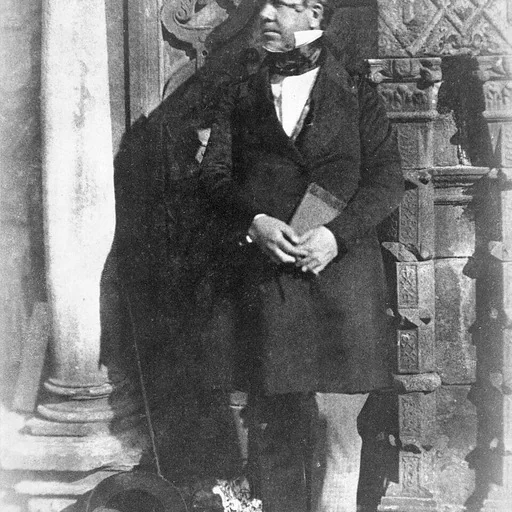
David Roberts (24 October 1796 – 25 November 1864) was a Scottish painter. He is especially known for The Holy Land, Syria, Idumea, Arabia, Egypt, and Nubia, a prolific series of detailed lithograph prints of Egypt and…

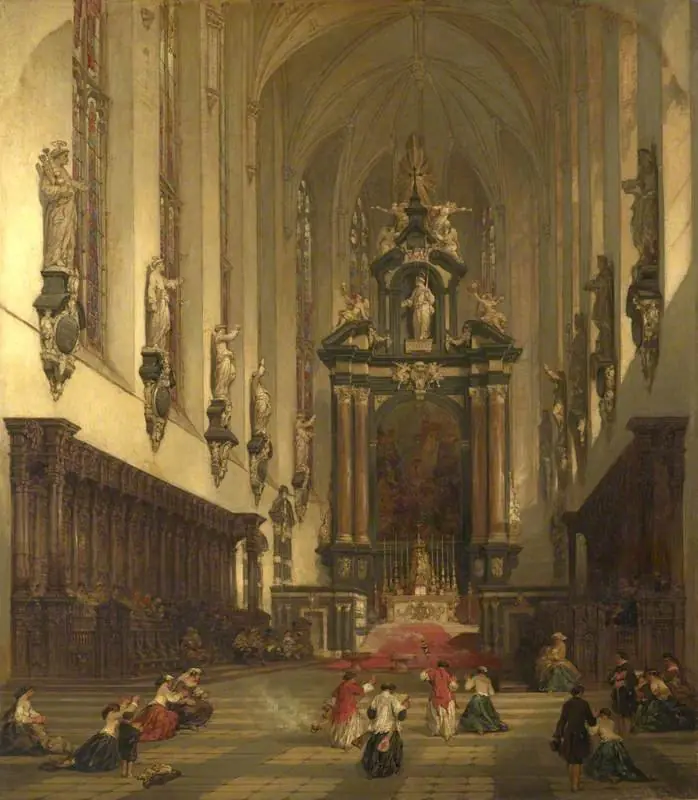
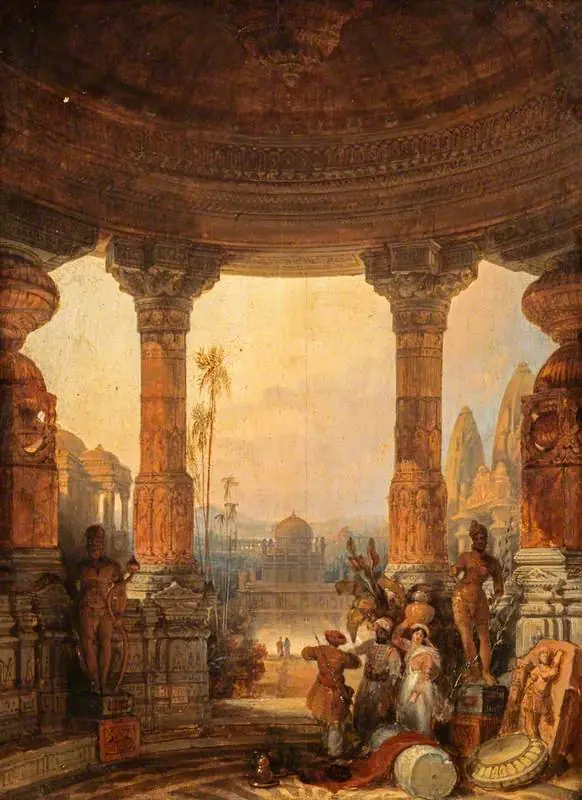
 Chapel of Elijah on Mount Horeb
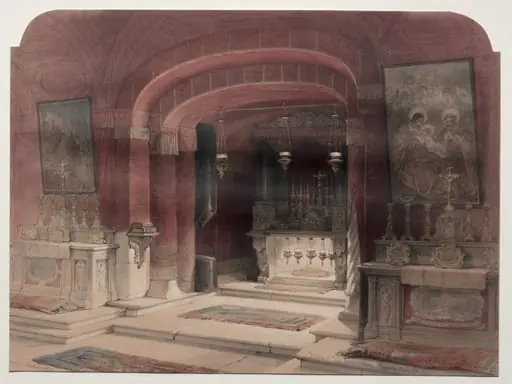 Shrine of the Annunciation, Nazareth
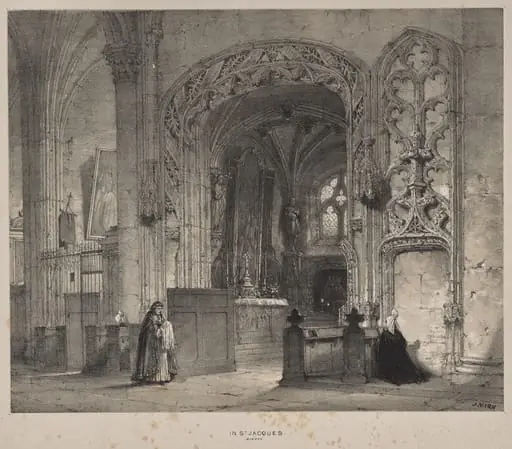 Architecture of the Middle Ages: Chapel in St. Jacques, Dieppe
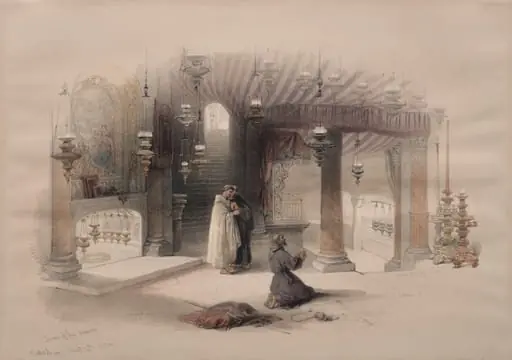 Shrine of the Nativity, Bethlehem
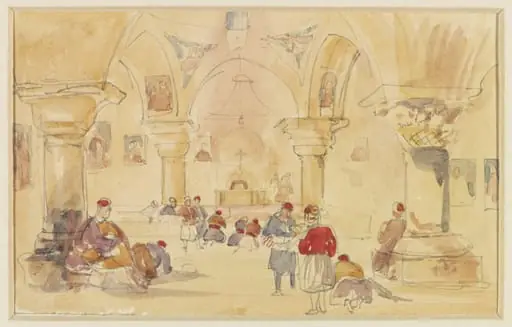 Chapel of St. Helena, Crypt of the Holy Sepulchre, Jerusalem
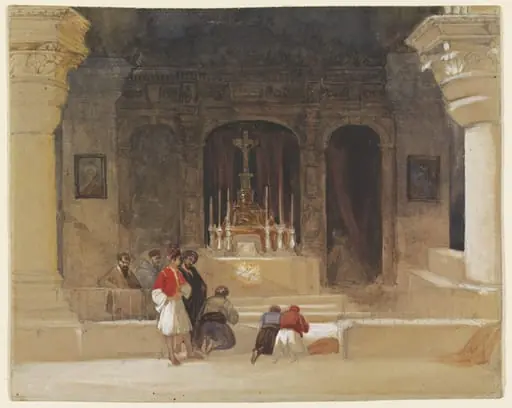 Chapel of St. Helena, Crypt of the Holy Sepulchre, Jerusalem
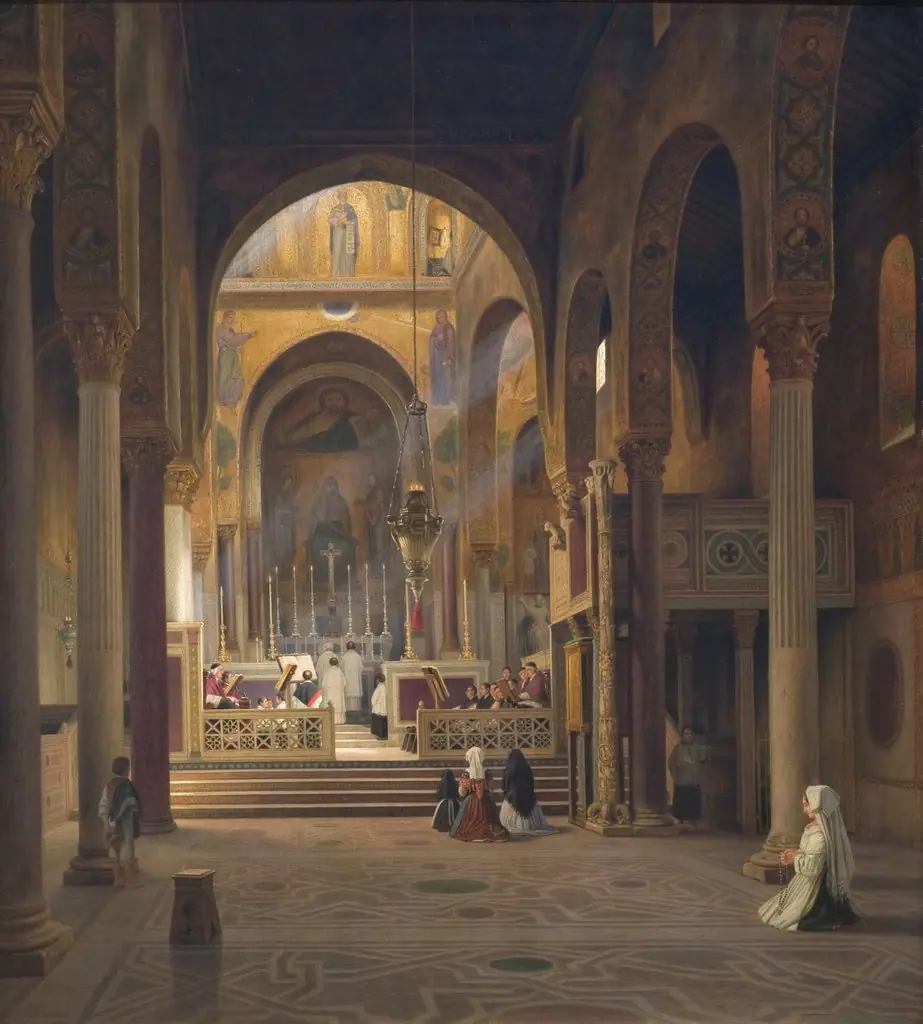 Interior of the Capella Palatina in Palermo, Italy
 Interior of the Capella Palatina in Palermo, Italy
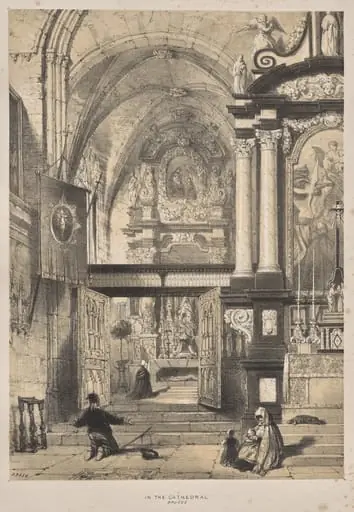 Architecture of the Middle Ages: In the Cathedral, Bruges
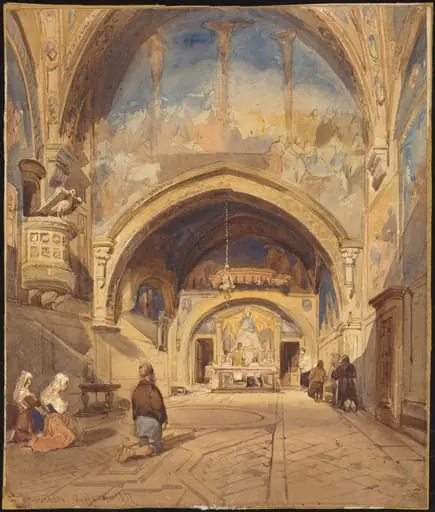 Interior of the Church of San Benedetto, Subiaco
 The Newly Elected Doge Presented to the People in San Marco
 Stone of Unction, Holy Sepulchre