Artwork
Die “Dulle Griet” unternimmt einen Raubzug vor der Hölle
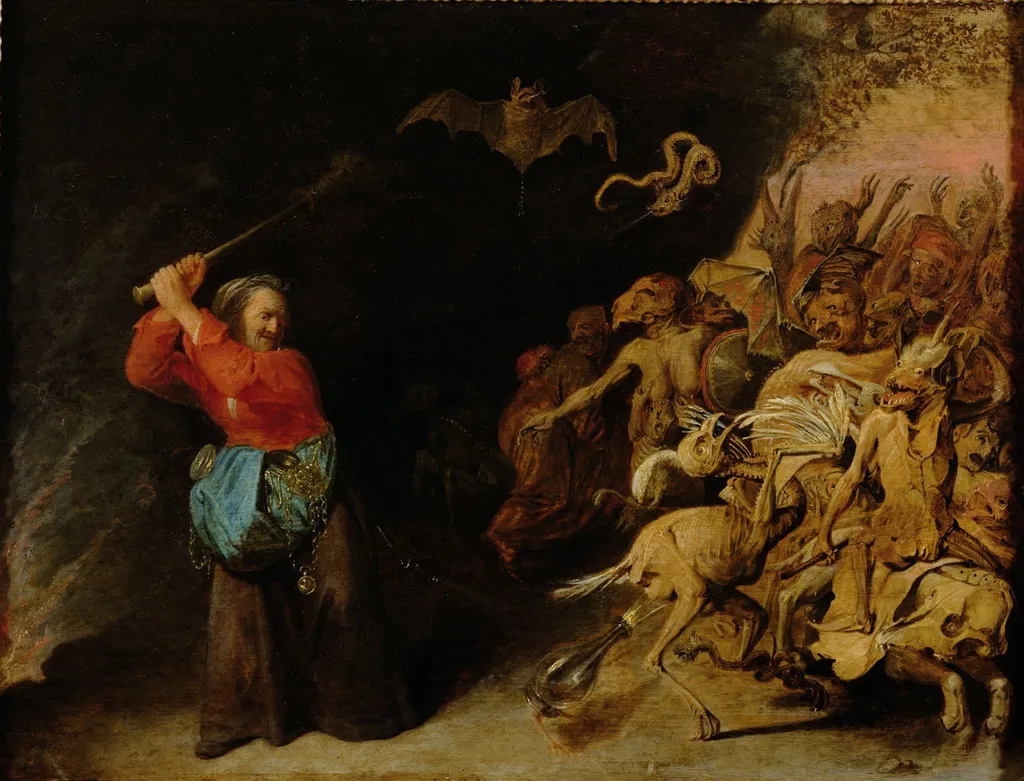
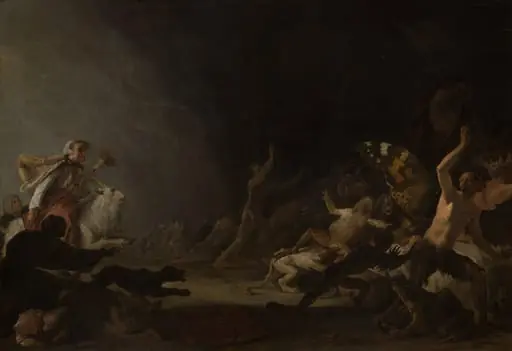
Die “Dulle Griet” unternimmt einen Raubzug vor der Hölle is an oil painting by the Flemish Baroque painting artist David Ryckaert III. It dates from 1655 and is held in the collection of the Kunsthistorisches Museum.
About this work
If you're interested in learning more about the artist who created this painting, you might want to look up David Ryckaert III.
This painting shows a woman in a red shirt and blue skirt, holding a stick above her head. She is standing on the left side of the image. On the right side, there is a large group of people and creatures, including a dragon, a bat, and a person riding a horse. The background is dark, and the overall atmosphere appears to be chaotic.
The woman's clothing and the style of the painting suggest that it may be from the 17th century. The use of dark colors and the depiction of fantastical creatures also give the painting a sense of drama and tension.
If you're interested in learning more about the artist who created this painting, you might want to look up David Ryckaert III.
Overview
Painted in 1655 by David Ryckaert III, this oil-on-panel work belongs to the Flemish Baroque tradition and reflects the period’s fascination with moral allegory and the grotesque. Ryckaert, based in Antwerp, specialized in scenes blending everyday peasant life with supernatural elements. This piece captures a moment of violent upheaval, drawing from regional folklore to depict a woman leading a mob into a nightmarish landscape, likely symbolizing chaos and transgression.
Subject & Meaning
The central figure, Dulle Griet, is drawn from Flemish legend—a woman who storms Hell to seize its treasures, embodying both defiance and folly. Her presence among demons, dragons, and fleeing figures suggests a subversion of divine order. The painting does not glorify her act but presents it as a wild, uncontrolled invasion, possibly warning against greed or moral collapse. The crowd’s frenzy and the hellish backdrop reinforce a theme of societal unraveling under base impulses.
Technique & Style
Ryckaert employs dense, dark tonalities to heighten the scene’s tension, with sharp contrasts between the figures and the smoky inferno behind them. His brushwork is precise yet lively, capturing textures of fabric, fur, and scaled skin with equal attention. The composition is tightly packed, guiding the eye from the central figure toward the chaotic horde, using diagonal lines and overlapping forms to create a sense of claustrophobic motion. Lighting is theatrical, emphasizing key figures without clear source.
History & Provenance
Created during Ryckaert’s mature period in Antwerp, the painting likely originated as a commission from a wealthy patron within the Southern Netherlands’ court circles. Such works, blending moral allegory with spectacle, were popular among elites who collected imagery that entertained while instructing. While its early ownership is undocumented, its survival into modern collections attests to its enduring appeal as a rare example of Flemish fantasy painting outside the mainstream religious or mythological canon.
Context
In mid-17th-century Flanders, depictions of Hell and folkloric figures were common in art, often serving as cautionary tales amid religious and political instability. Ryckaert’s work aligns with contemporaries like Pieter Bruegel the Elder, who also explored peasant life and supernatural themes. Yet unlike Bruegel’s broader social commentary, Ryckaert’s focus is narrower—centered on a single, mythic woman’s intrusion into the underworld, reflecting a taste for the bizarre among urban patrons seeking novelty within moral frameworks.
Legacy
Though Ryckaert was not as widely celebrated as some of his peers, this painting remains a distinctive example of Flemish Baroque fantasy. It preserves a regional legend otherwise lost to time and demonstrates how folklore could be adapted into elite art. Modern viewers recognize it as a precursor to later symbolic and surreal imagery, valued not for its technical innovation but for its vivid, unfiltered engagement with the irrational and the grotesque.
Artist & collection
Artist
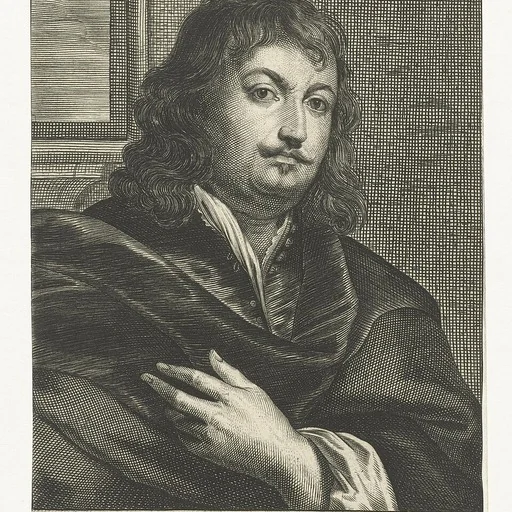
David Ryckaert III, David Rijckaert III or David Rijckaert the Younger (2 December 1612, Antwerp – 11 November 1661, Antwerp) was a Flemish painter known for his contribution to genre painting, in particular through his scenes of merry…

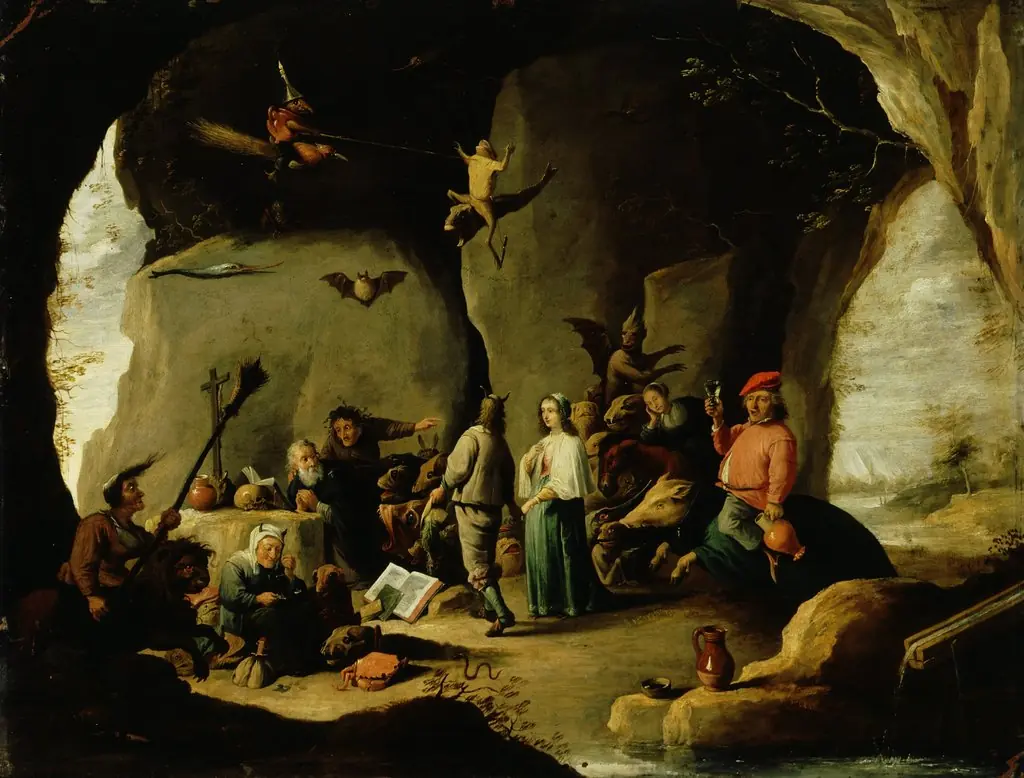 Temptation of St. Anthony
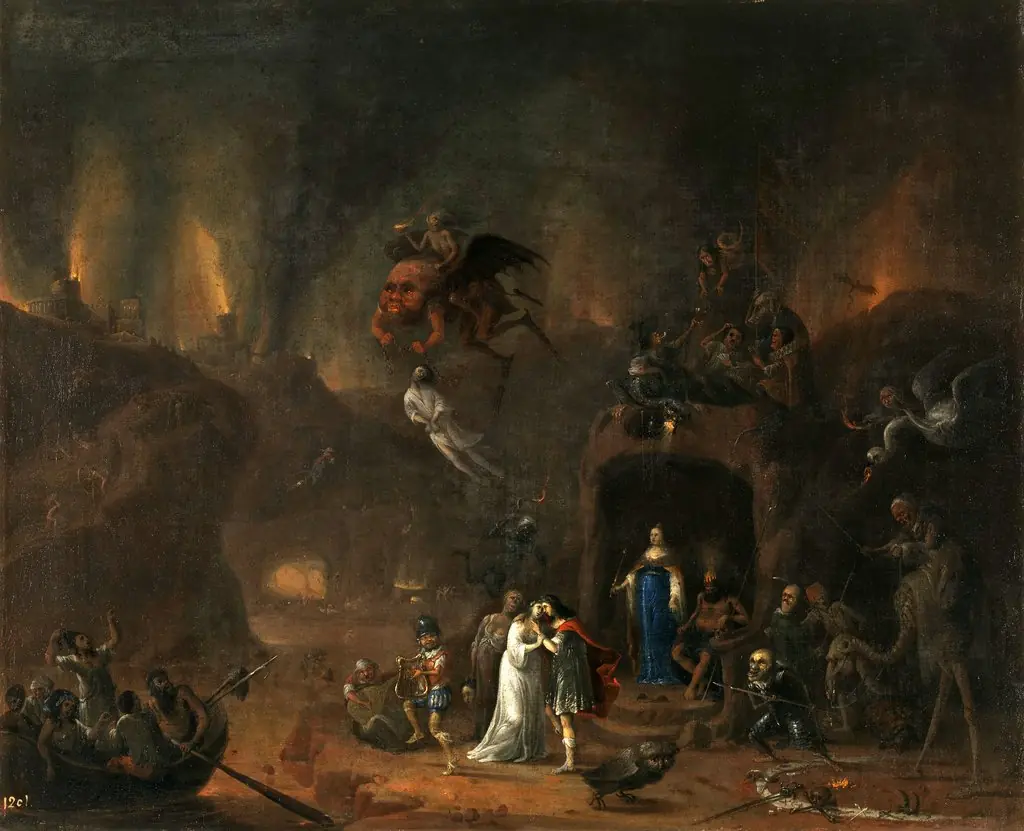 Orpheus and Eurydice in the Underworld
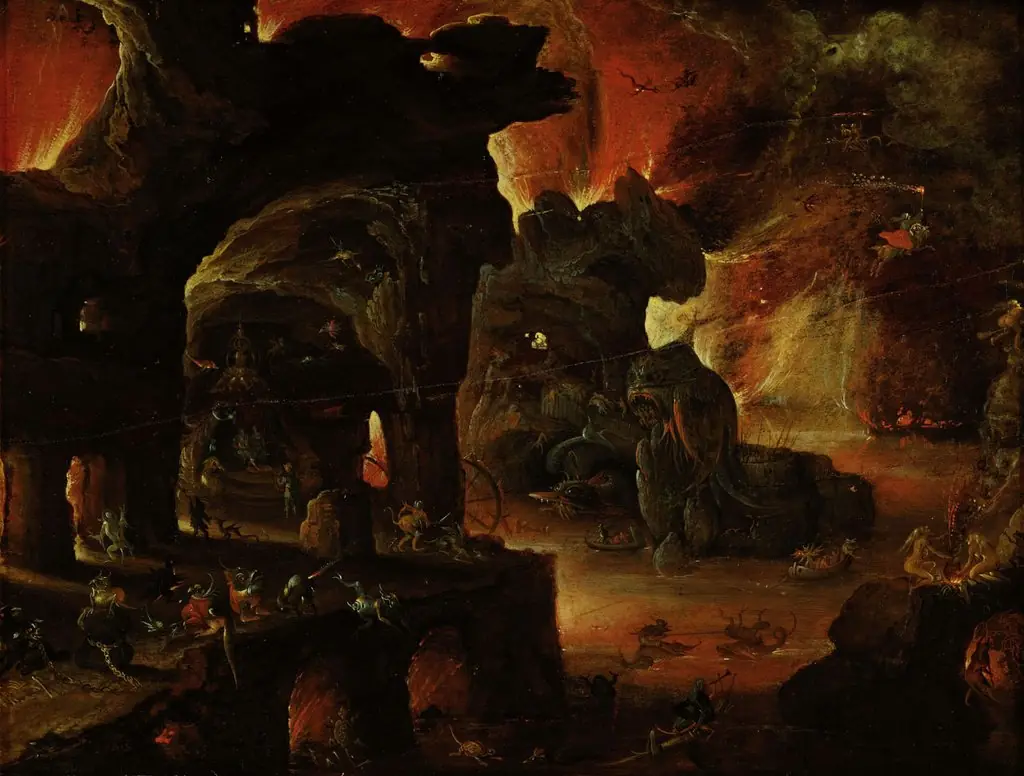 Orpheus in the Underworld
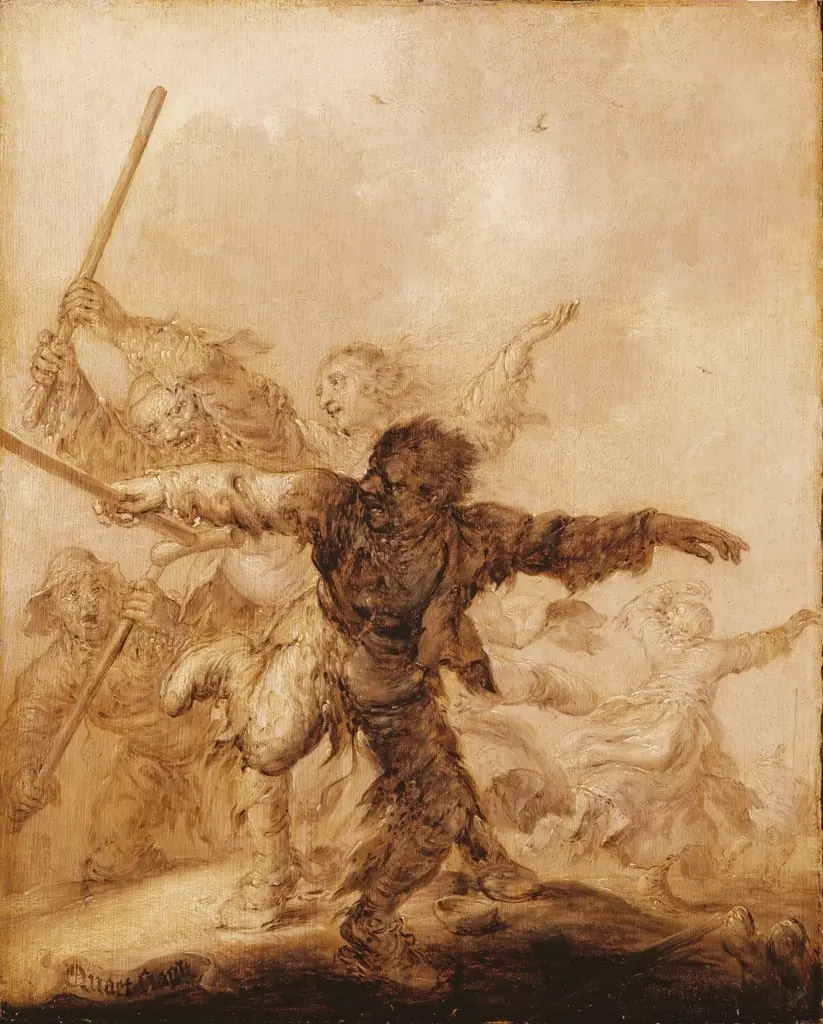 Angry Blows
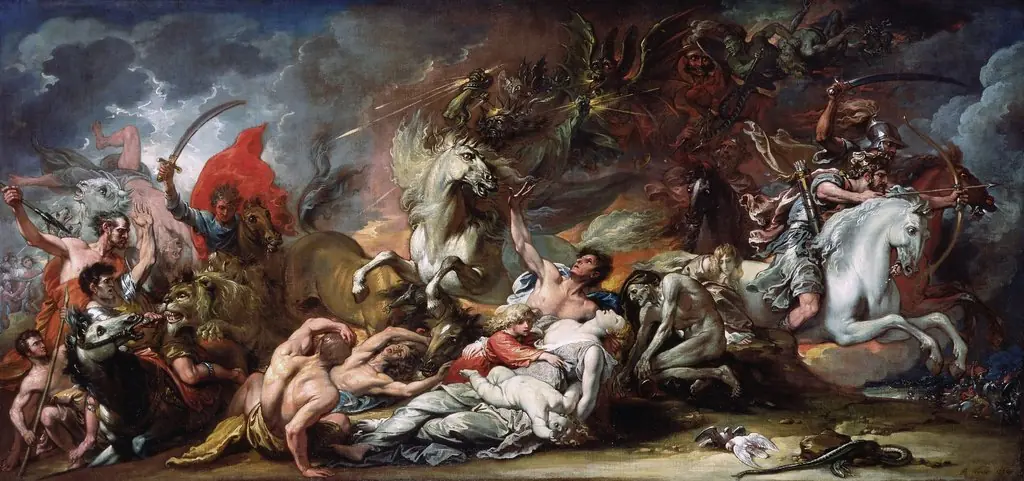 Death on the Pale Horse
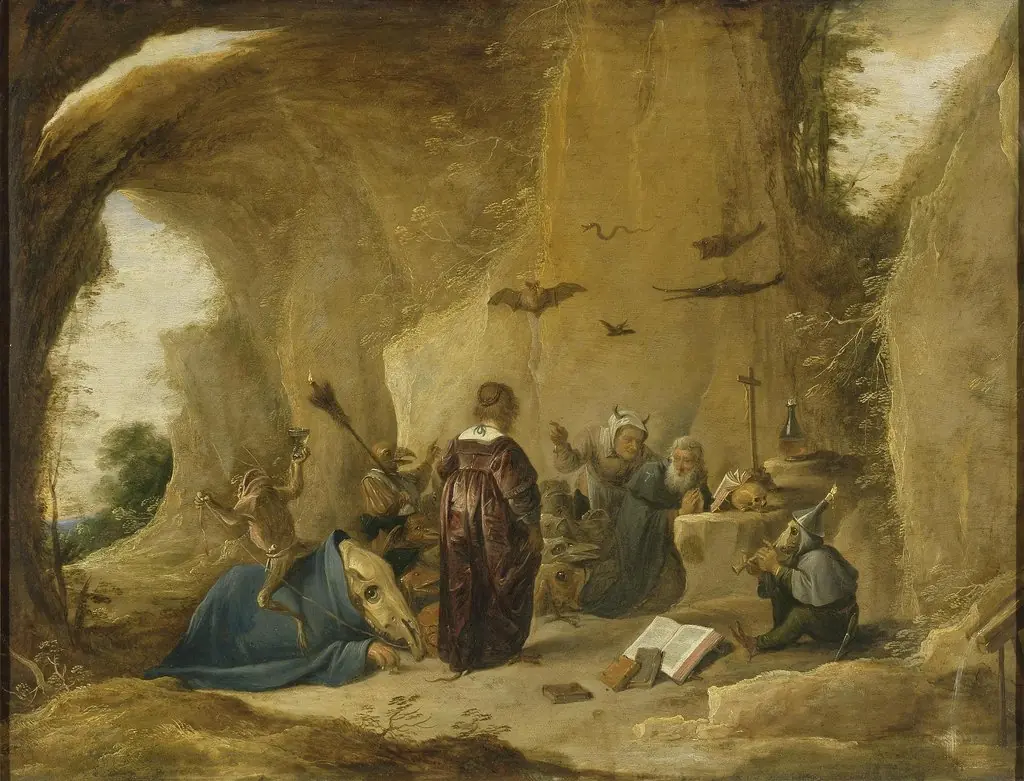 Temptation of St Antony
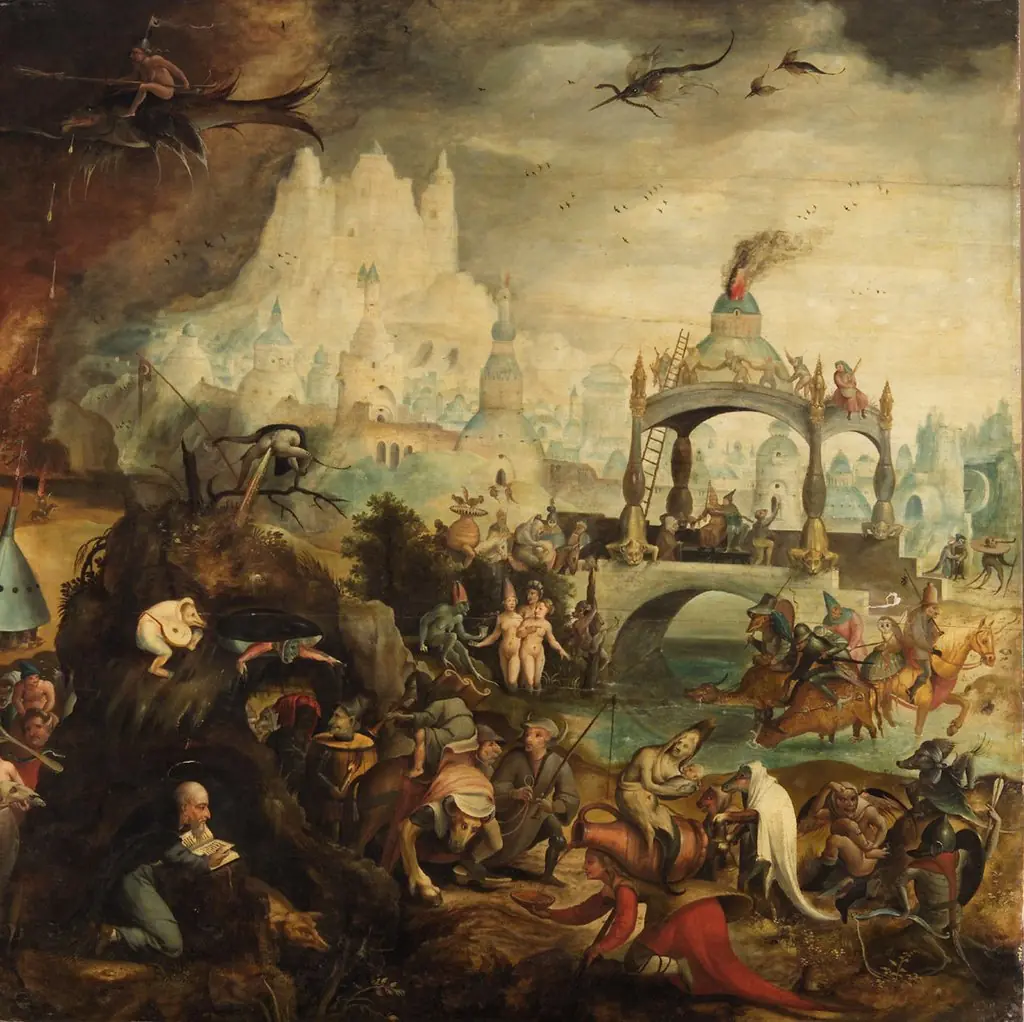 Versuchung des Hl. Antonius
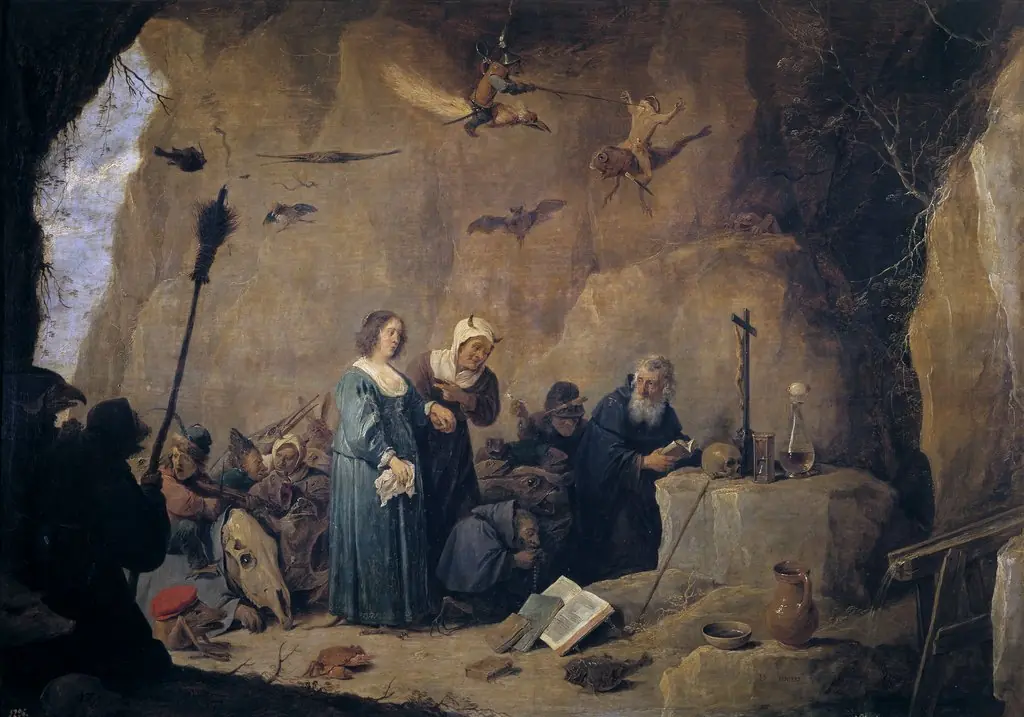 The Temptations of Saint Anthony the Abbot
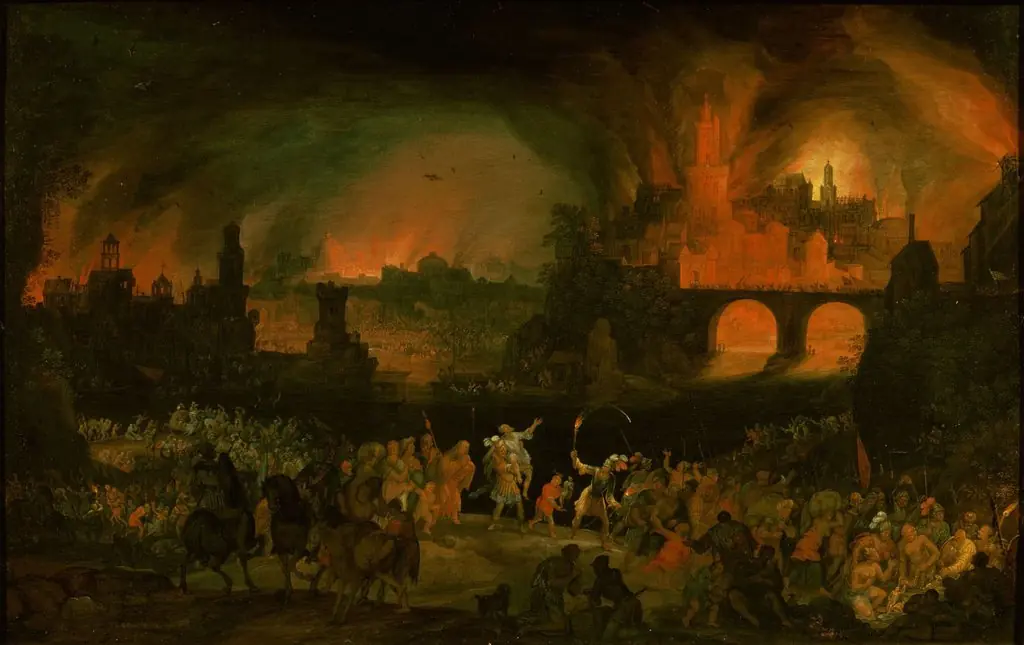 Aeneas trägt seinen Vater Anchises aus dem brennendem Troja
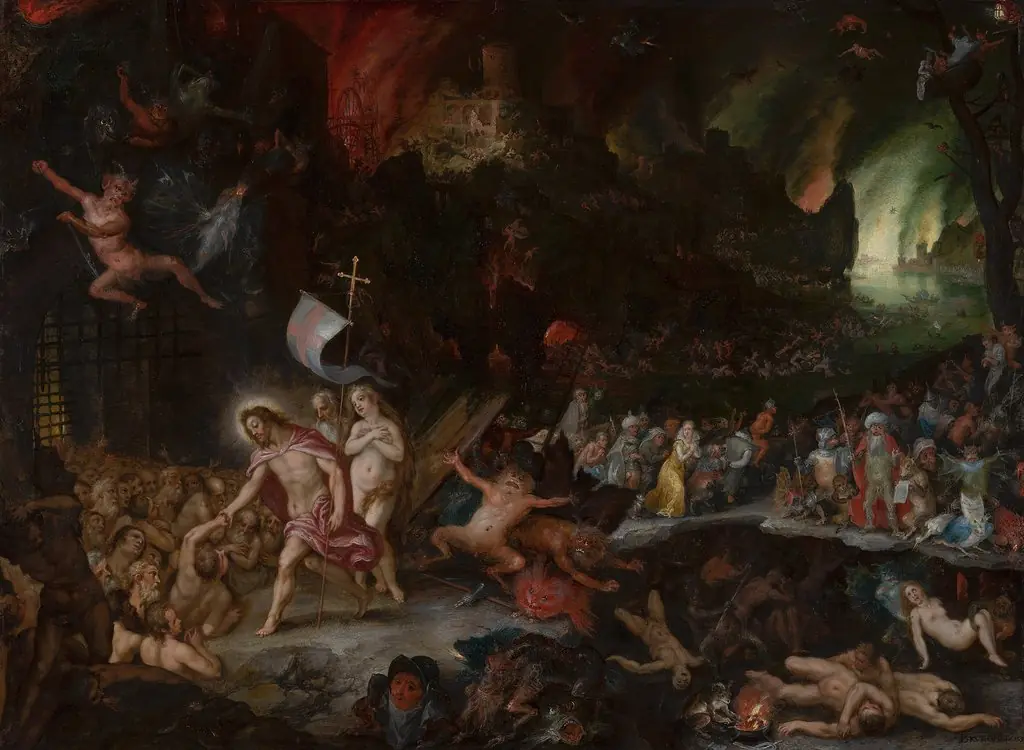 Christ's Descent into Limbo
 A Witches' Sabbath
 Temptation of St. Athony