Artwork
Death on the Pale Horse
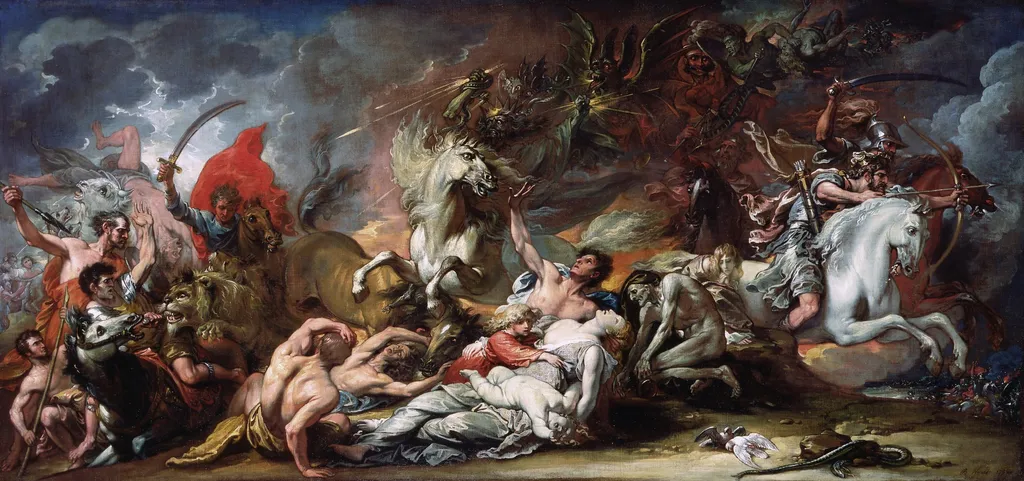
Death on the Pale Horse is an oil painting by Benjamin West. It dates from 1798 and is held in the collection of the Detroit Institute of Arts.
About this work
Overview
Benjamin West, an American artist based in London, finished *Death on the Pale Horse* in 1798.
Benjamin West, an American artist based in London, finished *Death on the Pale Horse* in 1798. A large-scale oil painting, it belongs to a series of works exploring apocalyptic themes. West, a central figure in Britain’s artistic establishment and a founder of the Royal Academy, turned to biblical allegory to convey universal themes of mortality and divine judgment, moving beyond his earlier historical subjects.
Subject & Meaning
The painting illustrates the Fourth Horseman of the Apocalypse from the Book of Revelation, riding a pale horse and wielding a bow. Surrounding figures—men, women, and children—express varied reactions to impending doom: some collapse in despair, others reach helplessly skyward. The scene is not a literal narrative but a symbolic representation of collective suffering, emphasizing the inevitability of death and the fragility of human order.
Technique & Style
West employed chiaroscuro to heighten emotional intensity, contrasting deep shadows with stark highlights that isolate the central horse and rider. Figures are rendered with exaggerated gestures and anatomical tension, drawing from classical sculpture and Renaissance drama. The composition is tightly packed, with diagonal lines guiding the eye toward the horse’s rearing form, while the dark, turbulent sky reinforces the sense of cosmic upheaval.
History & Provenance
Commissioned by King George III, the painting was completed after years of preparatory studies and multiple versions. West exhibited it in London to considerable public attention, though critical reception was divided. It remained in royal collections until the 19th century, later transferred to the Tate Britain, where it continues to be held as part of the national collection of British art.
Context
Created during the aftermath of the French Revolution and amid widespread political unrest, the painting resonated with contemporary anxieties about societal collapse and divine retribution. West’s choice of a biblical subject allowed him to address these fears indirectly, avoiding direct political commentary while still engaging with the era’s prevailing sense of instability and moral uncertainty.
Legacy
Though later overshadowed by Romantic painters, West’s *Death on the Pale Horse* influenced 19th-century artists exploring grand allegorical themes. Its dramatic scale and emotional gravity helped sustain the tradition of history painting in Britain. The work remains a significant example of how Enlightenment-era artists used religious imagery to grapple with the uncertainties of their age.
Artist & collection

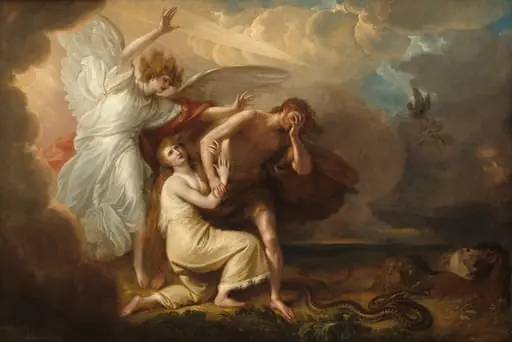 The Expulsion of Adam and Eve from Paradise
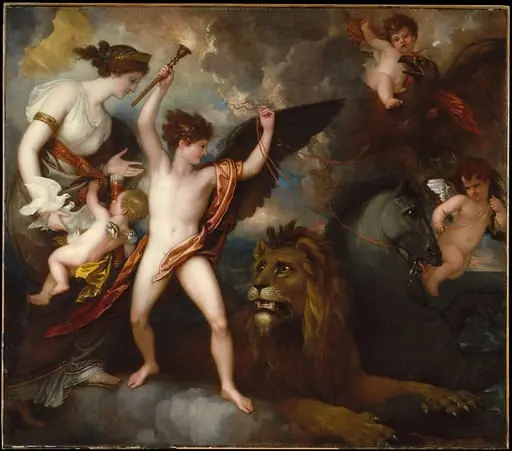 Omnia Vincit Amor, or The Power of Love in the Three Elements
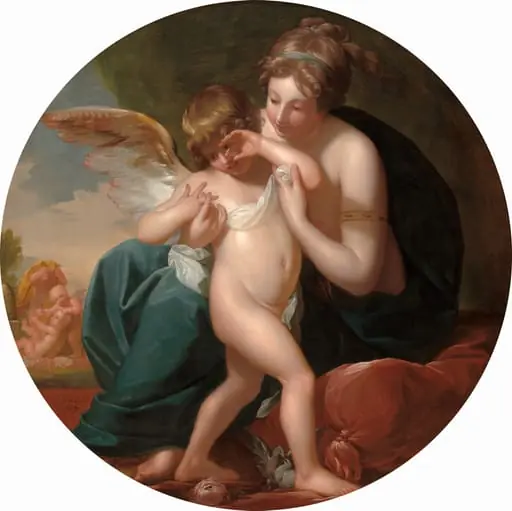 Cupid, Stung by a Bee, Is Cherished by his Mother
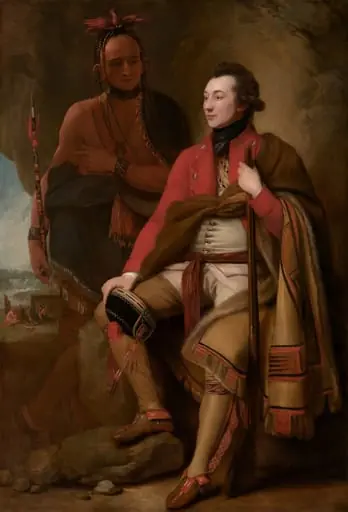 Colonel Guy Johnson and Karonghyontye (Captain David Hill)
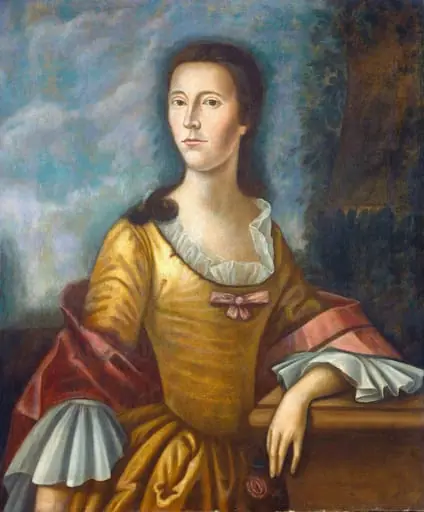 Mary Bethel Boude (Mrs. Samuel Boude)
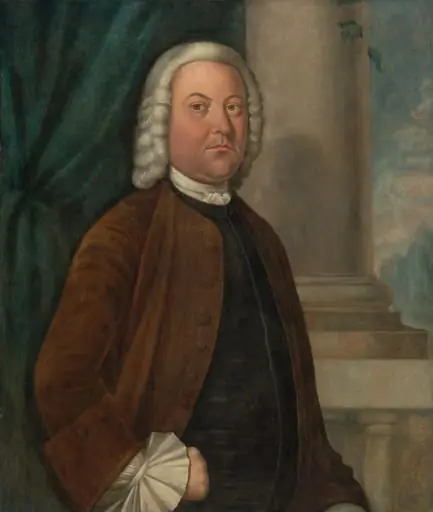 Dr. Samuel Boude
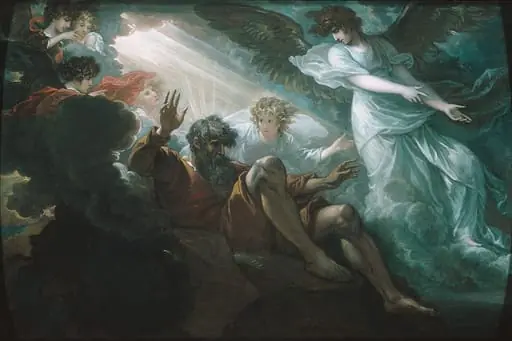 Moses Shown the Promised Land
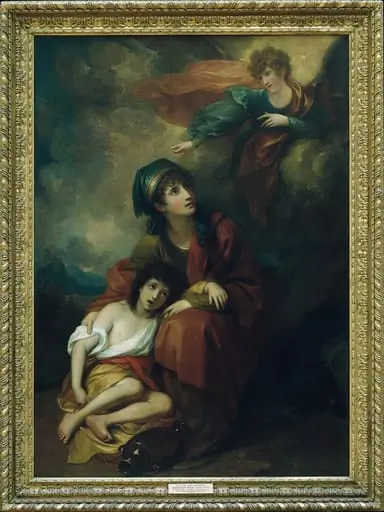 Hagar and Ishmael
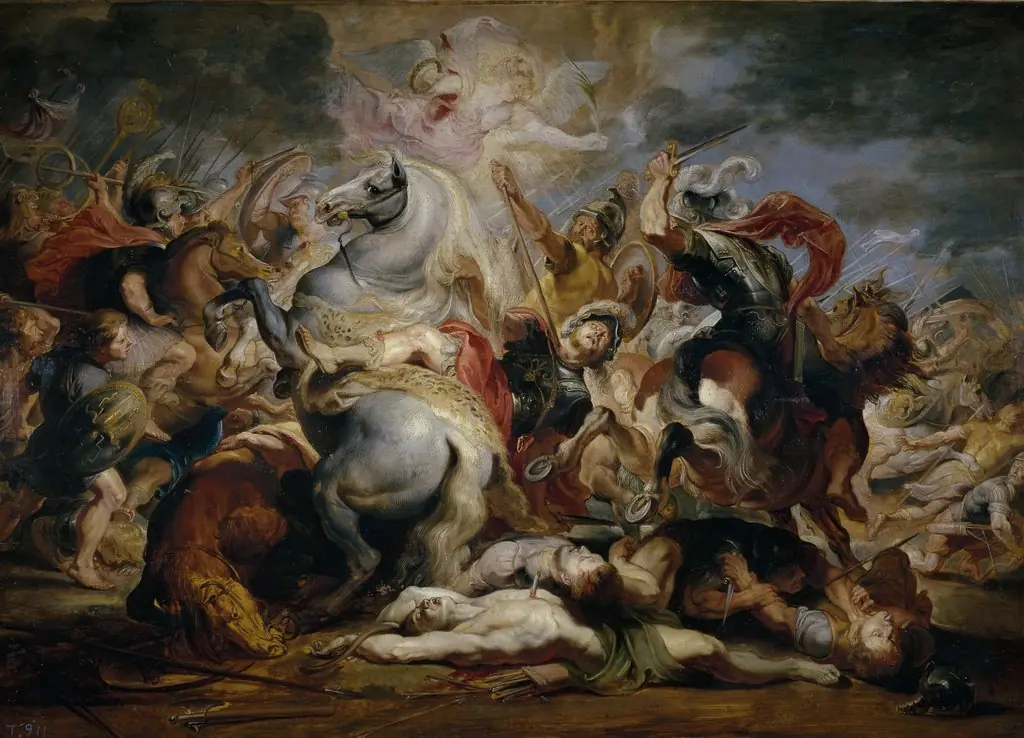 The Death of the Consul Decius
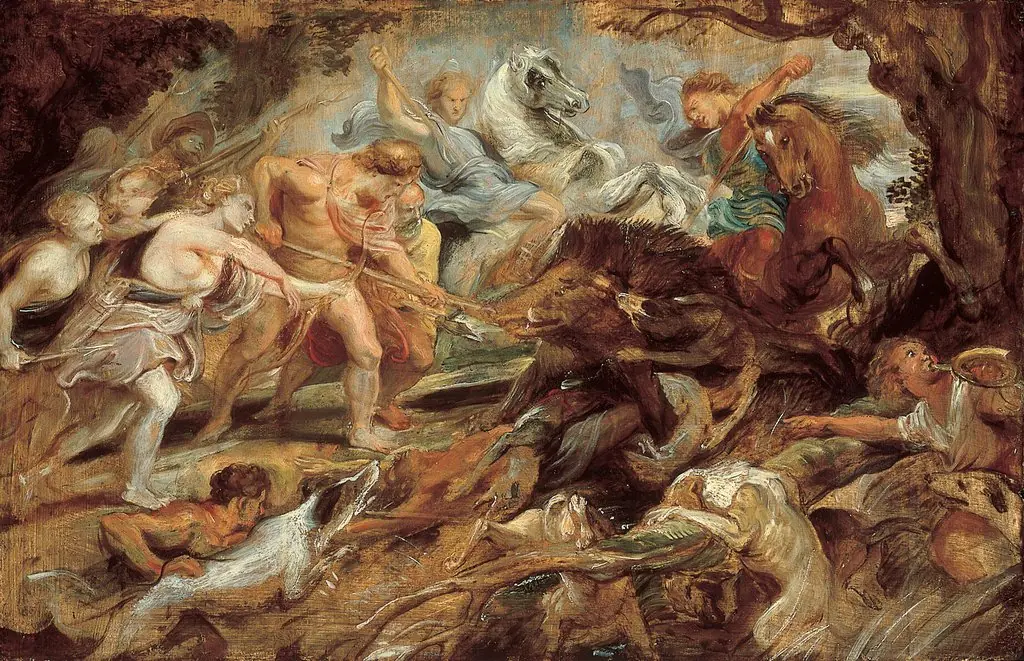 Meleager and Atalanta and the Hunt of the Calydonian Boar
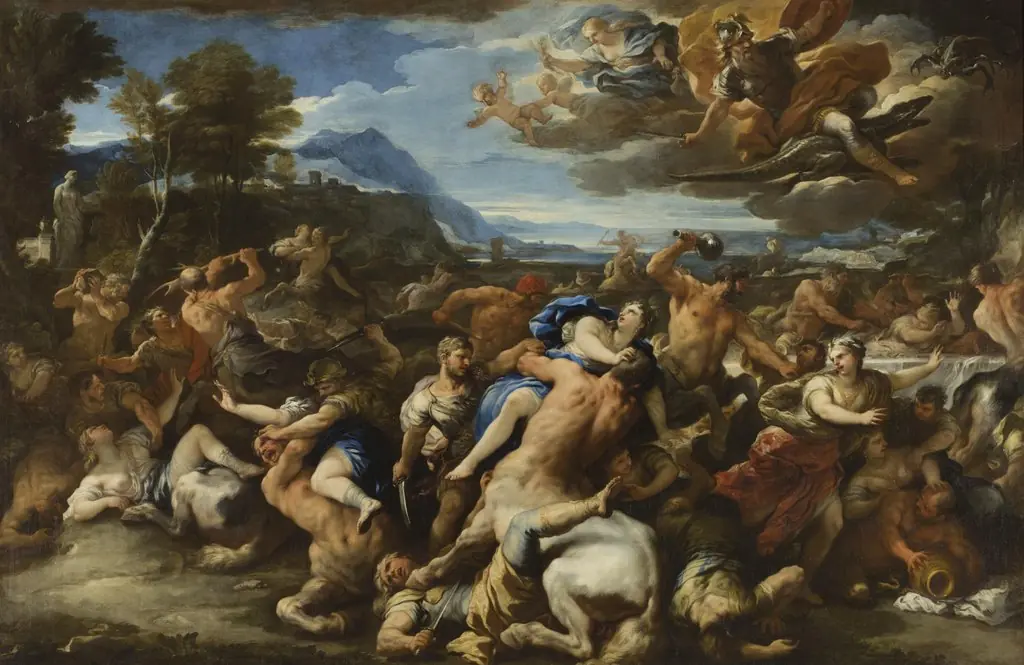 Battle Between the Lapiths and Centaurs
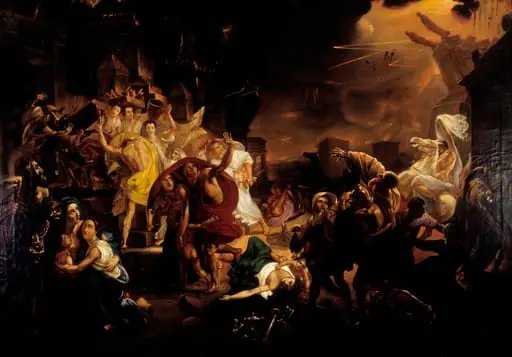 Pompejin viimeiset päivät, kopio
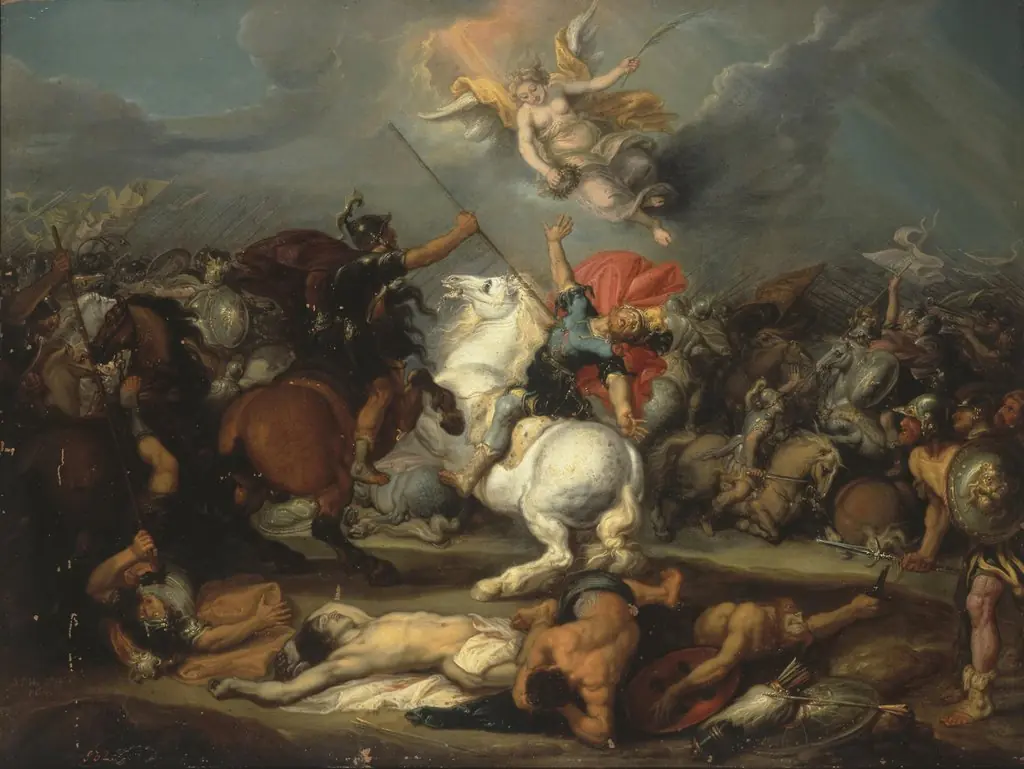 Death of Decius Mus
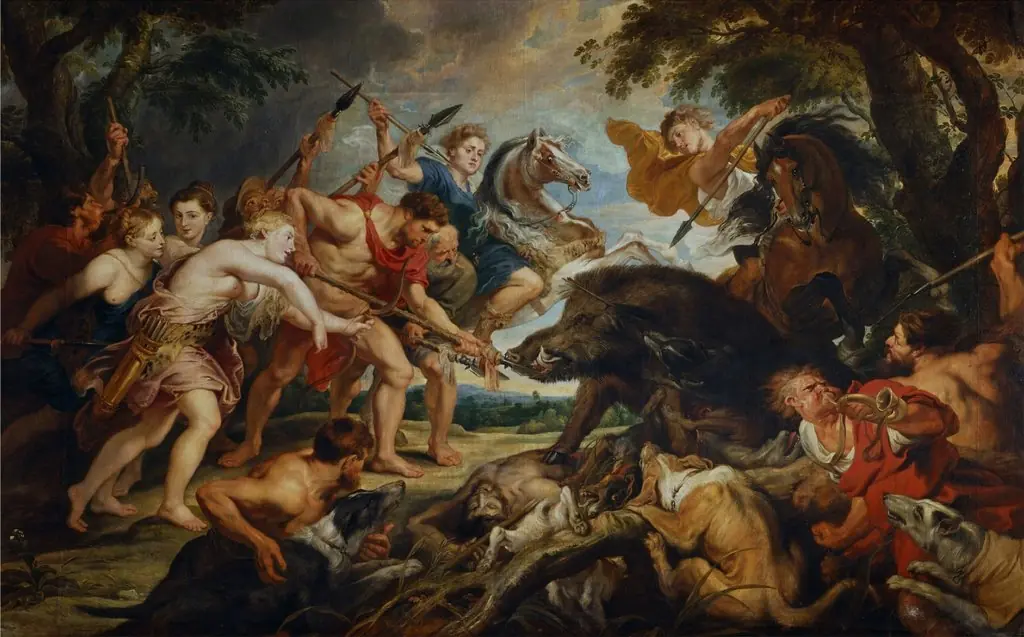 The hunt of Meleagros and Atalante
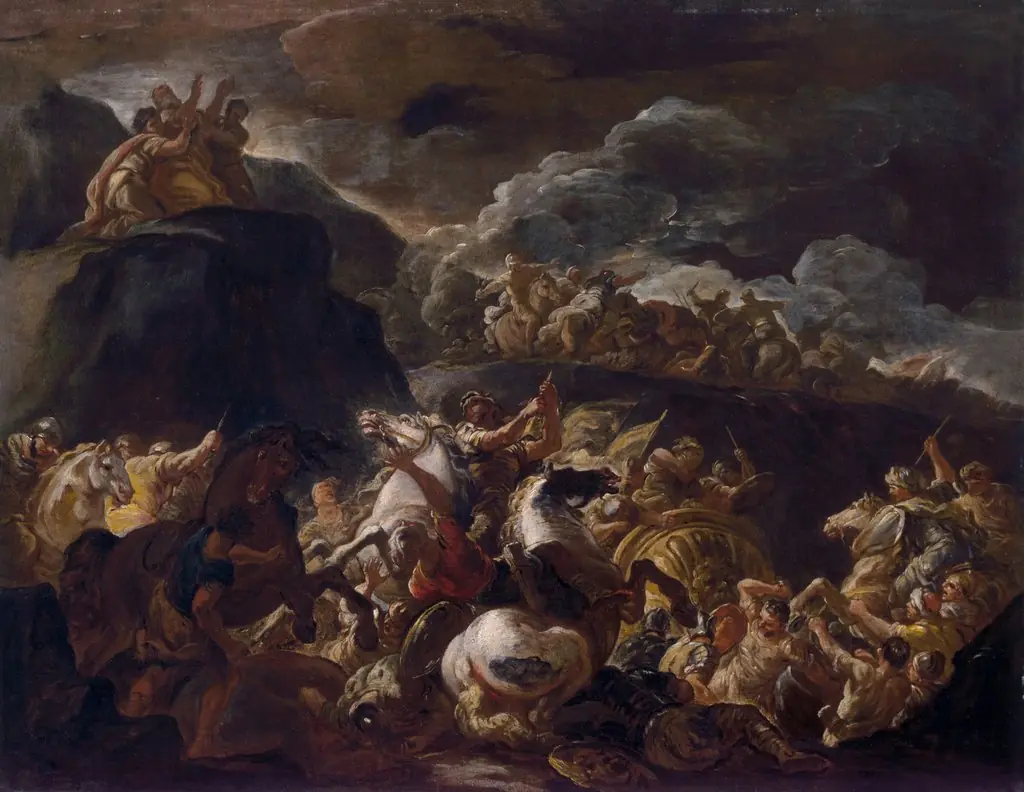 The Battle of Israel and Amalek
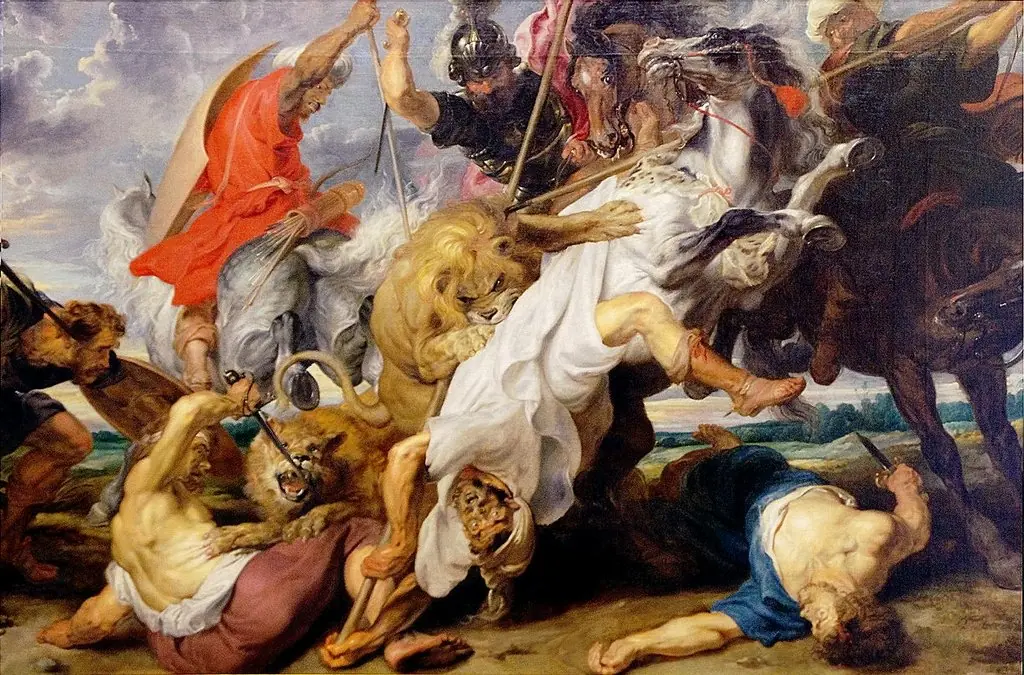 The Lion Hunt
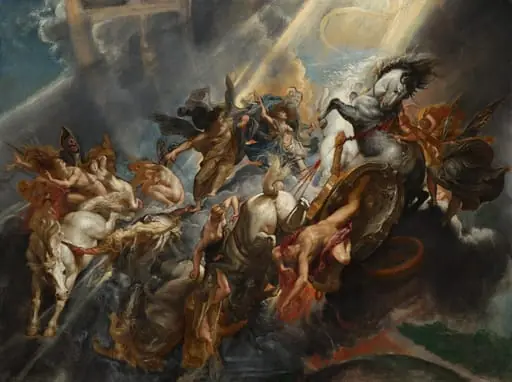 The Fall of Phaeton
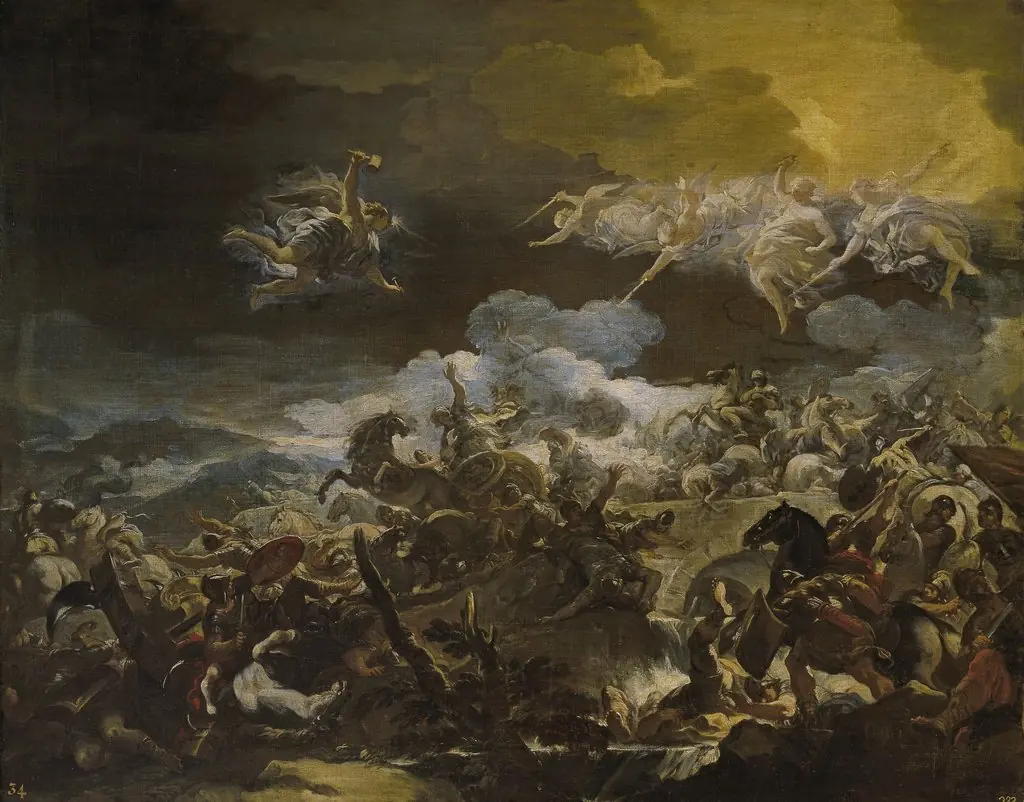 The Defeat of Sisera
 Die “Dulle Griet” unternimmt einen Raubzug vor der Hölle
 The Sack of Jerusalem by the Romans