Artwork
Tentações de Santo Antão
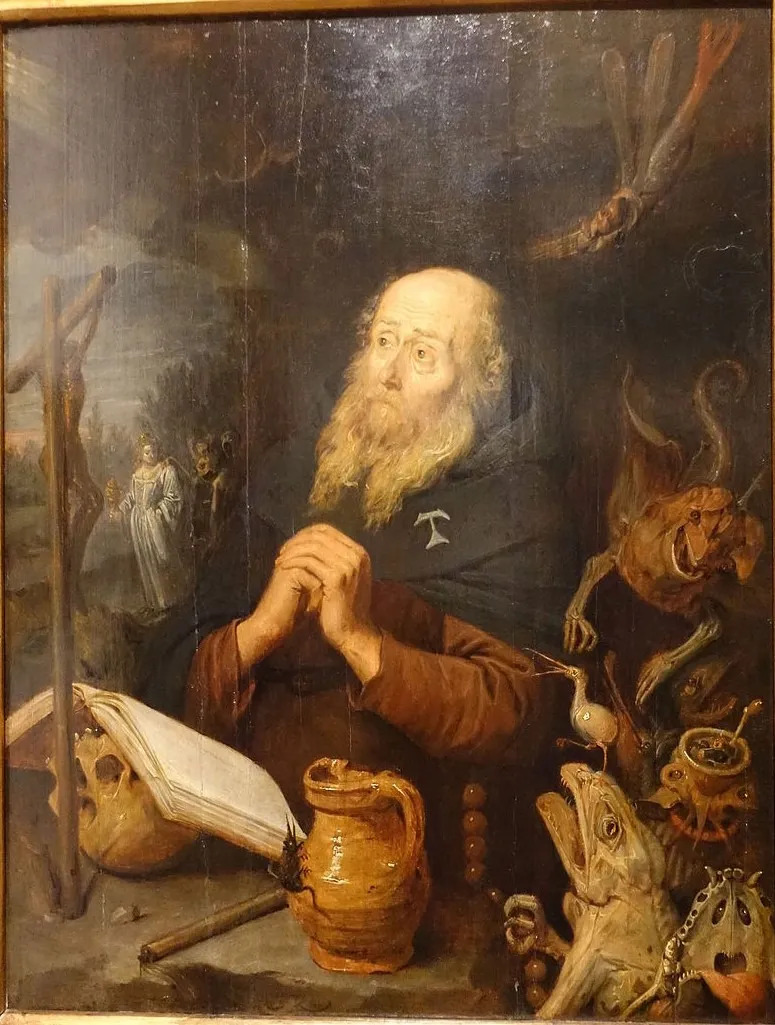
Tentações de Santo Antão is an unspecified painting by the Flemish Baroque painting artist David Ryckaert III. It is held in the collection of the National Museum of Ancient Art.
About this work
Overview
Executed in oil on panel, it reflects Ryckaert’s engagement with Flemish Baroque traditions and his interest in solitary, contemplative subjects.
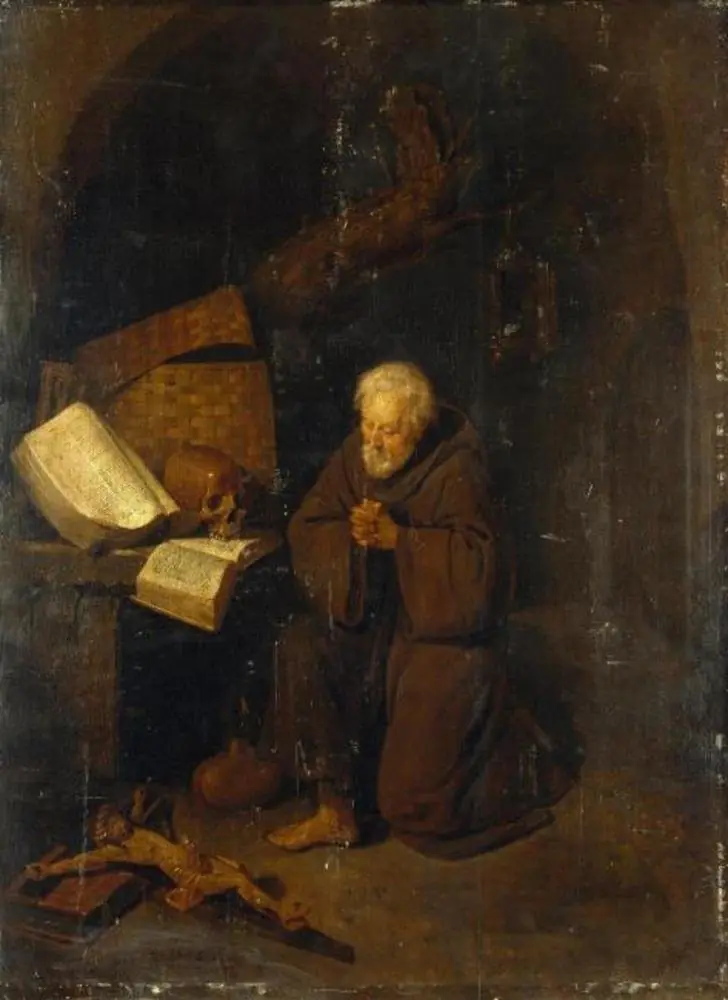
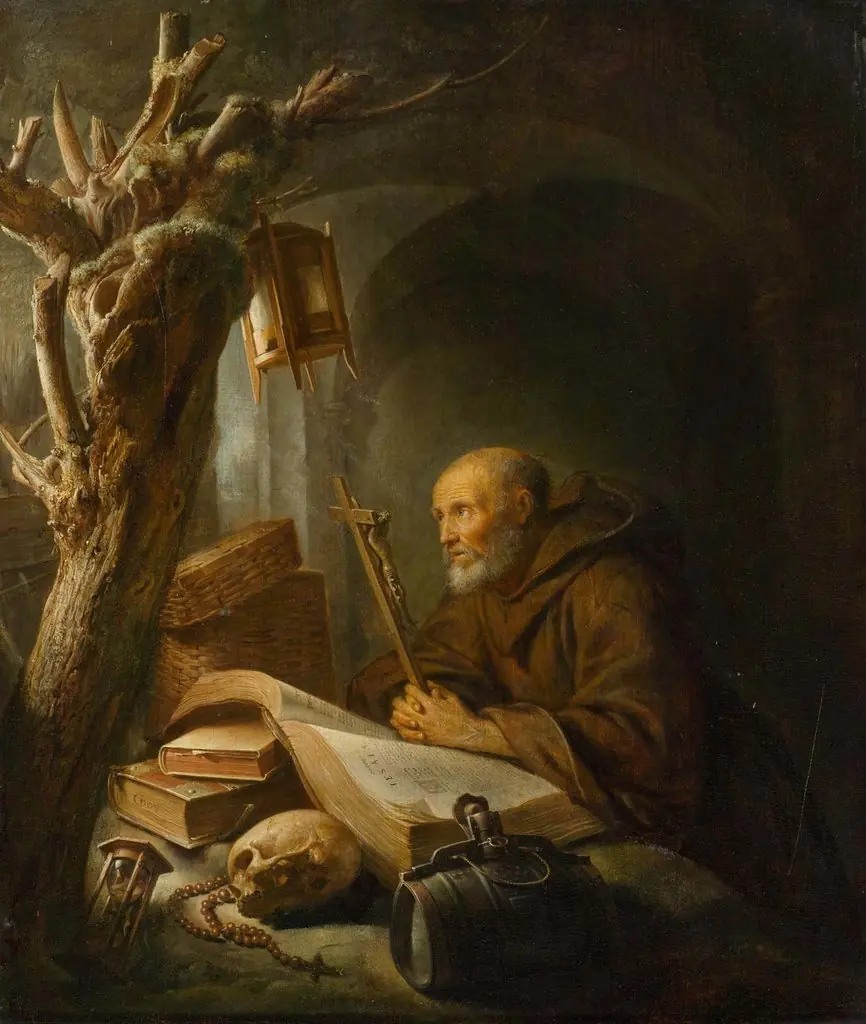
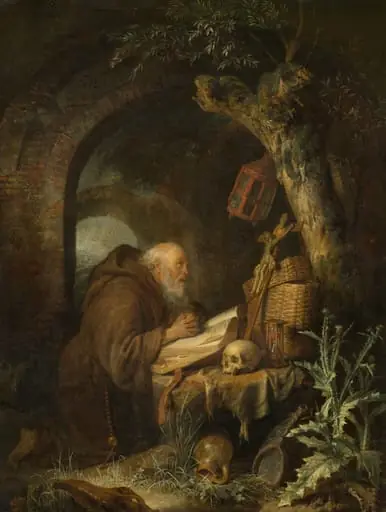
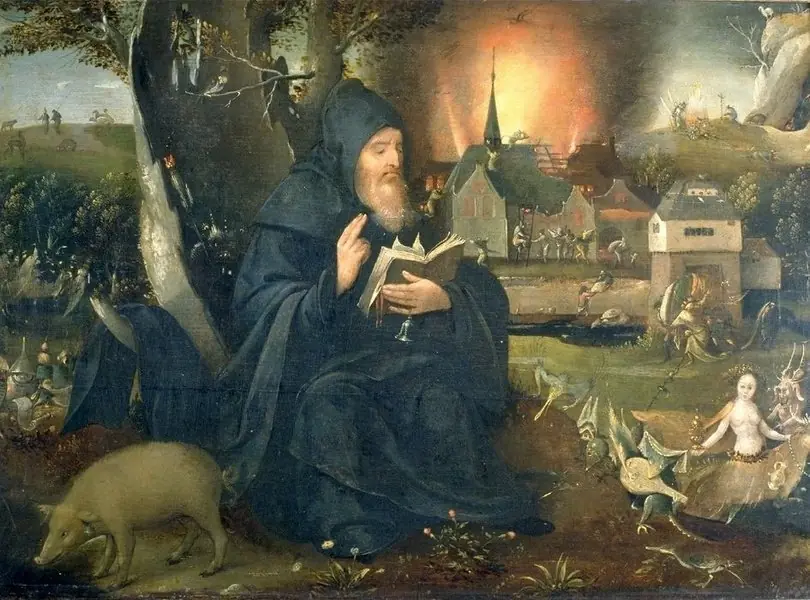
Painted in the late 17th century by David Ryckaert III, this work depicts Saint Anthony the Great confronting spiritual trials. Though often associated with dramatic hellscapes, this composition takes a quieter approach, focusing on the saint’s inner resolve. Executed in oil on panel, it reflects Ryckaert’s engagement with Flemish Baroque traditions and his interest in solitary, contemplative subjects. The painting resides today in the National Museum of Ancient Art in Lisbon.
Subject & Meaning
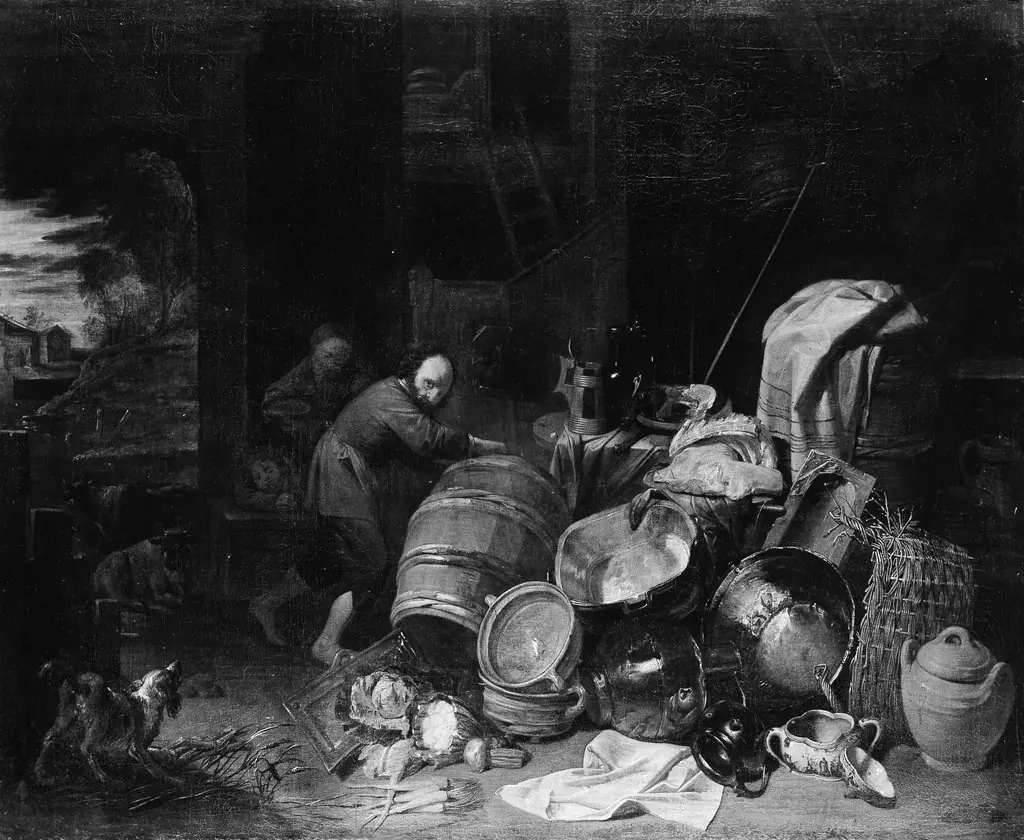
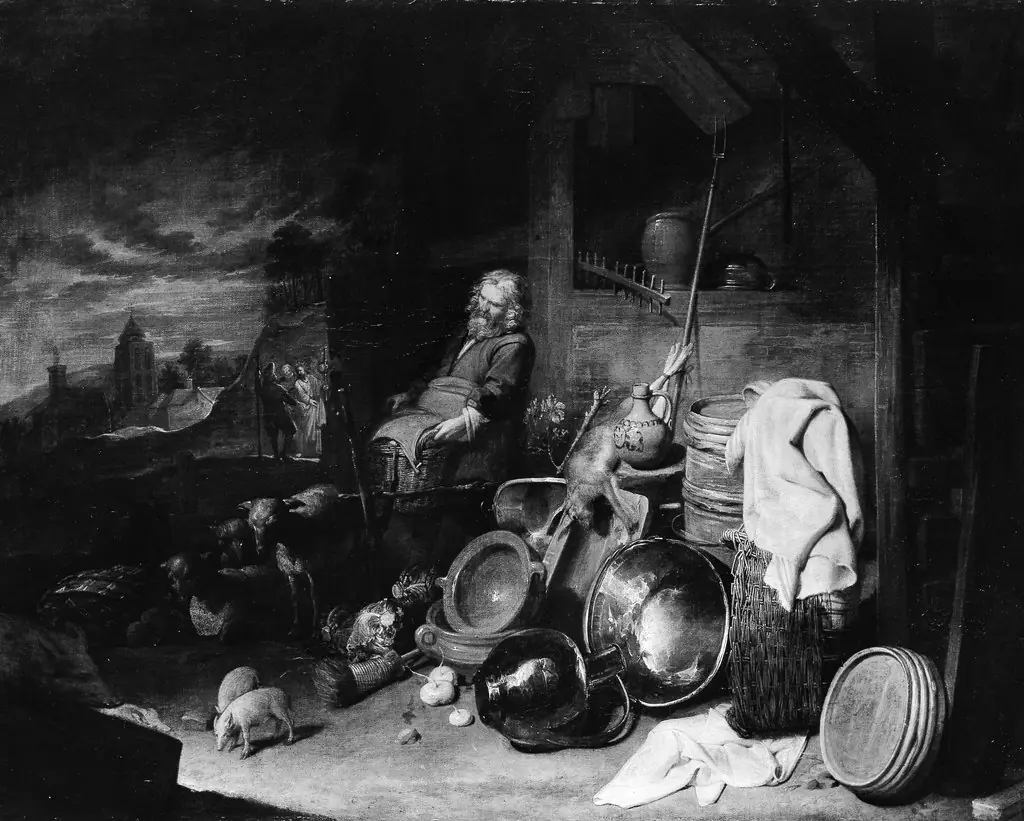
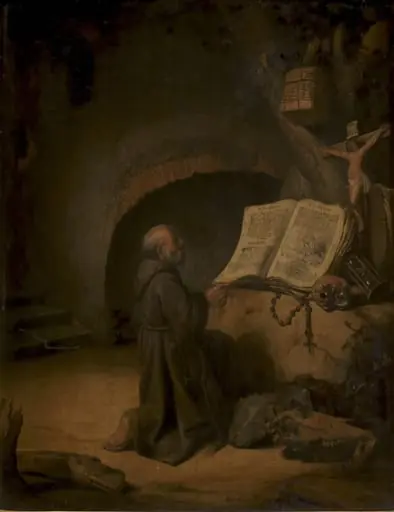
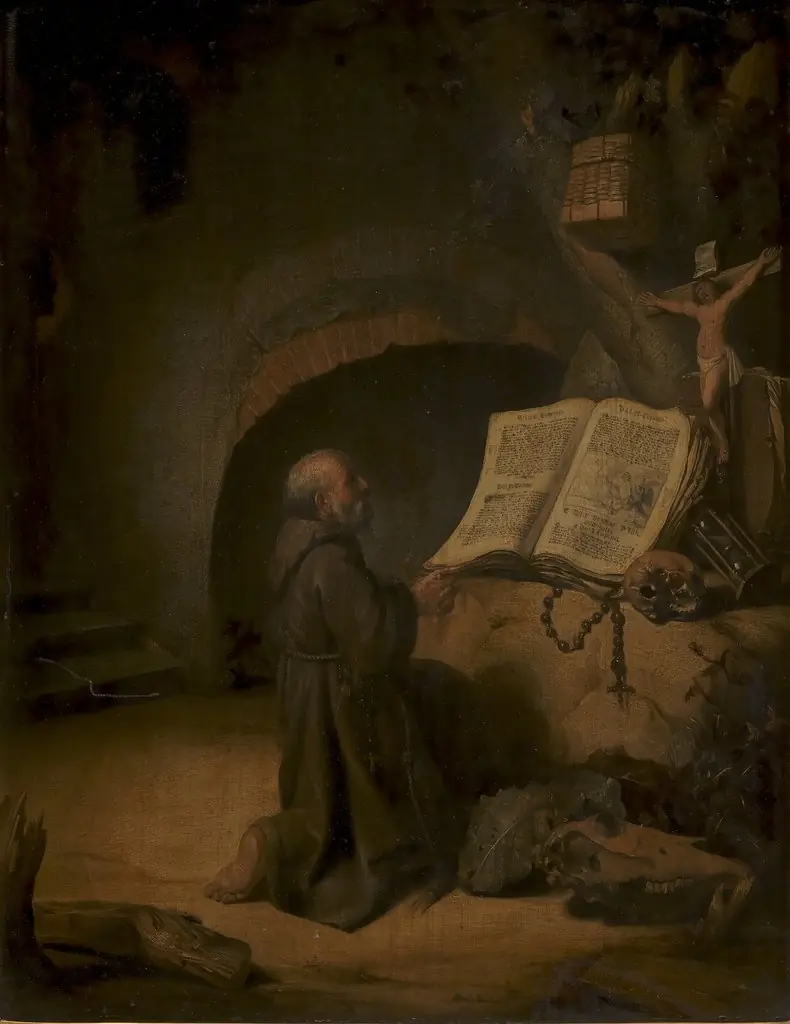
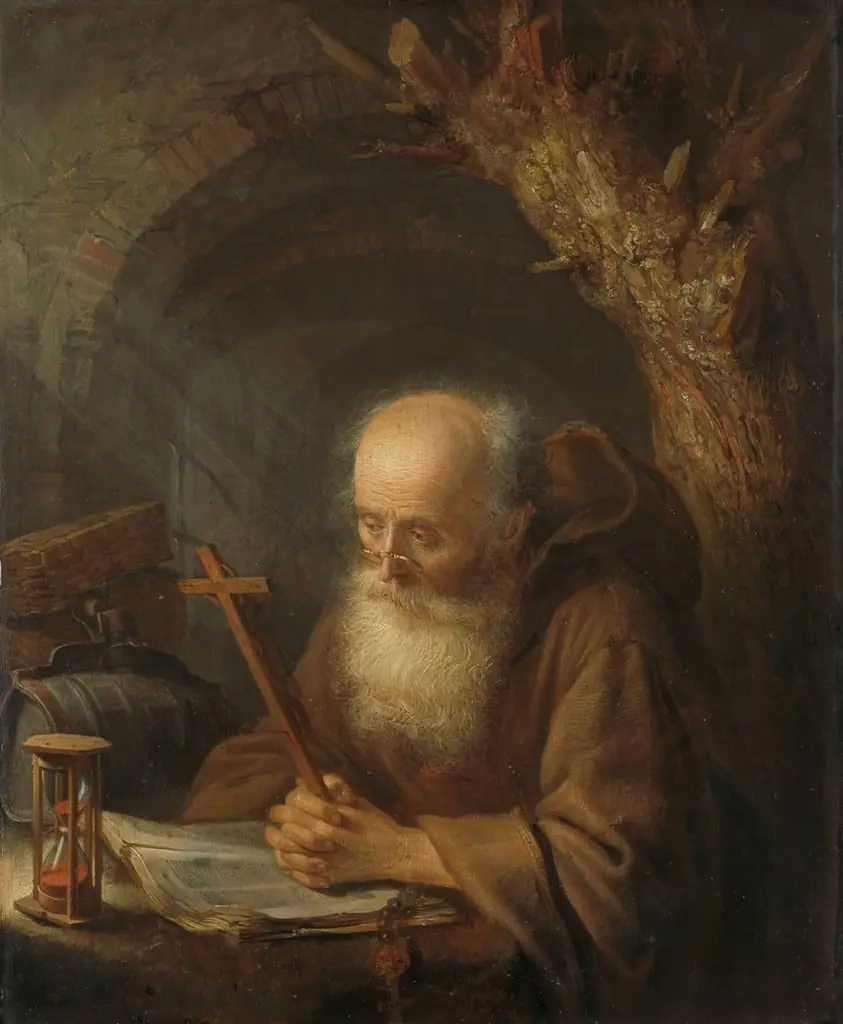
The painting shows Saint Anthony, identified by his long white beard and dark robe bearing a white emblem, seated in stillness amid objects associated with his ascetic life: a book, a jug, and a staff. His clasped hands suggest prayer or meditation, emphasizing inner struggle over external chaos. Rather than illustrating violent demons, the scene conveys temptation as a silent, psychological trial, aligning with monastic ideals of endurance through quiet faith.
Technique & Style
Ryckaert employs subtle chiaroscuro to model form and direct attention toward the saint’s face and hands. Textures are rendered with careful impasto, particularly in the fabric of the robe and the surfaces of the objects. The composition is tightly arranged, with cluttered yet deliberate still-life elements framing the figure. The muted palette and controlled lighting enhance the atmosphere of introspection, distinguishing it from more theatrical depictions of the saint.
History & Provenance
Created around 1700, the painting likely originated in Antwerp, where Ryckaert was active under aristocratic patronage, including the court of the Southern Netherlands’ governor. Its journey to Lisbon remains undocumented, but its presence in the National Museum of Ancient Art suggests it entered Portuguese collections during the 18th or 19th century, possibly through ecclesiastical or diplomatic channels.
Context
In the late Baroque period, depictions of Saint Anthony varied from grotesque visions to serene meditations. Ryckaert’s version reflects a shift toward psychological realism within Flemish religious art, influenced by Counter-Reformation emphasis on personal devotion. His focus on the saint’s solitude aligns with broader trends in Northern European painting that valued quiet moral reflection over spectacle.
Legacy
Though less known than his hellish genre scenes, this painting exemplifies Ryckaert’s range and his ability to convey spiritual tension without overt drama. It contributes to the understanding of how Flemish artists adapted traditional hagiography to suit evolving devotional tastes. Today, it stands as a quiet testament to the endurance of contemplative faith in an age of visual spectacle.
Artist & collection
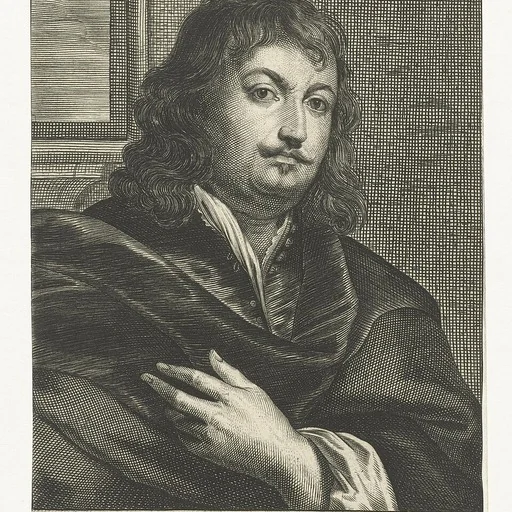
Artist
David Ryckaert III, David Rijckaert III or David Rijckaert the Younger (2 December 1612, Antwerp – 11 November 1661, Antwerp) was a Flemish painter known for his contribution to genre painting, in particular through his scenes of merry…