Artwork
San Francesco penitente
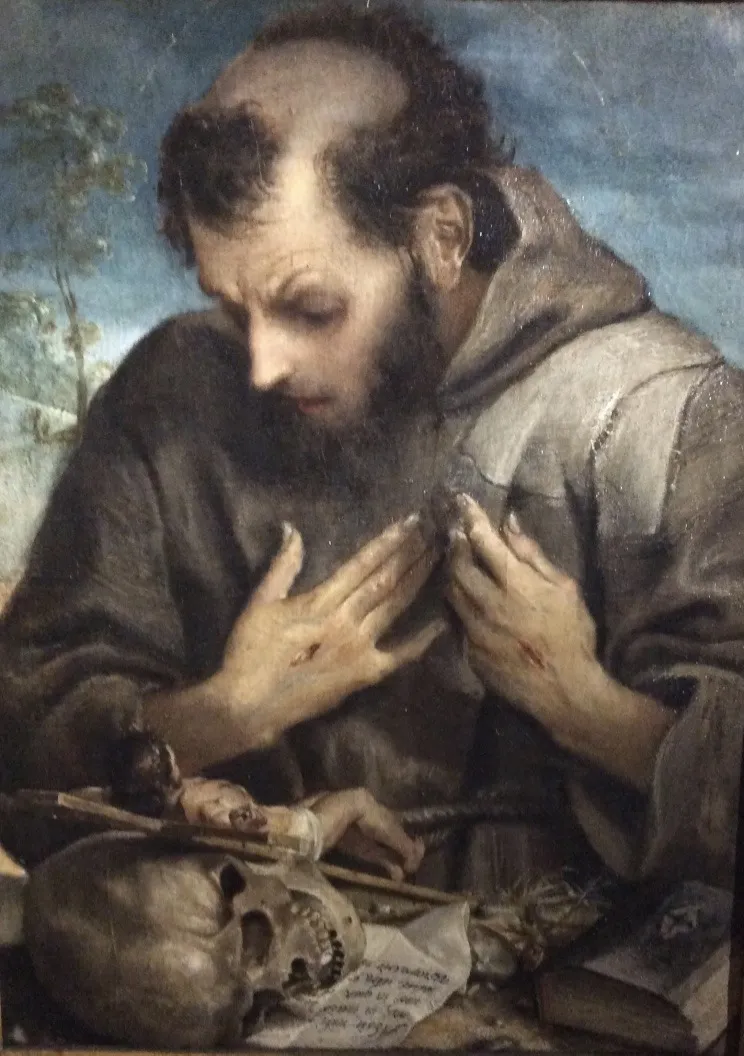
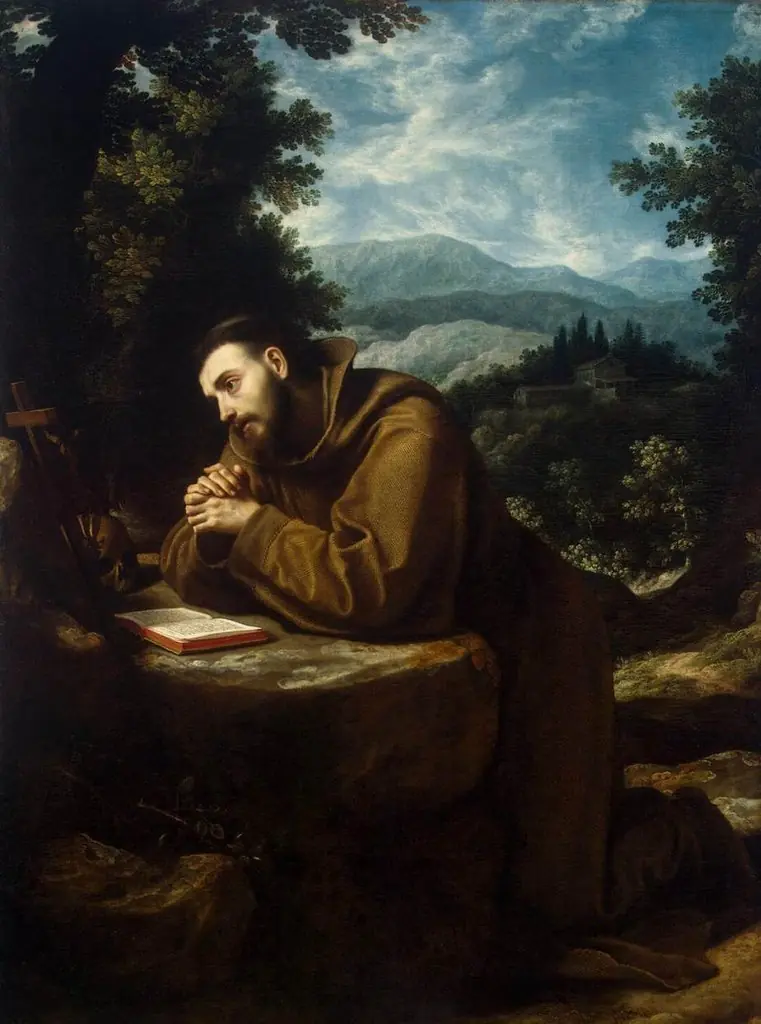
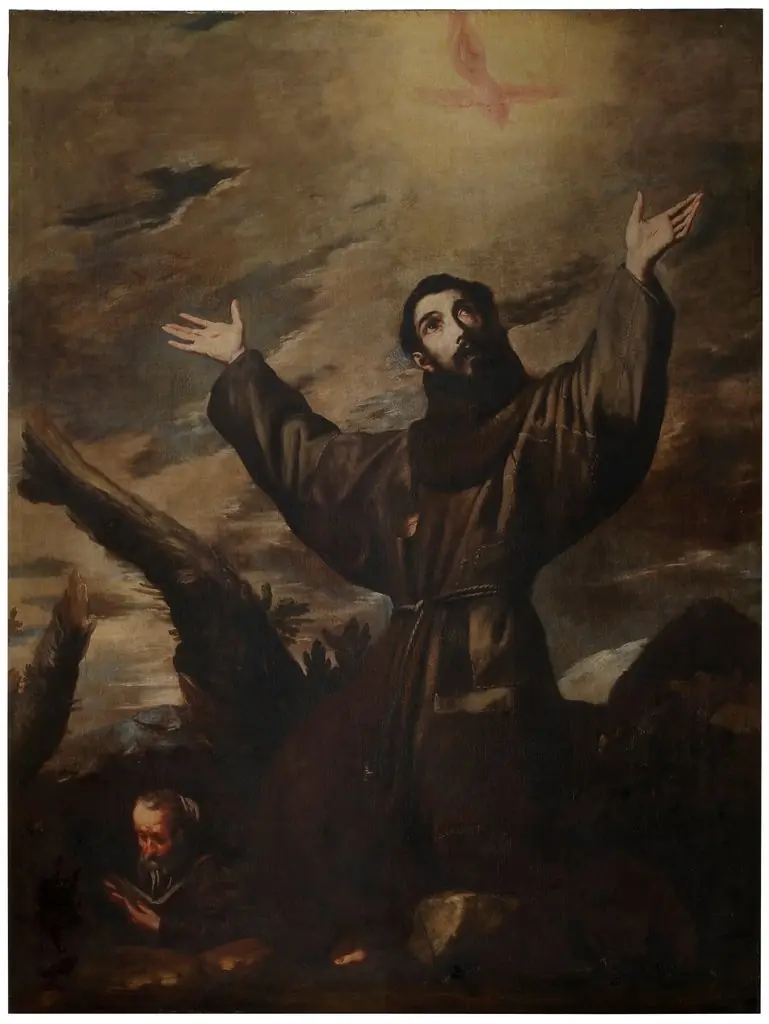
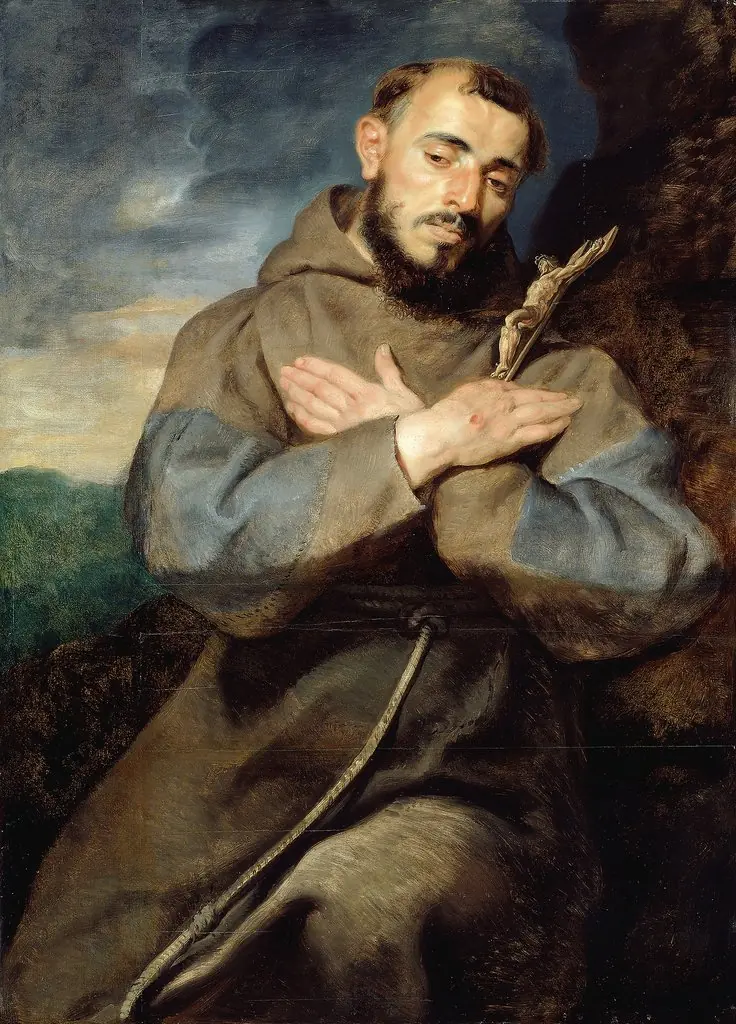
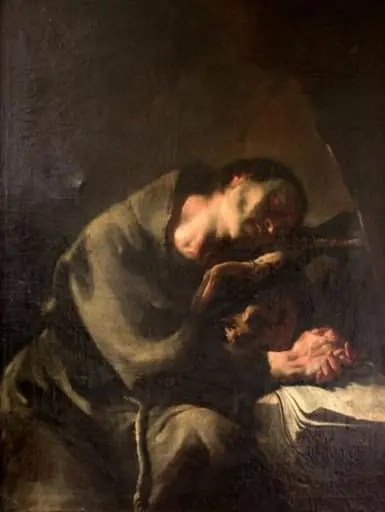
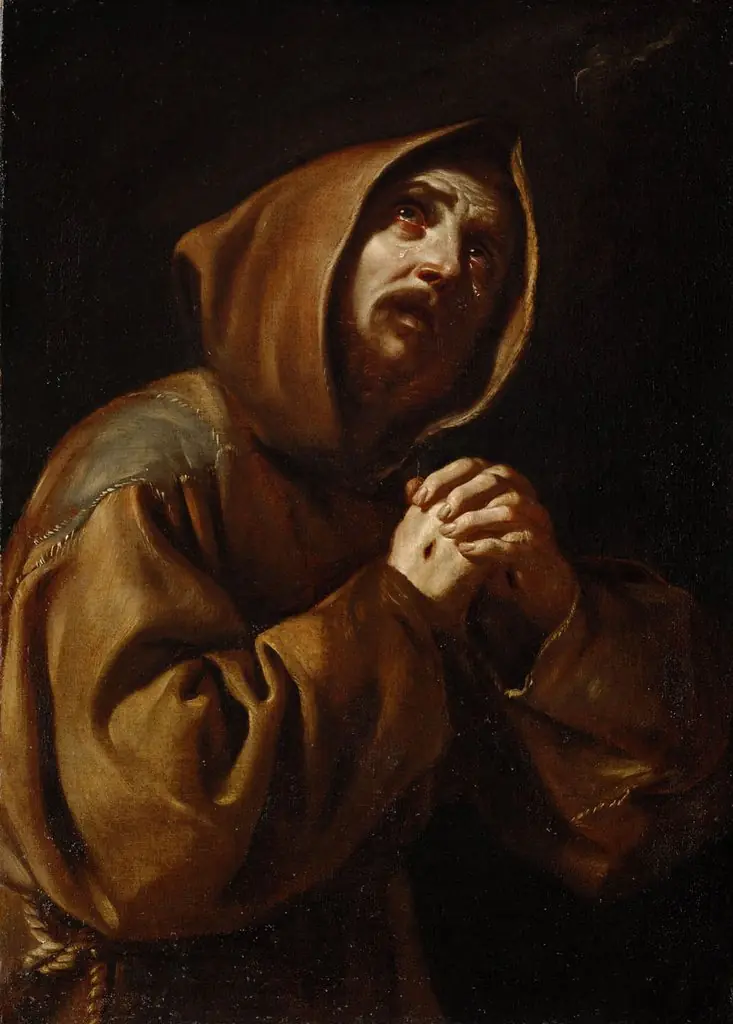
San Francesco penitente is an oil painting by the Early Baroque Italian artist Annibale Carracci. It dates from 1593 and is held in the collection of the Capitoline Museums.
About this work
Overview
Painted in 1593 by Annibale Carracci, *San Francesco penitente* is an oil-on-canvas work from the early Baroque period.
Painted in 1593 by Annibale Carracci, *San Francesco penitente* is an oil-on-canvas work from the early Baroque period. Carracci, active in Bologna and later Rome, developed a style that reconciled naturalism with classical restraint. This painting reflects his emerging approach to religious subjects, emphasizing emotional gravity over theatricality. It is now part of the Capitoline Museums’ collection in Rome.
Subject & Meaning
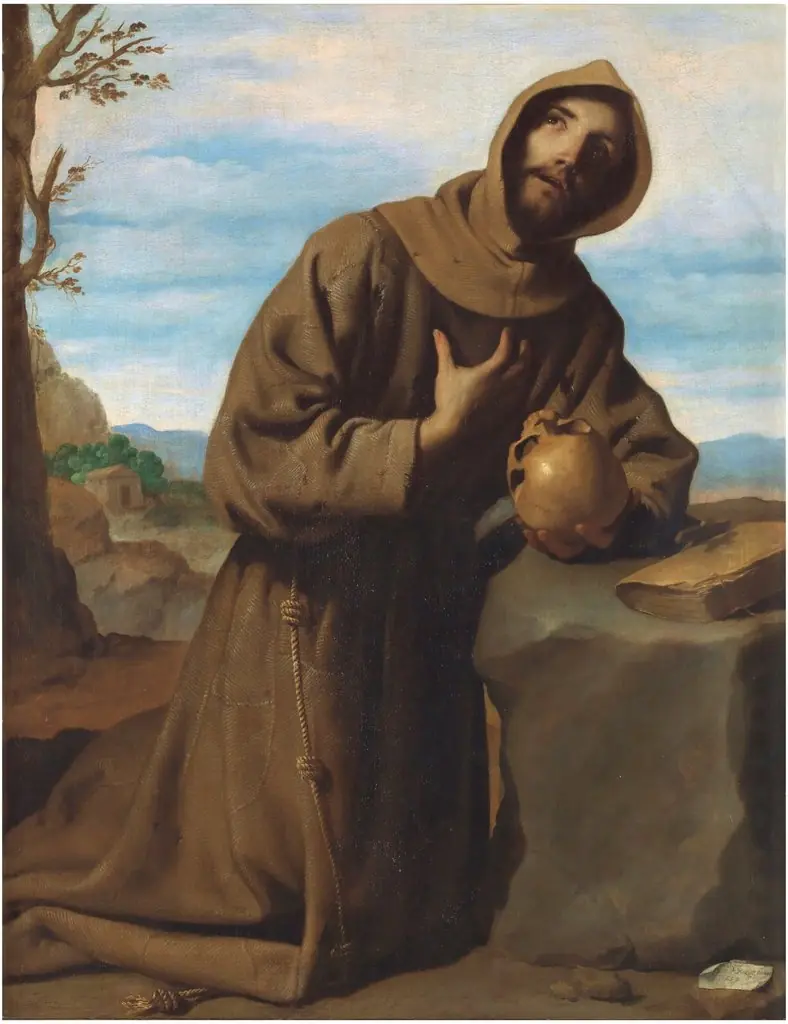
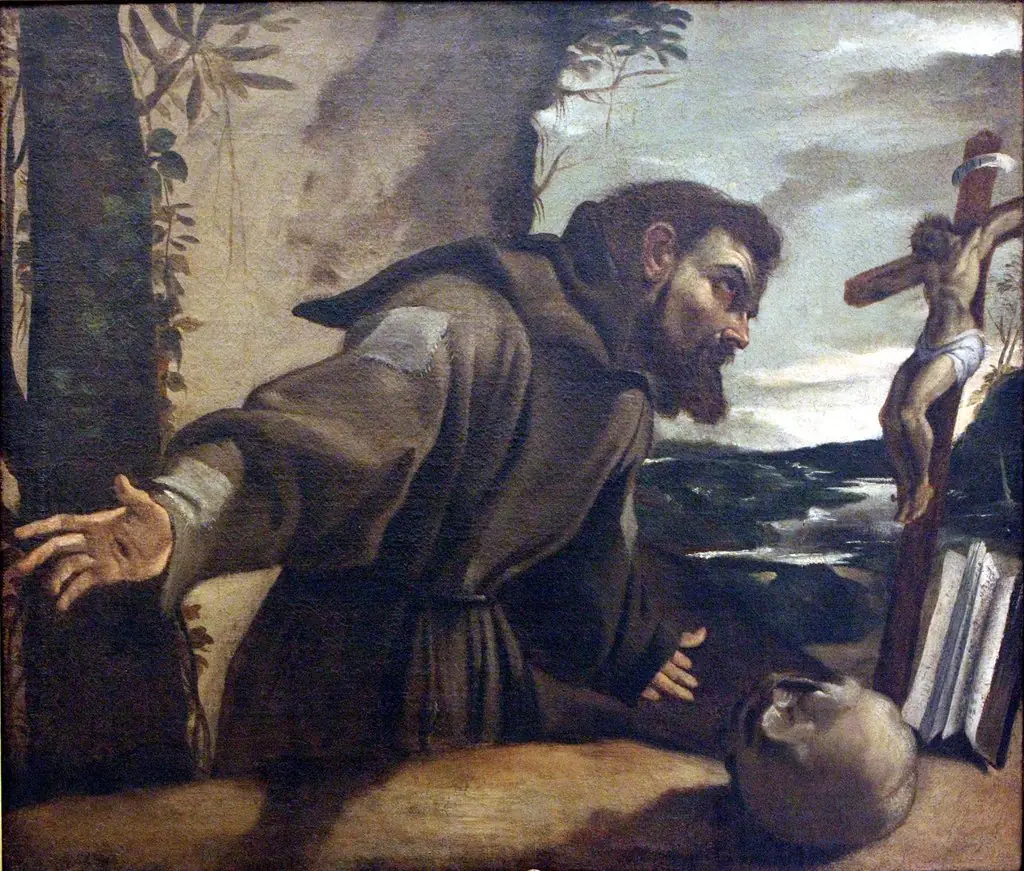
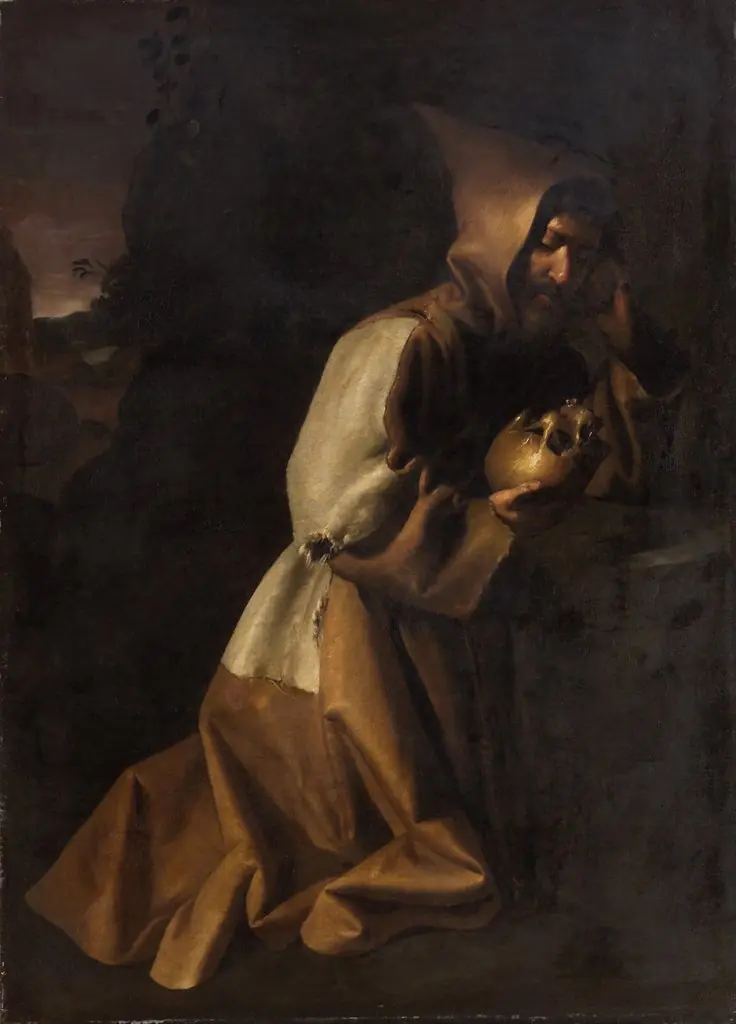
The painting portrays Saint Francis of Assisi in a moment of solitary contemplation, his hands folded in prayer. A skull rests nearby, a traditional memento mori symbolizing mortality and spiritual reckoning. His simple robe and bare feet signal renunciation of worldly goods. The quiet intensity of his gaze suggests inner turmoil and devotion, aligning with Franciscan ideals of humility and penitence.
Technique & Style
Carracci employs chiaroscuro to model the saint’s form with subtle gradations of light and shadow, lending volume and emotional weight. The background, a soft blue sky with distant trees, recedes gently, focusing attention on the figure. Brushwork is controlled yet expressive, avoiding overt drama. The composition is balanced and intimate, prioritizing psychological depth over narrative action.
History & Provenance
Created during Carracci’s formative years in Bologna, the painting predates his major Roman commissions. It likely served a private devotional context before entering public collections. By the 18th century, it was acquired by the Capitoline Museums, where it remains as part of a broader grouping of early Baroque religious works. Its attribution has remained consistent since its first documented appearance.
Context
In late 16th-century Italy, religious imagery was shifting away from Mannerist complexity toward greater emotional clarity. Carracci responded to Counter-Reformation calls for accessible, sincere devotion. *San Francesco penitente* reflects this trend, drawing on northern European realism and Italian classical harmony to present sanctity as quiet, human, and deeply felt.
Legacy
The painting exemplifies Carracci’s role in bridging Renaissance ideals with Baroque expressiveness. Though less known than his later frescoes, this work influenced contemporaries seeking to depict sacred figures with psychological authenticity. Its restrained power helped define a new mode of religious painting that prioritized inner life over spectacle.
Artist & collection
Artist
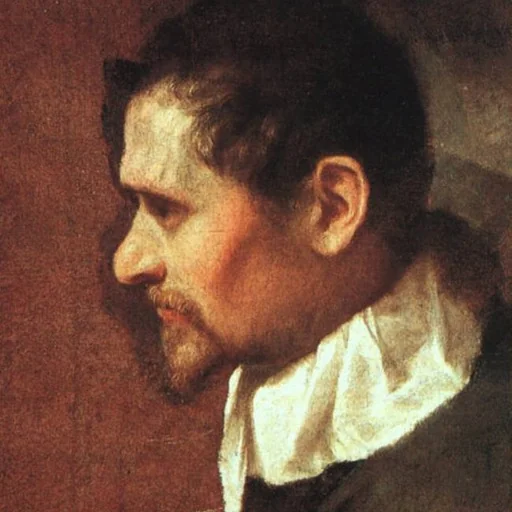
Annibale Carracci ( kə-RAH-chee, UK also kə-RATCH-ee, Italian: ; November 3, 1560 – July 15, 1609) was an Italian painter and instructor, active in Bologna and later in Rome.