Artwork
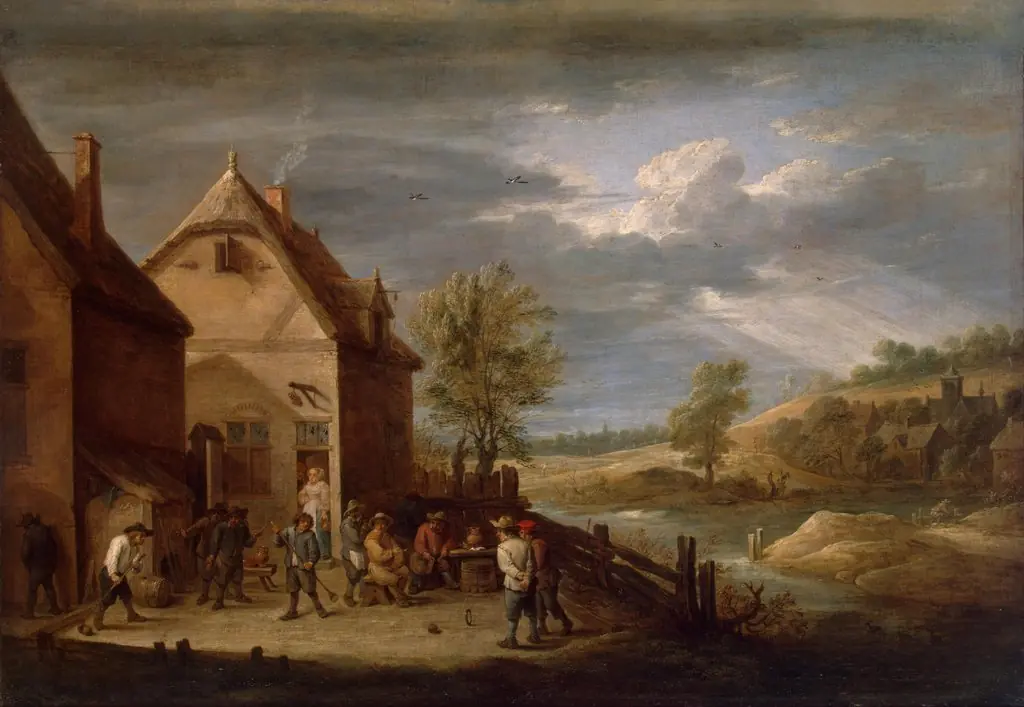
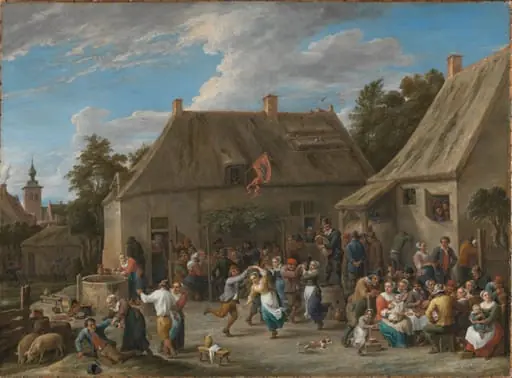
A Countryside Inn, with the innkeeper chopping wood
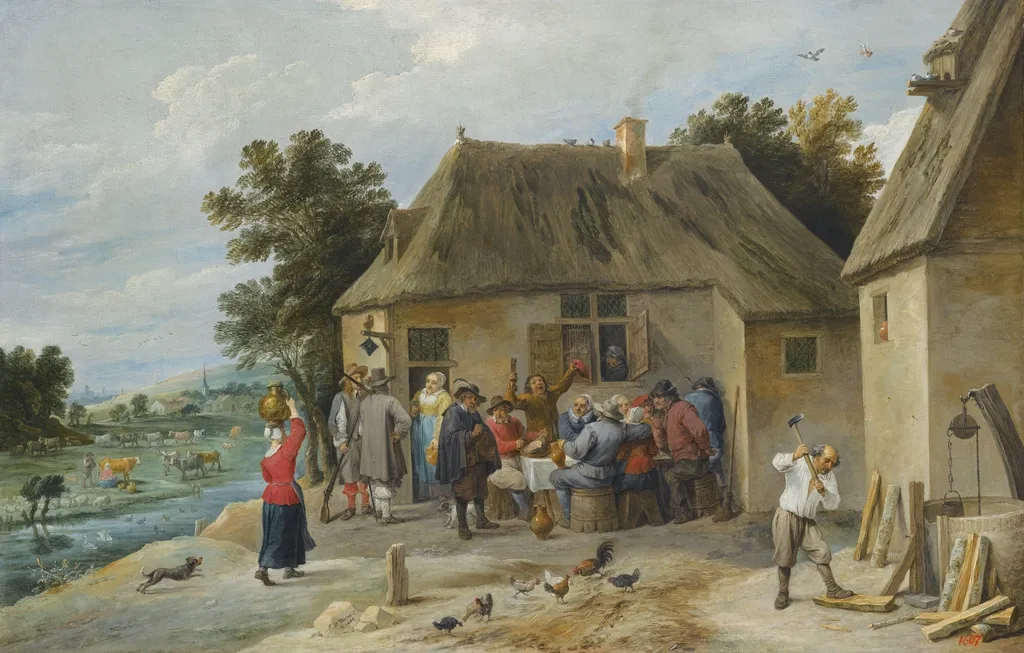
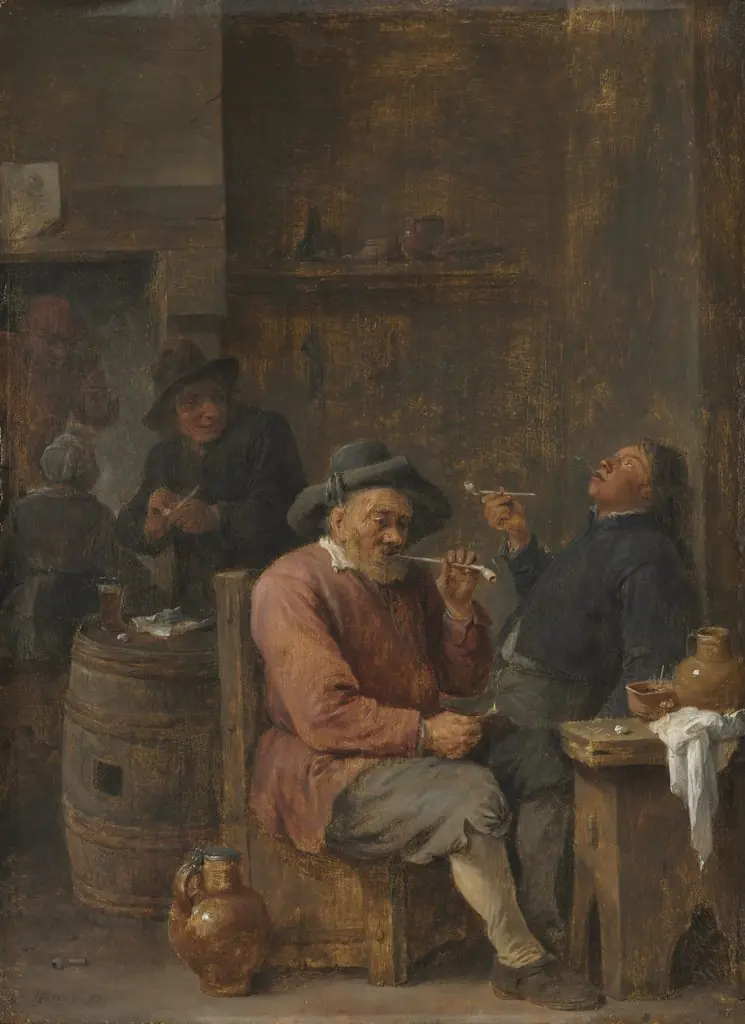
A Countryside Inn, with the innkeeper chopping wood is an oil painting by the Flemish Baroque painting artist David Teniers the Younger. It dates from 1654 and is held in the collection of the Hermitage Museum.
About this work
Overview
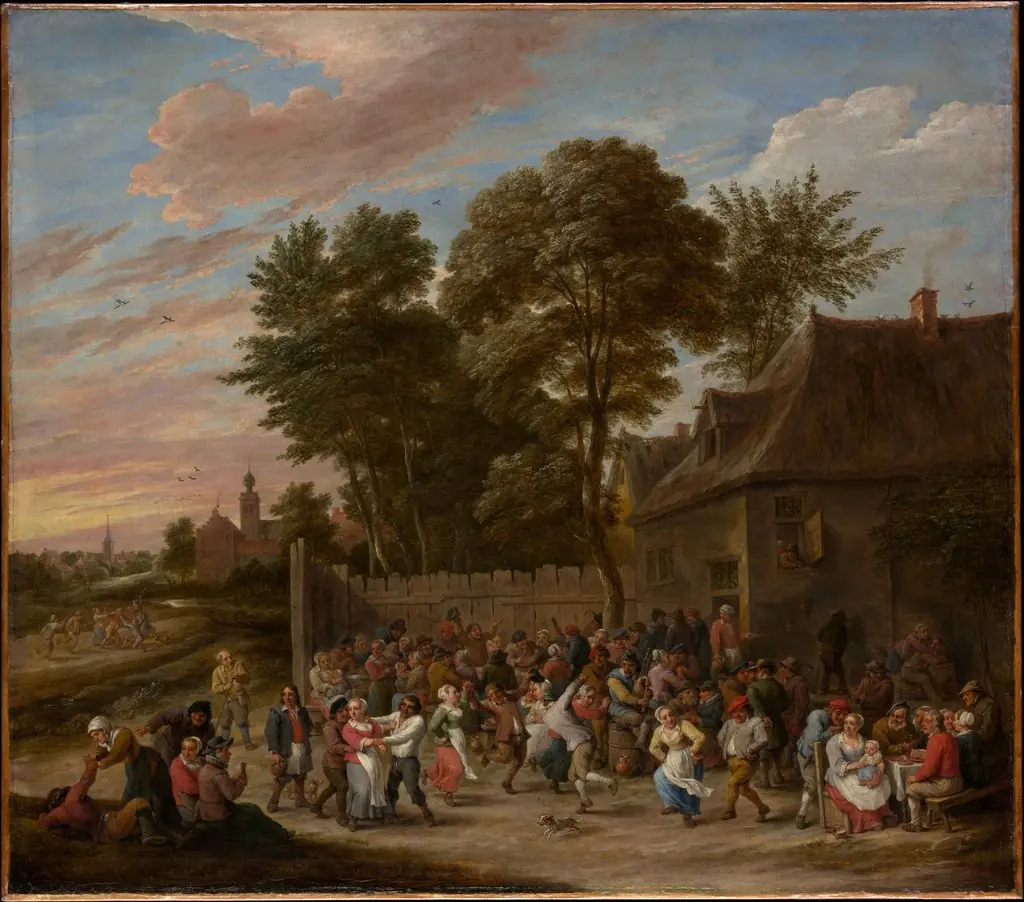
Painted in 1654, this oil-on-canvas work by David Teniers the Younger depicts a rural inn nestled in a quiet countryside. The scene captures everyday labor and social interaction, centered on an innkeeper splitting wood near the entrance. The composition balances human activity with natural elements, framing the inn as both a domestic space and a hub of village life.
Subject & Meaning
The painting portrays ordinary rural life without idealization. Figures gather at a table, a woman observes from a window, and animals move freely around the structure. The innkeeper’s physical labor anchors the scene, suggesting dignity in work. The quiet bustle implies community and routine, reflecting 17th-century Flemish values that honored humble, daily existence over grand narratives.
Technique & Style
The soft, diffused sky grounds the scene in natural light, avoiding dramatic contrast in favor of atmospheric harmony.
Teniers employs chiaroscuro to define forms and direct attention: the innkeeper’s face and torso are illuminated against the darker timber frame, while shadows deepen the eaves and doorway. Brushwork is precise yet unobtrusive, rendering textures like thatch, wool, and wood with quiet realism. The soft, diffused sky grounds the scene in natural light, avoiding dramatic contrast in favor of atmospheric harmony.
History & Provenance
The painting entered the collection of the State Hermitage Museum in the 18th century, likely acquired during the expansion of Russian imperial holdings in European art. Its presence there reflects broader 18th-century interest in Dutch and Flemish genre scenes. No significant alterations or reattributions are recorded, and it has remained in the museum’s care since acquisition.
Context
Created during the Dutch Golden Age, the work aligns with a surge in genre painting that celebrated peasant life. Teniers, based in Antwerp, was known for documenting rural customs with observational accuracy. This piece fits within a broader tradition where taverns and inns served as microcosms of social order, often subtly reinforcing moral or class structures through depiction.
Legacy
The painting contributes to the enduring record of 17th-century rural economies and social habits. While not widely reproduced, it exemplifies Teniers’ consistent focus on unembellished daily life. Its preservation in the Hermitage allows ongoing study of how Northern European artists rendered authenticity in domestic settings, influencing later realist traditions.
Own this work as a print
Artist & collection
Artist
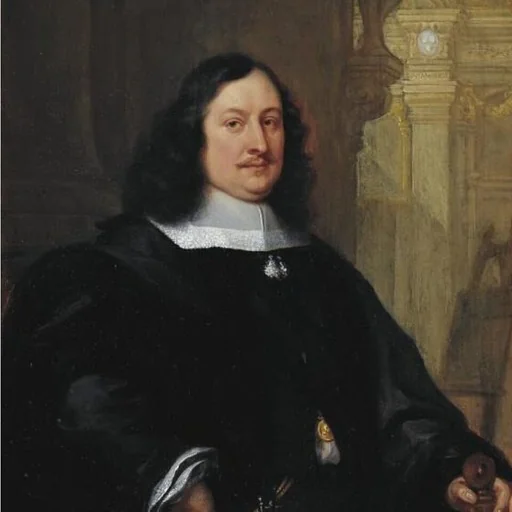
David Teniers the Younger or David Teniers II was a Flemish Baroque painter, printmaker, and artist.