Artwork
A Head and Two Hands (sketch)
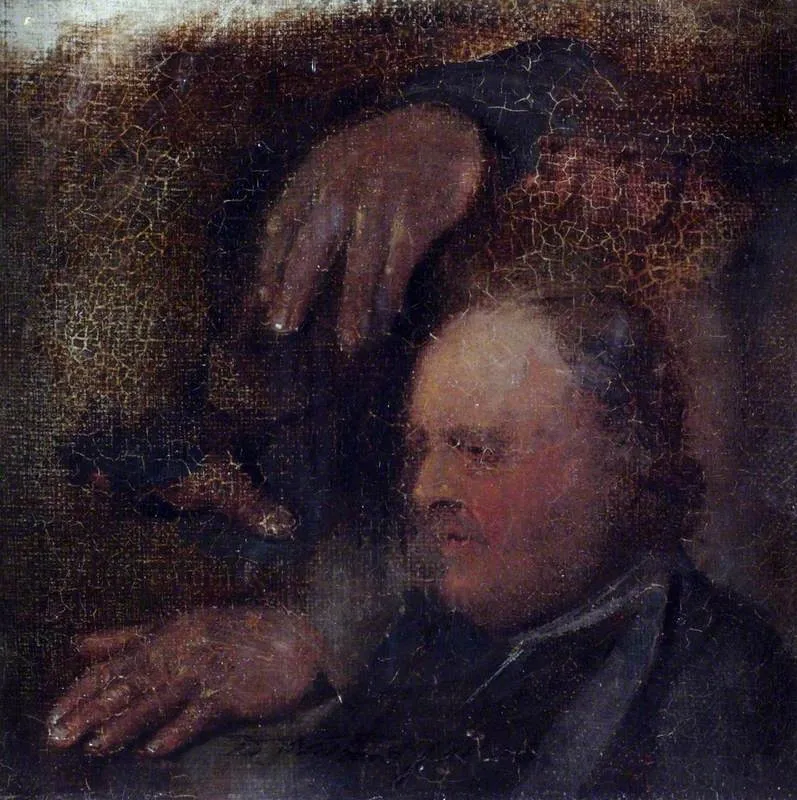
A Head and Two Hands (sketch) is an oil painting by the British Romanticist artist David Wilkie. It dates from 1806 and is held in the collection of the Victoria and Albert Museum.
About this work
Overview
Created in 1806, this oil sketch by David Wilkie portrays a disembodied head accompanied by two hands, one positioned above and the other below the visage. The composition is set against a deep, shadowy background where the paint surface shows fissures, contributing to a subdued, enigmatic atmosphere.
Subject & Meaning
The work isolates facial features and manual gestures, leaving details indistinct and the expression ambiguous. This deliberate blurring invites viewers to contemplate the fleeting nature of human presence and the psychological tension that arises from incomplete representation.
Technique & Style
Executed in oil on canvas, Wilkie employed loose brushwork and a limited palette, allowing the forms to emerge from a muted tonal field. The visible cracks in the paint surface enhance the sketch-like quality, reflecting the artist’s practice of rapid, observational studies characteristic of early Romantic experimentation.
History & Provenance
The sketch entered the collection of the Victoria and Albert Museum, where it remains accessible to the public. Its acquisition underscores the museum’s commitment to preserving works that illustrate the developmental stages of prominent British painters of the early nineteenth century.
Context
Wilkie, a Scottish painter noted for genre scenes and narrative portraits, produced this study during a period when British artists were increasingly exploring emotive content and individual character. The piece exemplifies his interest in capturing human expression through quick, gestural observation rather than finished, polished portraiture.
Artist & collection
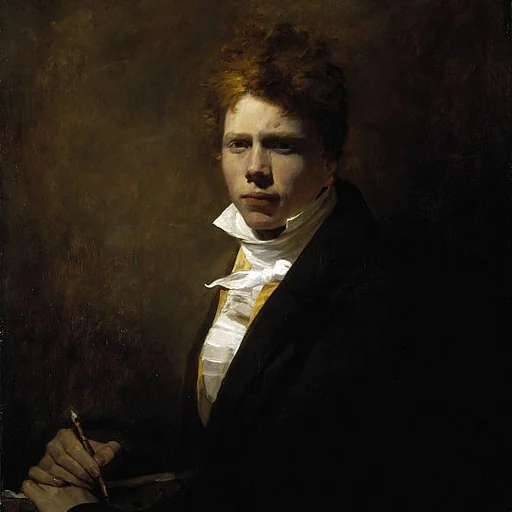
Artist
Sir David Wilkie (18 November 1785 – 1 June 1841) was a Scottish painter, especially known for his genre scenes.

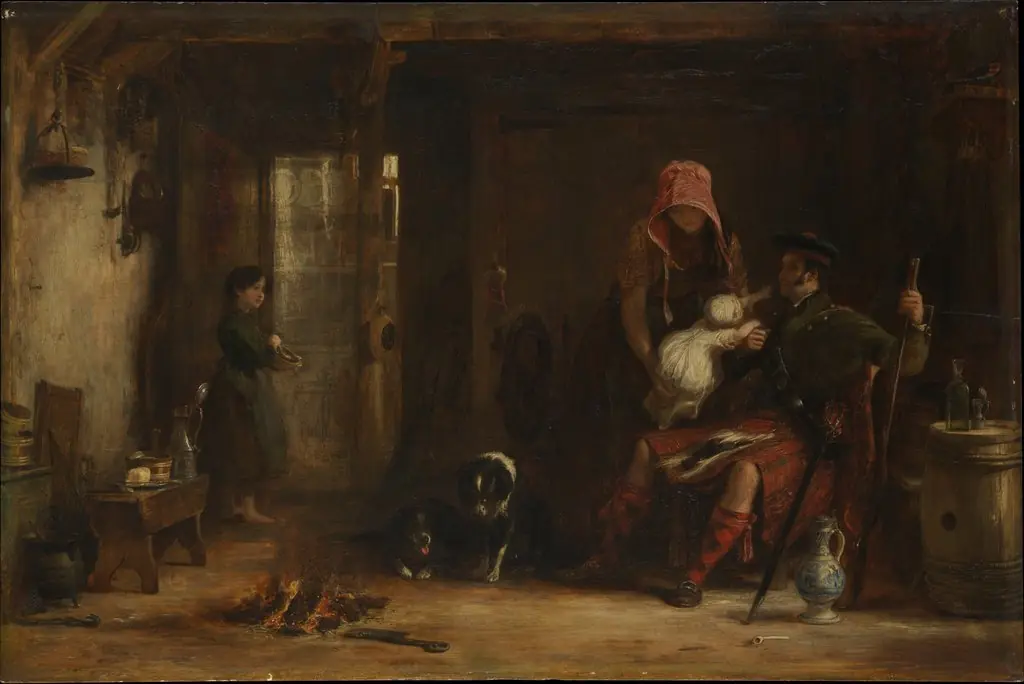 The Highland Family
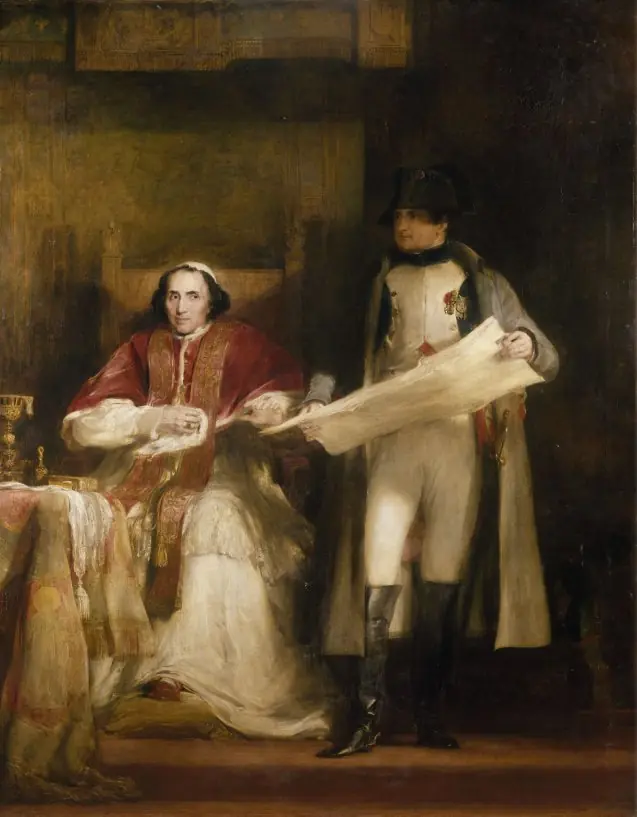 Napoleon and Pope Pius VII at Fontainebleau in 1813
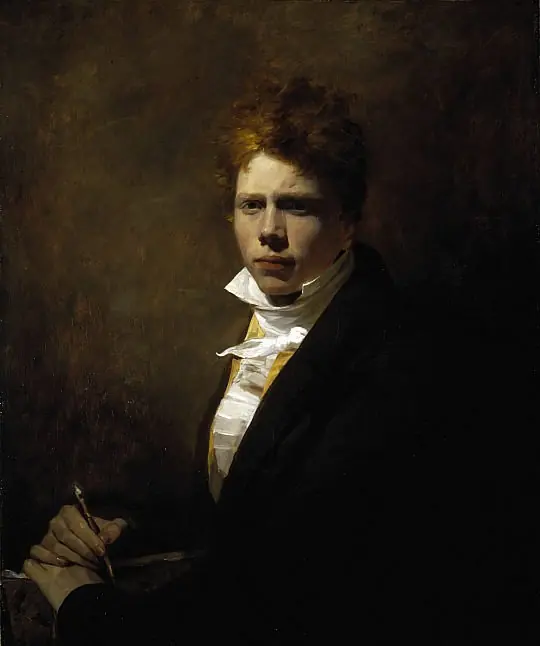 Self-Portrait
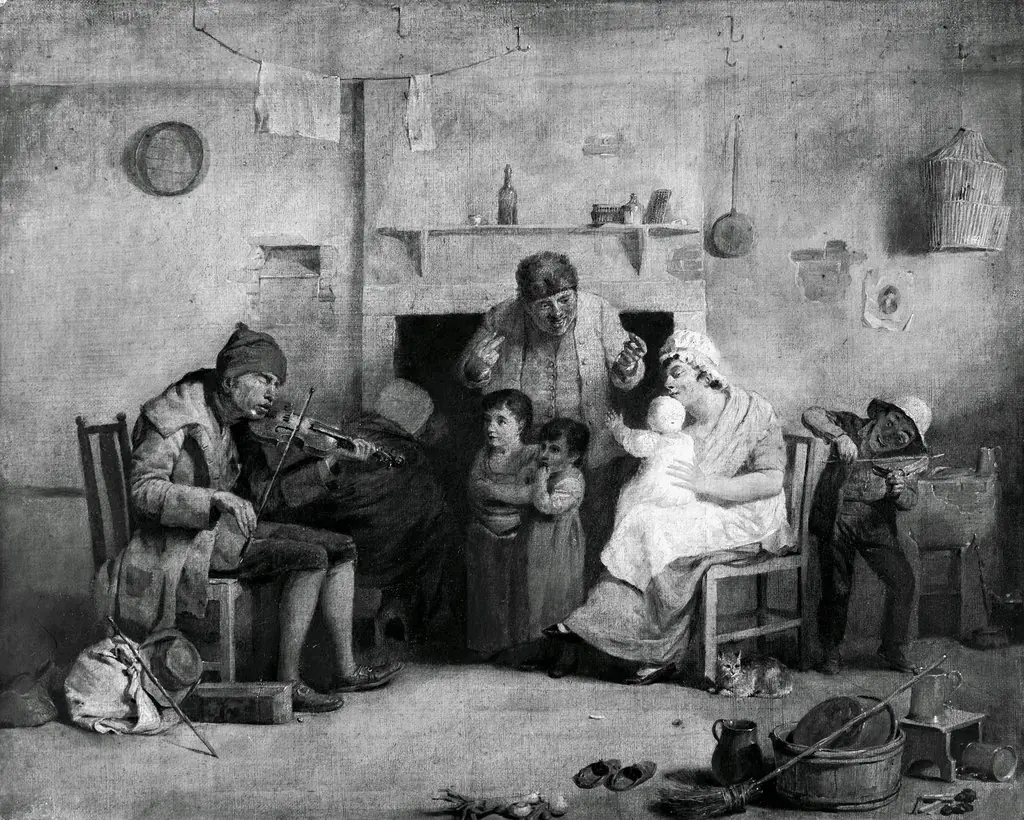 The blind violinist
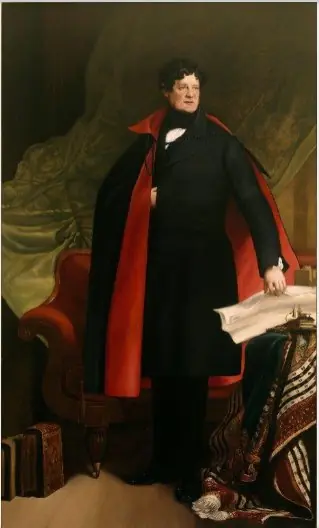 Portrait of Daniel O'Connell as Governor of the National Bank
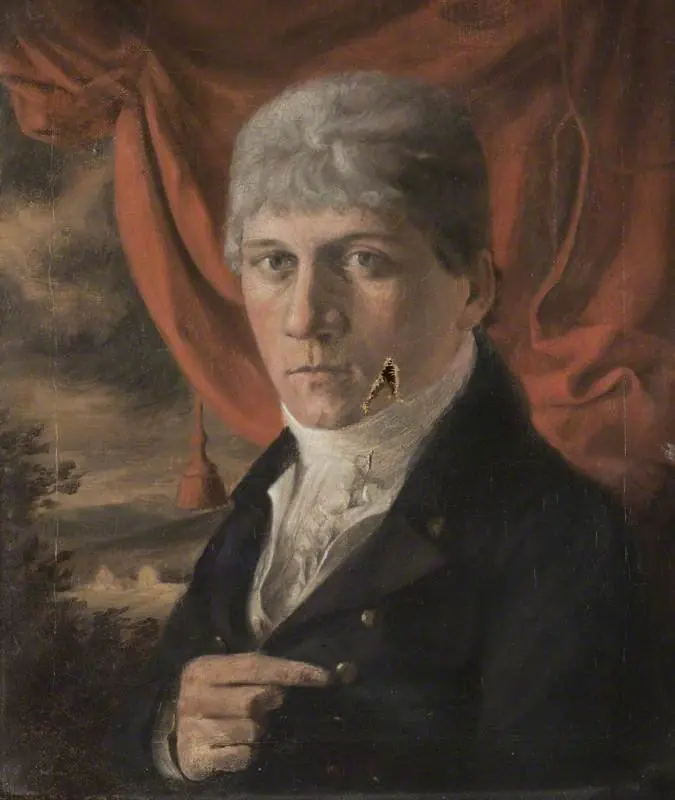 Portrait of the Artist's Brother, Captain James Wilkie (1784 - 1824)
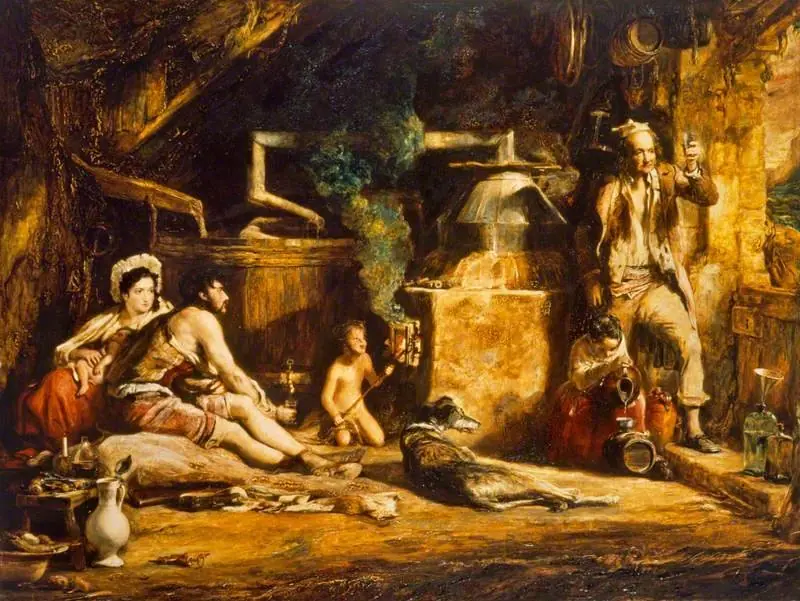 The Irish Whiskey Still
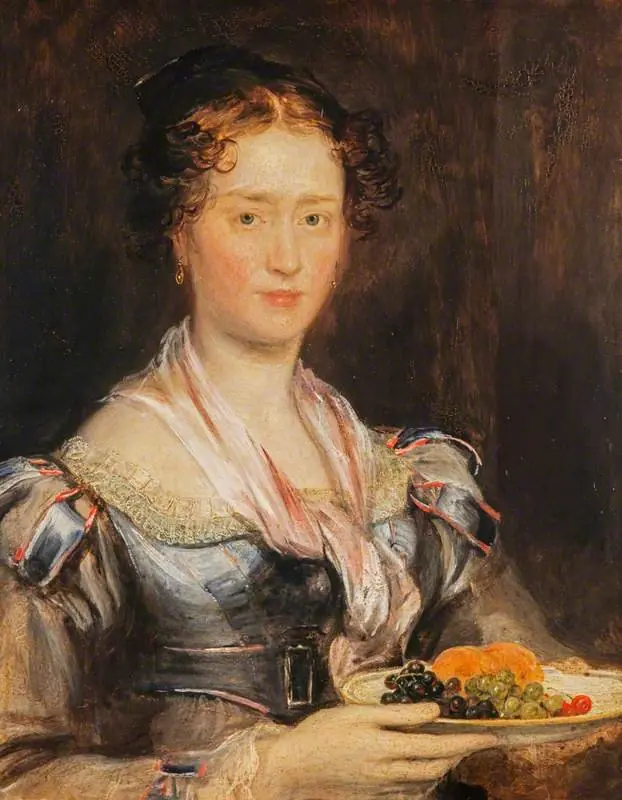 The Artist's Sister, Helen Hunter, née Wilkie (1793–1870)
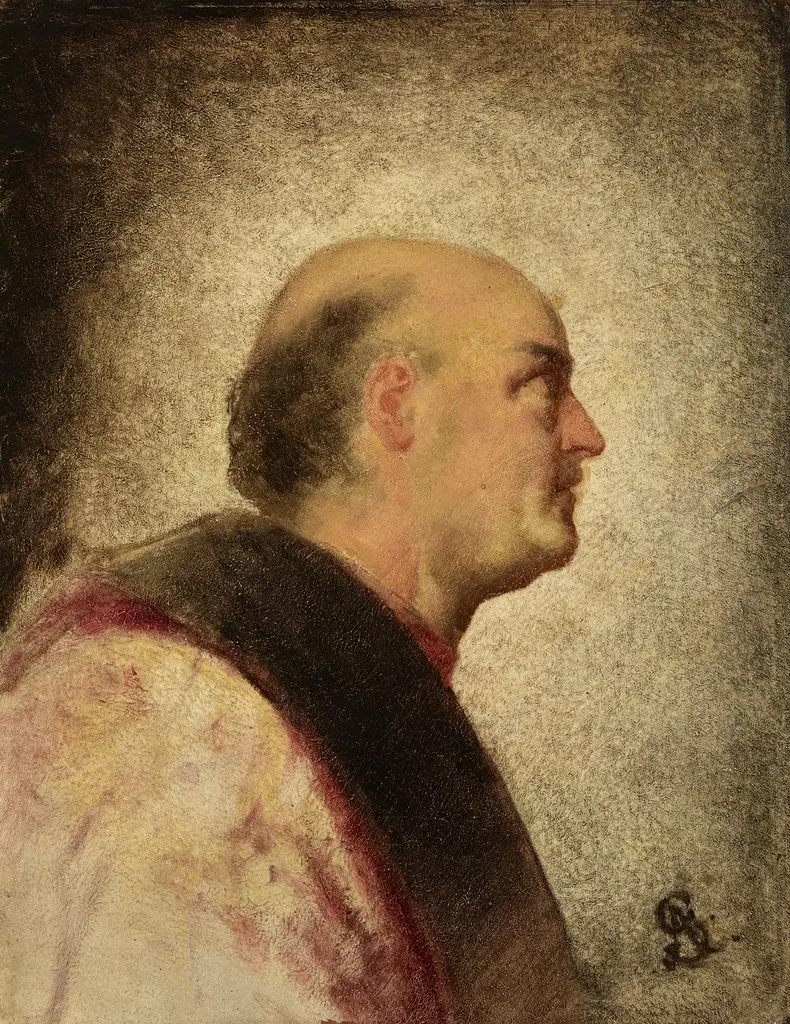 Venetian Dignitary – Copy of a fragment of the painting "The Fisherman Presenting the Ring to Doge Gradenigo" by Paris Bordone
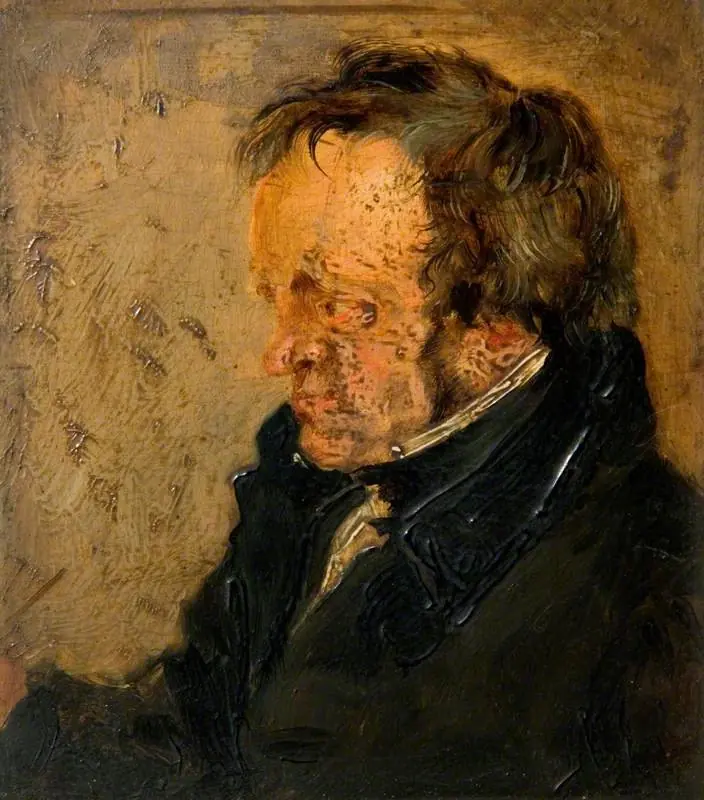 Self Portrait
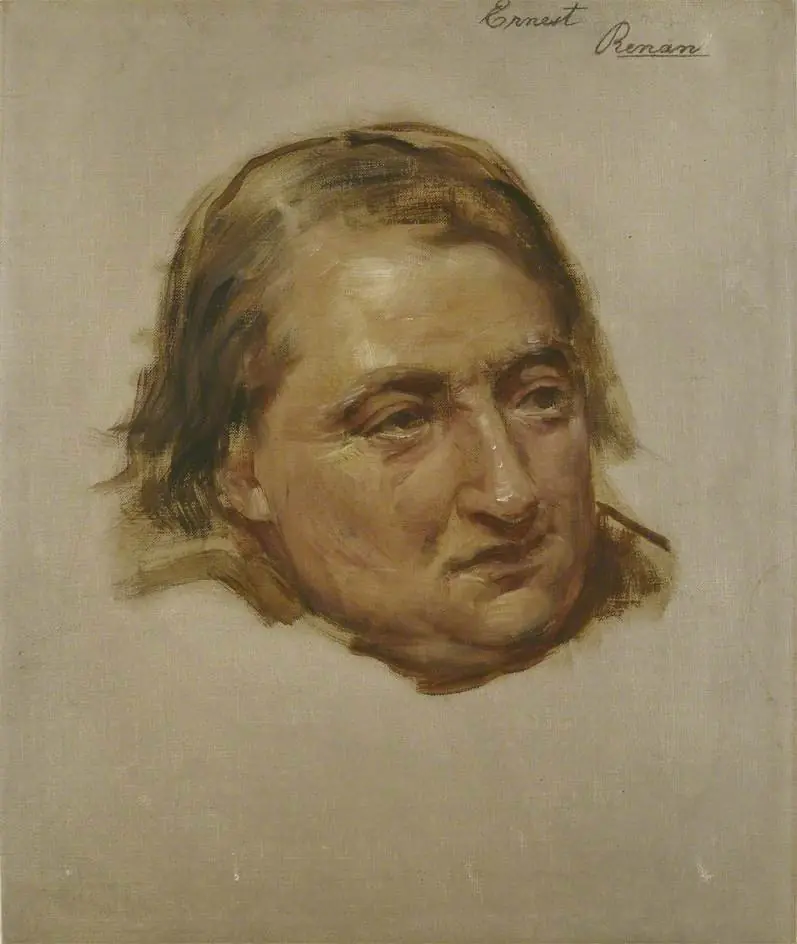 Study for the Portrait of Ernest Renan
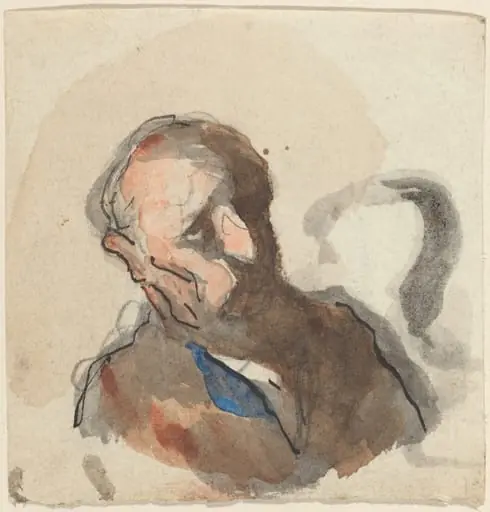 Head of a Man
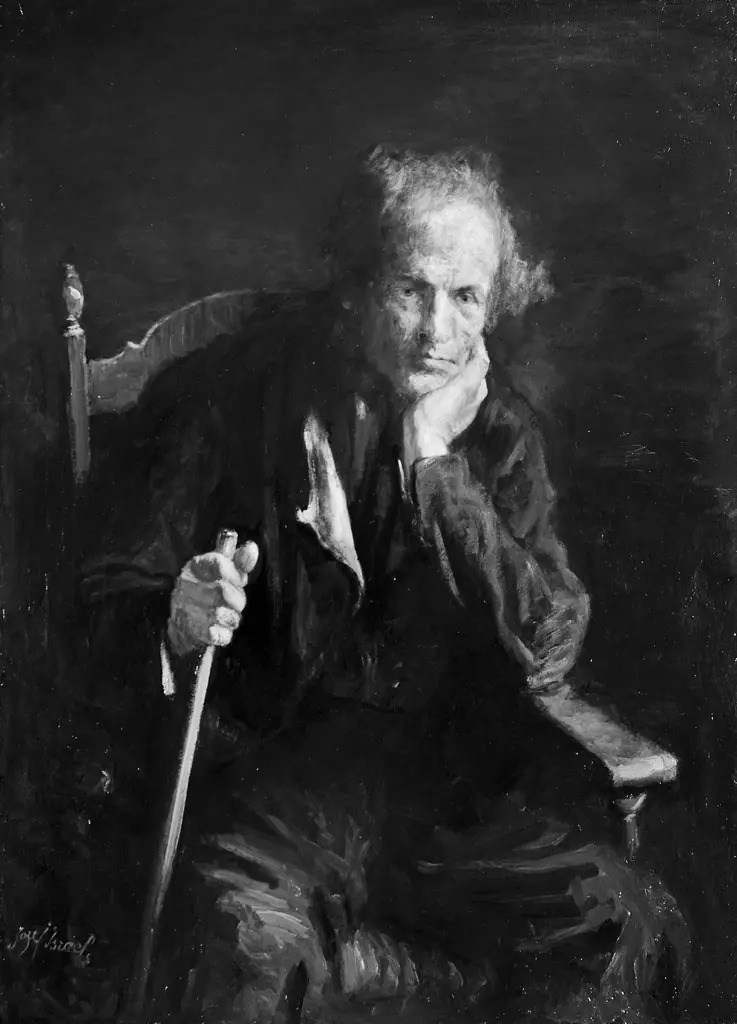 Old Age
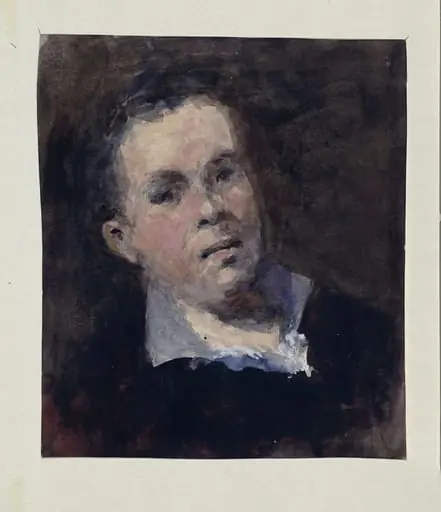 Head of a Man
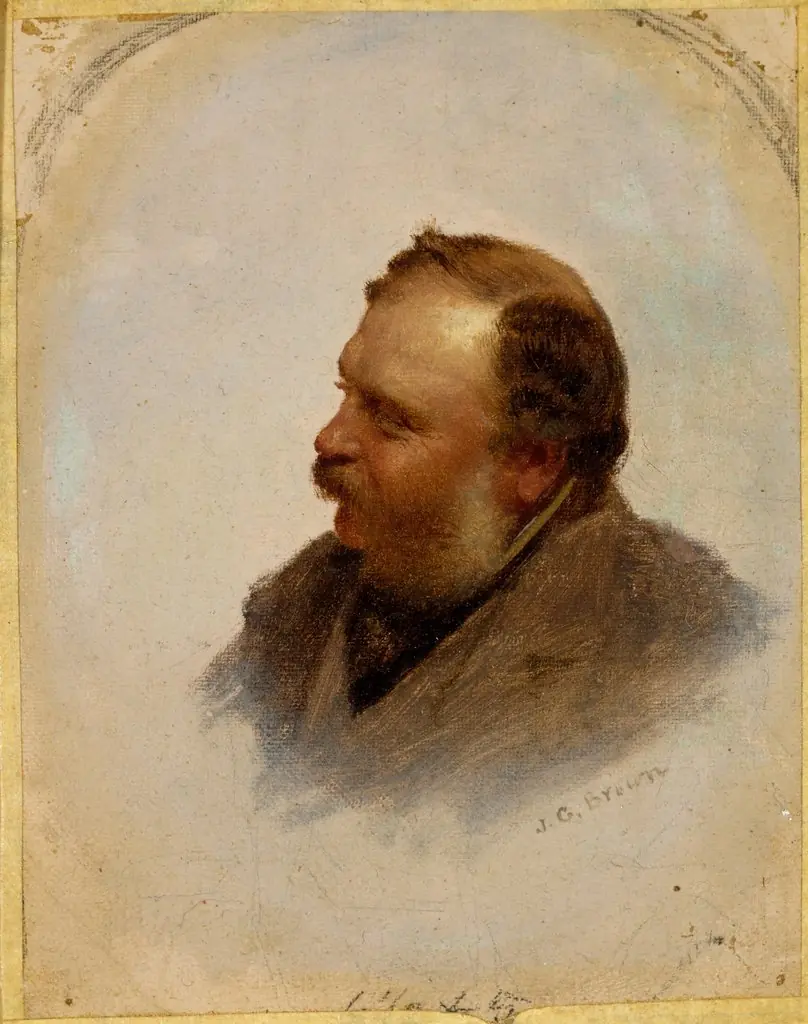 Portrait of William Brand
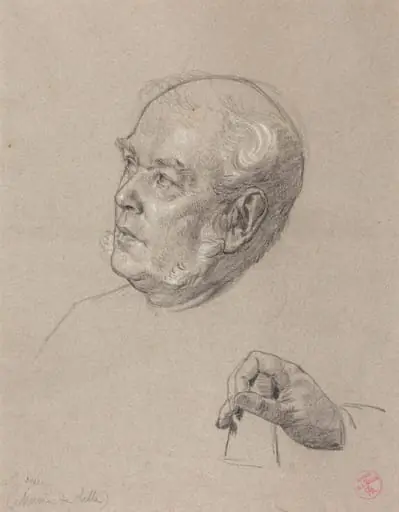 Head and Hand of a Man Throwing Dice
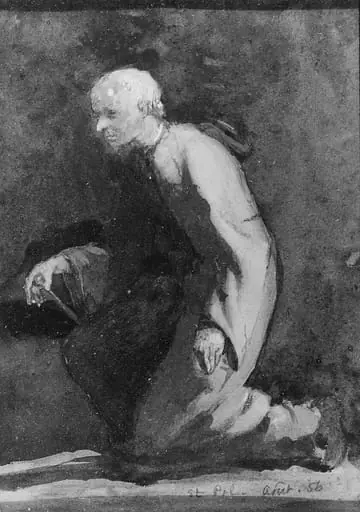 A Brittany Beadle—Sketch from Nature
 Pessima
 Portrait of a Man
 A Peasant Singing