Artwork
Self-Portrait
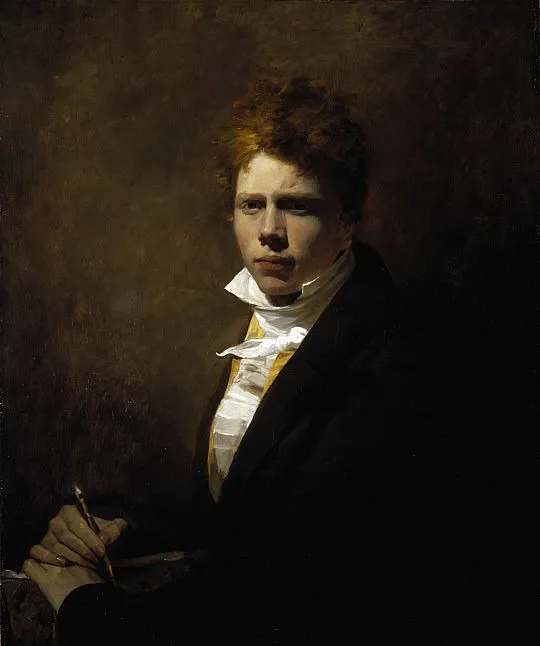
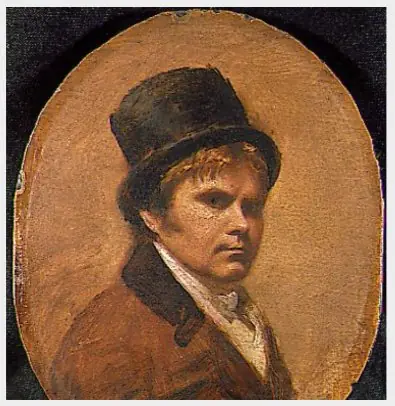
Self-Portrait is an oil painting by the British Romanticist artist David Wilkie. It dates from 1804 and is held in the collection of the National Galleries Scotland.
About this work
Overview
Created in 1804, this oil-on-canvas work is a self‑portrait by the Scottish artist David Wilkie. Executed during his London period, the painting presents the artist in a dark‑toned setting, his face illuminated against a shadowed background. The composition reflects the conventions of early‑19th‑century British Romanticism and is currently part of the Scottish National Gallery’s collection.
Subject & Meaning
The figure is Wilkie himself, identifiable by his curly hair and the high‑collared white shirt beneath a dark jacket. He holds a paintbrush in his right hand and gazes directly at the viewer, conveying a contemplative stance that suggests introspection about his role as a painter.
Technique & Style
Wilkie employs a restrained palette and a chiaroscuro effect, using strong contrasts between the illuminated flesh tones and the surrounding darkness. The brushwork is precise in the facial features while remaining looser in the background, emphasizing the sitter’s presence within a subdued environment.
History & Provenance
After its completion, the portrait remained in the artist’s possession before entering public ownership. It now resides in the Scottish National Gallery, reflecting Wilkie’s later recognition as Principal Painter in Ordinary to King William IV and Queen Victoria, positions that affirmed his status within the British art establishment.
Artist & collection
Artist
Sir David Wilkie (18 November 1785 – 1 June 1841) was a Scottish painter, especially known for his genre scenes.

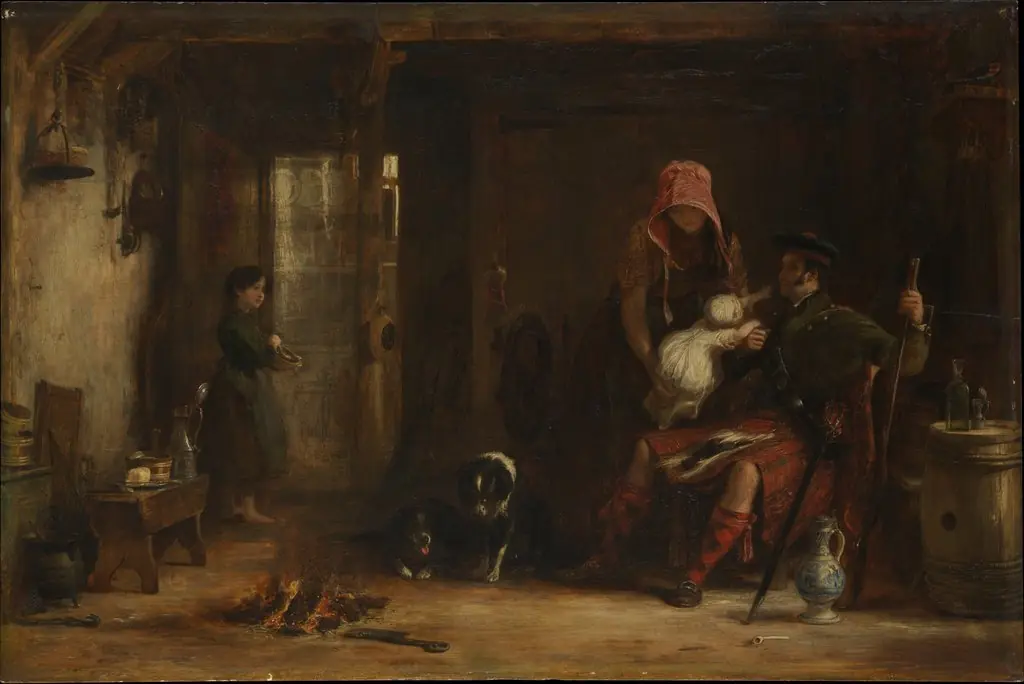 The Highland Family
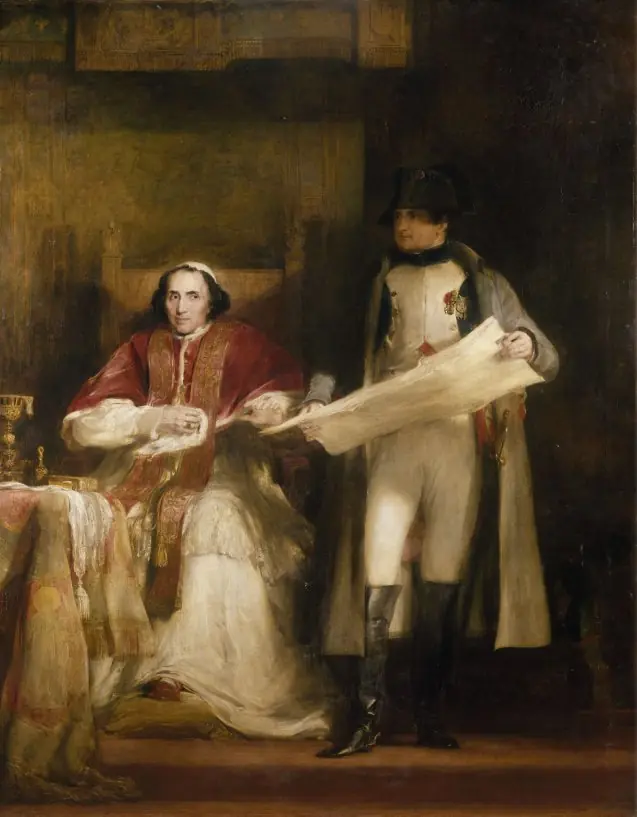 Napoleon and Pope Pius VII at Fontainebleau in 1813
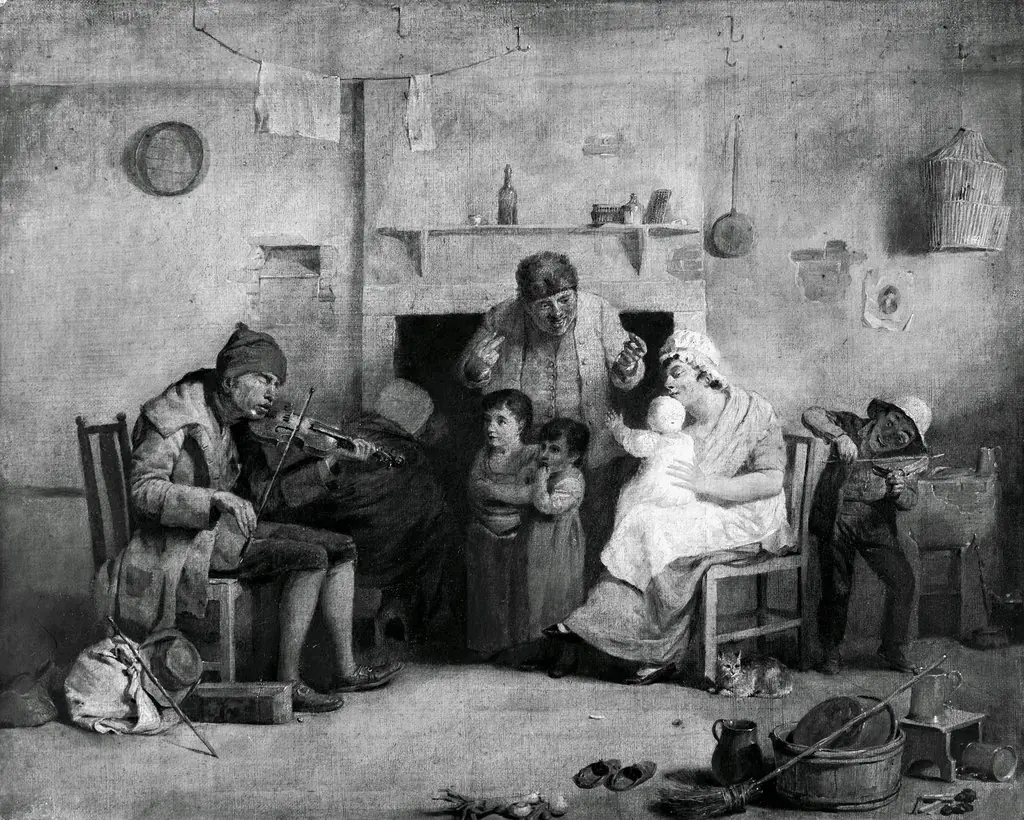 The blind violinist
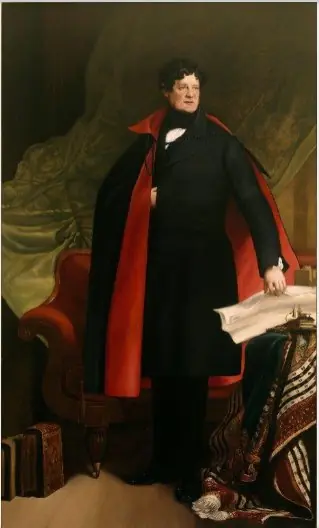 Portrait of Daniel O'Connell as Governor of the National Bank
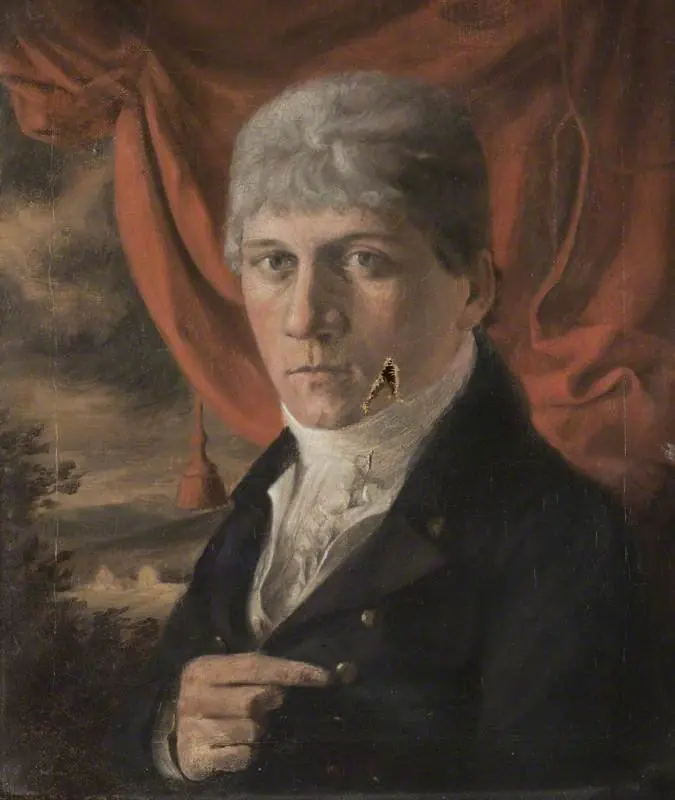 Portrait of the Artist's Brother, Captain James Wilkie (1784 - 1824)
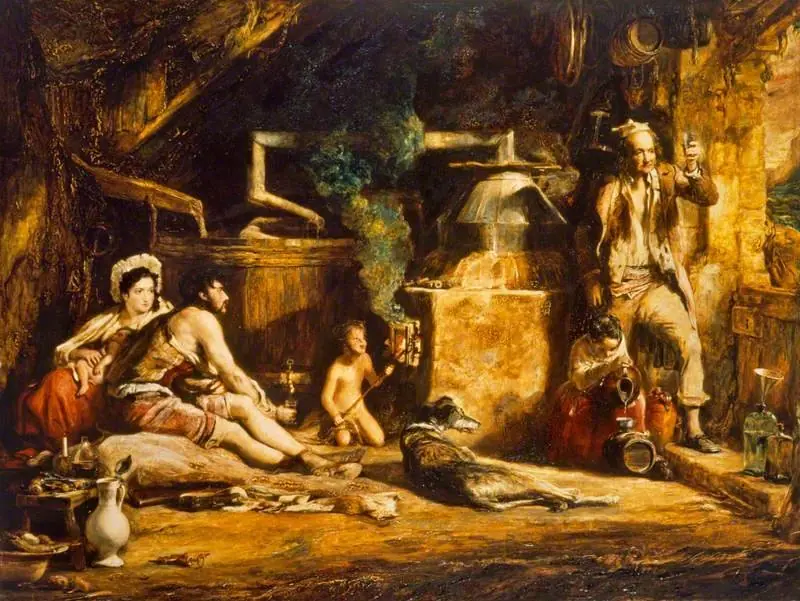 The Irish Whiskey Still
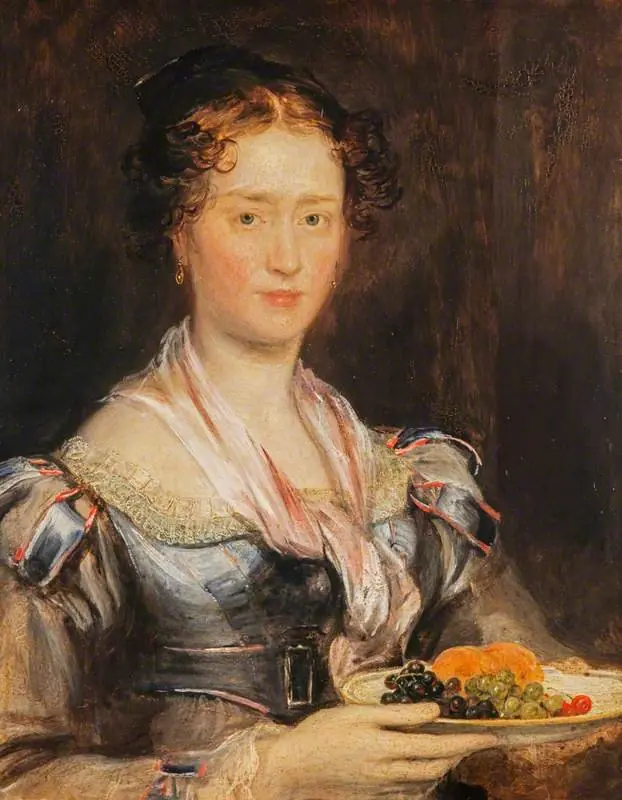 The Artist's Sister, Helen Hunter, née Wilkie (1793–1870)
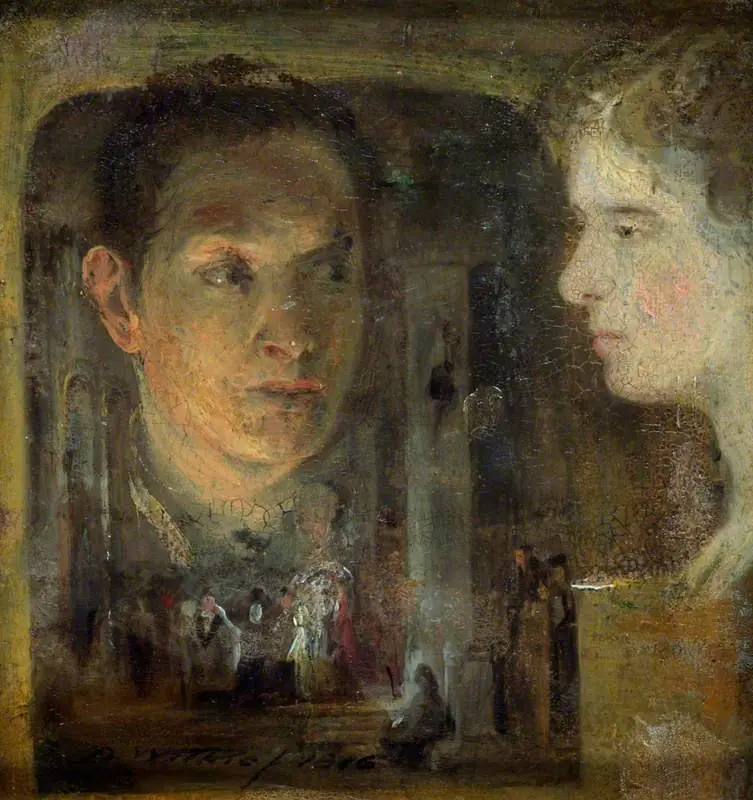 Sketch of a Head for 'The Rabbit on the Wall'
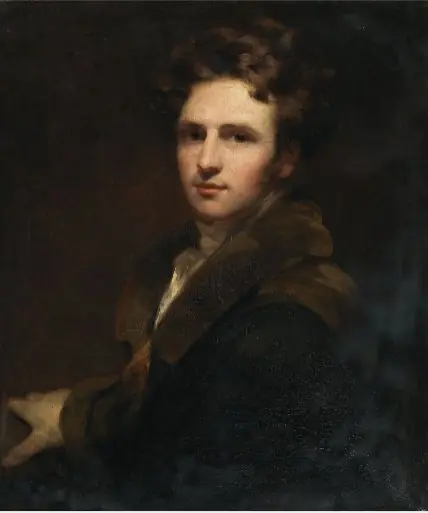 Self-Portrait
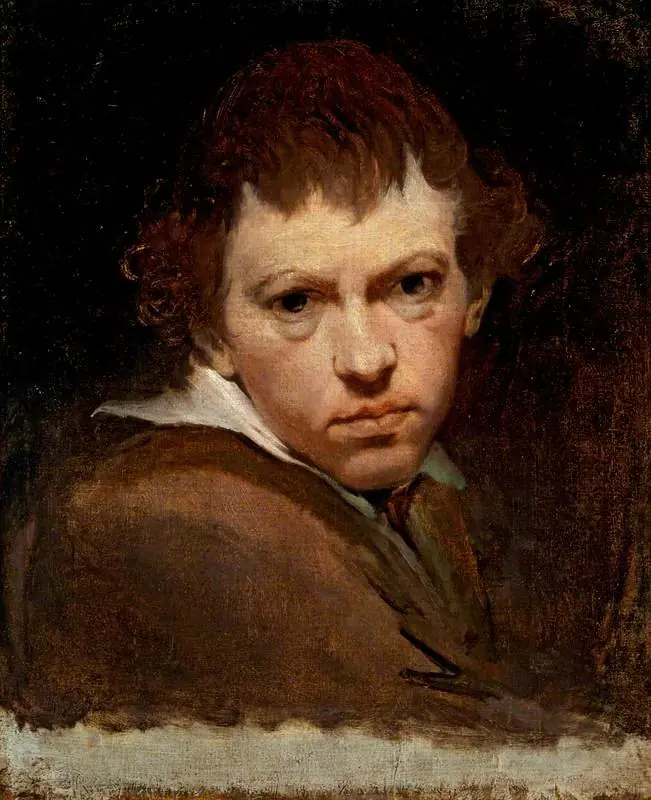 Self Portrait
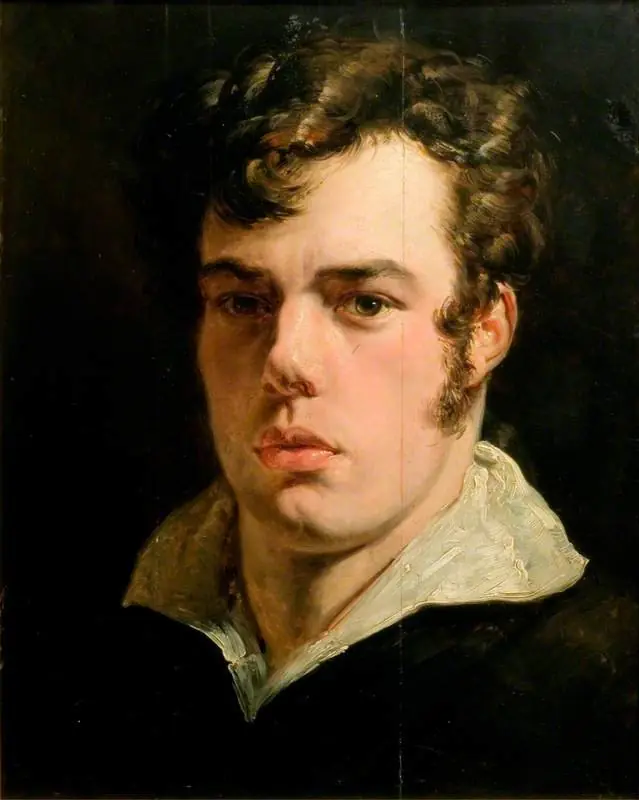 Self Portrait
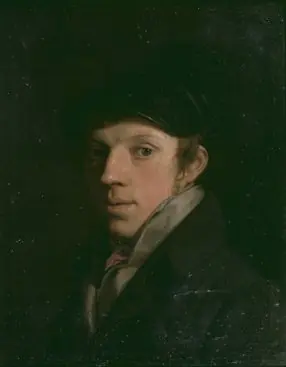 Portrait of the painter Pierre-François Jacobs
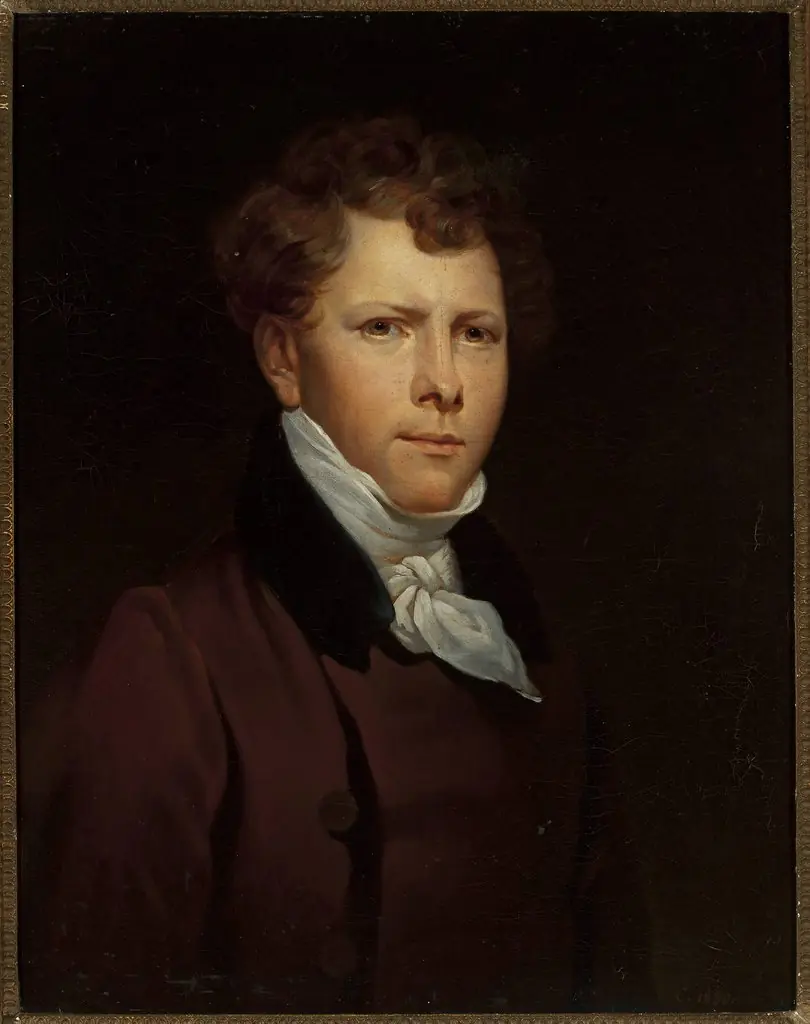 Copy of “Self-portrait” of Antoni Brodowski
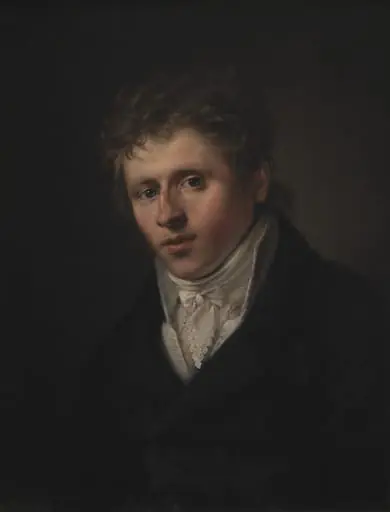 Portrait of the painter Johan Christian Dahl
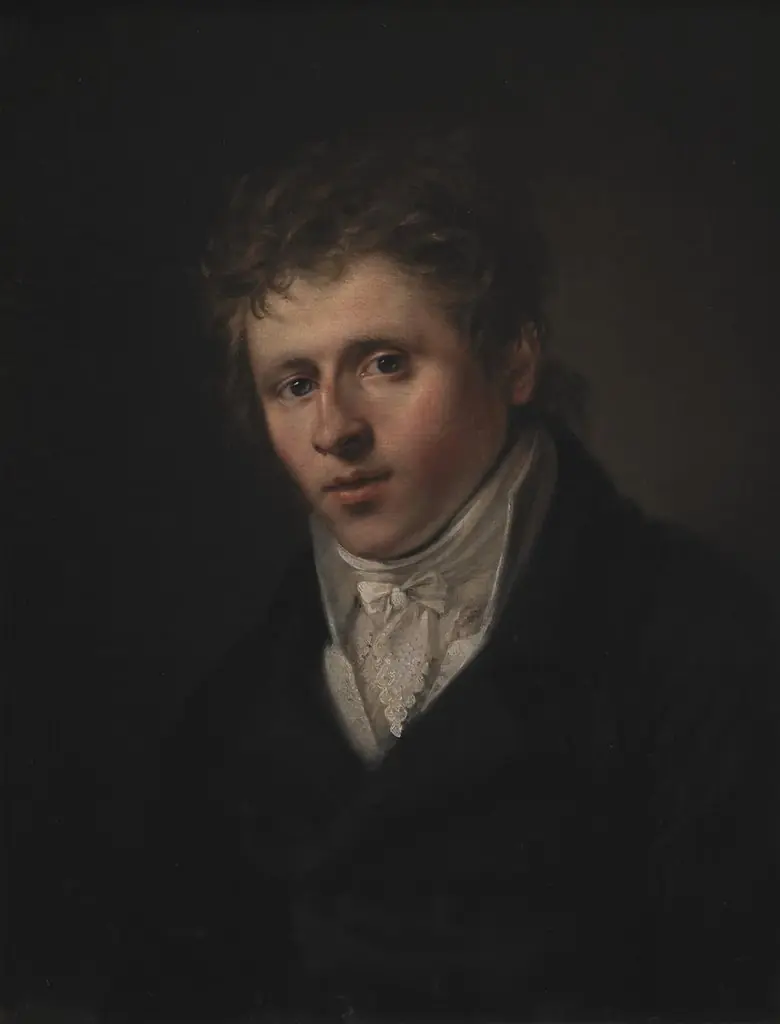 Portrait of J.C. Dahl
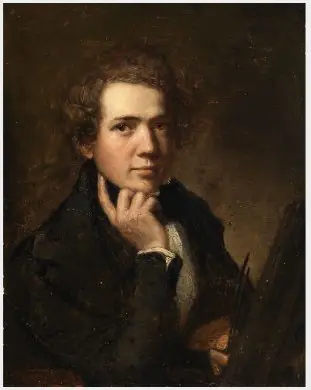 Self-Portrait
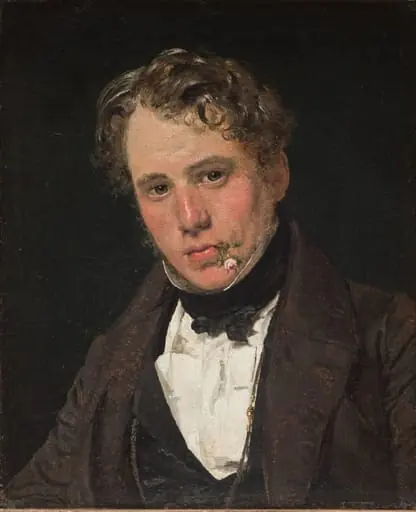 Portrait of the Painter Wilhelm Marstrand
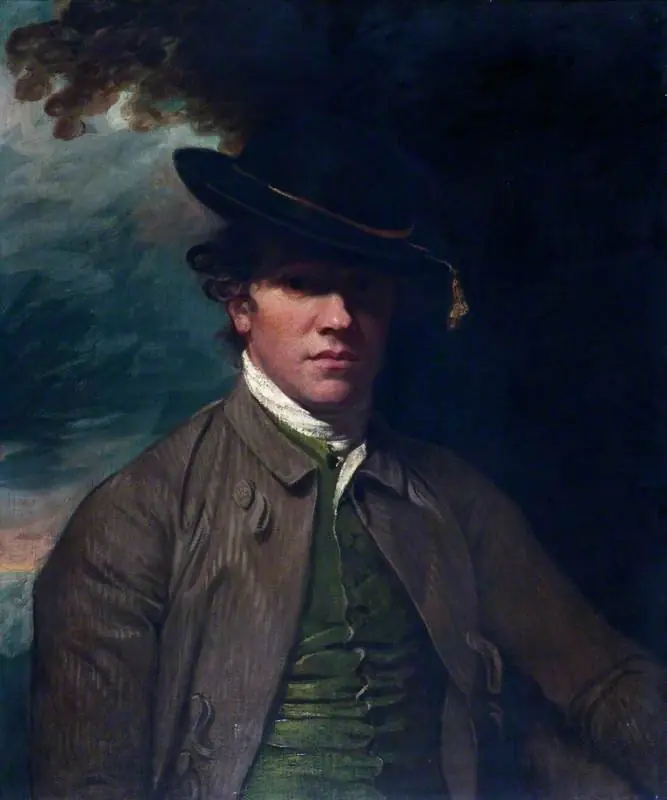 Portrait of a Young Man of the Maynard Family
 Self-Portrait
 Portrait of a Man