Artwork
Napoleon and Pope Pius VII at Fontainebleau in 1813
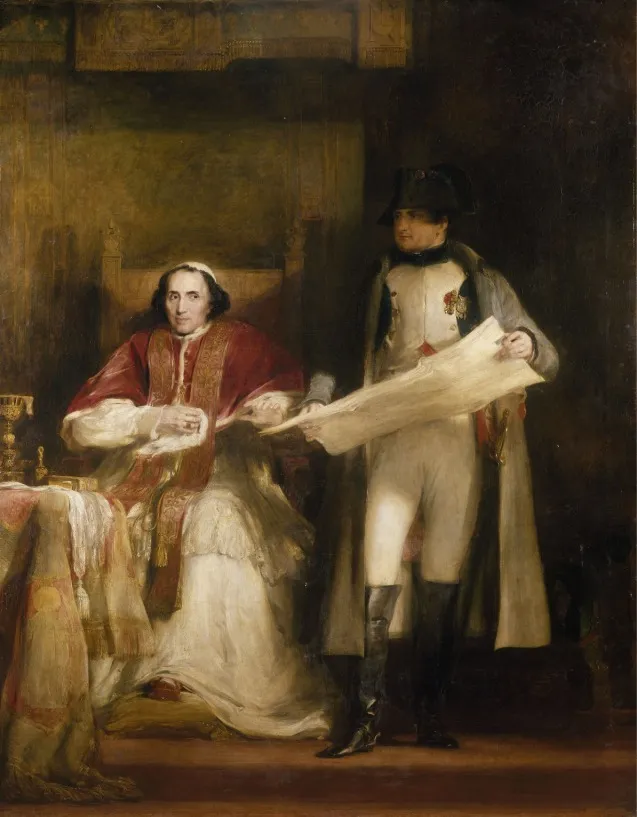
Napoleon and Pope Pius VII at Fontainebleau in 1813 is an oil painting by David Wilkie. It dates from 1836 and is held in the collection of the National Gallery of Ireland.
About this work
Overview
This 1836 oil painting by Scottish artist David Wilkie depicts a pivotal encounter between two prominent figures of the early 19th century in a somber, dimly lit interior.
Subject & Meaning
The painting portrays Napoleon Bonaparte, standing in military attire, and Pope Pius VII, kneeling in red ecclesiastical robes, engaged in a significant discussion, as suggested by the scrolls they hold. Their contrasting postures and garments highlight the dichotomy between secular and religious power.
Technique & Style
Wilkie employs a subdued color palette to evoke the solemnity of the occasion, with the dark walls and sparse, dimly lit setting underscoring the gravity of the meeting. The use of chiaroscuro emphasizes the figures, drawing attention to their interaction.
History & Provenance
Completed in 1836, the painting is now part of the collection at the National Gallery of Ireland in Dublin, though it depicts an event from 1813, specifically referencing the Concordat of Fontainebleau, a treaty aimed at resolving conflicts between Napoleon's empire and the Catholic Church.
Context
The depicted meeting at Fontainebleau in 1813 was a culmination of Napoleon's efforts to reconcile his imperial ambitions with the authority of the Catholic Church, as embodied by Pope Pius VII. The Concordat of Fontainebleau, though short-lived, represents a key moment in the political and religious tensions of the Napoleonic era.
Artist & collection
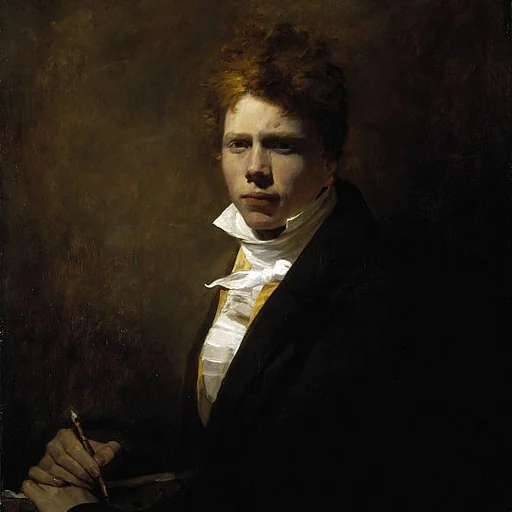
Artist
Sir David Wilkie (18 November 1785 – 1 June 1841) was a Scottish painter, especially known for his genre scenes.

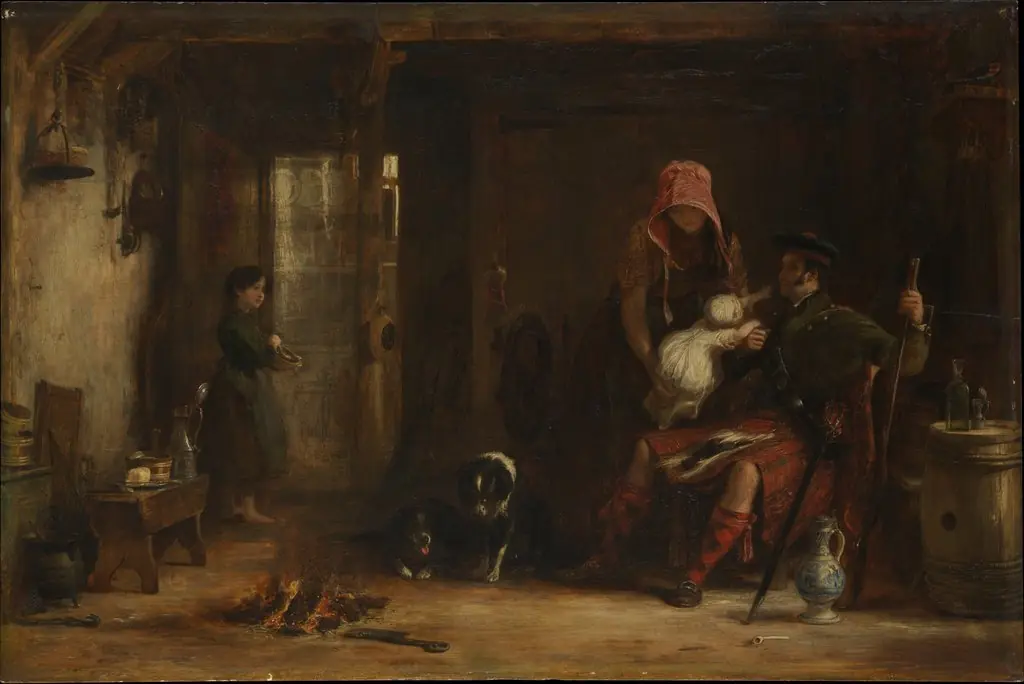 The Highland Family
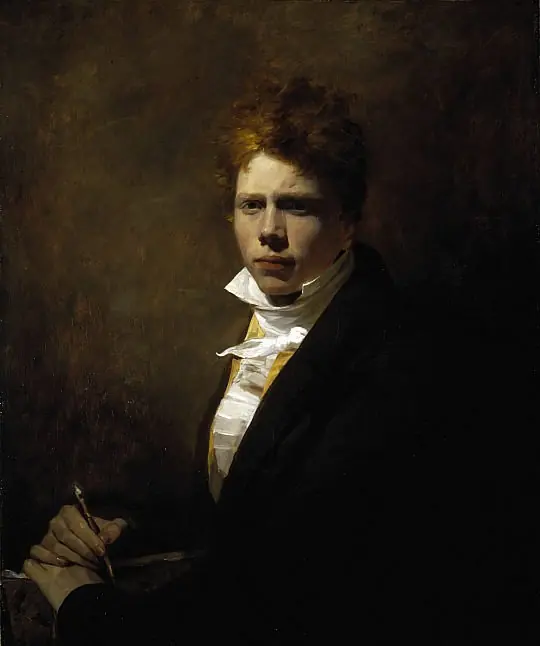 Self-Portrait
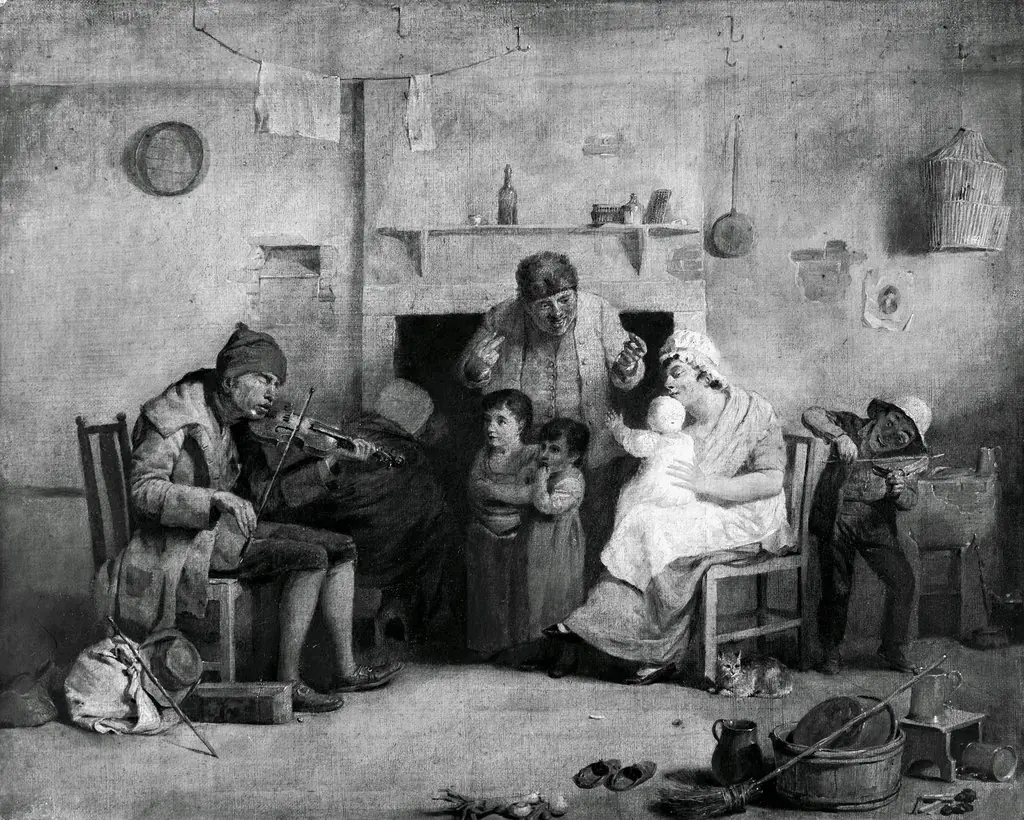 The blind violinist
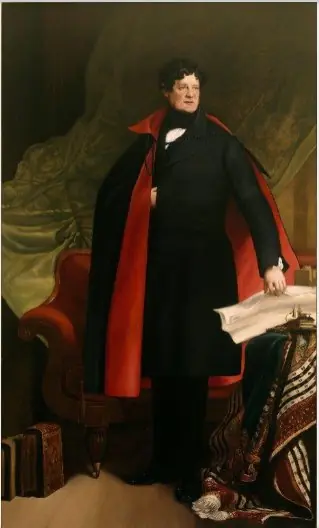 Portrait of Daniel O'Connell as Governor of the National Bank
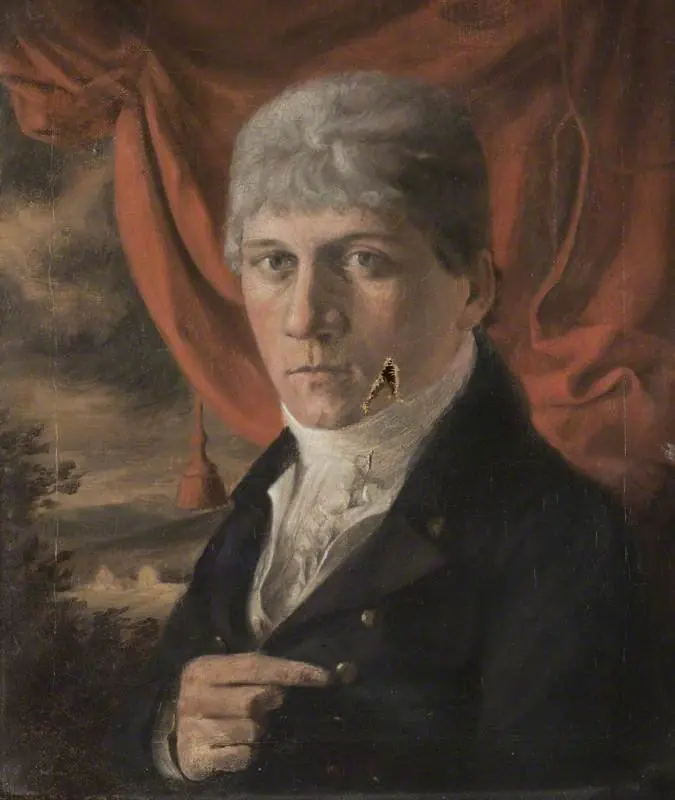 Portrait of the Artist's Brother, Captain James Wilkie (1784 - 1824)
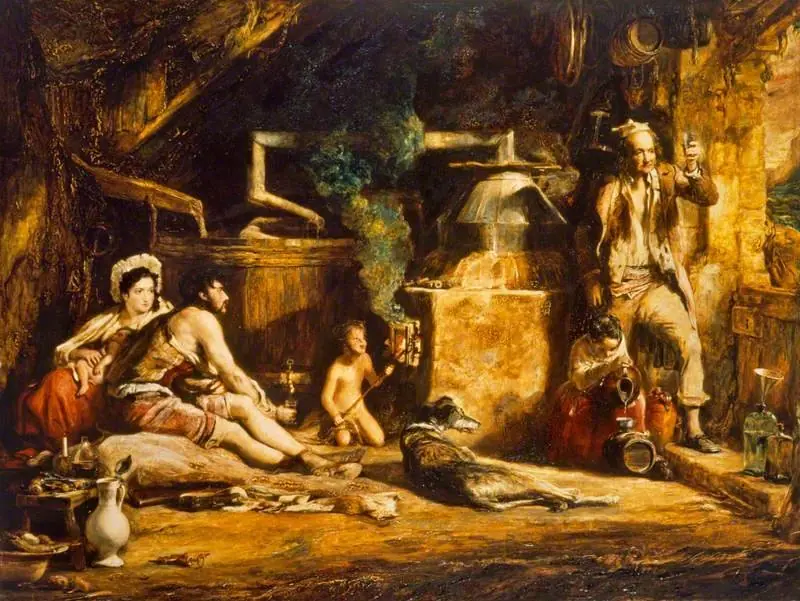 The Irish Whiskey Still
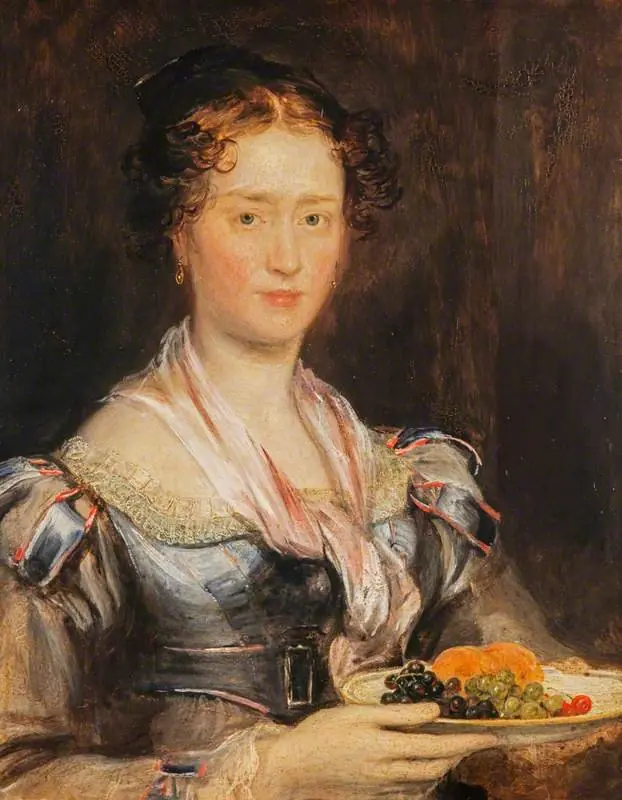 The Artist's Sister, Helen Hunter, née Wilkie (1793–1870)
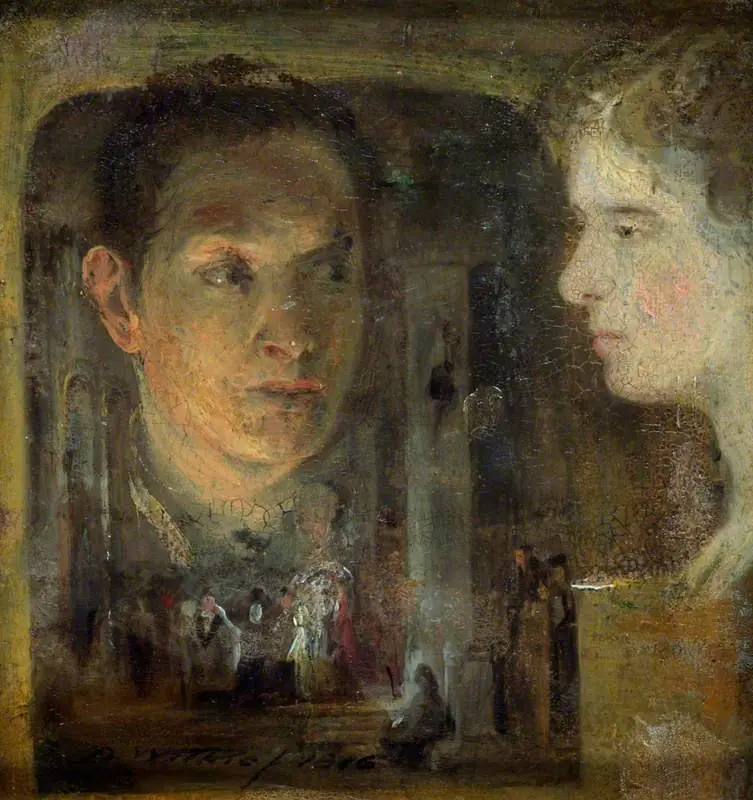 Sketch of a Head for 'The Rabbit on the Wall'
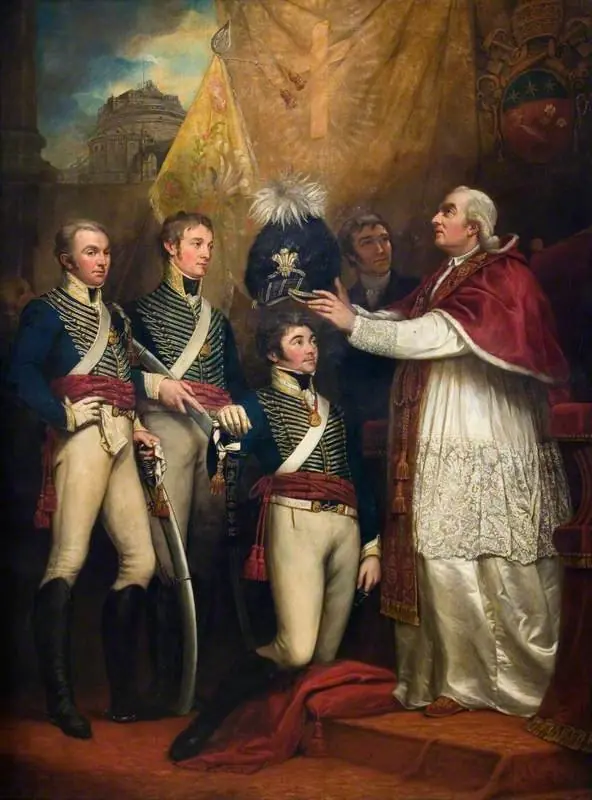 The Presentation of British Officers to Pope Pius VI, 1794
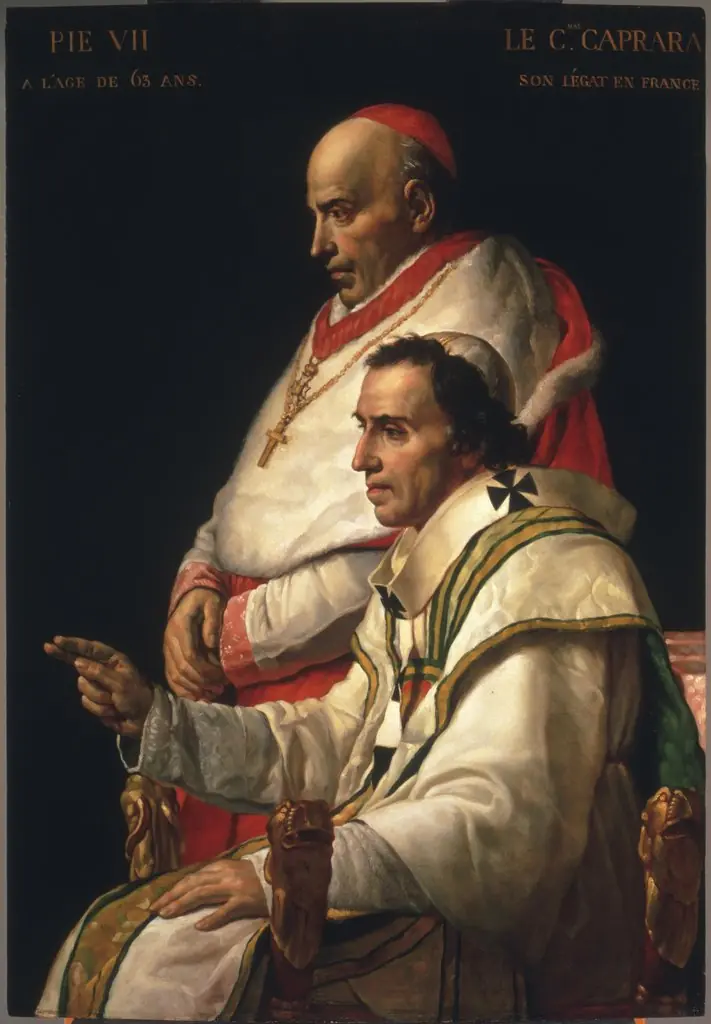 Portrait of Pope Pius VII and Cardinal Caprara
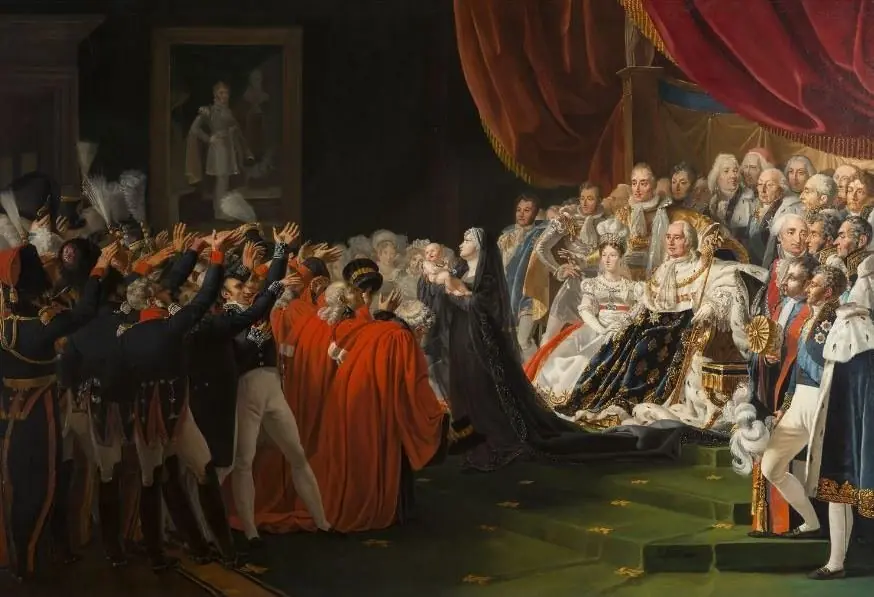 The Duke of Bordeaux presented to the people and the army by the Duchess of Berry in the presence of the king, surrounded by the royal family and the main figures of the State
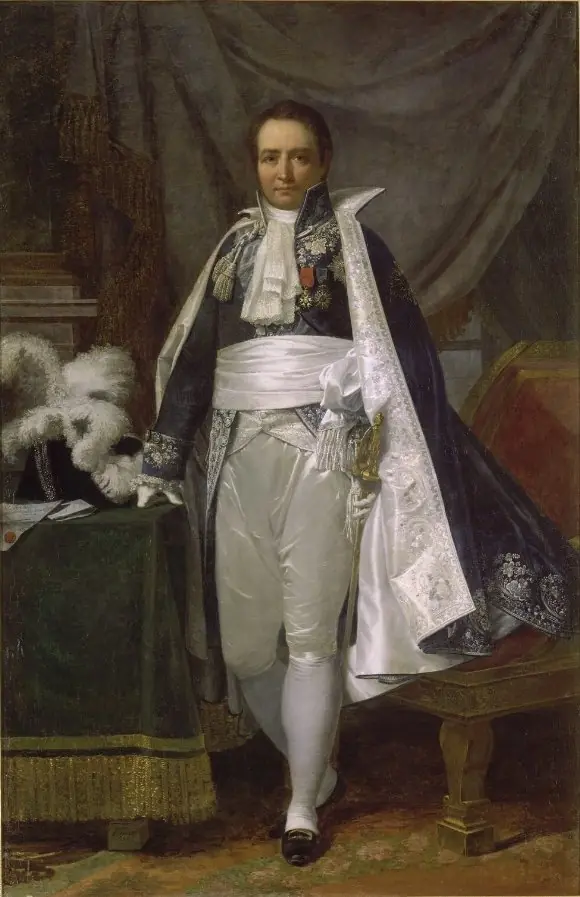 Jean-Pierre Bachasson, comte de Montalivet (1766-1823), ministre de l'Intérieur
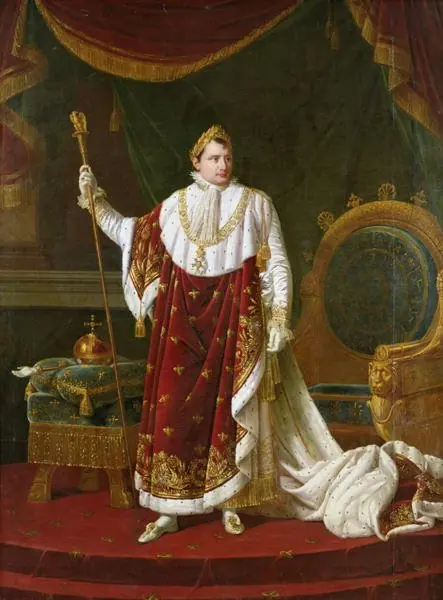 Napoleon I, Emperor of the French
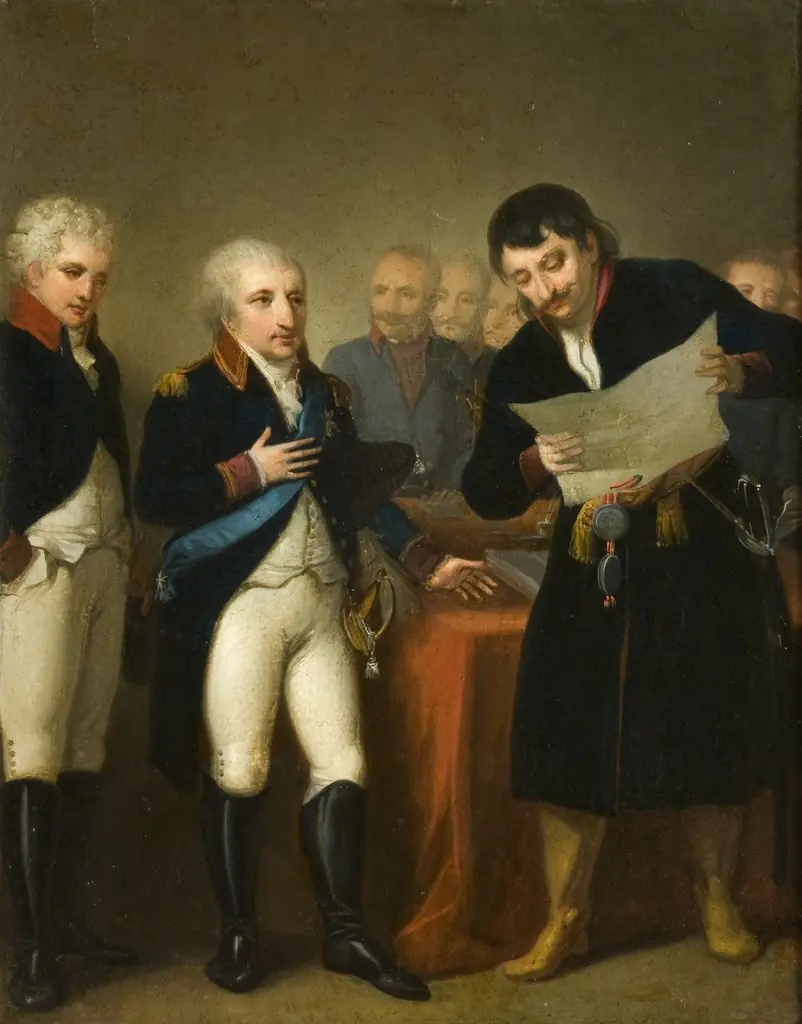 Krakow Surrendered to the Prussians
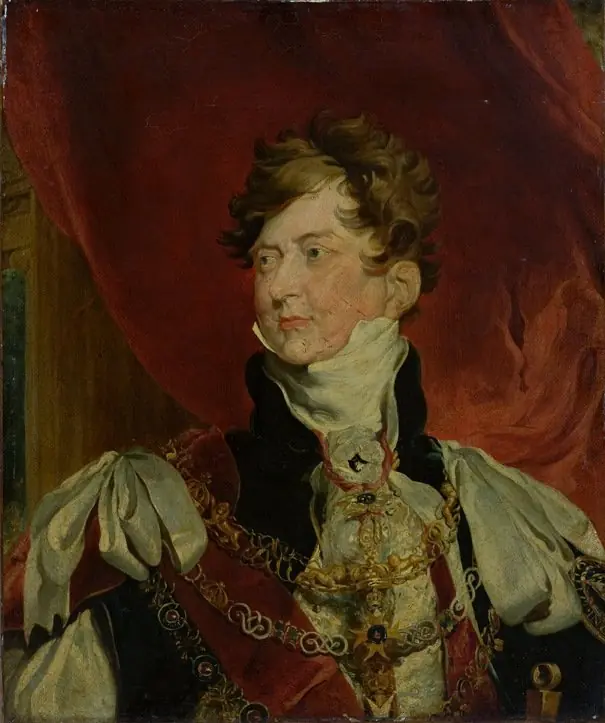 George IV as Prince-Regent with the insignia of the Order of the Garter