Artwork
The Lost Receipt
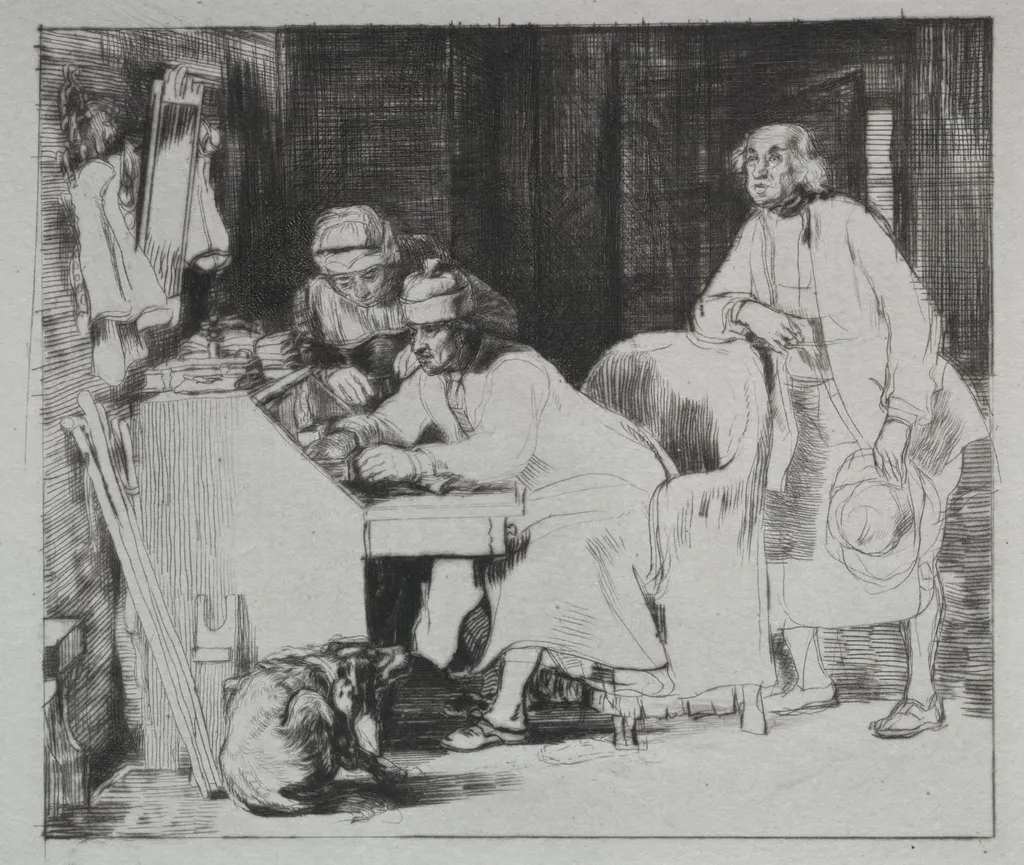
The Lost Receipt is a print by the Romanticist artist David Wilkie. It dates from 1824 and is held in the collection of the Cleveland Museum of Art.
About this work
Overview
The Lost Receipt, a print executed in 1824 by Scottish artist David Wilkie, depicts a cramped interior where five figures are gathered around a table. A man in a wig holds a rolled document near the doorway, while a woman illuminates the scene with a lamp. A dog lies on the floor, and the dim lighting casts elongated shadows across the plain walls.
Subject & Meaning
The composition presents a slice of domestic routine rather than a grand narrative, focusing on ordinary individuals engaged in a moment of quiet activity. The presence of the rolled paper suggests a lost receipt or forgotten transaction, inviting viewers to contemplate the everyday concerns and interpersonal dynamics that occupy private spaces.
Technique & Style
Wilkie employs loose, sketch‑like lines that convey immediacy, as if the scene were captured in a rapid study. The print’s tonal contrasts emphasize the subdued illumination, while the informal rendering of figures and objects underscores the artist’s interest in portraying life’s unembellished moments.
History & Provenance
Created during Wilkie’s London period, The Lost Receipt entered the collection of the Cleveland Museum of Art, where it remains on view. The work reflects the artist’s broader output, which included genre scenes, historical subjects, portraits, and images inspired by his travels throughout Europe and the Middle East.
Context
Wilkie held the prestigious position of Principal Painter in Ordinary to King William IV and later to Queen Victoria, a role that linked him to official portraiture while he continued to explore genre subjects. The print aligns with early‑19th‑century Romantic interests in everyday life, using a modest domestic episode to suggest larger social or emotional themes.
Artist & collection
Artist
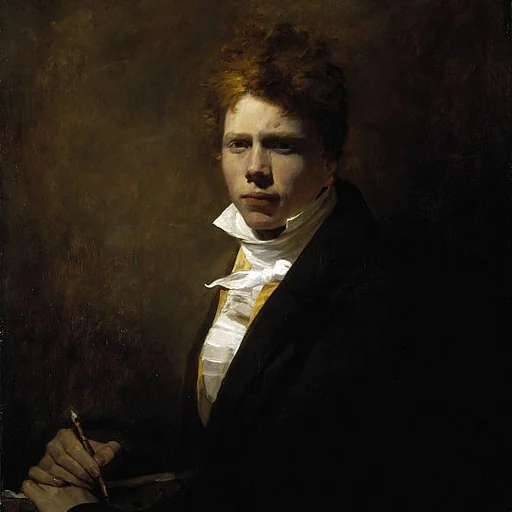
Sir David Wilkie (18 November 1785 – 1 June 1841) was a Scottish painter, especially known for his genre scenes.

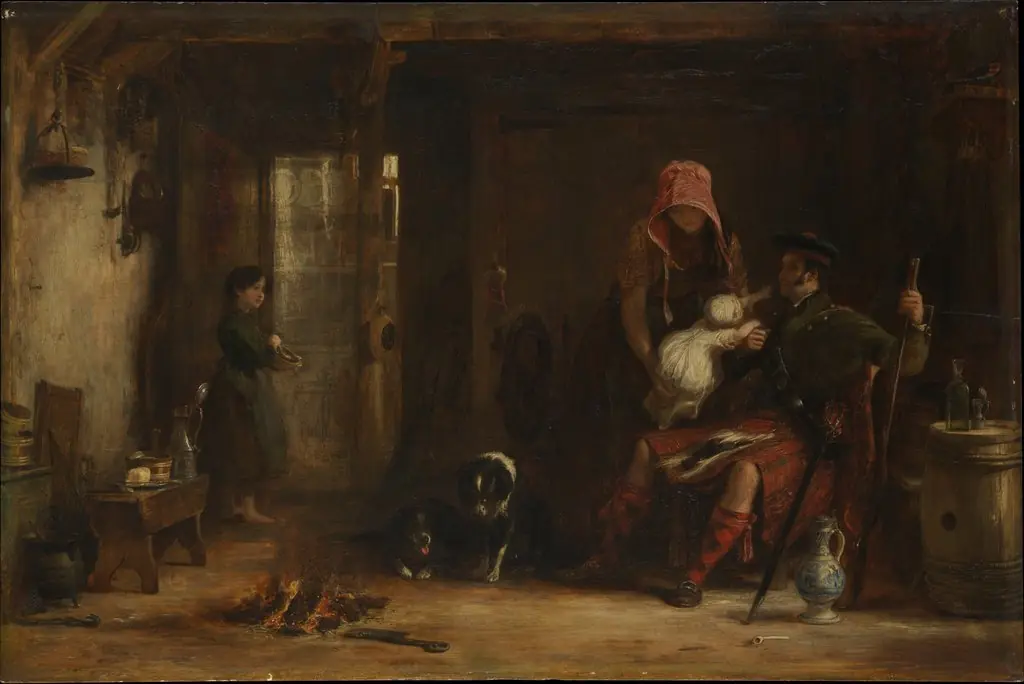 The Highland Family
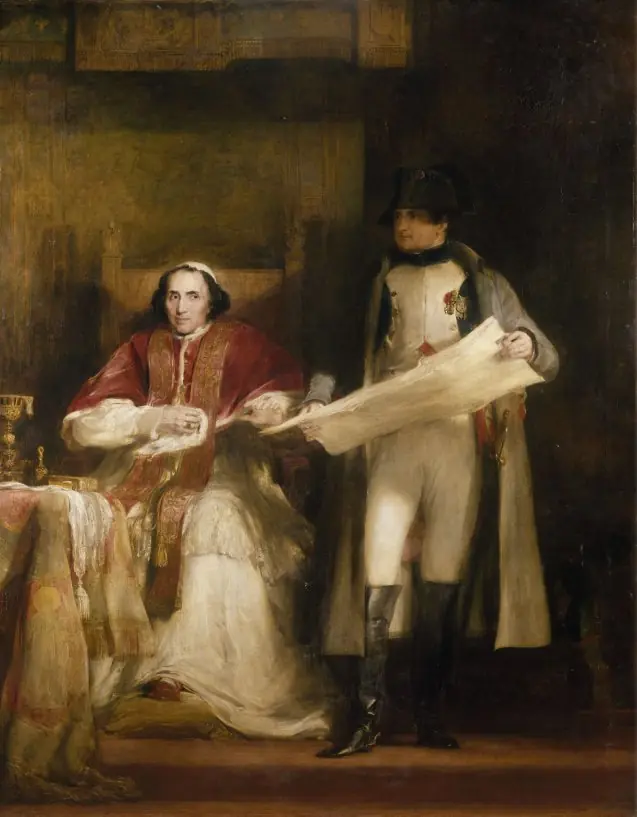 Napoleon and Pope Pius VII at Fontainebleau in 1813
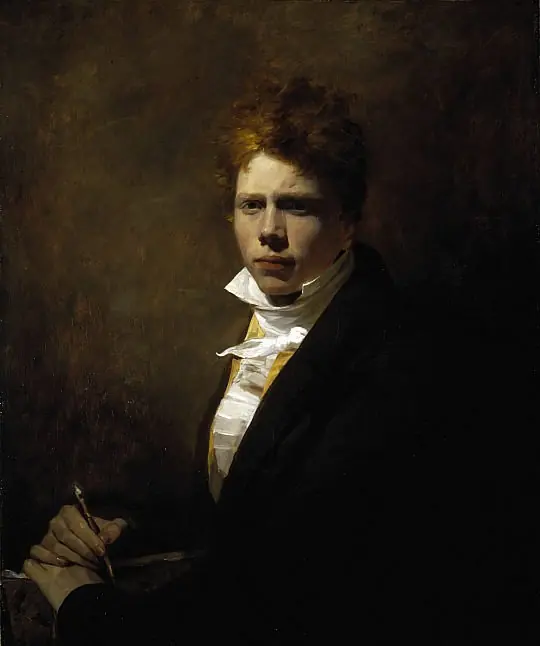 Self-Portrait
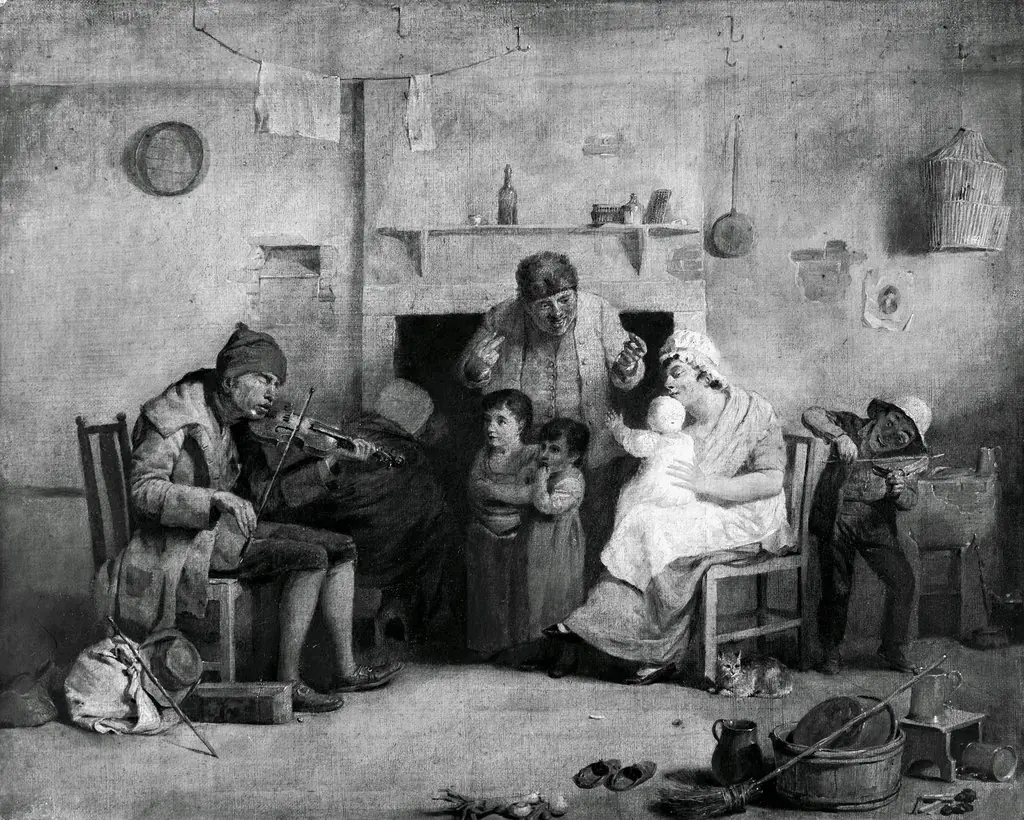 The blind violinist
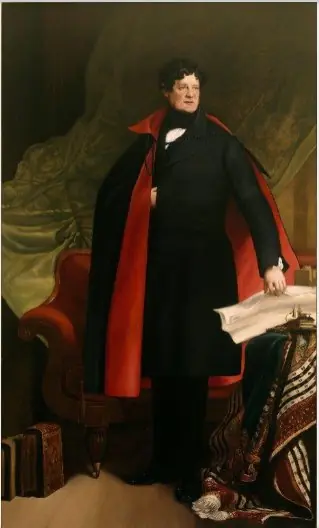 Portrait of Daniel O'Connell as Governor of the National Bank
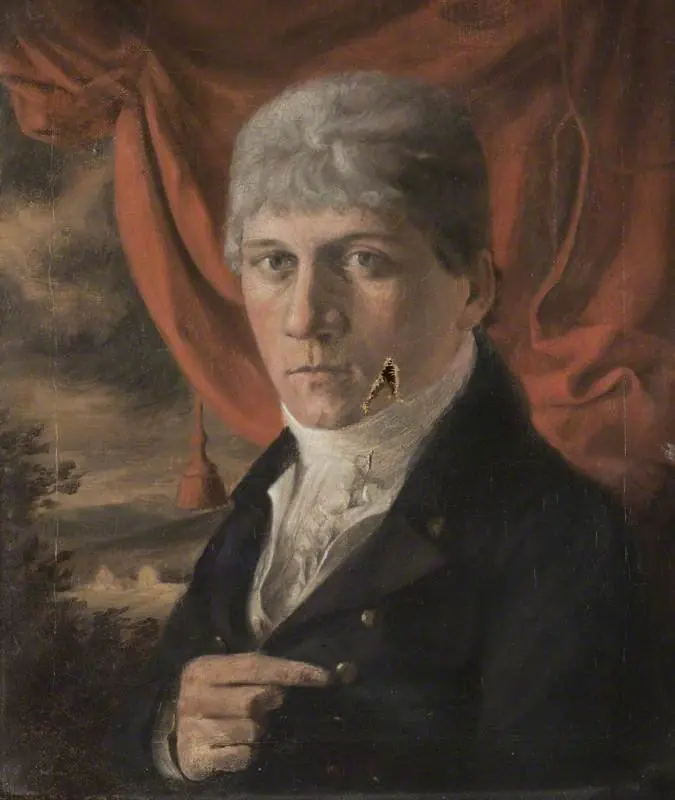 Portrait of the Artist's Brother, Captain James Wilkie (1784 - 1824)
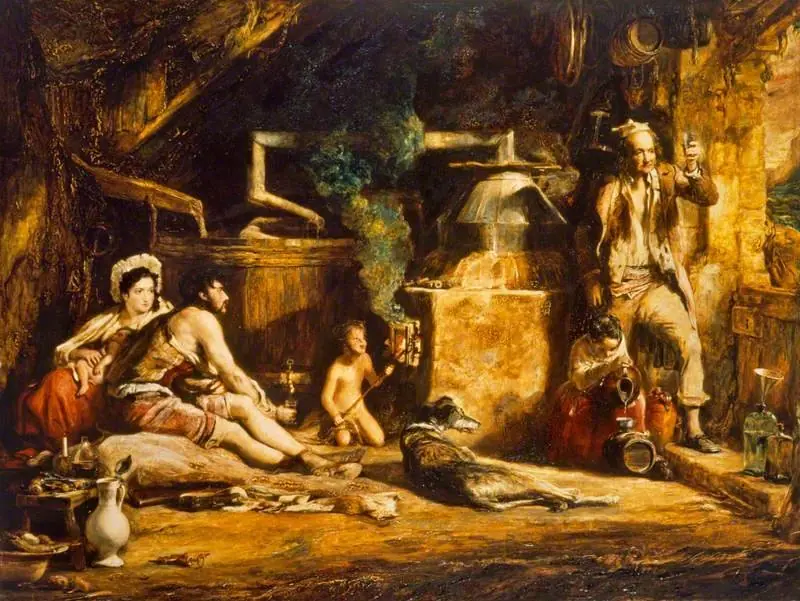 The Irish Whiskey Still
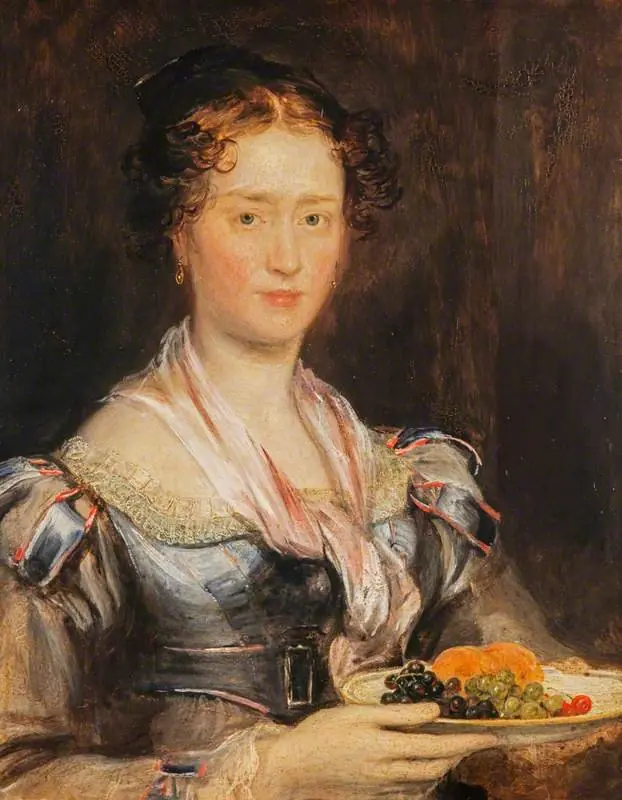 The Artist's Sister, Helen Hunter, née Wilkie (1793–1870)
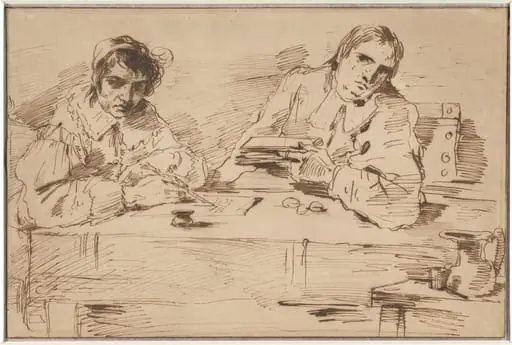 Self-Portrait Writing with a Companion
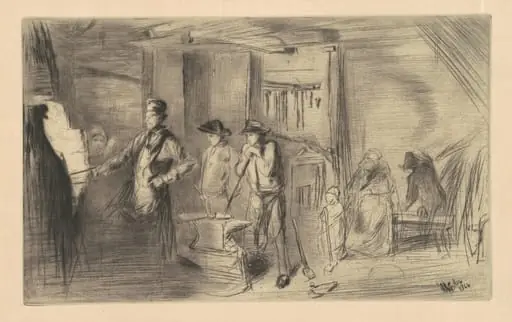 The Forge
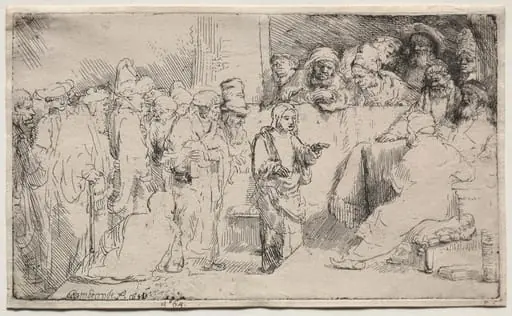 Christ Disputing with the Doctors: A Sketch
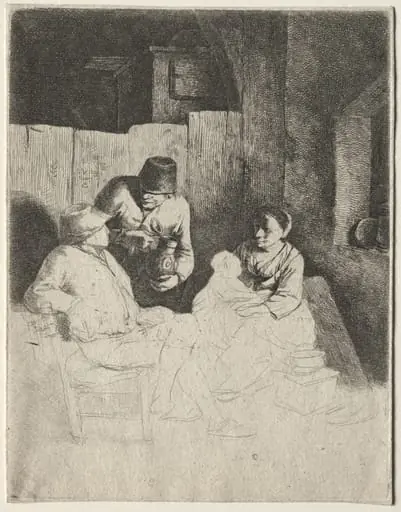 The Mother Seated in an Inn
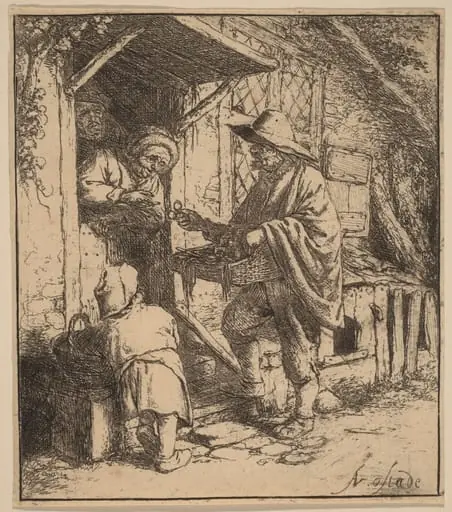 Street Vendor Selling Spectacles at the Door
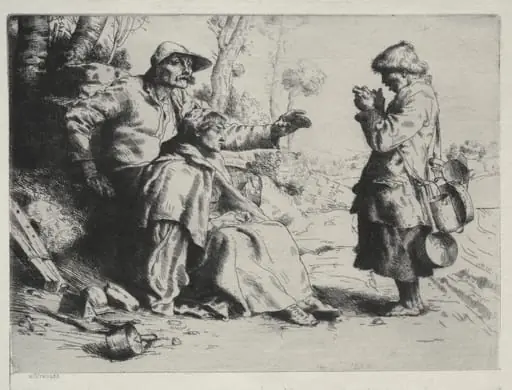 Tinkers
 Two Standing Courtiers
 The Public Scribe
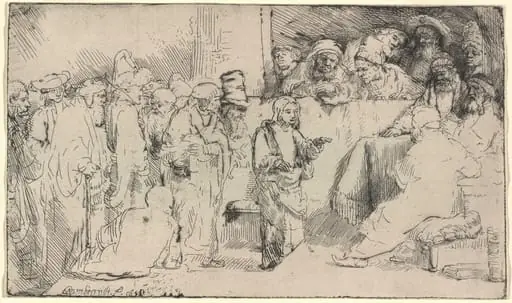 Christ Disputing with the Doctors: a Sketch
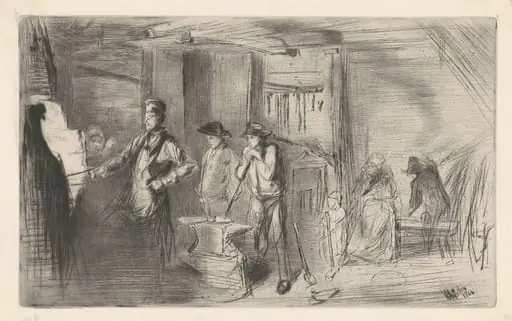 The Forge
 Reading of the Barrister's Brief
 Rag Pickers, Quartier Mouffetard, Paris