Artwork
Cambuskenneth, Stirlingshire, Scotland
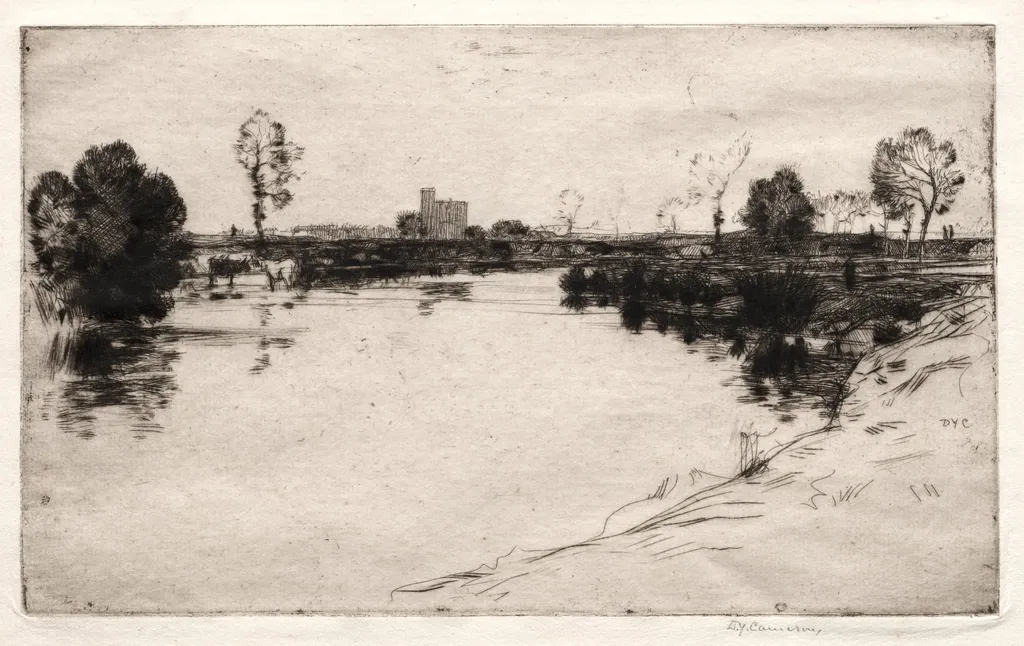
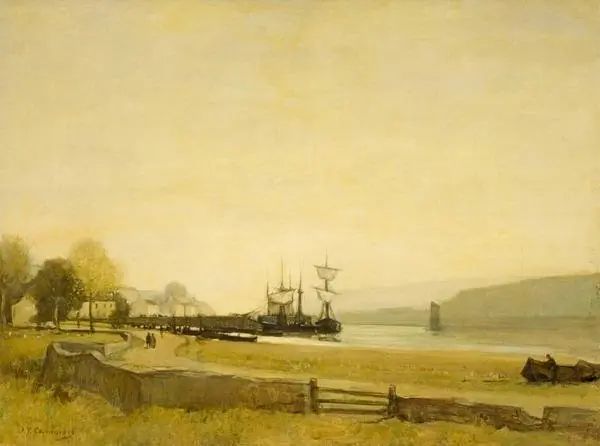
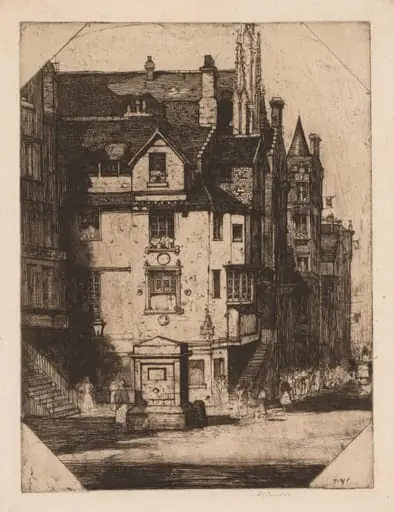
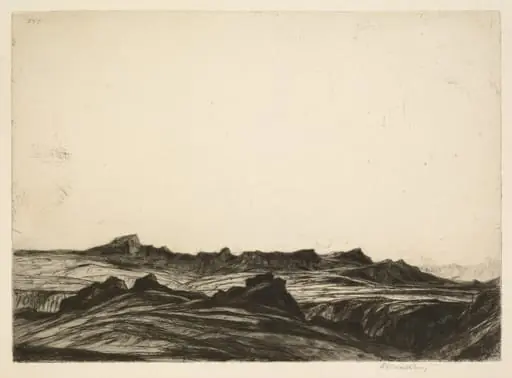
Cambuskenneth, Stirlingshire, Scotland is a print by David Young Cameron. It dates from 1904 and is held in the collection of the Cleveland Museum of Art.
About this work
The painting is titled Cambuskenneth, Stirlingshire, Scotland.
It was created by David Young Cameron in 1904.
The Cleveland Museum of Art holds this work, which is a landscape, and that's a notable fact about it - landscapes can show us a lot about a time and place.
You can learn more about the artist's style and other works at The Cleveland Museum of Art.
Overview
As a key figure in the late 19th-century Etching Revival, he favored intimate, atmospheric views of rural and architectural settings.
David Young Cameron produced this etching in 1904, capturing the landscape around Cambuskenneth in Stirlingshire, Scotland. As a key figure in the late 19th-century Etching Revival, he favored intimate, atmospheric views of rural and architectural settings. The work is held in the collection of the Cleveland Museum of Art, where it represents his contribution to the revival of printmaking as a serious artistic medium in Britain.
Subject & Meaning
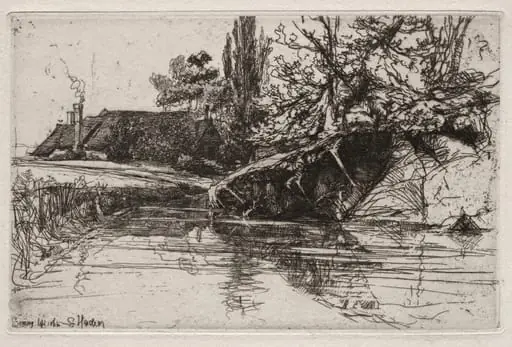
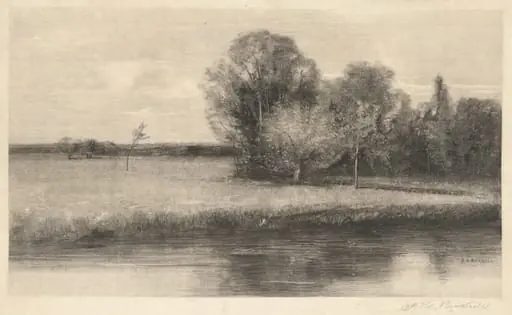
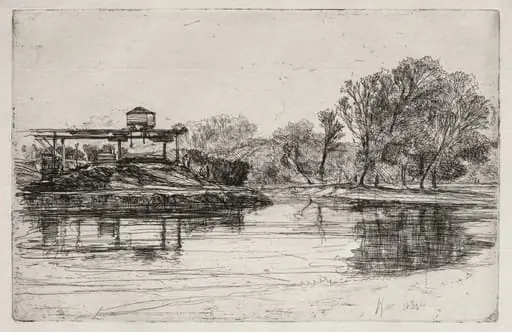
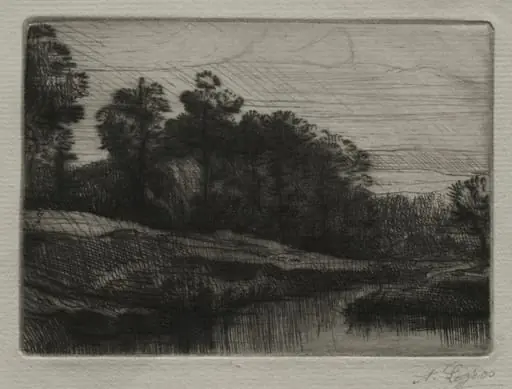
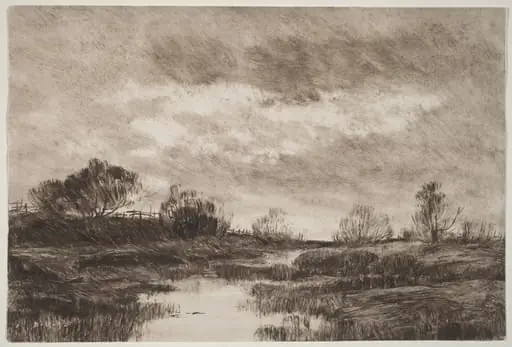
The scene depicts the quiet ruins of Cambuskenneth Abbey set within a rolling Scottish countryside, framed by trees and soft atmospheric haze. Cameron’s focus on decayed architecture amid natural growth suggests a contemplative mood, evoking time’s passage and the quiet persistence of place. The absence of human figures reinforces a sense of solitude and historical resonance.
Technique & Style
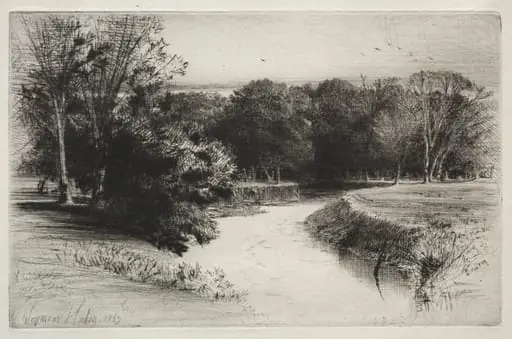
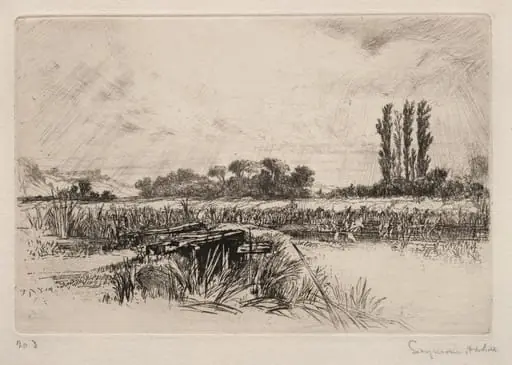
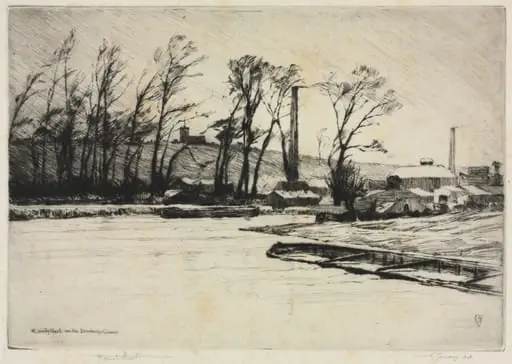
Cameron employed fine, controlled etched lines to model light and texture, using tonal gradations rather than bold contrasts. His technique blends precision with a loose, suggestive quality, allowing the ink to suggest foliage, stone, and sky with minimal strokes. This restrained approach reflects his interest in capturing mood over detail, aligning with the aesthetic ideals of the Etching Revival.
History & Provenance
Created during a period of renewed interest in hand-pulled prints, the work entered the Cleveland Museum of Art’s collection in the 20th century. It was likely acquired as part of broader efforts to build a representative collection of British printmakers. Its presence in an American institution reflects the international appreciation for Cameron’s work during his lifetime.
Context
Cameron worked alongside contemporaries like James McNeill Whistler and Francis Seymour Haden, contributing to a movement that elevated etching beyond reproductive use to a form of personal expression. His focus on Scottish landscapes responded to a growing cultural interest in national identity and heritage during the Edwardian era.
Legacy
Cameron’s etchings, including this one, helped redefine printmaking as a legitimate fine art form in Britain. His influence extended to later generations of printmakers who valued subtlety and atmosphere over technical showmanship. Today, his works remain studied for their quiet economy of line and their sensitive rendering of place.
Artist & collection
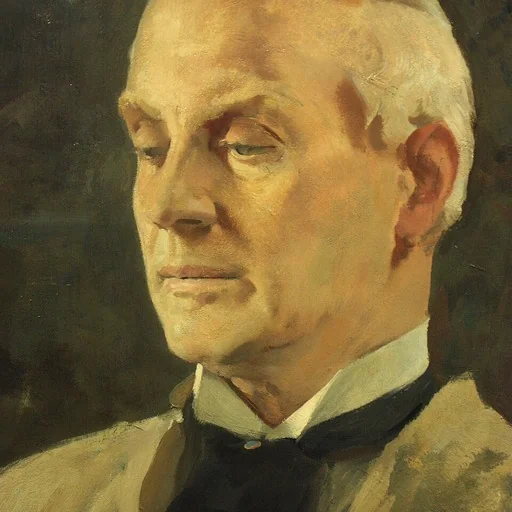
Artist
Sir David Young Cameron (28 June 1865 – 16 September 1945) was a Scottish painter and, with greater success, etcher, mostly of townscapes and landscapes in both cases. He was a leading figure in the final decades of the Etching Revival.