Artwork
Isles of Loch Lomond
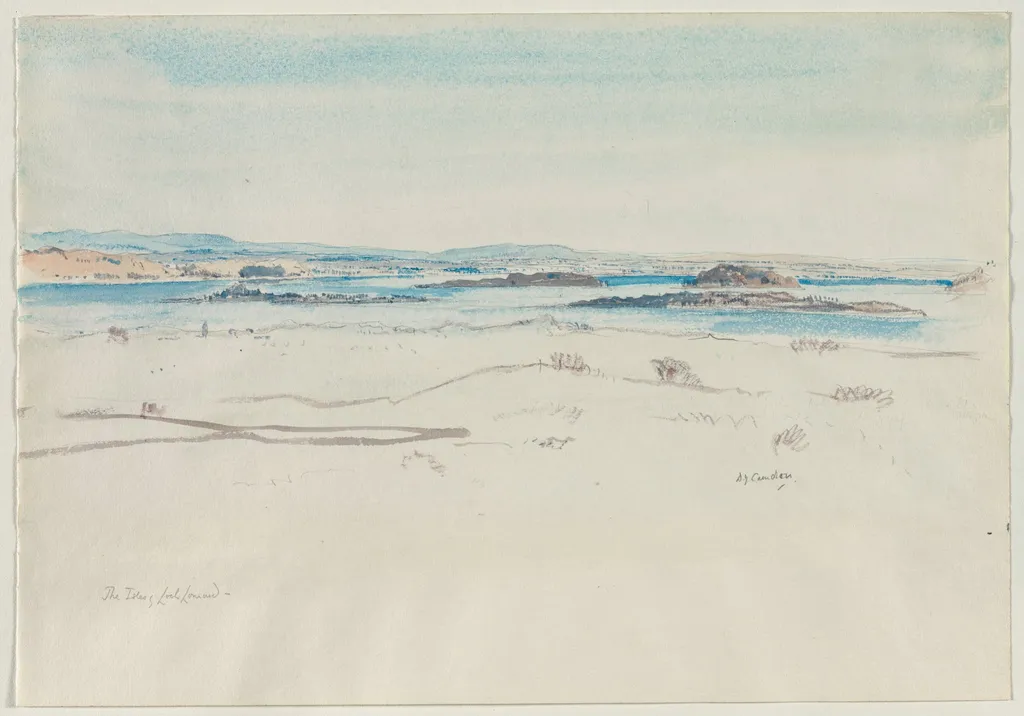
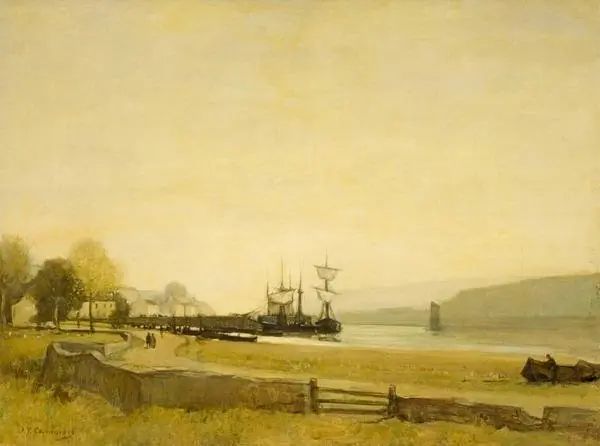
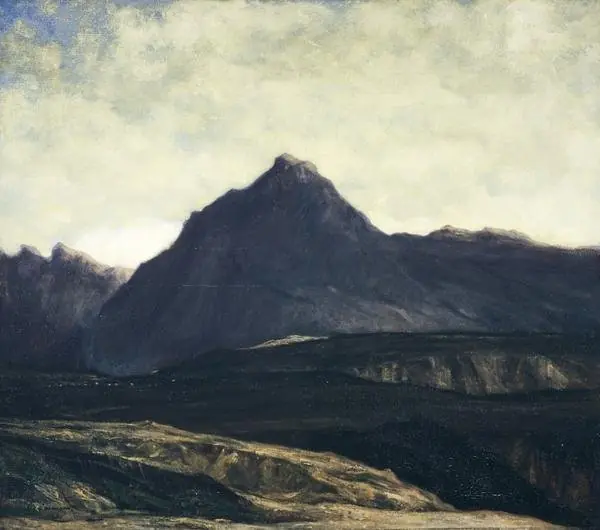
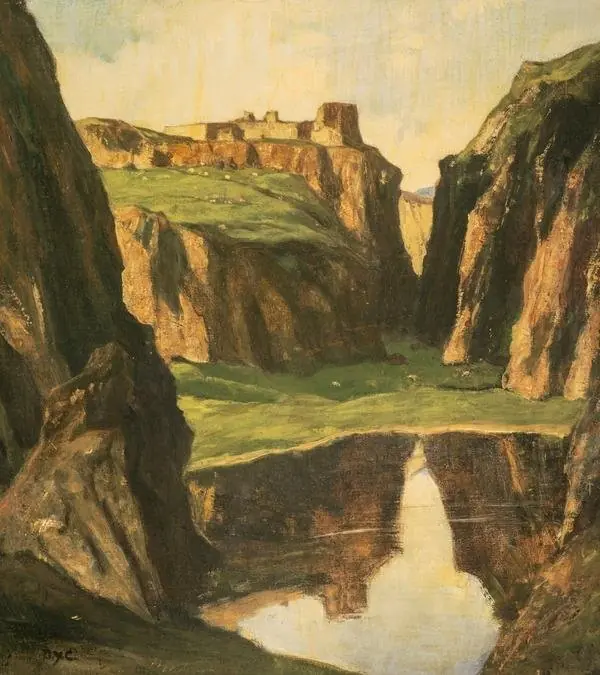
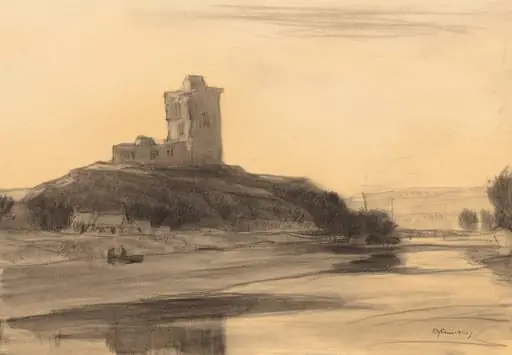
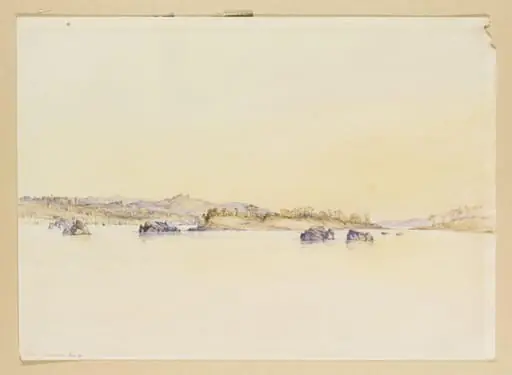
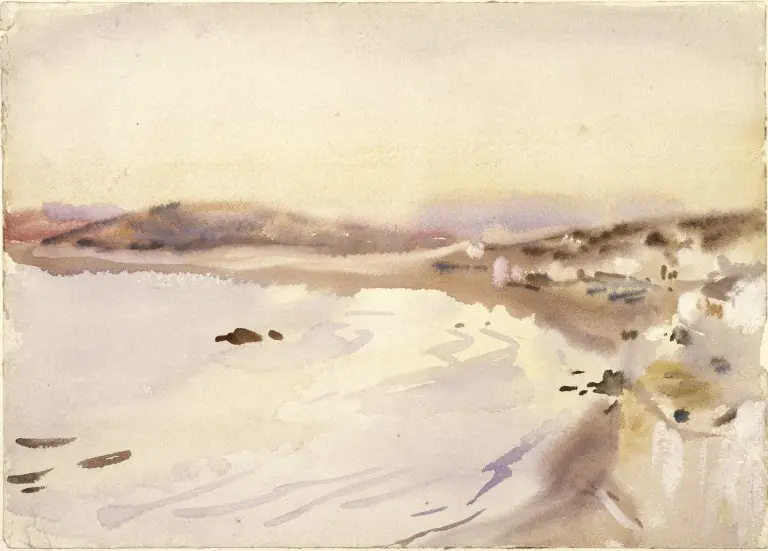
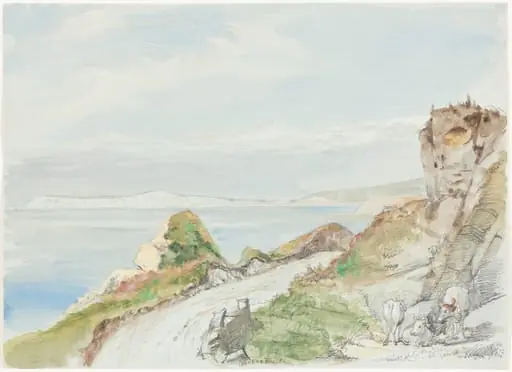
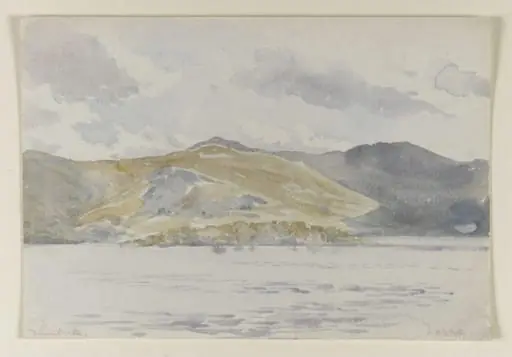
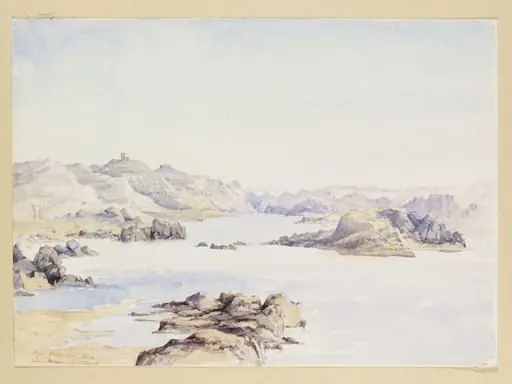
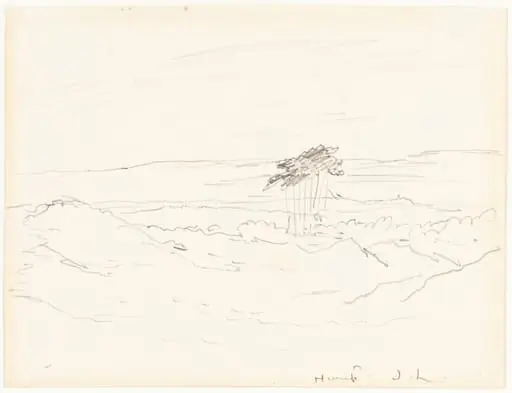
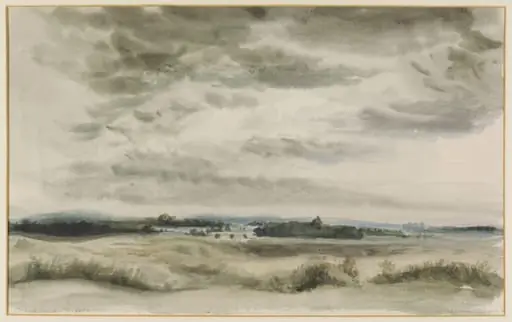
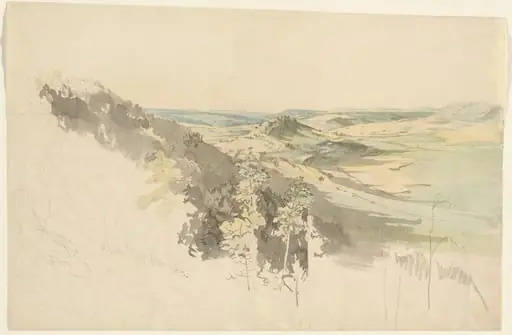
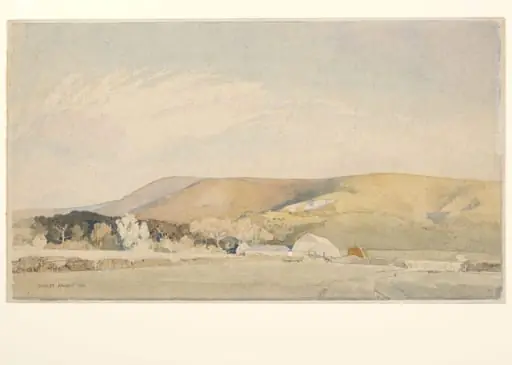
Isles of Loch Lomond is a drawing by the Impressionist artist David Young Cameron. It dates from 1909 and is held in the collection of the Cleveland Museum of Art.
About this work
Overview
David Young Cameron produced *Isles of Loch Lomond* in 1909 as a drawing, not a painting, reflecting his primary practice in etching and graphic media.
David Young Cameron produced *Isles of Loch Lomond* in 1909 as a drawing, not a painting, reflecting his primary practice in etching and graphic media. Though often associated with landscape subjects, Cameron’s approach here emphasizes tonal nuance and restrained line work rather than color. The piece resides in The Cleveland Museum of Art’s collection, representing his engagement with Scottish topography during the waning years of the Etching Revival.
Subject & Meaning
The drawing depicts a quiet expanse of Loch Lomond’s islands, capturing the stillness of water and land in northern Scotland. Rather than dramatizing the scene, Cameron conveys a sense of quiet observation, aligning with the contemplative tone common in late 19th- and early 20th-century British landscape work. The absence of human figures or overt narrative invites focus on natural form and atmospheric balance.
Technique & Style
Cameron employed fine, controlled etched lines to suggest texture and depth, favoring subtle gradations over bold contrasts. The water’s surface is rendered with delicate, feathery strokes that imply gentle movement without literal realism. His muted palette of blues and greens, achieved through ink wash and selective ink density, enhances the atmospheric mood, distinguishing his method from the brighter hues of Impressionist practice.
History & Provenance
Created during a period when Cameron was refining his graphic style after early success in etching, the work entered The Cleveland Museum of Art’s collection in the 20th century. Its acquisition reflects the museum’s interest in British graphic art of the period. No significant exhibition history or prior ownership records are widely documented, suggesting its value lies primarily in its stylistic coherence within Cameron’s oeuvre.
Context
Cameron worked amid the decline of the Etching Revival, a movement that had once revived interest in hand-printed graphic art. While contemporaries like James McNeill Whistler emphasized mood through tonal harmony, Cameron focused on the structural integrity of landscape forms. His work bridges the precision of Victorian draftsmanship and the emerging modernist interest in simplification, without fully embracing abstraction.
Legacy
Cameron’s *Isles of Loch Lomond* exemplifies a quiet, enduring strand of British landscape art that prioritized technical discipline over expressive flourish. Though less celebrated than his etchings of urban scenes, this drawing illustrates his consistent commitment to capturing place through restrained means. It remains a reference point for studies of early 20th-century British graphic art and regional landscape representation.
Artist & collection
Artist
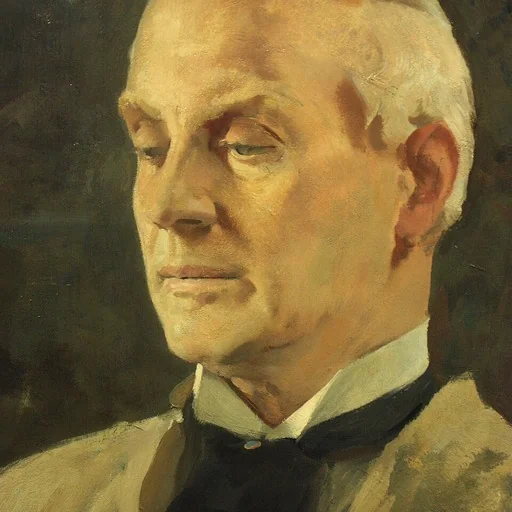
Sir David Young Cameron (28 June 1865 – 16 September 1945) was a Scottish painter and, with greater success, etcher, mostly of townscapes and landscapes in both cases. He was a leading figure in the final decades of the Etching Revival.