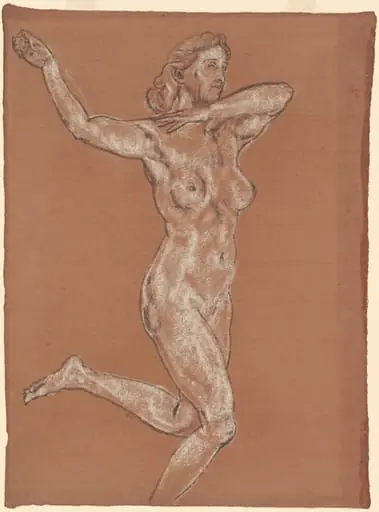
Artwork
Female Nude from Behind
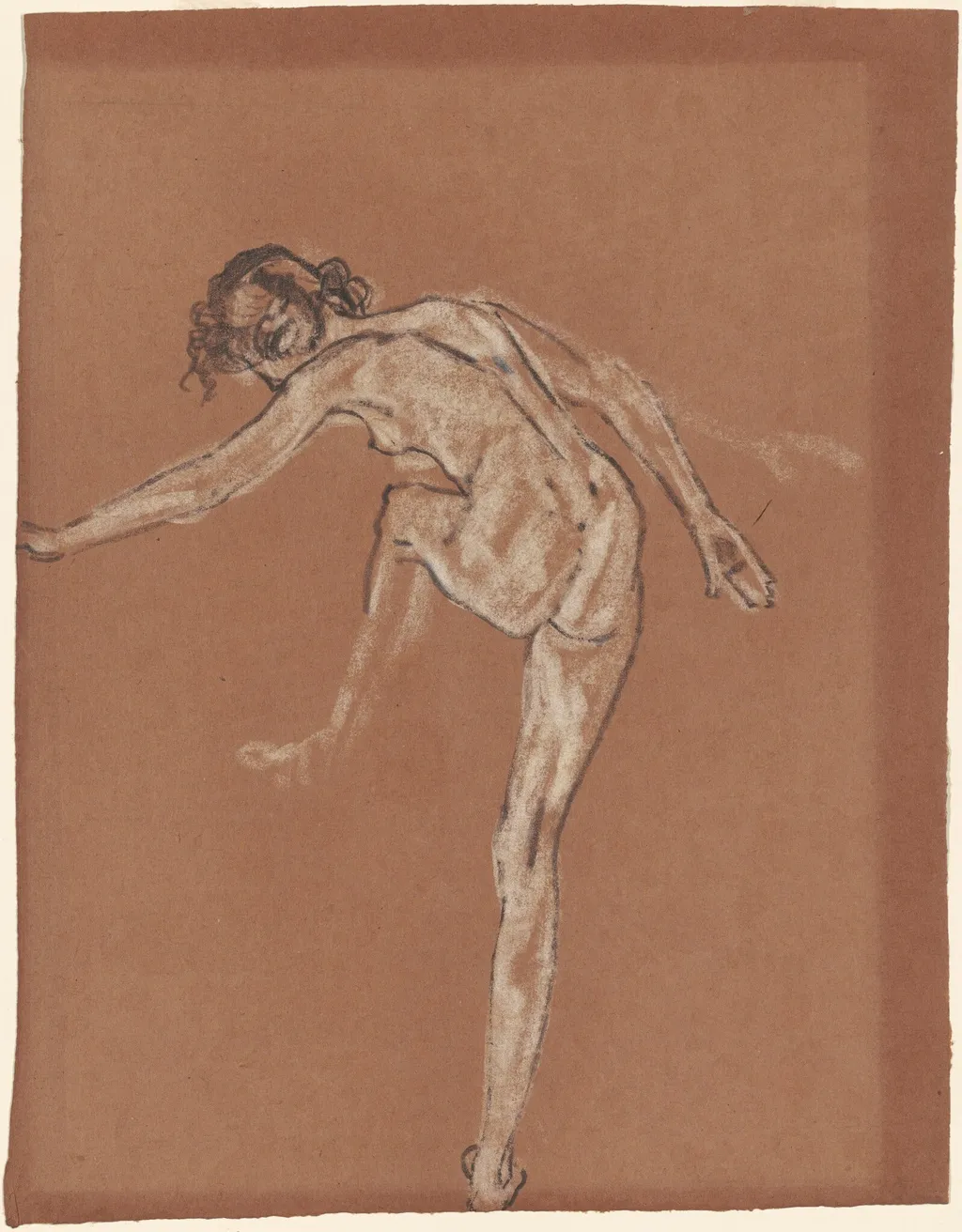
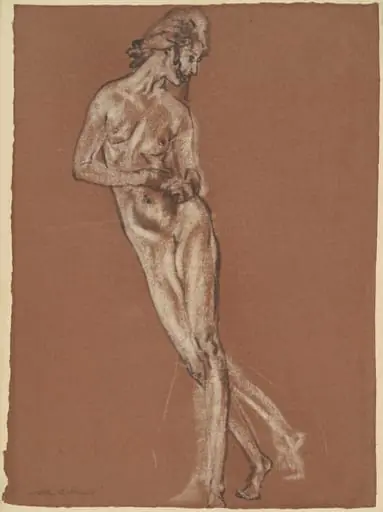
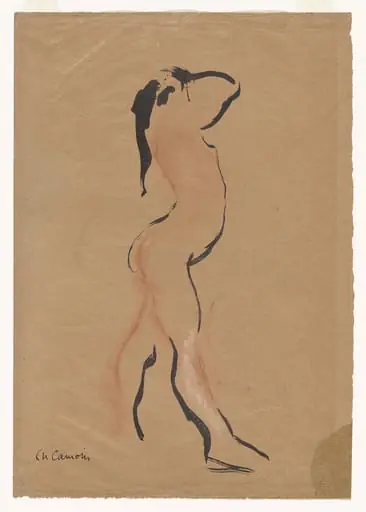
Female Nude from Behind is a charcoal drawing by Arthur Bowen Davies. It dates from 1922 and is held in the collection of the National Gallery of Art. Created around 1922, this charcoal and chalk drawing by Arthur B.
About this work
Overview
Davies, known for fostering modernist currents in American art, used minimal shading and bold contours to convey motion rather than anatomical precision.
Created around 1922, this charcoal and chalk drawing by Arthur B. Davies captures a standing female figure viewed from behind. Executed on brown laid paper, the work is a study in simplified form and dynamic posture. Davies, known for fostering modernist currents in American art, used minimal shading and bold contours to convey motion rather than anatomical precision. The absence of background or context focuses attention entirely on the figure’s gesture and balance.
Subject & Meaning
The figure is depicted in a contrapposto stance, with one leg bearing weight and the other lifted, arms extended horizontally. The twist of the torso suggests a moment of transition or pause, evoking physical tension without narrative. Unlike traditional nudes that emphasize idealized beauty or eroticism, this study prioritizes the body as an expressive structure, reflecting Davies’ interest in abstraction and emotional resonance over realism.
Technique & Style
Davies employed charcoal for deep, fluid lines and chalk for lighter accents, exploiting the texture of the brown paper to enhance tonal contrast. The drawing avoids cross-hatching or detailed modeling, instead relying on economy of line to suggest volume and movement. The lack of shading and the open composition create a sense of immediacy, aligning the work with modernist tendencies that valued expressive gesture over finish.
History & Provenance
The drawing emerged during a period when Davies was actively involved in promoting modern art through exhibitions and institutional roles, including the 1913 Armory Show. While not widely exhibited during his lifetime, it remained in private collections and later entered public holdings as part of broader recognition of his role in American modernism. Its survival reflects its status as a personal study rather than a public commission.
Context
In early 20th-century America, the nude remained a contested subject, often associated with academic tradition. Davies’ approach diverged from classical norms, aligning instead with European modernists who explored form through abstraction and movement. This drawing reflects a broader shift among American artists toward introspective, non-narrative figure studies, influenced by post-impressionism and emerging avant-garde practices.
Legacy
Though not among Davies’ most famous works, this drawing exemplifies his commitment to redefining the figure in modern terms. It contributes to a lesser-known but significant body of American drawings that prioritized expressive line over detail, influencing later generations of artists who sought to break from academic conventions. Its restraint and focus continue to resonate in studies of modernist draftsmanship.
Artist & collection
Artist
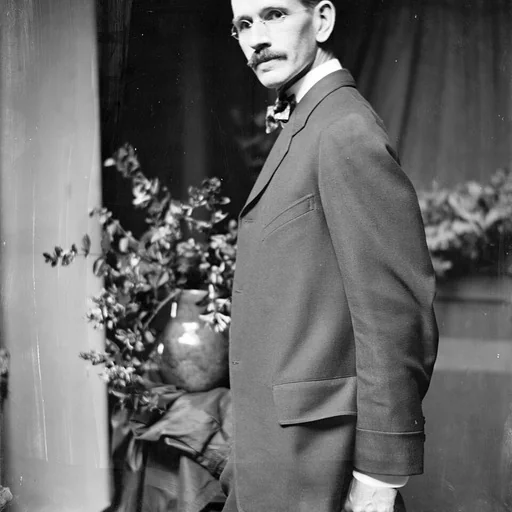
Arthur Bowen Davies (September 26, 1862 – October 24, 1928) was an avant-garde American artist and influential advocate of modern art in the United States c. 1910–1928.