Artwork
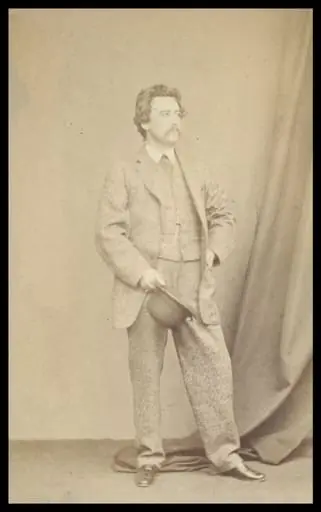
Guy Little Theatrical Photograph
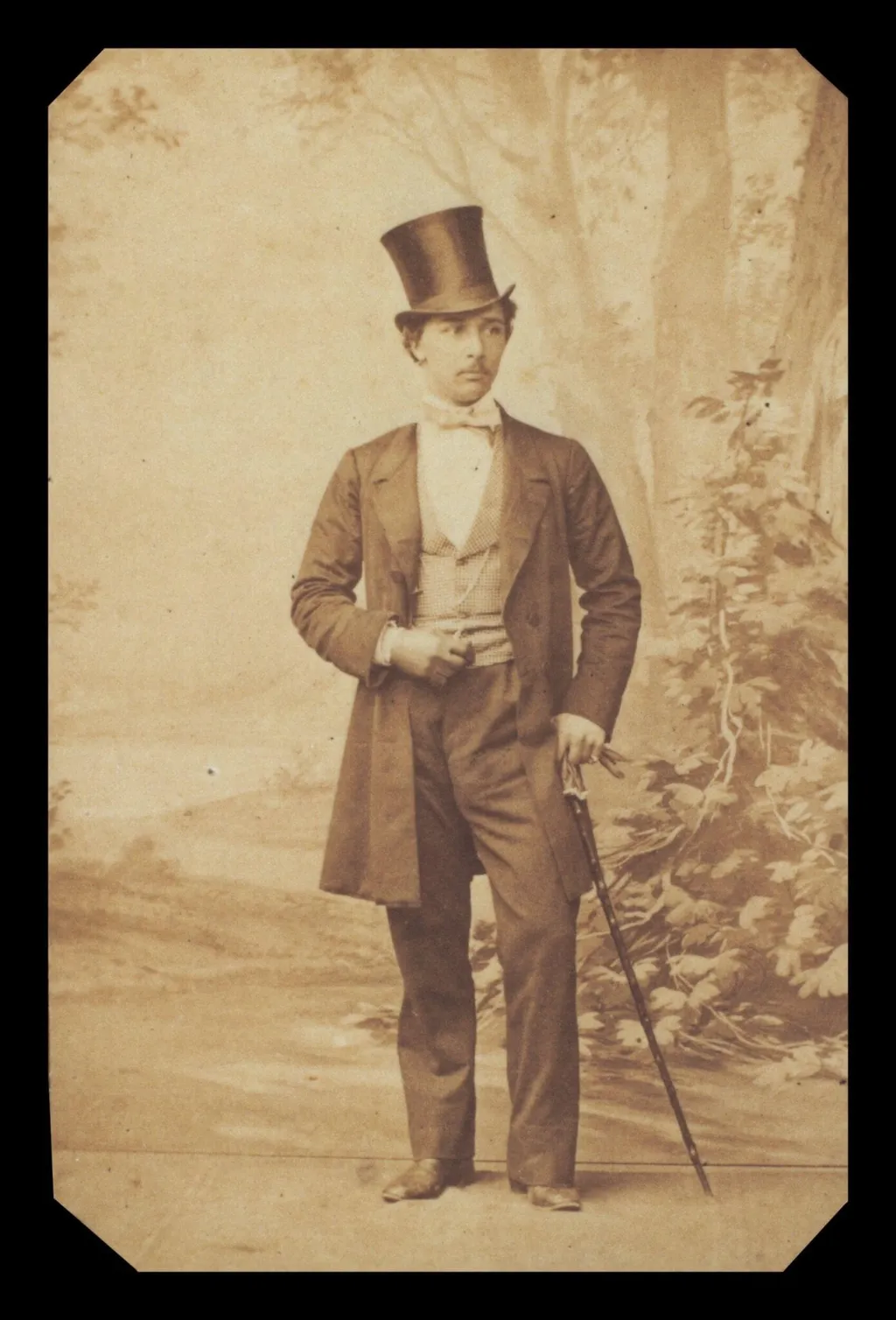
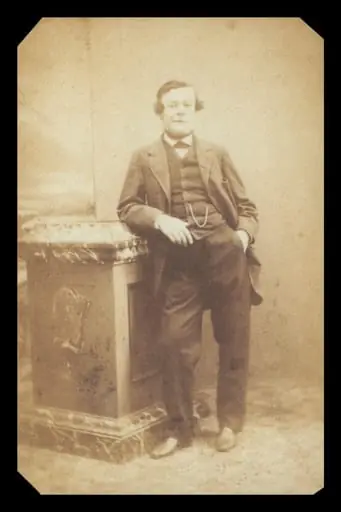
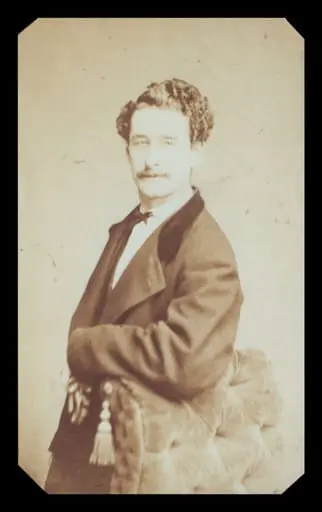
Guy Little Theatrical Photograph is a photographic photography by the Impressionist artist Pierre Petit. It dates from 1866 and is held in the collection of the Victoria and Albert Museum.
About this work
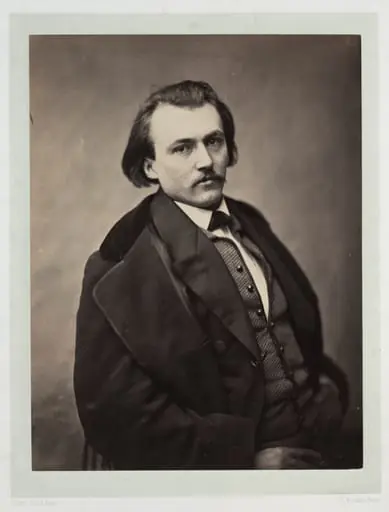
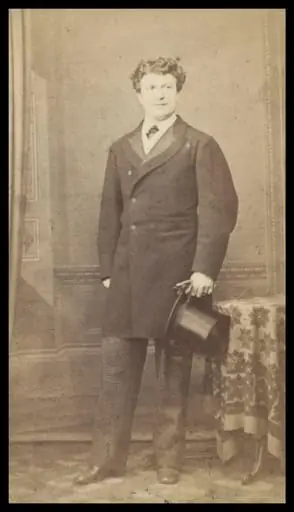
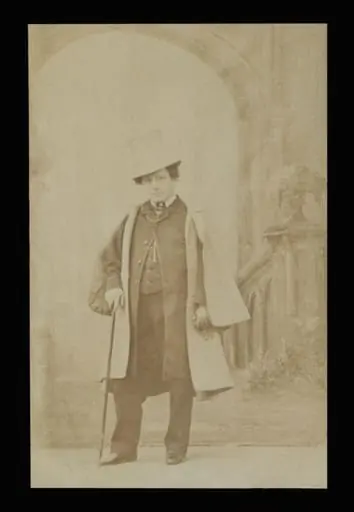
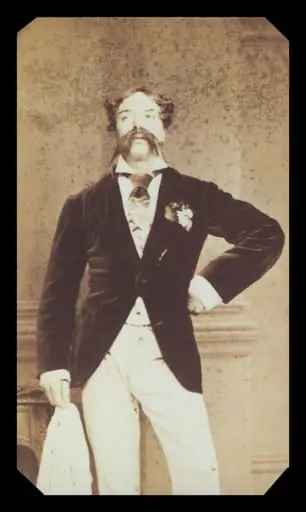
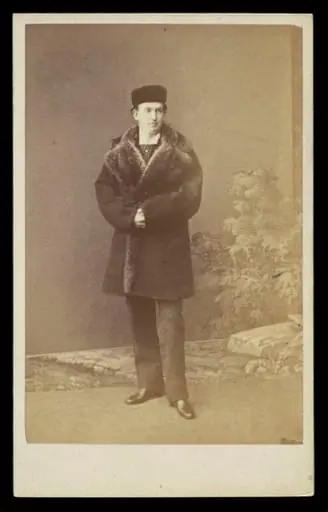
This photo shows a French acrobat named Jules Léotard. It was taken between 1862 and 1870 by Pierre Petit, a Paris photographer.
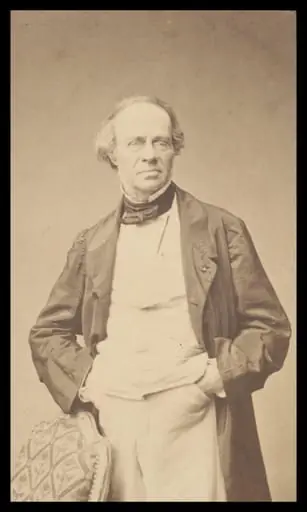
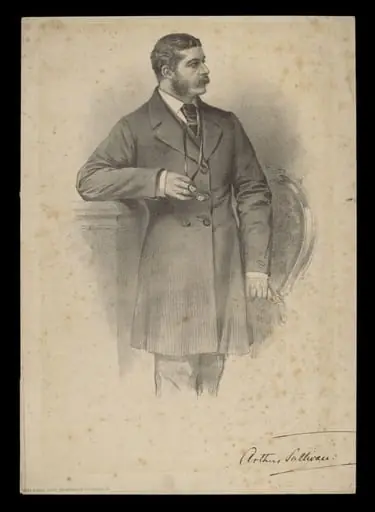
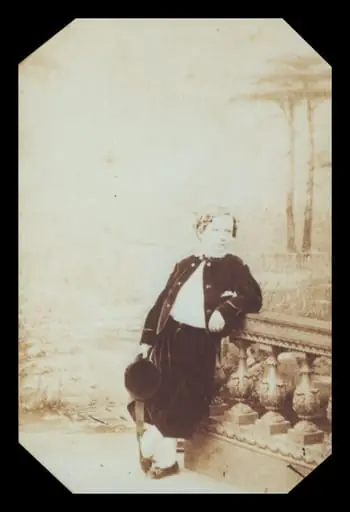
Back then, actors paid for fancy card photos to hand out or sell. These small albumen prints were called “cartes de visite.” They fit in albums like baseball cards today.
Check out what’s next door at the Victoria and Albert Museum.
Overview
This photograph is part of a personal collection assembled by Guy Tristram Little, a British solicitor and avid collector of visual ephemera.
This photograph is part of a personal collection assembled by Guy Tristram Little, a British solicitor and avid collector of visual ephemera. Acquired from the studio of Parisian photographer Pierre Petit, it depicts the French acrobat Jules Léotard in formal attire. The image is an albumen print on card, typical of the carte de visite format popular between the 1850s and 1870s. Little later removed such prints from their original mounts and bound them into albums, preserving them as a curated archive of 19th-century performance culture.
Subject & Meaning
Jules Léotard was renowned for his aerial performances, particularly the flying trapeze, which he popularized in Parisian circuses. Though known for daring feats, this portrait presents him in civilian dress, aligning with the Victorian practice of using studio photography to humanize public figures. The image reflects the era’s fascination with celebrity and the blurring of public and private identity through mass-produced portraiture, offering a quiet counterpoint to his athletic persona.
Technique & Style
The photograph was produced using the albumen printing process on glass negative, a standard method in mid-19th-century studio photography. Pierre Petit employed a consistent studio backdrop and lighting to create uniformity across his series of Léotard portraits. The small format—approximately 2.5 by 4 inches—was designed for easy handling and collection. Sharp detail and tonal gradation reflect the technical precision expected in commercial portraiture of the time, despite the limitations of early photographic chemistry.
History & Provenance
The photograph entered the Victoria and Albert Museum’s collection through Guy Little’s bequest in 1953. Little had systematically gathered and remounted hundreds of cartes de visite and cabinet cards, many from Petit’s Paris studio. His collection was closely tied to the theatrical archive of Gabrielle Enthoven, whose own holdings formed the foundation of the V&A’s Theatre Collections. The image’s survival in Little’s albums ensured its preservation beyond its original commercial purpose.
Context
During the 1860s, cartes de visite became a cultural phenomenon across Europe and North America, serving as both personal mementos and collectible items. Actors, dancers, and circus performers were frequent subjects, their images circulated like modern-day celebrity photos. Petit’s studio, located in central Paris, catered to this demand, producing standardized portraits for public consumption. Léotard’s image, like others in the series, functioned as both advertisement and tribute, bridging performance and print culture.
Legacy
Little’s assembled albums represent an early form of archival practice, preserving transient commercial photographs as historical documents. The survival of Petit’s Léotard series offers insight into how performers were visually marketed before film. Today, these images are valued not for their artistic innovation but for their role in documenting the social rituals of celebrity and the material culture of photography’s early decades, contributing to the study of performance history in the Victorian era.
Artist & collection
Artist
Pierre Petit had a nose for drama. He spent the 1860s lurking backstage at Paris theaters, snapping portraits of actors in full costume before the curtain rose. The trick? He caught them mid-change, make-up…