Artwork
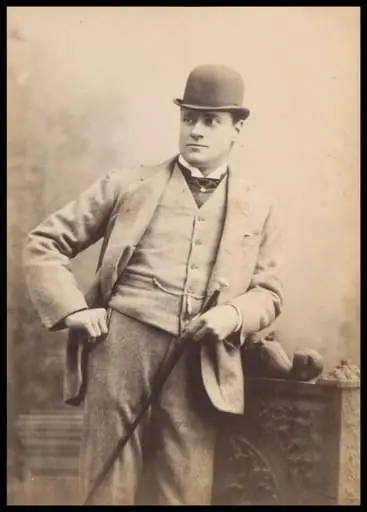
Guy Little Theatrical Photograph
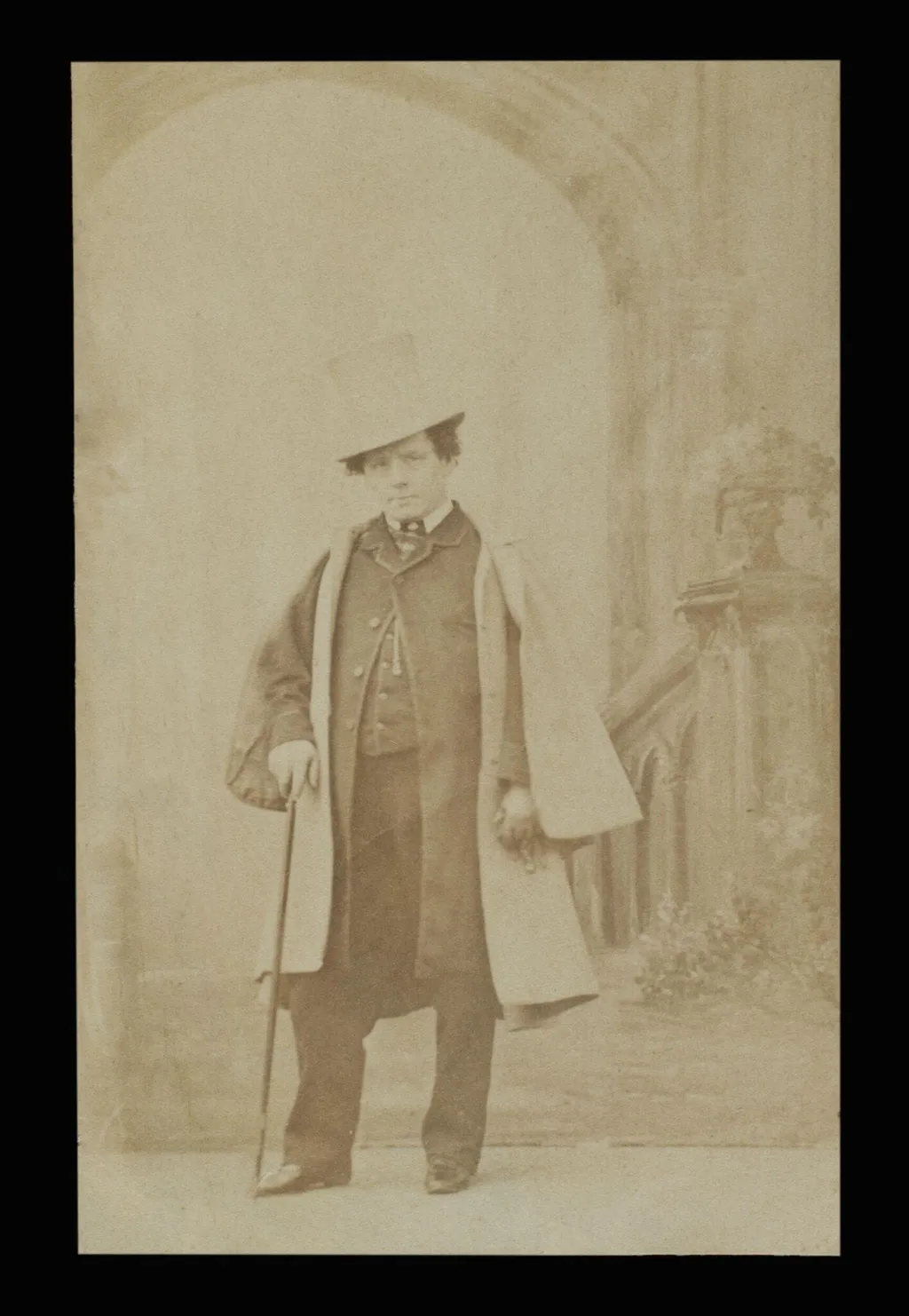
Guy Little Theatrical Photograph is a photographic photography by Caldesi & Co.. It dates from 1850 and is held in the collection of the Victoria and Albert Museum.
About this work
Overview
It belongs to a private collection assembled by Guy Tristram Little, a solicitor and enthusiast of ephemeral visual culture.
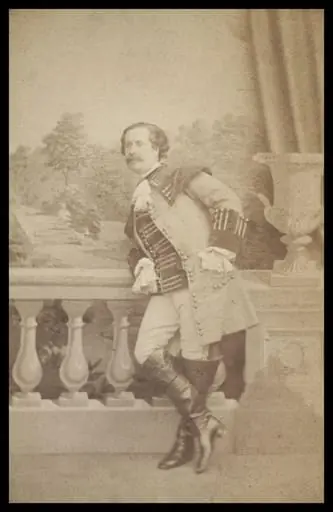
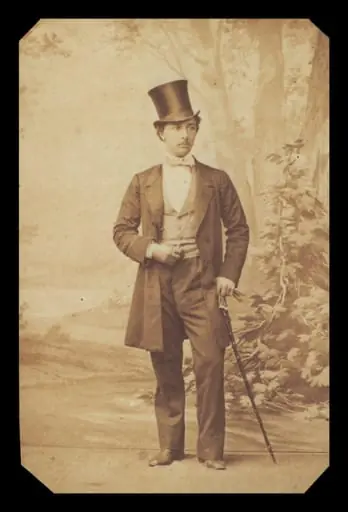
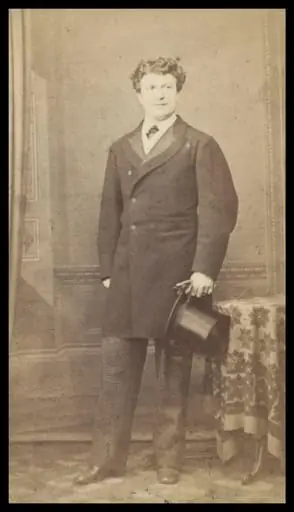
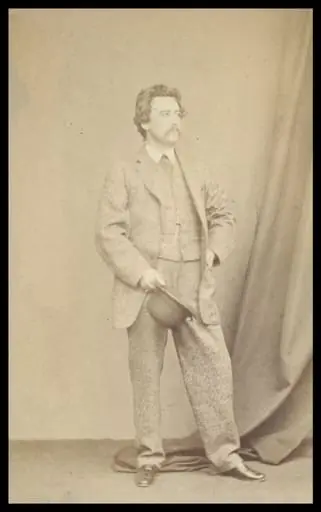
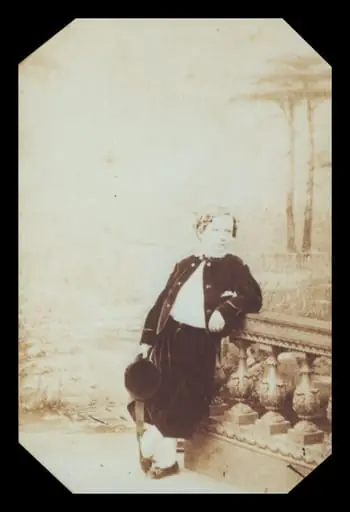
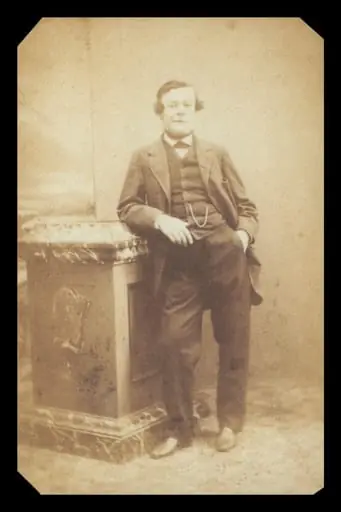
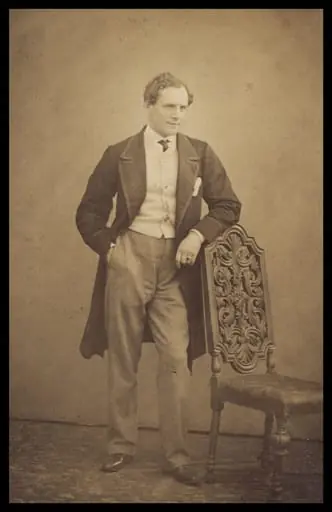
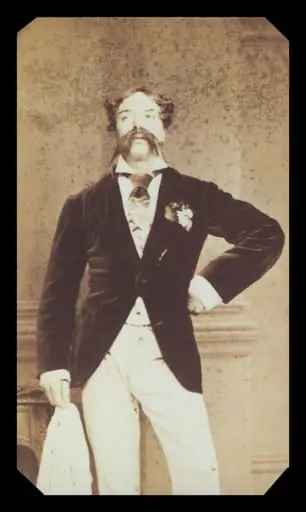
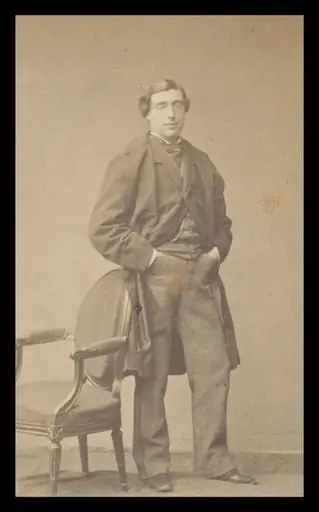
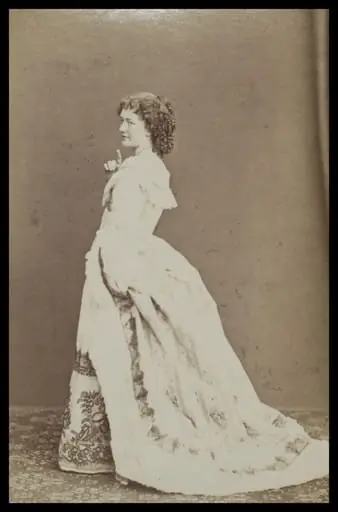
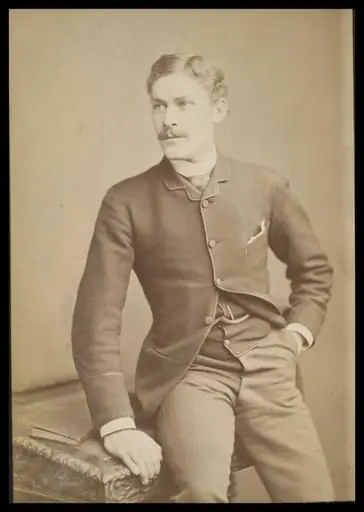
This photograph of actor Frederick Robson was produced by Caldesi & Co. in the mid-to-late 19th century as part of a widespread practice of distributing theatrical portraits. It belongs to a private collection assembled by Guy Tristram Little, a solicitor and enthusiast of ephemeral visual culture. The image was originally mounted as a carte de visite, a small photographic card popular for personal and commercial exchange during the 1860s and 1870s, before being removed from its original backing and preserved in Little’s bound albums.
Subject & Meaning
Frederick Robson was a celebrated Victorian stage performer known for comedic and character roles, particularly in burlesque and pantomime. His portrait, captured in theatrical costume, served not only as a record of his public persona but also as a commodity for fans seeking tangible connections to the stage. These images functioned as cultural artifacts, reflecting the growing public fascination with celebrity and the democratization of portraiture through photography.
Technique & Style
The photograph is an albumen print made from a glass negative, a standard process of the era that produced fine tonal detail and a glossy surface. Mounted on thick card stock, it bears the imprint of Caldesi & Co., a known London studio specializing in theatrical portraits. The composition is formal, with Robson posed against a neutral backdrop, emphasizing costume and expression over environmental context, typical of studio portraiture designed for mass reproduction.
History & Provenance
The photograph was once part of Guy Tristram Little’s personal archive of theatrical ephemera, which he meticulously organized into albums after removing the original card mounts. Little, a partner in a London legal firm, collected greeting cards, games, and photographs as cultural records. Upon his death in 1953, the collection was bequeathed to the Victoria and Albert Museum, where it became a foundational resource for the study of Victorian theatre.
Context
During the 1860s, cartes de visite became a social phenomenon, with millions produced annually across Europe and North America. Their affordability and portability made them ideal for collecting and exchanging among middle-class households. Theatrical figures like Robson were among the most popular subjects, bridging the gap between live performance and domestic leisure. By the 1880s, larger cabinet cards replaced cartes, and by the 1890s, postcards began to dominate the market for visual memorabilia.
Legacy
Little’s collection, now held by the V&A, preserves a unique record of how Victorian audiences engaged with performance culture through material objects. These photographs offer insight into the early intersection of celebrity, commerce, and photography. The archive remains a vital resource for scholars studying the visual history of theatre, the evolution of photographic practices, and the social rituals of collecting in the 19th century.
Artist & collection
Artist
These two ran a London photo studio packed with props, costumes, and top hats where actors stepped out of character long enough to pose.