Artwork
Satir și numfă
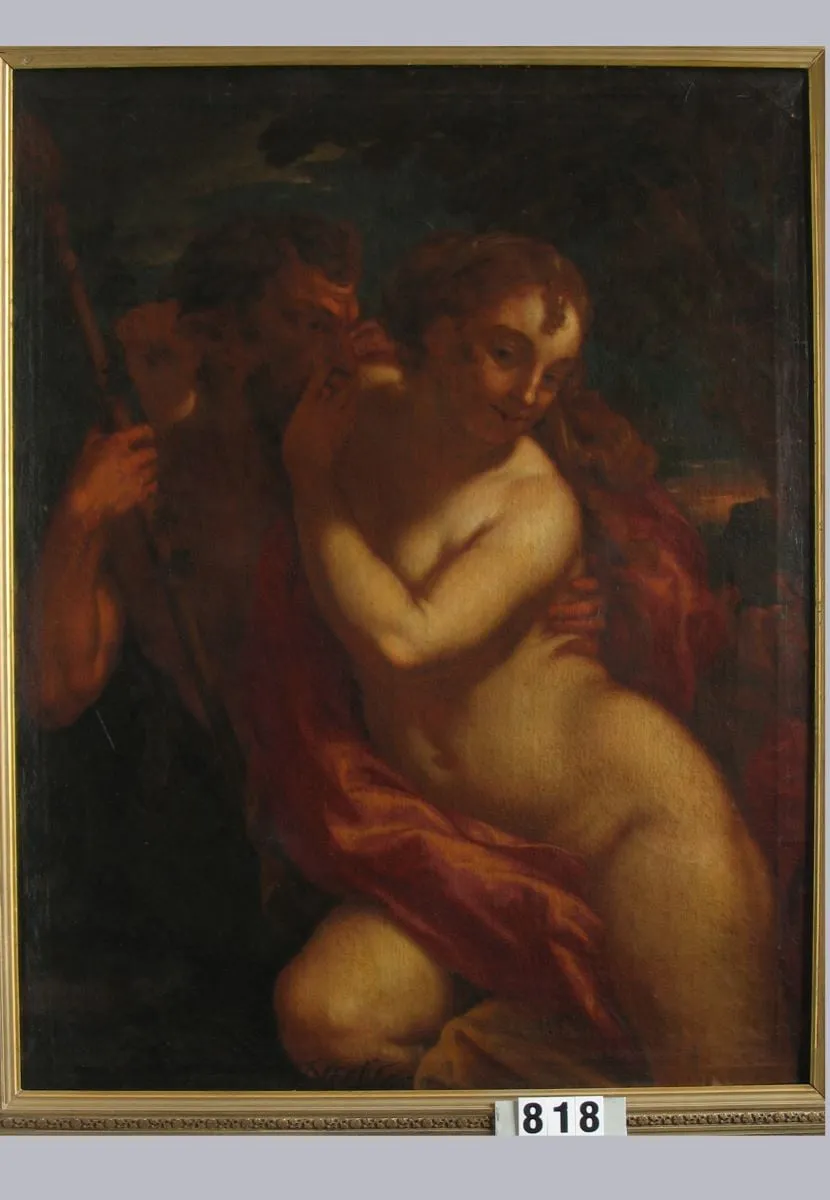
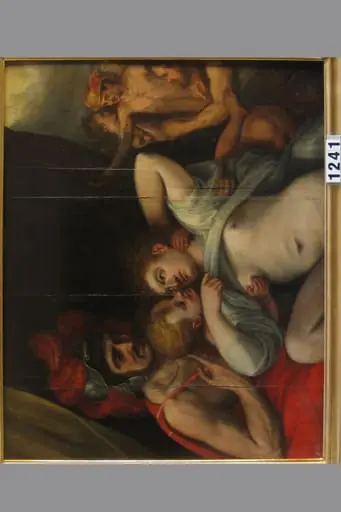
Satir și numfă is a print by the Baroque artist Franciscus zis Bloosarken sau Blaserken De Neve cel Tânăr. It is held in the collection of the Brukenthal National Museum. This painting presents a solitary nude woman seated on the right, partially draped in a red cloth, her hand raised near her face.
About this work
Overview
The composition relies on strong contrasts of light and shadow to model form and direct attention toward the woman’s posture and expression.
This painting presents a solitary nude woman seated on the right, partially draped in a red cloth, her hand raised near her face. A standing male figure looms behind her, holding a stick, his face obscured. The dark, unmodeled background intensifies the focus on the two figures. The composition relies on strong contrasts of light and shadow to model form and direct attention toward the woman’s posture and expression.
Subject & Meaning
The relationship between the figures suggests tension or surveillance, though no clear narrative is established. The woman’s gesture may imply introspection, resistance, or vulnerability, while the man’s unseen face and rigid stance evoke anonymity and authority. The red cloth contrasts with the somber tones, possibly symbolizing passion, danger, or isolation, leaving interpretation open to the viewer’s perception.
Technique & Style
The artist employs chiaroscuro to define the woman’s form with precision, emphasizing the texture of skin and the weight of fabric. Realistic rendering of her facial expression and the folds of the cloth contrasts with the indistinctness of the man’s features. The dark background enhances the three-dimensionality of the figures, grounding the scene in a quiet, theatrical stillness.
History & Provenance
The painting’s origin and early ownership remain undocumented. No known exhibition history or collector records precede its modern appearance. Its attribution and date are uncertain, though stylistic elements suggest a late Renaissance or early Baroque influence, possibly from a regional school focused on psychological intensity over grand narrative.
Context
In early modern European art, depictions of nude women accompanied by male figures often carried moral, allegorical, or erotic connotations. This work diverges from mythological or religious frameworks, instead presenting an intimate, ambiguous moment. The absence of symbolic props or setting aligns it with emerging genre scenes that prioritized emotional atmosphere over storytelling.
Legacy
The painting’s quiet intensity has influenced later artists interested in psychological realism and the interplay of power and vulnerability. Though not widely reproduced, its restrained composition and use of light have been cited in studies of non-narrative figure painting, particularly in contexts exploring gender and observation.
Artist & collection
Artist
Franciscus zis Bloosarken sau Blaserken De Neve cel Tânăr
Franciscus zis Bloosarken sau Blaserken De Neve cel Tânăr carved playful prints of classical myths in the 16th-century style.

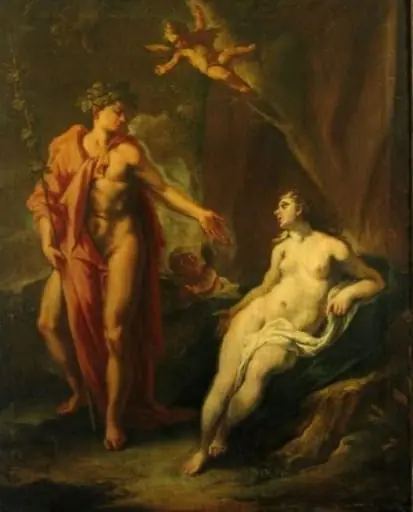 Bacchus și Ariadna
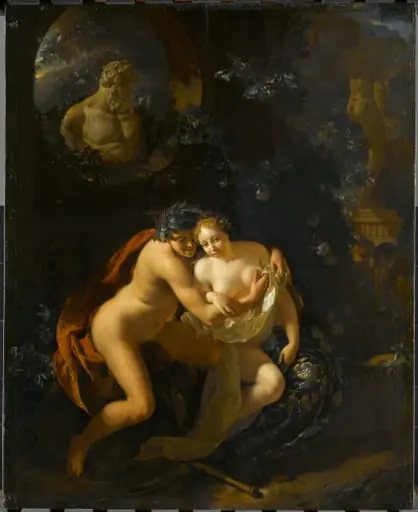 A Couple Making Love in a Park Spied on by Children
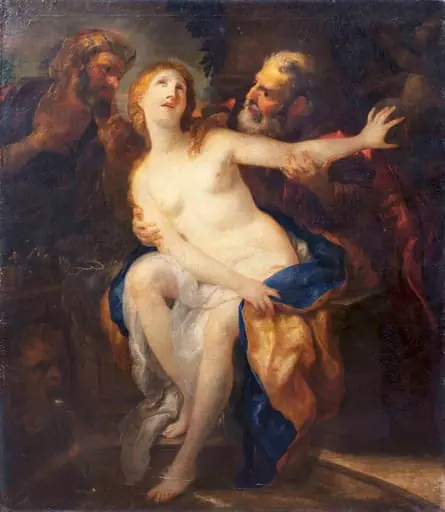 Suzana și cei doi bătrâni
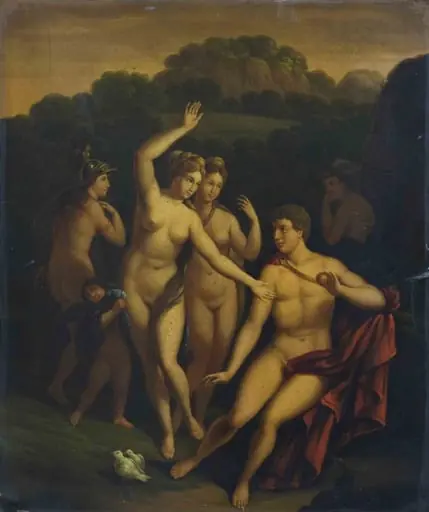 Judecata lui Paris
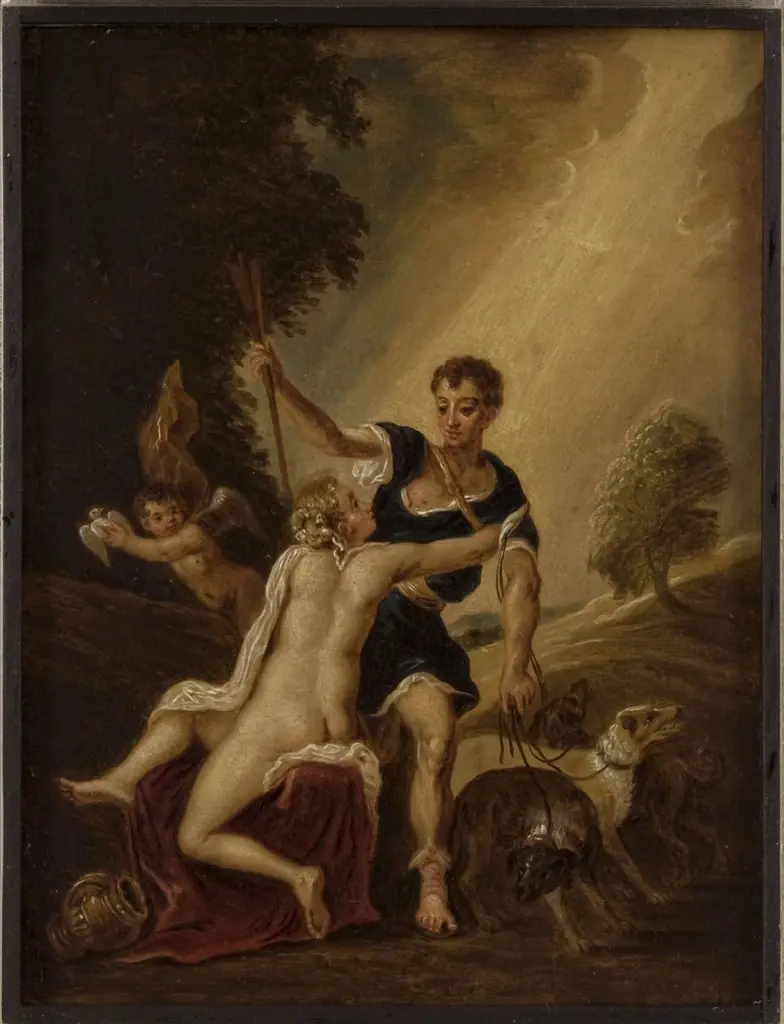 Venus and Adonis
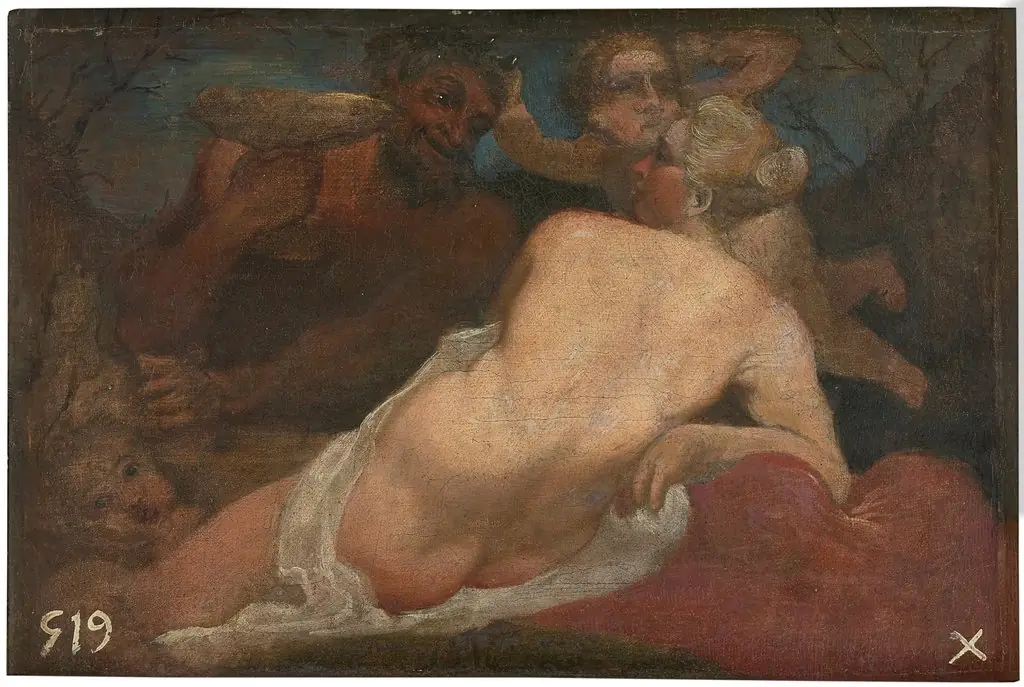 Venus and a Satyr
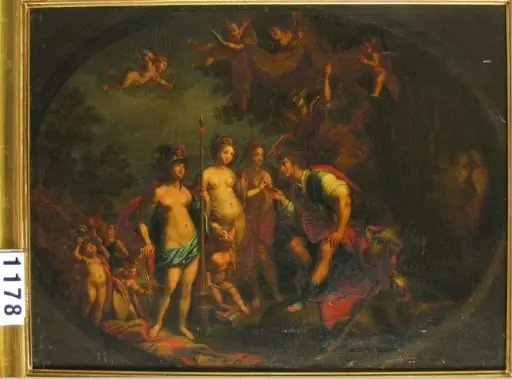 Judecata lui Paris
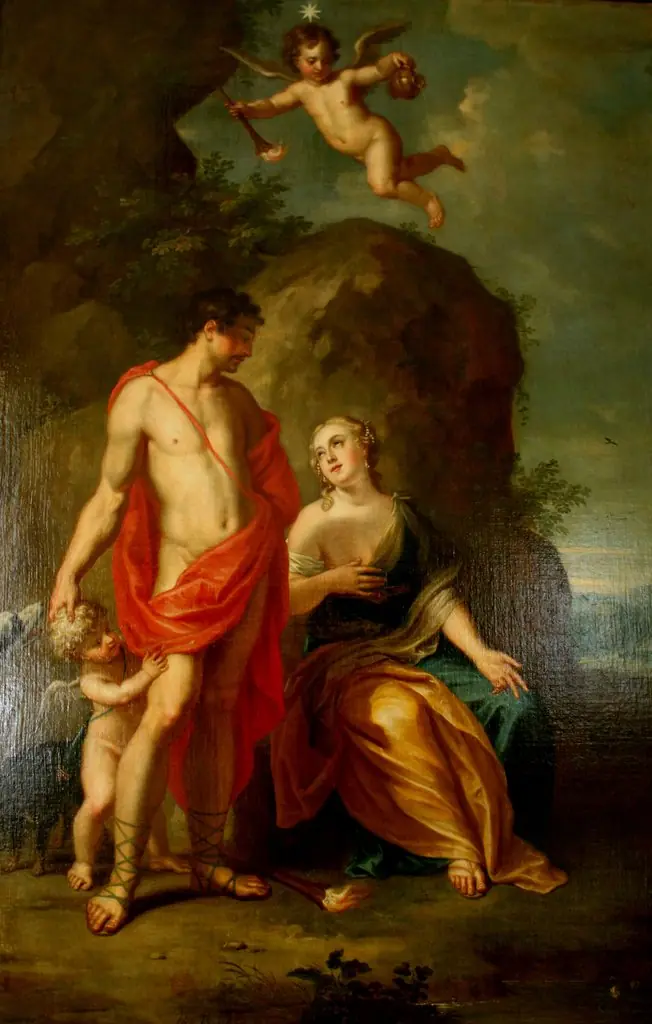 Venus and Adonis
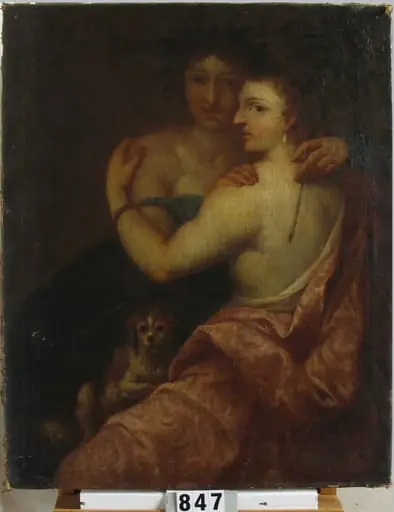 Vertumnus și Pomona (în Reg. Inv.: Prietene)
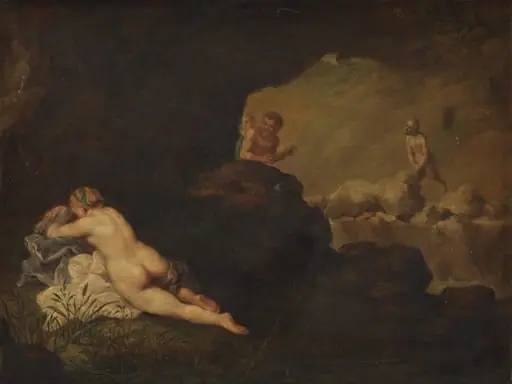 Sleeping Nymph
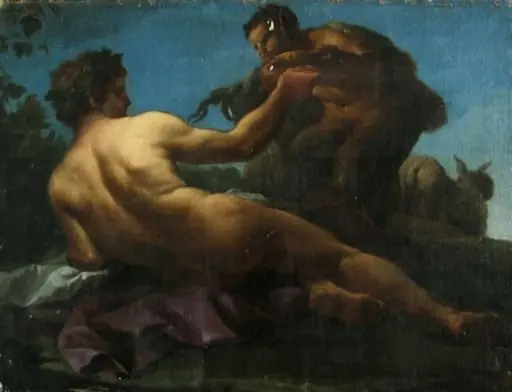 Satir oferind o cană de must lui Bacchus
 Marte și Venus pândiți de zeii din Olimp