Artwork
Judecata lui Paris
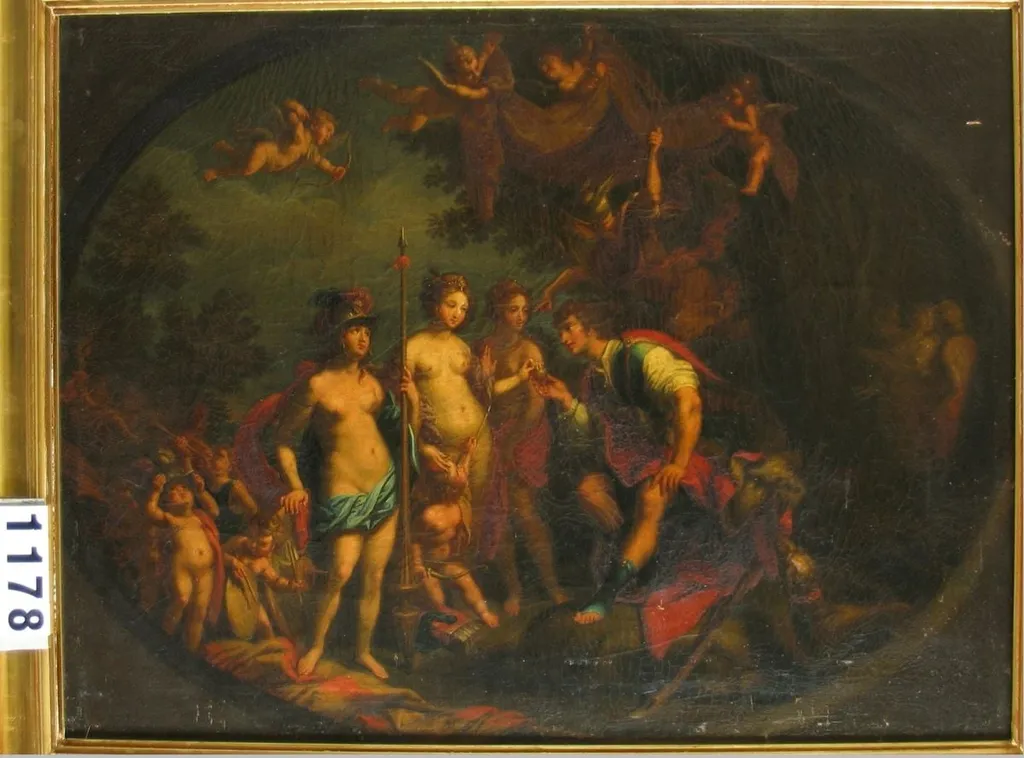
Judecata lui Paris is an unspecified painting by the Baroque artist Jan Thomas. It dates from 1669 and is held in the collection of the Brukenthal National Museum.
About this work
Overview
The use of light and shadow creates a sense of depth and emotional tension, drawing attention to the central figures amid the chaos.
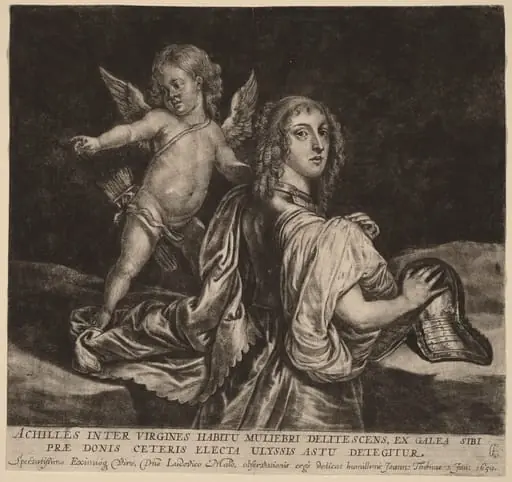
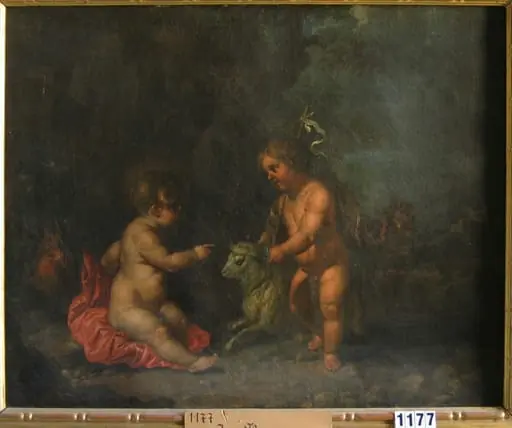
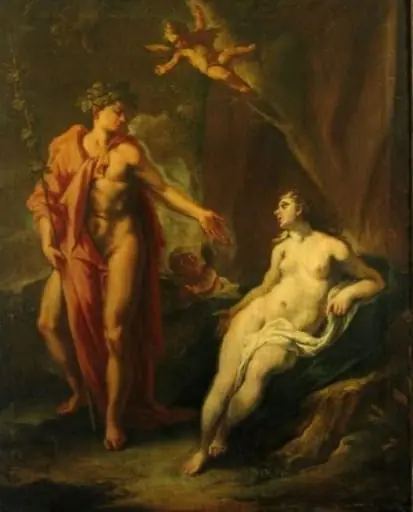
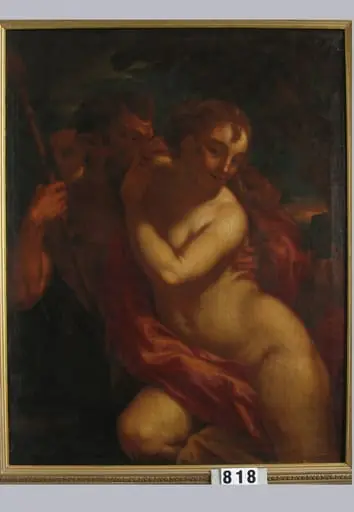
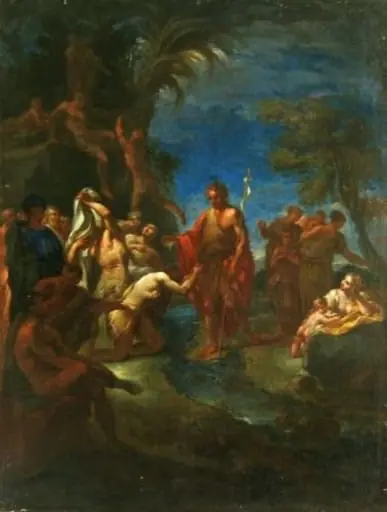
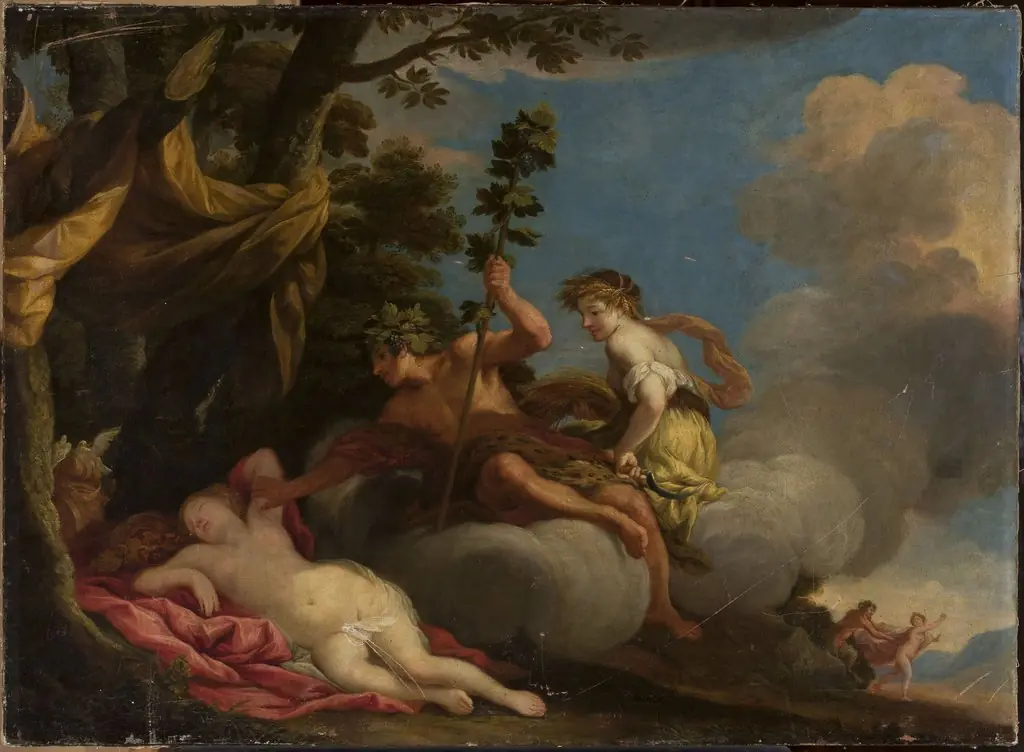
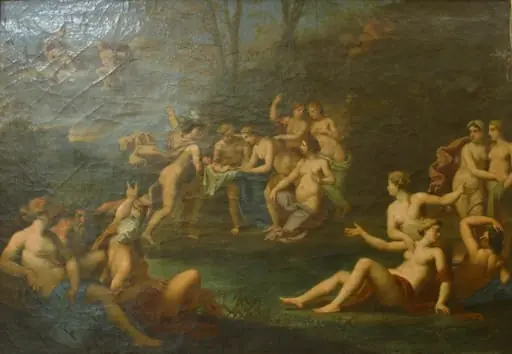
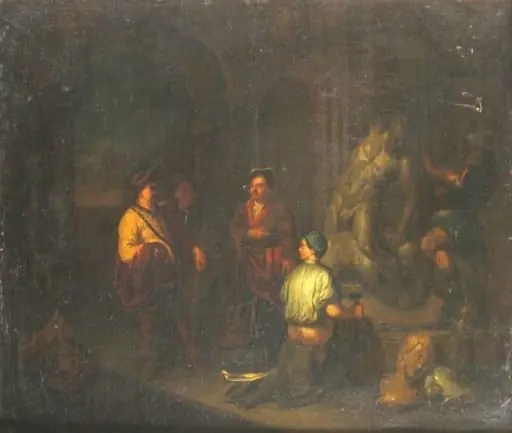
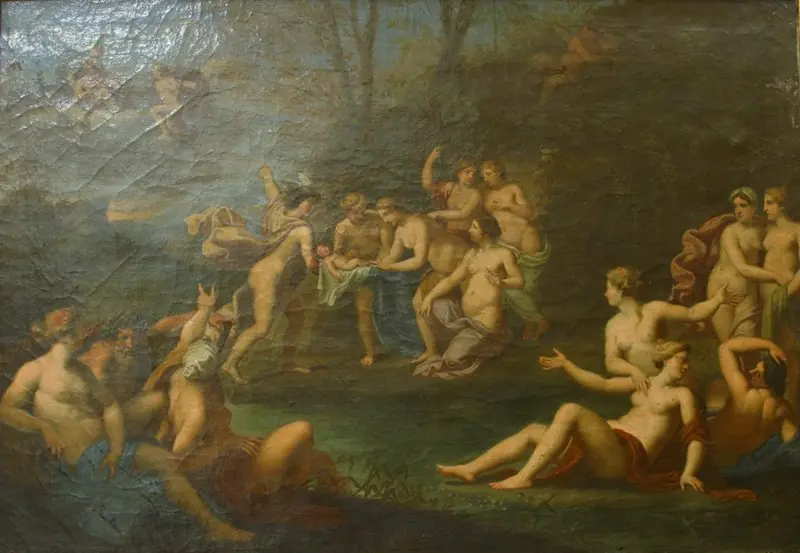
Painted around 1669 by Jan Thomas, this work depicts the mythological judgment of Paris, a scene from Greek legend in which the Trojan prince must choose the most beautiful goddess. The composition is crowded with figures in varied poses, set against a rugged landscape under a turbulent sky. The use of light and shadow creates a sense of depth and emotional tension, drawing attention to the central figures amid the chaos.
Subject & Meaning
The scene illustrates Paris awarding a golden apple to one of three goddesses—likely Aphrodite—after being asked to judge their beauty. The central woman holding a spear may represent Athena, while the armored figure kneeling beside her could be Paris himself. Surrounding figures, some nude or semi-nude, symbolize divine attendants or personifications of virtues. The moment captures a pivotal decision with far-reaching consequences for Troy and the Greek world.
Technique & Style
Thomas employs chiaroscuro to model forms with strong contrasts between light and dark, enhancing the three-dimensionality of the figures. Warm tones dominate the palette, though some areas appear faded, suggesting age or material limitations. Drapery and anatomy are rendered with fluidity, and the swirling clouds above add movement to the composition. The style reflects Flemish Baroque influences, emphasizing drama and physical presence.
History & Provenance
The painting was completed in the late 1660s during Thomas’s active period in the Southern Netherlands. Little is documented about its early ownership, but it likely entered a private collection in the region before being acquired by a public institution. Its condition shows signs of aging, including pigment fading and surface wear, consistent with its age and historical handling.
Context
In the mid-17th century, mythological subjects remained popular among Northern European patrons, often used to display intellectual refinement and artistic skill. Thomas, trained in the Flemish tradition, drew from Rubensian models in his handling of the human form and dynamic composition. This work aligns with broader trends in Catholic courts and aristocratic circles that favored elaborate, emotionally charged narratives.
Legacy
Though not widely reproduced or studied today, the painting exemplifies the persistence of classical themes in Baroque art beyond Italy. It reflects how Flemish artists adapted mythological subjects with local stylistic sensibilities. Its preservation offers insight into the visual culture of the Southern Netherlands and the continued relevance of ancient myths in early modern European art.
Artist & collection