Artwork
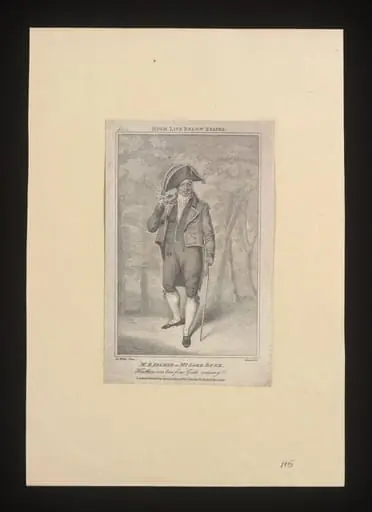
William Farren (1786–1861), as Lord Ogleby in 'The Clandestine Marriage' by George Colman the Elder and David Garrick
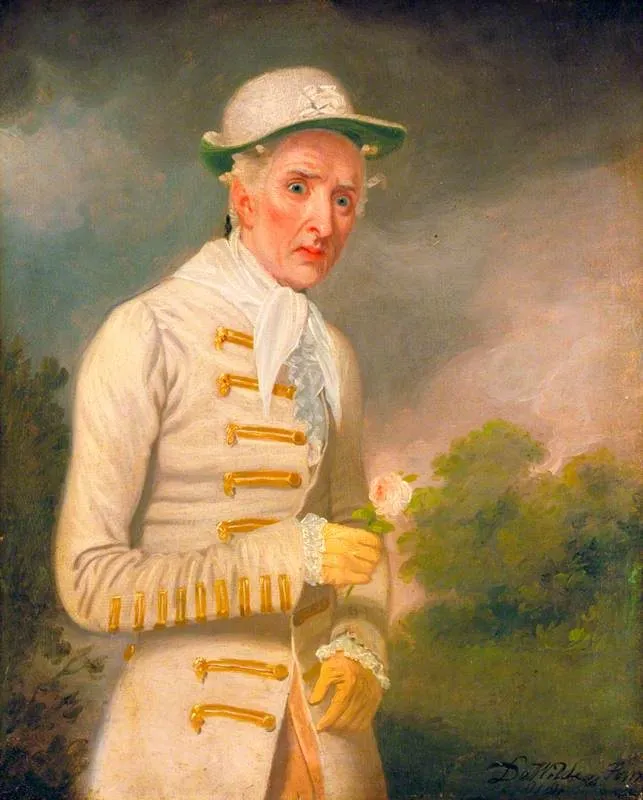
William Farren (1786–1861), as Lord Ogleby in 'The Clandestine Marriage' by George Colman the Elder and David Garrick is an oil painting by Samuel De Wilde. It dates from 1818 and is held in the collection of the Victoria and Albert Museum.
About this work
Overview
This 1818 oil painting by Samuel De Wilde captures the actor William Farren in character as Lord Ogleby from the comedy *The Clandestine Marriage*.
This 1818 oil painting by Samuel De Wilde captures the actor William Farren in character as Lord Ogleby from the comedy *The Clandestine Marriage*. De Wilde, known for his focus on theatrical figures, rendered Farren with attention to costume and expression, reflecting the actor’s prominence on the London stage. The work is part of the Victoria and Albert Museum’s collection, where it serves as a record of early 19th-century performance culture.
Subject & Meaning
Farren portrays Lord Ogleby, a foppish aristocrat whose pretensions are gently mocked in the play. The white rose he holds may symbolize superficial elegance or romantic pretense, aligning with the character’s comedic role. His attire—off-white coat, gold buttons, and cravat—emphasizes aristocratic affectation, while his turned gaze suggests a moment of self-awareness or theatrical deliberation, reinforcing the satire of social pretense.
Technique & Style
De Wilde employed oil paint to achieve subtle texture in fabric and skin, enhancing the realism of Farren’s costume and expression. The background, with its soft trees and hazy sky, avoids distraction, focusing attention on the figure. Brushwork is controlled yet expressive, particularly in the rendering of the cravat and hat, where light catches the edges to suggest volume without overt detail.
History & Provenance
Painted in 1818, the portrait was likely commissioned to commemorate Farren’s acclaimed performance in the popular play. De Wilde, a regular at London theatres, frequently documented actors in character. The work entered the Victoria and Albert Museum’s collection as part of its broader effort to preserve theatrical heritage, remaining in institutional care since the 19th century.
Context
During the early 1800s, British theatre was a central cultural institution, and actors like Farren achieved celebrity status. De Wilde’s portraits functioned as both artistic records and promotional tools, bridging the gap between stage and public imagination. This painting reflects a period when theatrical identity was carefully constructed and visually documented for audiences beyond the theatre walls.
Legacy
De Wilde’s body of work remains a vital visual archive of Regency-era performers. This portrait of Farren exemplifies his role in preserving the ephemeral nature of live performance through static imagery. Though the play has faded from common repertoire, the painting endures as a tangible link to the acting styles and social satire of its time.
Artist & collection
Artist
Samuel De Wilde (1751 – 19 January 1832), born and died in London, was a portrait painter and etcher of Dutch descent famous for his theatrical paintings.

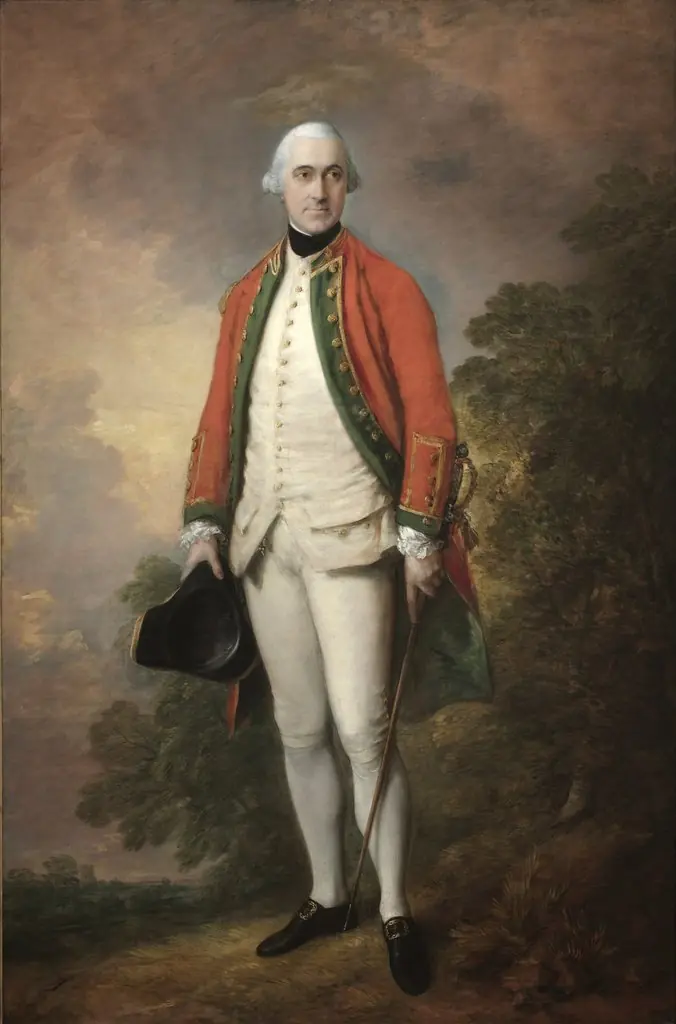 Portrait of George Pitt, First Baron Rivers
 Portrait of George Pitt, First Baron Rivers
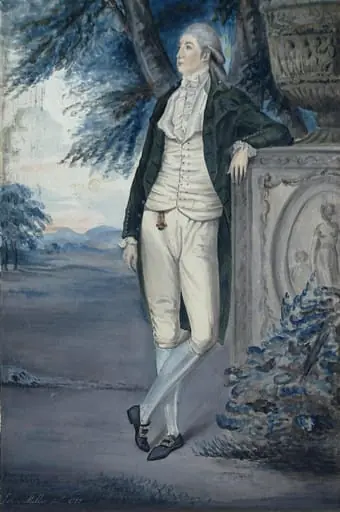 Portrait of a gentleman in a landscape
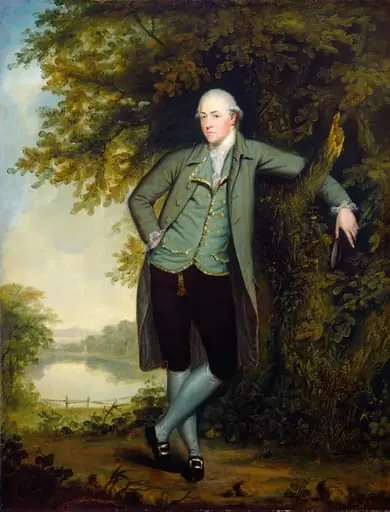 Lord Algernon Percy
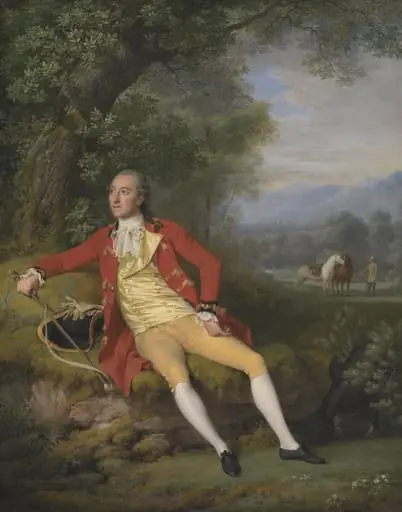 Portrait of an Envoy to the French and English Courts
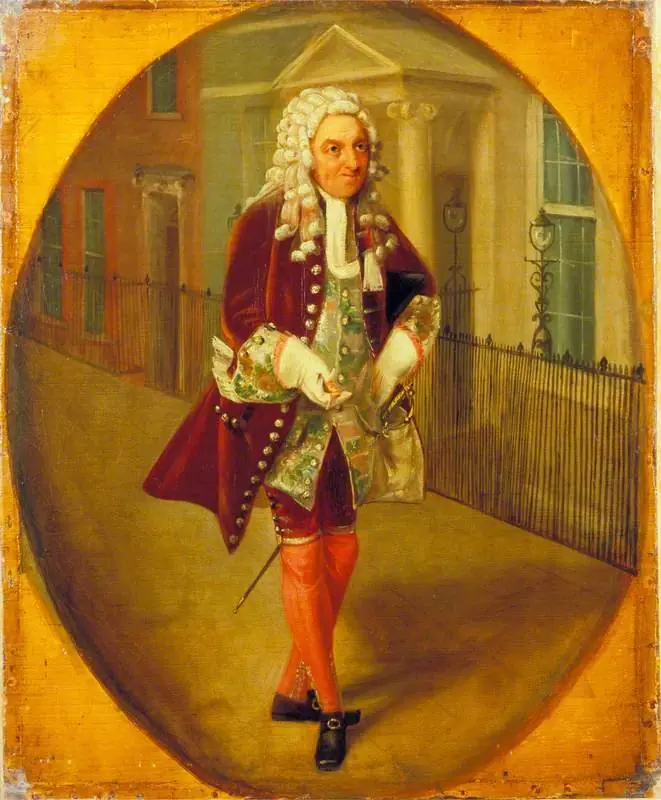 Richard Suett (1755–1805), as Bayes in 'The Rehearsal' by George Villiers, 2nd Duke of Buckingham
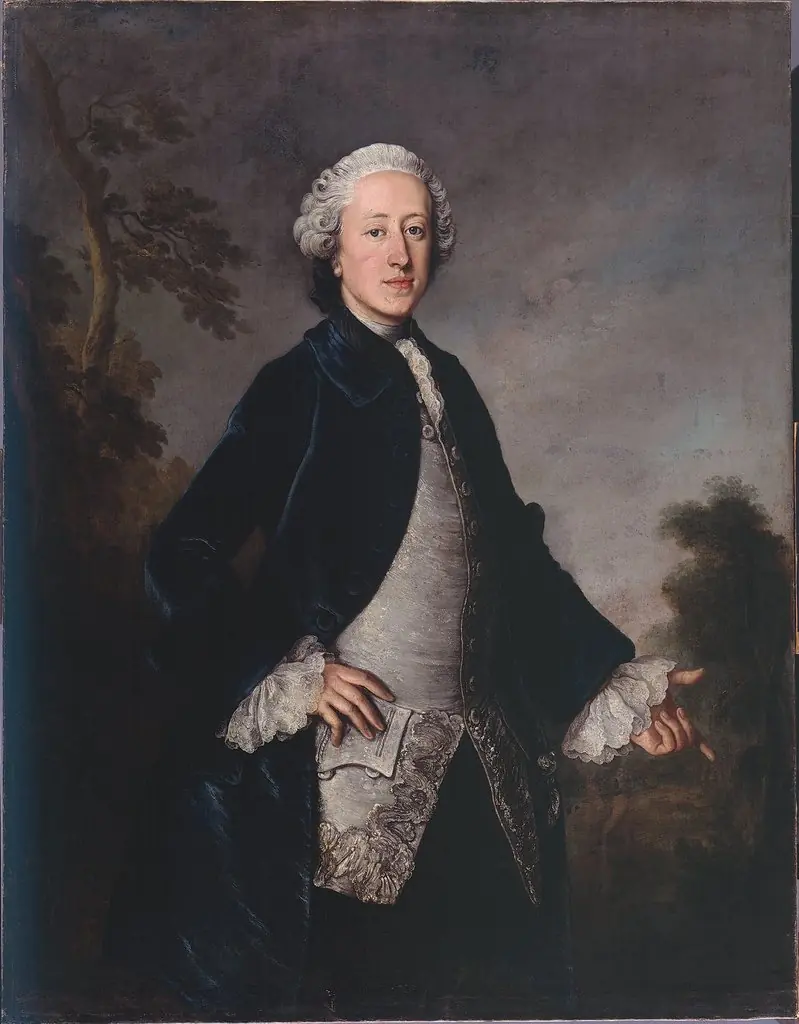 Portrait of a Gentleman
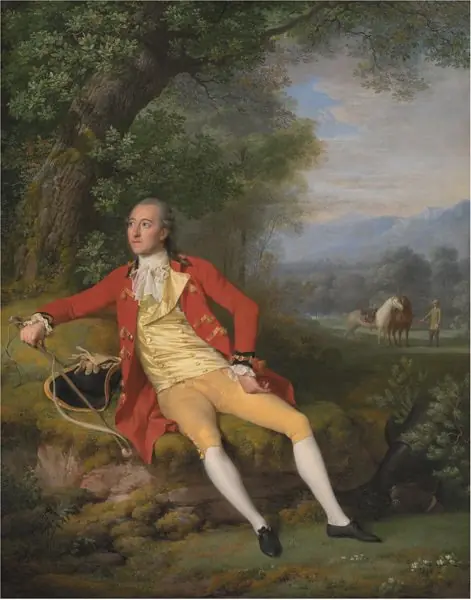 Jean-Armand Tronchin, udsending ved det franske og engelske hof. Schweiz
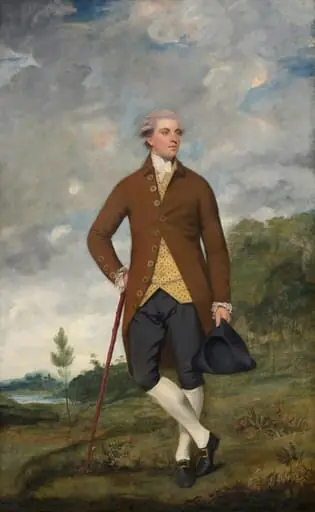 John Musters
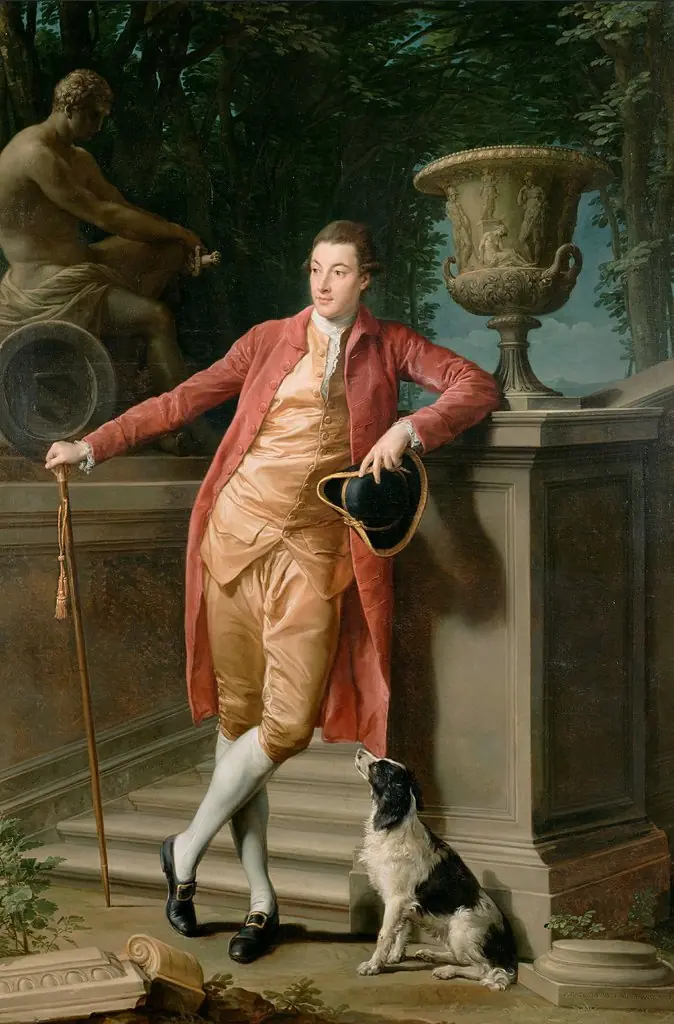 Portrait of John Talbot, later 1st Earl Talbot