Artwork
Alphonse Hirsch
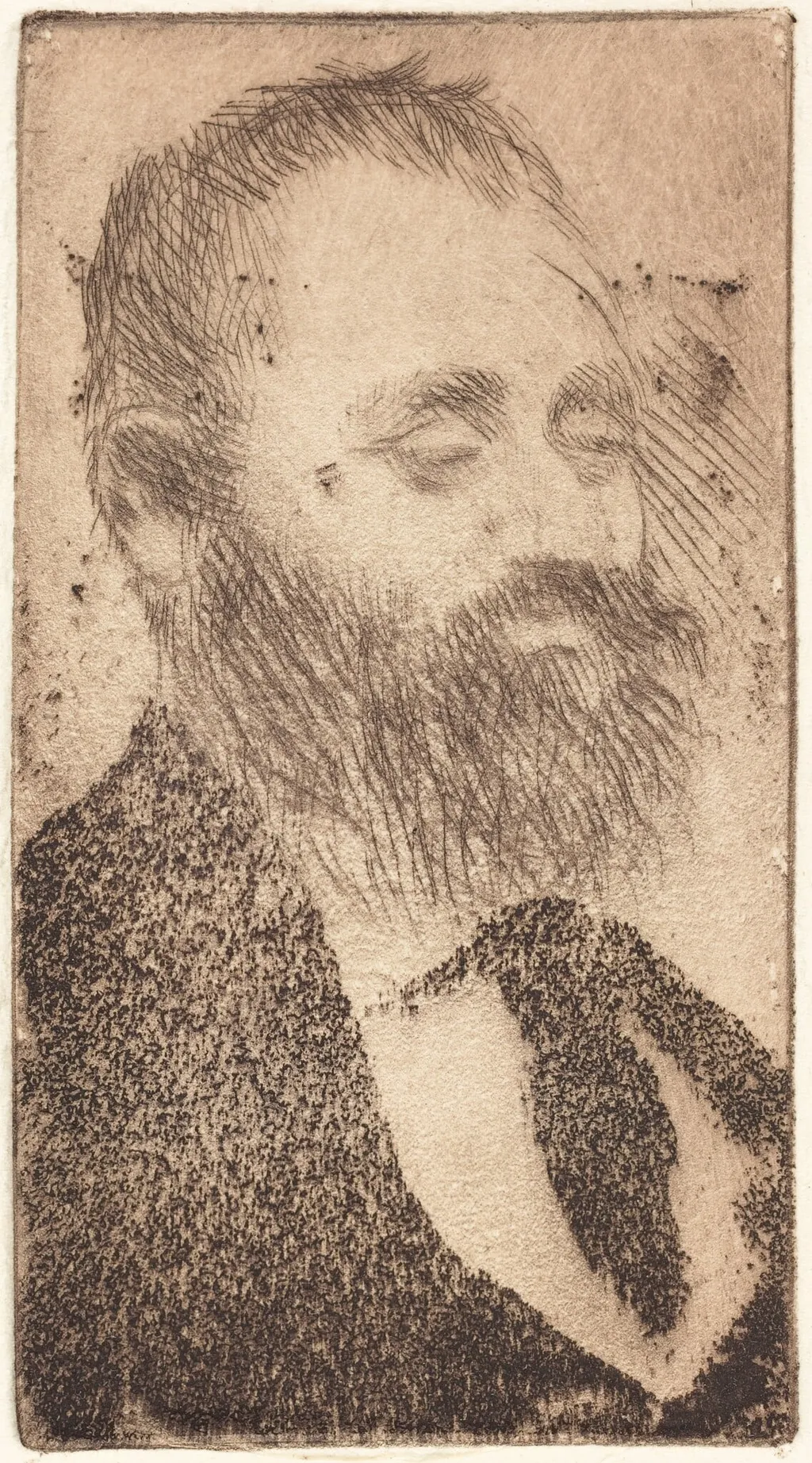
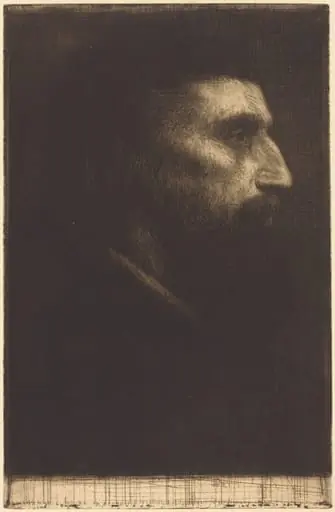
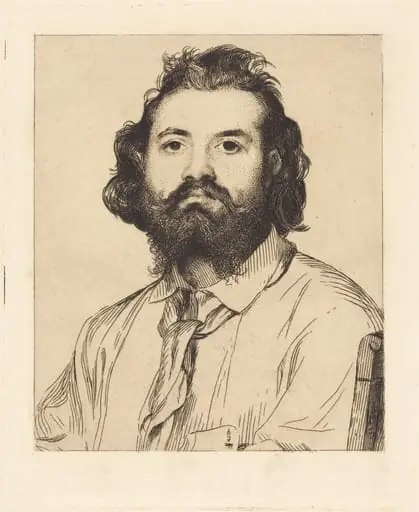
Alphonse Hirsch is an ink print by the Impressionist artist Edgar Degas. It dates from 1875 and is held in the collection of the National Gallery of Art.
About this work
Overview
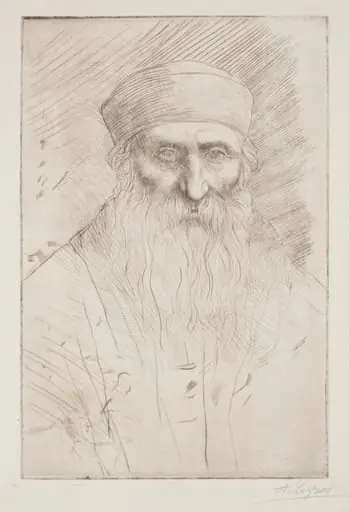
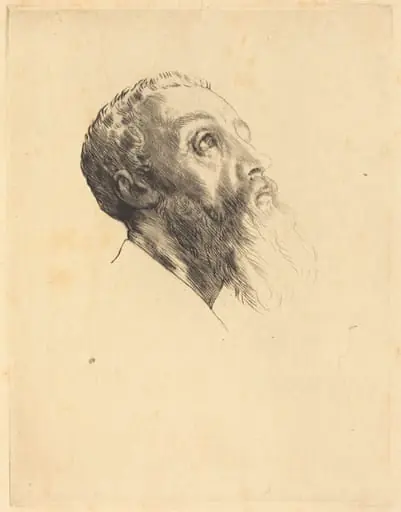
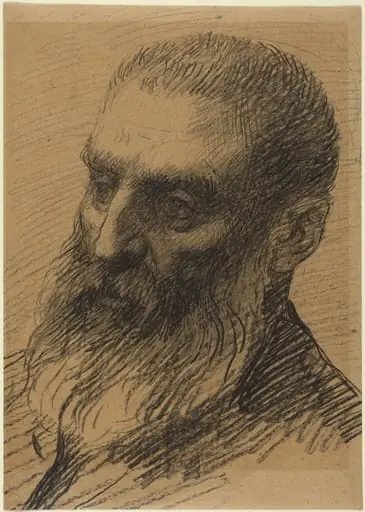
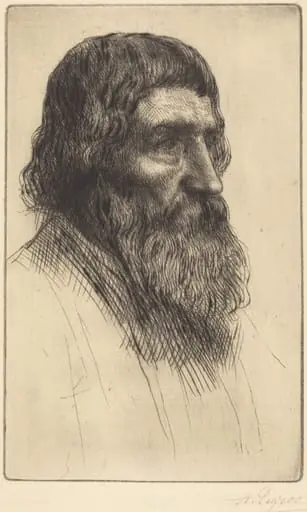
Created in 1875, this print by Edgar Degas combines drypoint and aquatint techniques on a sheet of thick wove paper. It presents a solitary male sitter, rendered in a restrained monochrome palette. The work is a posthumous restrike, meaning it was printed after Degas’s death using his original plates.
Subject & Meaning
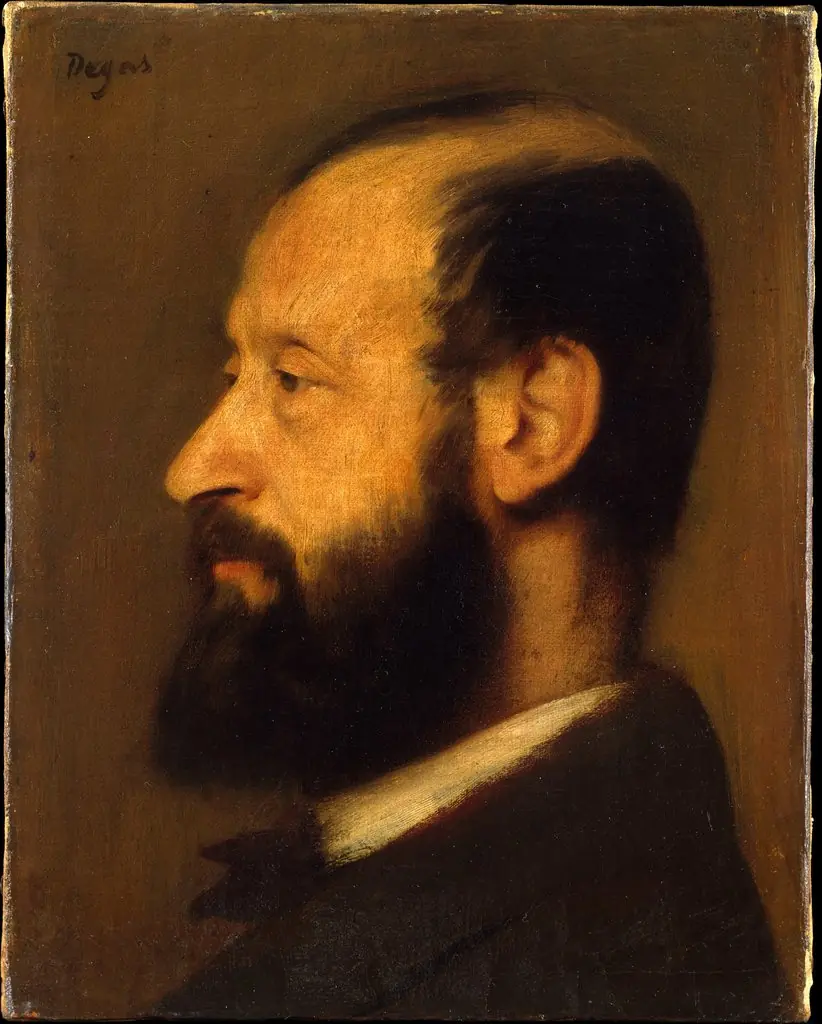
The portrait shows a bearded man in a dark jacket and light‑coloured high‑collared shirt, his head turned slightly to the right and bowed downward. His serious expression and downward gaze suggest a moment of introspection, offering a quiet, personal study rather than a narrative scene.
Technique & Style
Degas employed drypoint to incise fine lines that capture the sitter’s facial features, while aquatint provides subtle tonal washes that model the clothing and background. The combination yields a delicate balance between line and tone, characteristic of Degas’s interest in capturing fleeting gestures with precision.
History & Provenance
Although the plate was made during Degas’s lifetime, the print itself was issued as a restrike after his death, a common practice for his prints. The work has circulated among collectors of Degas’s graphic oeuvre and is documented in several catalogues of his prints.
Context
Degas, often linked to Impressionism, preferred to describe his work as realist, focusing on everyday subjects. While he is best known for images of ballet dancers, this portrait demonstrates his broader interest in individual character studies and the quiet moments of ordinary life.
Artist & collection
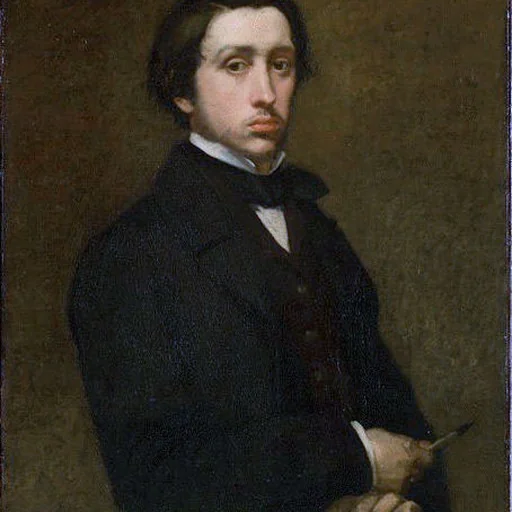
Artist
Born Hilaire-Germain-Edgar De Gas on 19 July 1834 in Paris, Edgar Degas came from an affluent banking family with aristocratic roots and spent his childhood among the cultivated circles of the French capital.