Artwork
Woman Reading a Book
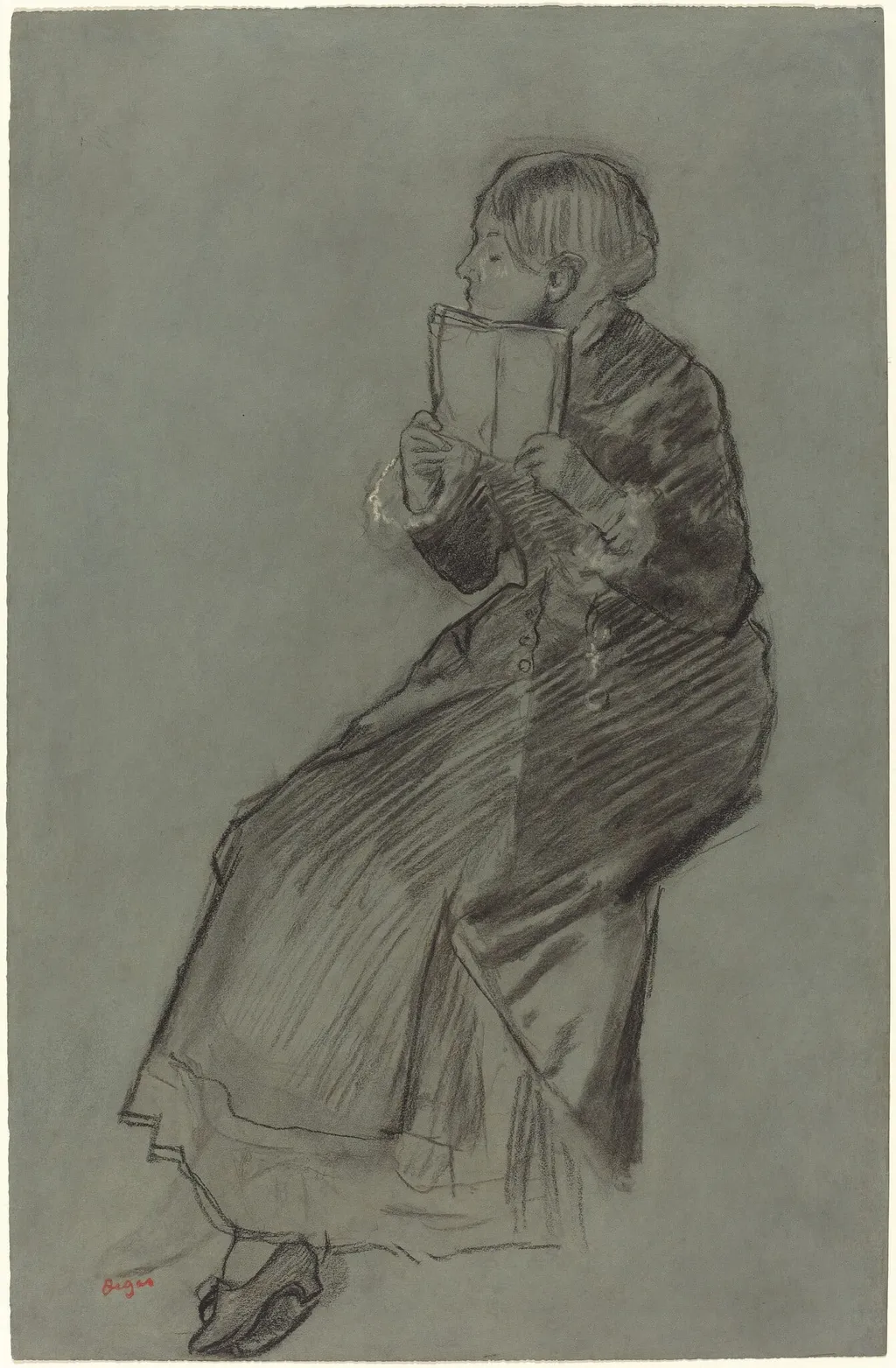
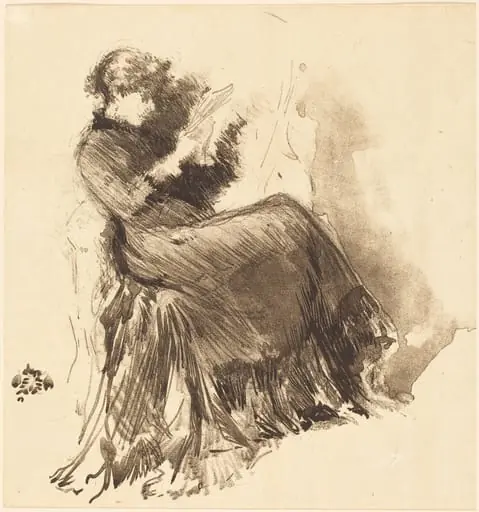
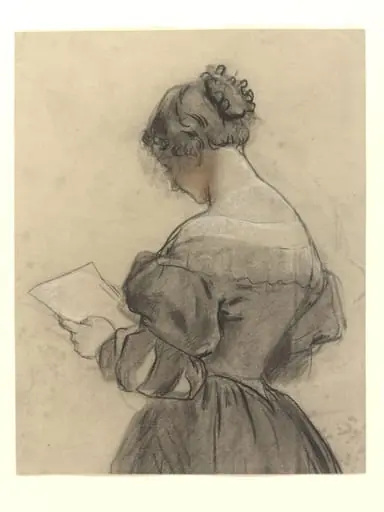
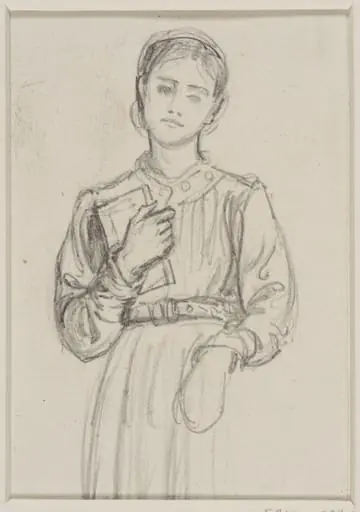
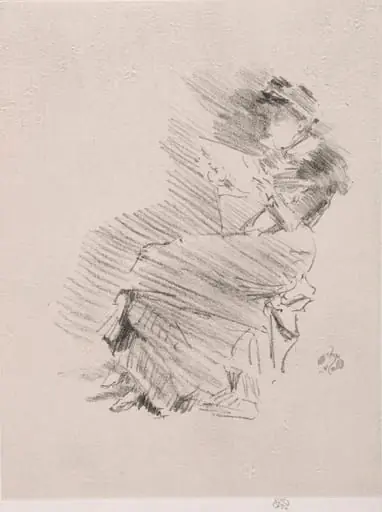
Woman Reading a Book is a chalk drawing by the Impressionist artist Edgar Degas. It dates from 1879 and is held in the collection of the National Gallery of Art.
About this work
Overview
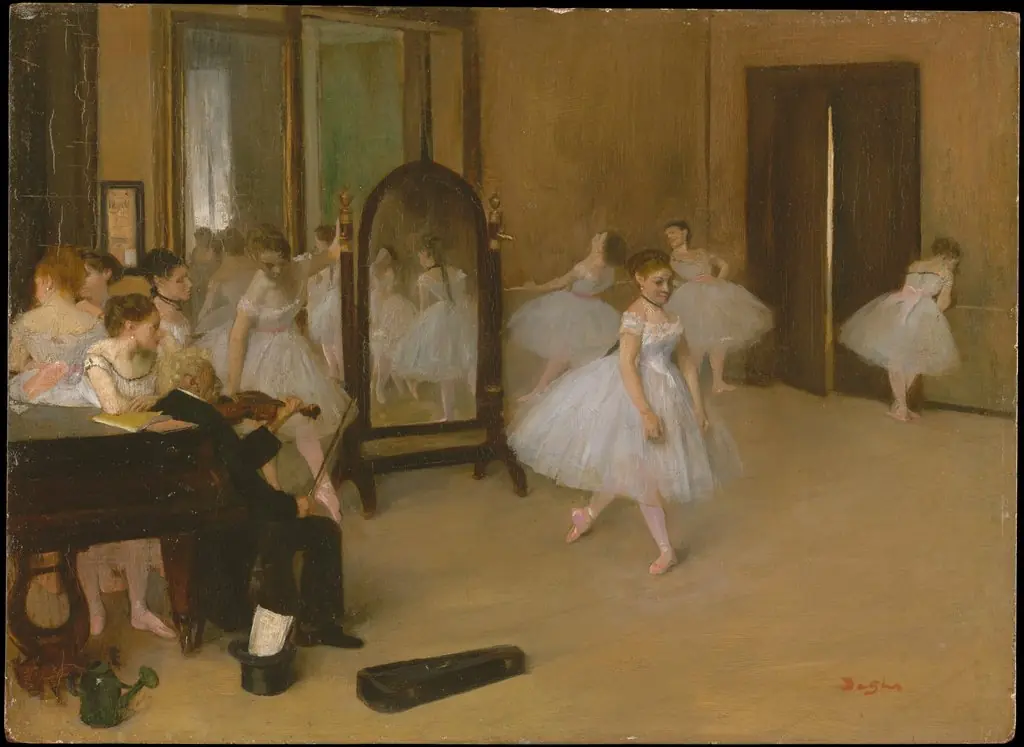
Unlike his more famous ballet scenes, this work focuses on an unposed, introspective figure, revealing Degas’s interest in ordinary, untheatrical moments.
Created around 1879, this drawing by Edgar Degas captures a quiet moment of private contemplation. Executed in charcoal, black chalk, and white chalk on blue wove paper, it demonstrates his refined command of draftsmanship. The use of stumping and erasure softens transitions, while the blue ground subtly enhances the tonal range. Unlike his more famous ballet scenes, this work focuses on an unposed, introspective figure, revealing Degas’s interest in ordinary, untheatrical moments.
Subject & Meaning
The subject is a woman seated in repose, absorbed in reading. Her posture is relaxed, her expression calm, suggesting an intimate, unguarded moment. Degas avoids narrative drama, instead emphasizing stillness and internal focus. The absence of context—no furniture, no room—directs attention to the figure’s solitude and the act of reading itself. This quietude reflects a broader interest in the private lives of women, rendered without sentimentality or idealization.
Technique & Style
Degas employed a layered approach: charcoal and black chalk established form and shadow, while stumping blended tones for smooth gradations. White chalk lifted highlights against the blue paper, suggesting ambient light and delicate skin tones. Erasure was used not as correction but as a tool to model volume and suggest softness. The result is a tactile, atmospheric rendering that prioritizes mood over detail, aligning with his preference for expressive line over polished finish.
History & Provenance
The drawing was likely made during a period when Degas was intensively exploring figure studies outside the theater and studio. It remained in his personal collection until his death in 1917, after which it passed through private hands before entering a public collection. Its survival in relatively intact condition is notable, given the fragility of chalk on paper and the artist’s frequent reworking of sheets.
Context
In late 1870s Paris, domestic interiors and solitary women were recurring themes among artists seeking alternatives to academic grandeur. Degas, though linked to Impressionism, distanced himself from plein air painting, favoring controlled, indoor scenes. This drawing aligns with contemporaneous works by Mary Cassatt and others who depicted women in private rituals, reflecting shifting social norms and a growing interest in psychological realism.
Legacy
This drawing exemplifies Degas’s enduring influence on modern draftsmanship. His integration of media to evoke texture and light without overt finish inspired later generations of artists seeking emotional resonance through minimal means. The work’s quiet intensity continues to be studied for its restraint, demonstrating how subtle tonal shifts and deliberate erasure can convey presence and introspection without embellishment.
Artist & collection

Artist
Born Hilaire-Germain-Edgar De Gas on 19 July 1834 in Paris, Edgar Degas came from an affluent banking family with aristocratic roots and spent his childhood among the cultivated circles of the French capital.