Artwork
Tanger
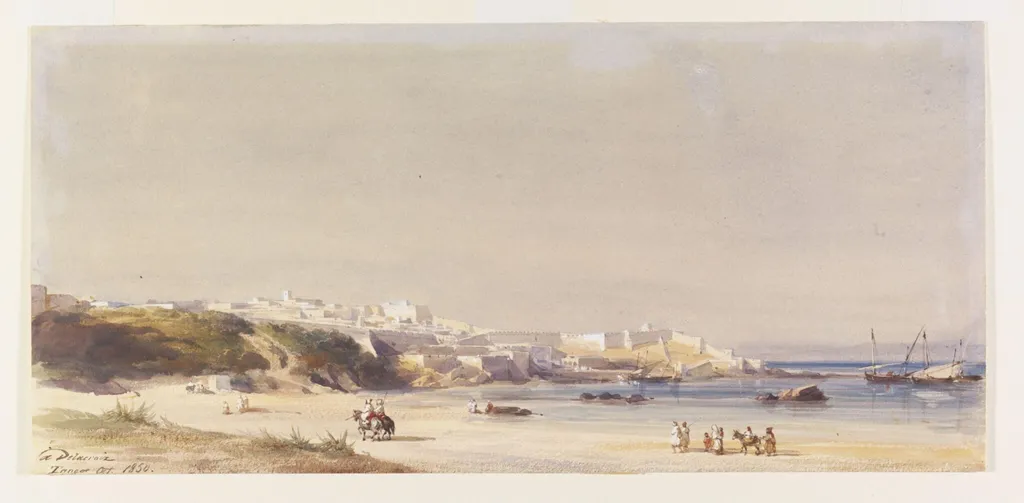
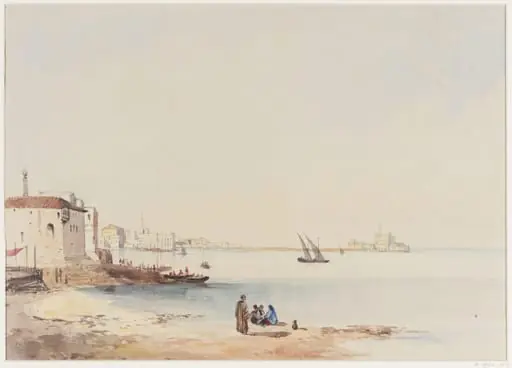
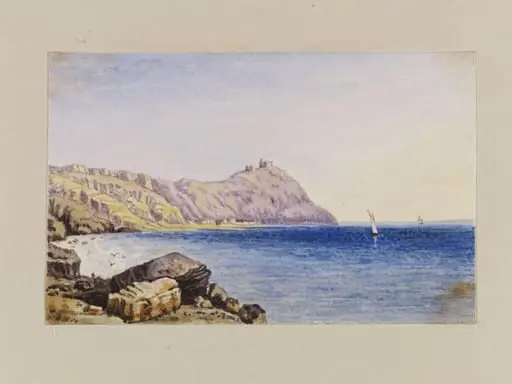
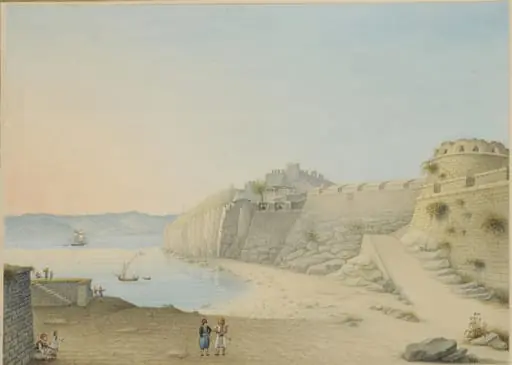
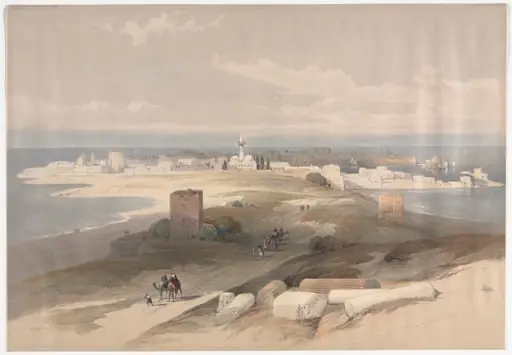
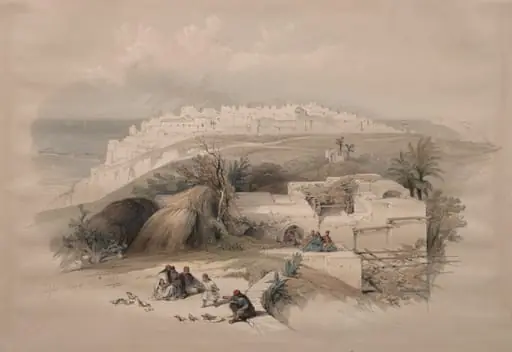
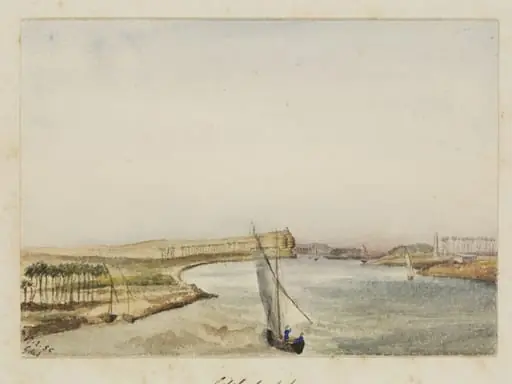
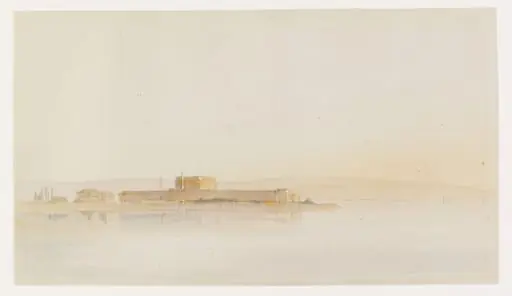
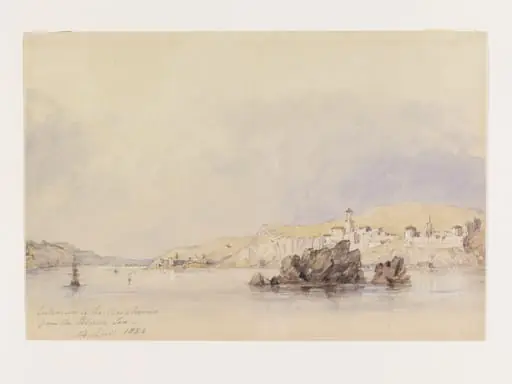
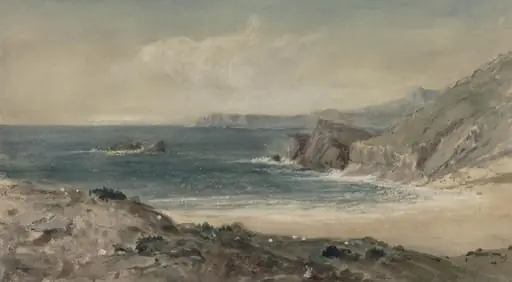
Tanger is a watercolor work on paper by the Impressionist artist Auguste Delacroix. It dates from 1850 and is held in the collection of the Victoria and Albert Museum.
About this work
Overview
Tanger is a watercolour painting by Auguste Delacroix, created in 1850, capturing a quiet coastal scene in the Moroccan city of Tangier.
Tanger is a watercolour painting by Auguste Delacroix, created in 1850, capturing a quiet coastal scene in the Moroccan city of Tangier. The work is executed in delicate, translucent washes, emphasizing natural light and atmospheric stillness. Its modest scale and intimate composition reflect a personal observation rather than a grand narrative, typical of Delacroix’s travel sketches from North Africa.
Subject & Meaning
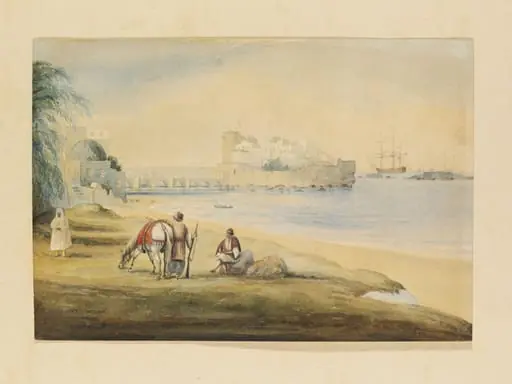
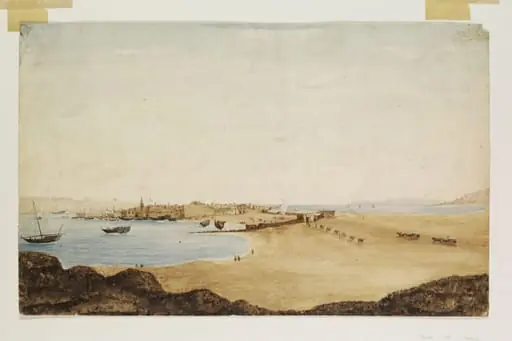
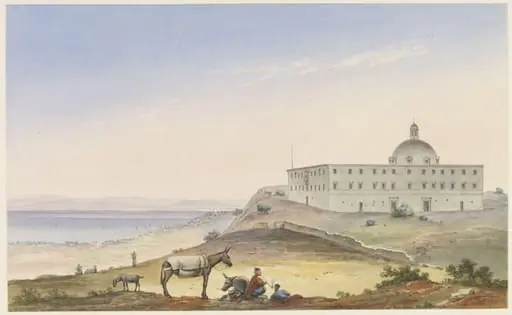
The painting portrays a tranquil stretch of Tangier’s shoreline, with whitewashed buildings clinging to a hillside, small vessels anchored near the sand, and figures moving along the beach—a rider on horseback, a donkey cart, and distant pedestrians. There is no dramatic event; instead, the scene conveys the rhythm of daily life, offering a quiet meditation on place and routine in a foreign landscape.
Technique & Style
Delacroix employed light, layered watercolour washes to suggest the glow of midday sun on stone and sand. The palette is restrained—soft ochres, pale blues, and greys—enhancing the sense of calm. Brushwork is loose yet deliberate, with minimal detail to suggest form, allowing the viewer’s eye to complete the scene. The absence of sharp outlines reinforces the hazy, luminous quality of the Mediterranean light.
History & Provenance
The painting was once held in the collection of the Duc de Montpensier, a French royal with interests in North African culture. It passed into the hands of British collector Rodney Searight in 1967, marking a shift from aristocratic to private ownership. Its journey reflects broader 19th- and 20th-century patterns of European acquisition of Orientalist works, though its modest scale suggests it was never intended as a public display piece.
Context
Delacroix painted Tanger during a period of heightened European interest in North Africa, following France’s colonial expansion into Algeria. While many artists depicted exoticized or dramatic scenes, Delacroix’s approach was observational and restrained. His watercolours, often made on site, served as personal records rather than commissioned works, offering a quieter counterpoint to the grand Orientalist paintings of his contemporaries.
Legacy
Tanger remains a representative example of Auguste Delacroix’s travel sketches, valued for their sincerity and technical subtlety. Though not widely exhibited, such works contribute to a nuanced understanding of 19th-century European engagement with North Africa—not as spectacle, but as lived environment. They stand as quiet documents of a moment, preserved in water and paper.
Artist & collection
Artist
Auguste Delacroix wasn’t some starving artist—he was a working draftsman who got paid to sketch exotic scenes for rich travelers.