Artwork
Entrance to the Bosphorus from the Black Sea
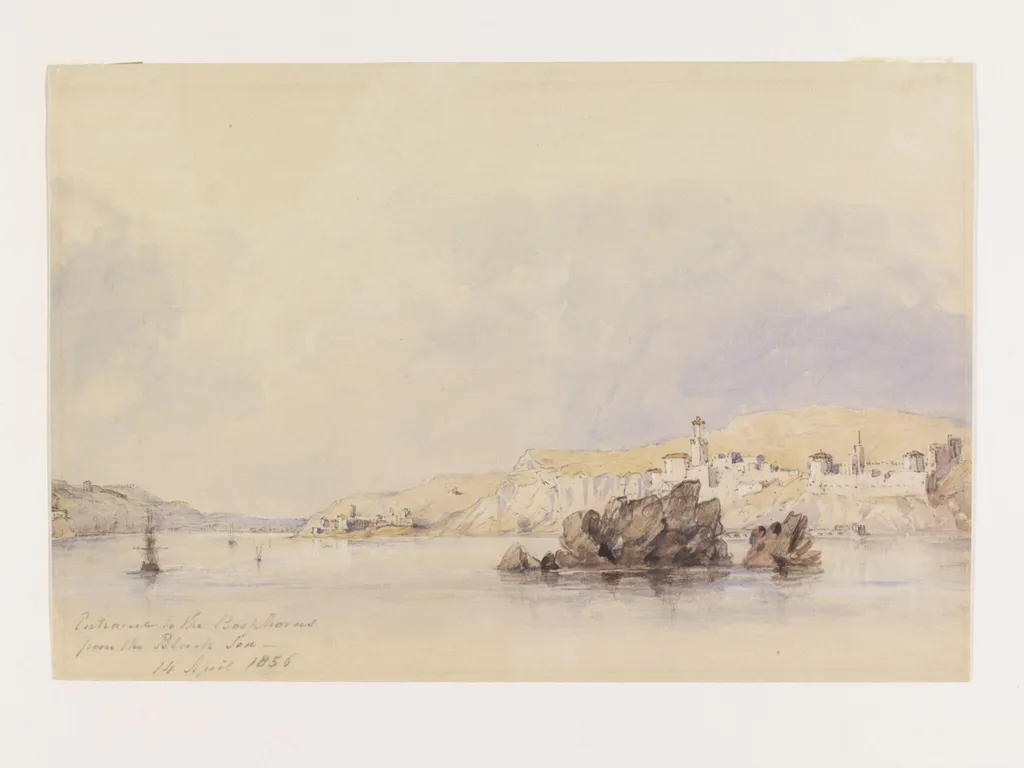
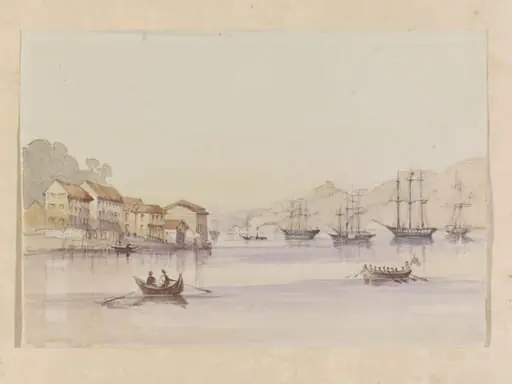
Entrance to the Bosphorus from the Black Sea is a watercolor work on paper by the Impressionist artist Michael Anthony Shrapnel Biddulph. It dates from 1856 and is held in the collection of the Victoria and Albert Museum.
About this work
The artist wrote the title and date right on the paper: *"Entrance to the Bosphorus from the Black Sea, 14 April 1856.
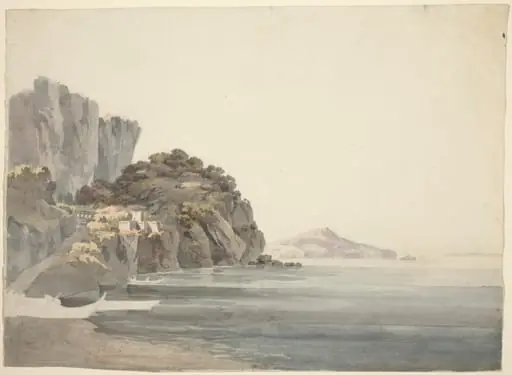
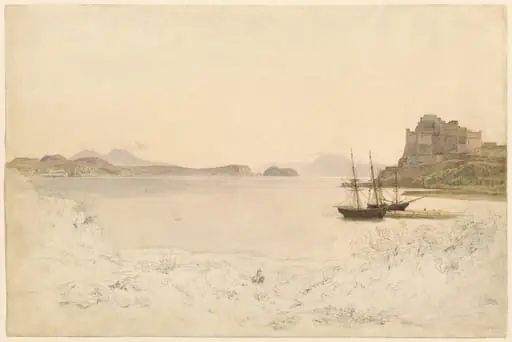
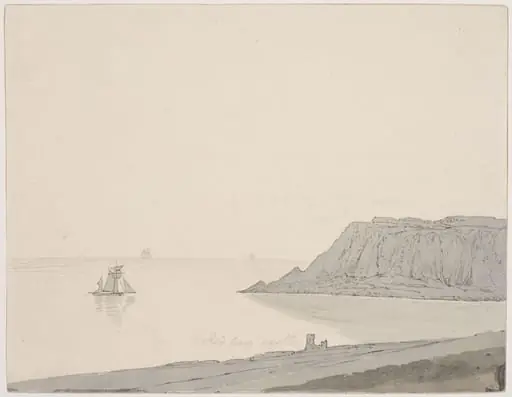
This watercolor shows a quiet coastal scene with a rocky shore in the foreground. The water is calm, and a few small boats sit near jagged rocks. In the distance, a town clings to a hillside, with buildings stacked up the slope.
The artist wrote the title and date right on the paper: *"Entrance to the Bosphorus from the Black Sea, 14 April 1856."* The loose, sketchy brushstrokes make the scene feel quick and natural, like a snapshot.
Check out the Victoria and Albert Museum to see more works like this.
Overview
Created on 14 April 1856, this watercolour by Michael Anthony Shrapnel Biddulph captures the entrance to the Bosphorus from the Black Sea. Executed in a spontaneous, fluid style, the work is signed and dated by the artist directly on the paper. It is part of the Victoria and Albert Museum’s collection, where it is preserved as an example of 19th-century topographical watercolour practice.
Subject & Meaning
The scene depicts a tranquil coastal inlet, with jagged rocks framing calm water and a cluster of small boats resting near the shore. In the distance, a settlement clings to a steep hillside, its buildings arranged in layered tiers. The composition suggests a moment of quiet observation, emphasizing the relationship between human habitation and the natural landscape without narrative or symbolism.
Technique & Style
Biddulph employed loose, rapid brushwork and diluted pigments to convey atmosphere rather than detail. The watercolour’s transparency allows the paper’s texture to contribute to the effect, enhancing the sense of immediacy. The lack of rigid outlines and the soft blending of tones reflect a sketch-like approach, typical of on-site travel studies rather than studio compositions.
History & Provenance
The work was created during Biddulph’s travels in the region, likely as part of a personal record of his journey. It entered the Victoria and Albert Museum’s collection through established channels of 19th-century British watercolour acquisition. Its preservation reflects the institution’s interest in documenting artistic responses to foreign landscapes during the Victorian era.
Context
In the mid-19th century, British artists and travelers frequently documented the Eastern Mediterranean, drawn by its historical significance and scenic variety. Biddulph’s watercolour aligns with a broader tradition of topographical art, where accuracy and atmospheric effect were valued over dramatic embellishment, serving both personal and documentary purposes.
Legacy
Though not widely exhibited, the work remains a representative example of amateur and professional watercolour practice in the Victorian period. It contributes to the understanding of how British artists engaged with non-European landscapes, preserving visual records that reflect both aesthetic sensibilities and the era’s observational culture.
Artist & collection
Artist
Michael Anthony Shrapnel Biddulph
General Sir Michael Anthony Shrapnel Biddulph was a British Army officer who became Black Rod, a parliamentary official.

![Looking towards Leanders Tower and the Sultans New Palace [Dolmabahçe] From Scutari, by Michael Anthony Shrapnel Biddulph](https://artifactworldgallery.com/img/michael-anthony-shrapnel-biddulph--looking-towards-leanders-tower-and-the-sultans-new-palace-do--77513ba4e146ed32-w320.webp)