Artwork
The Shipwreck of Don Juan: A Sketch
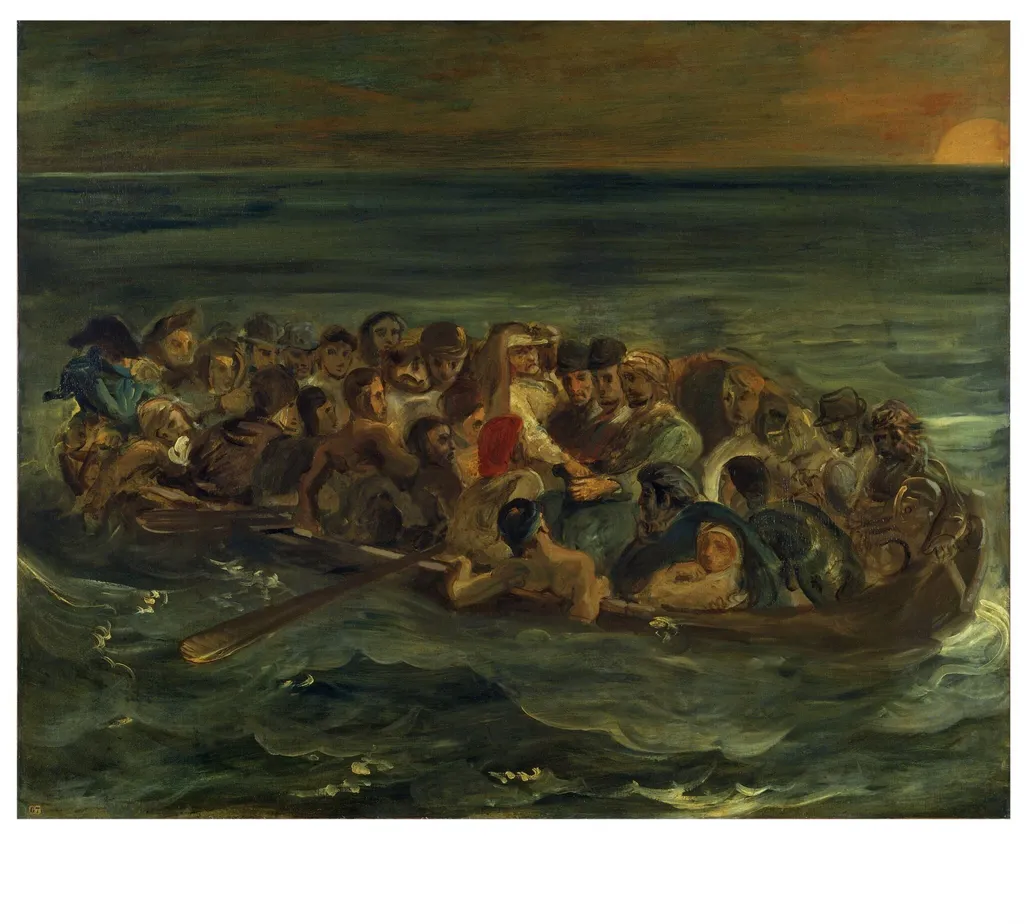
The Shipwreck of Don Juan: A Sketch is an oil painting by the French Romanticist artist Eugene Delacroix. It dates from 1824 and is held in the collection of the Victoria and Albert Museum. Eugène Delacroix painted this oil sketch during the early phase of his career, likely in the 1820s.
About this work
Overview
Eugène Delacroix painted this oil sketch during the early phase of his career, likely in the 1820s. Though not a polished exhibition piece, it reflects his immediate engagement with dramatic literary subjects. Created shortly after his Salon debut, the work reveals his shift toward emotionally charged narratives drawn from literature, setting the tone for his later historical paintings.
Subject & Meaning
Delacroix captures the moral collapse of desperation, focusing on the tension between human endurance and primal survival.
The scene illustrates a harrowing episode from Lord Byron’s epic poem Don Juan, in which shipwrecked survivors resort to drawing lots to determine who will be killed to sustain the others. Delacroix captures the moral collapse of desperation, focusing on the tension between human endurance and primal survival. The subject aligns with Romanticism’s fascination with extreme emotion and the fragility of civilization.
Technique & Style
Executed with rapid, expressive brushwork, the painting conveys turbulence through loose strokes and muted tones. Delacroix avoids precise detail, instead using fluid gestures to suggest crashing waves, splintered wood, and clinging figures. The dim moonlight cuts through heavy clouds, heightening the sense of isolation. This sketch-like approach prioritizes emotional impact over finish, characteristic of his experimental early style.
History & Provenance
Created soon after Delacroix’s first public success at the 1822 Salon, this work remains in the private sphere as a study rather than a commissioned piece. Its survival as a sketch suggests it was retained by the artist for personal reference or as a demonstration of his engagement with contemporary literature. No definitive record of its early ownership exists beyond its association with Delacroix’s studio.
Context
In the 1820s, French art was shifting from Neoclassical restraint toward Romantic intensity. Delacroix, influenced by Byron’s poetry and the emotional landscapes of Géricault, sought subjects that exposed psychological depth amid catastrophe. This sketch reflects broader cultural interests in individual suffering, exoticism, and the sublime power of nature, distinguishing his work from academic traditions.
Legacy
Though lesser known than his large-scale works, this sketch exemplifies Delacroix’s early commitment to literary narrative and emotional realism. Its raw energy and compositional daring influenced later Romantic painters who valued immediacy over polish. As a bridge between his academic training and mature style, it underscores his role in redefining historical painting through personal, visceral interpretation.
Own this work as a print
Artist & collection

Artist
Ferdinand Victor Eugène Delacroix was a French Romantic artist who was regarded as the leader of the French Romantic school.

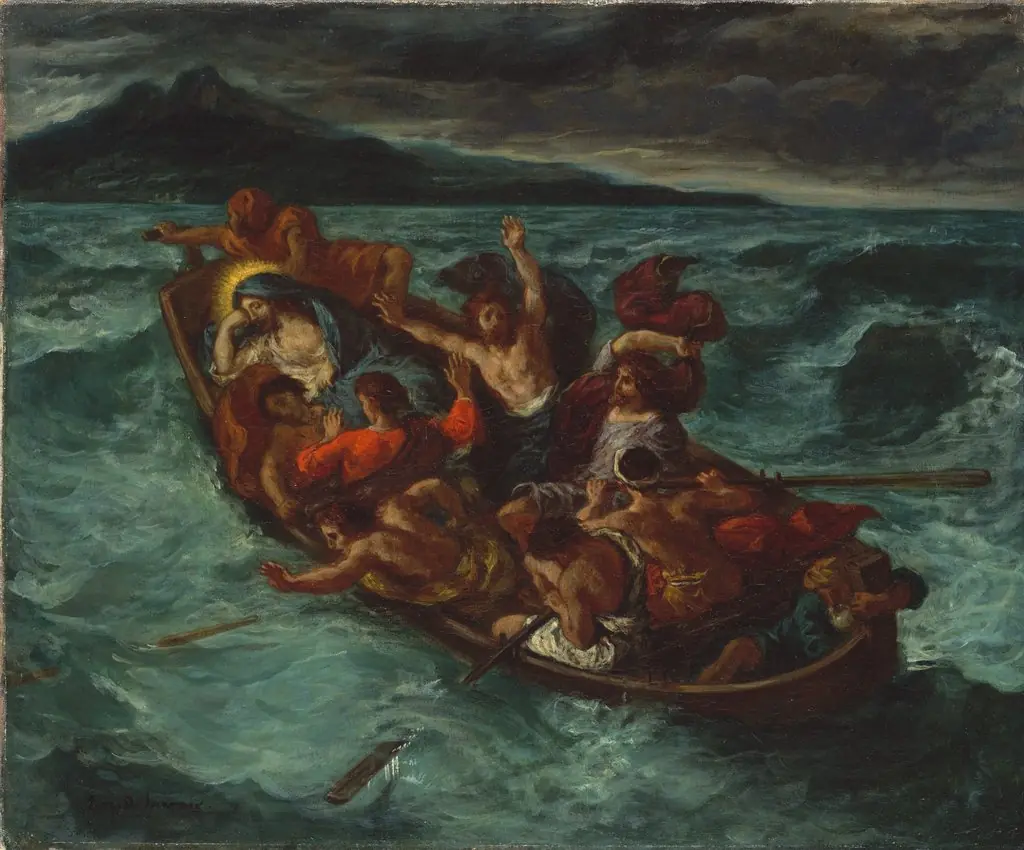 Christ Asleep during the Tempest
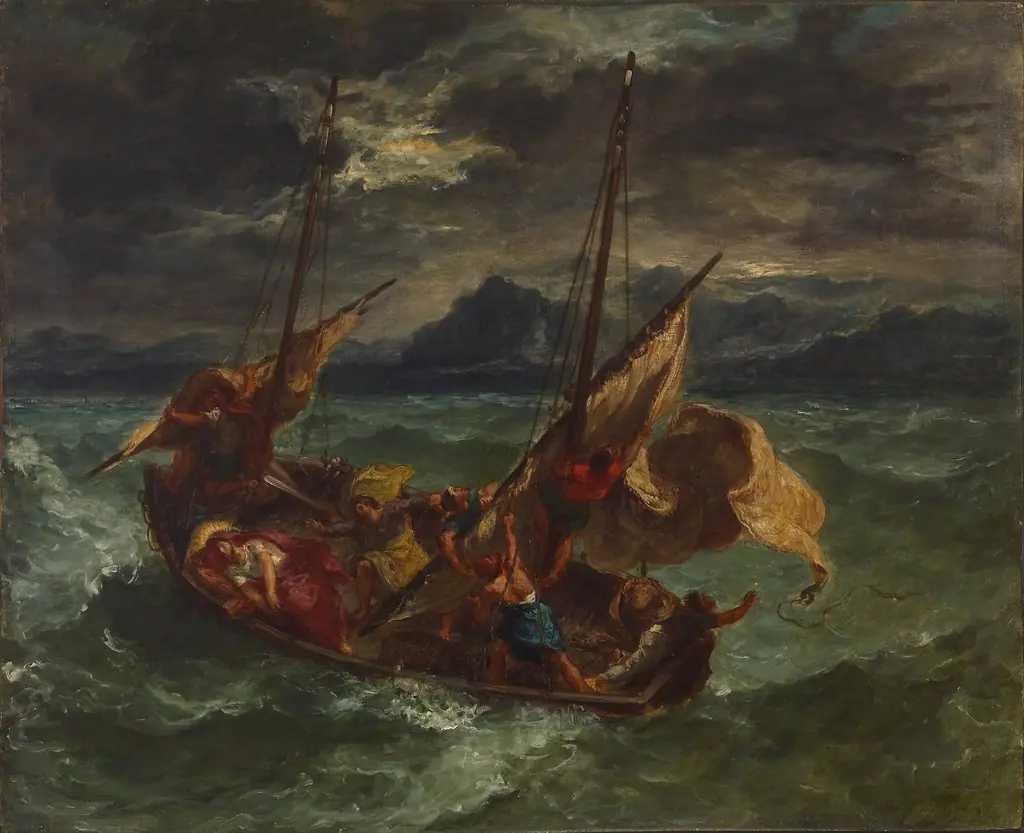 Christ on the Sea of Galilee
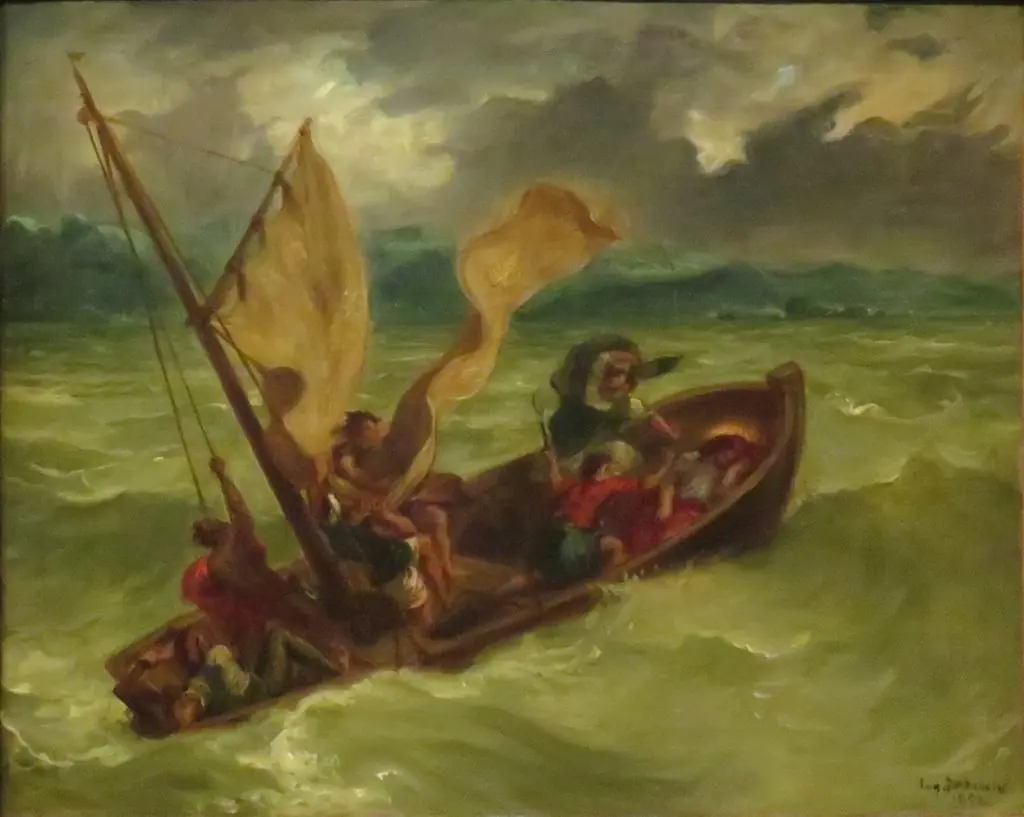 Christ on the Sea of Galilee
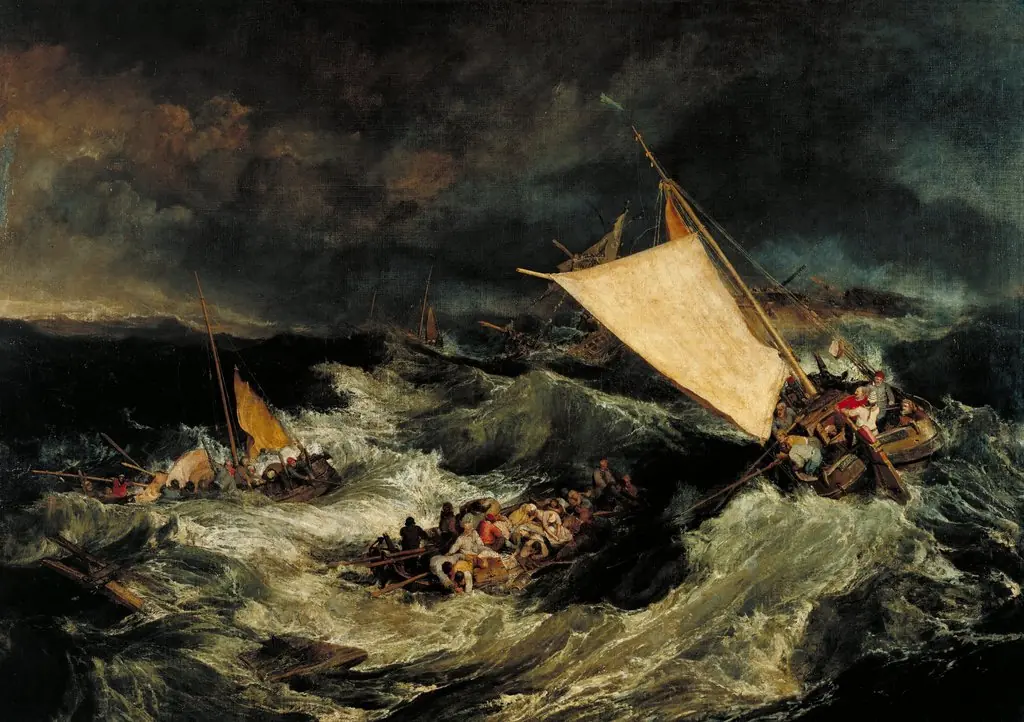 The Shipwreck
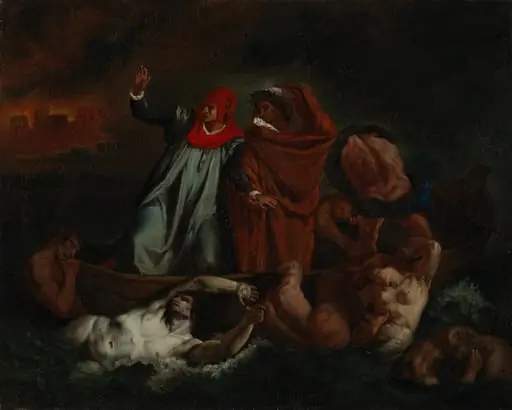 Dante ja Vergilius manalassa, kopio Eugene Delacroixin mukaan
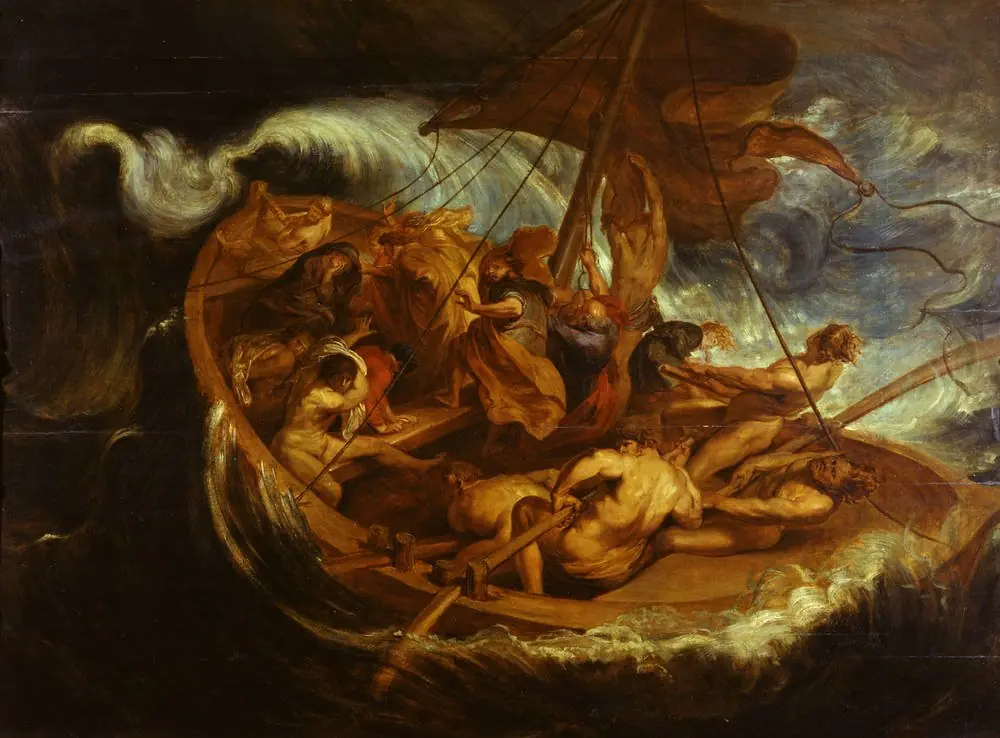 Christ on the Sea of Galilee
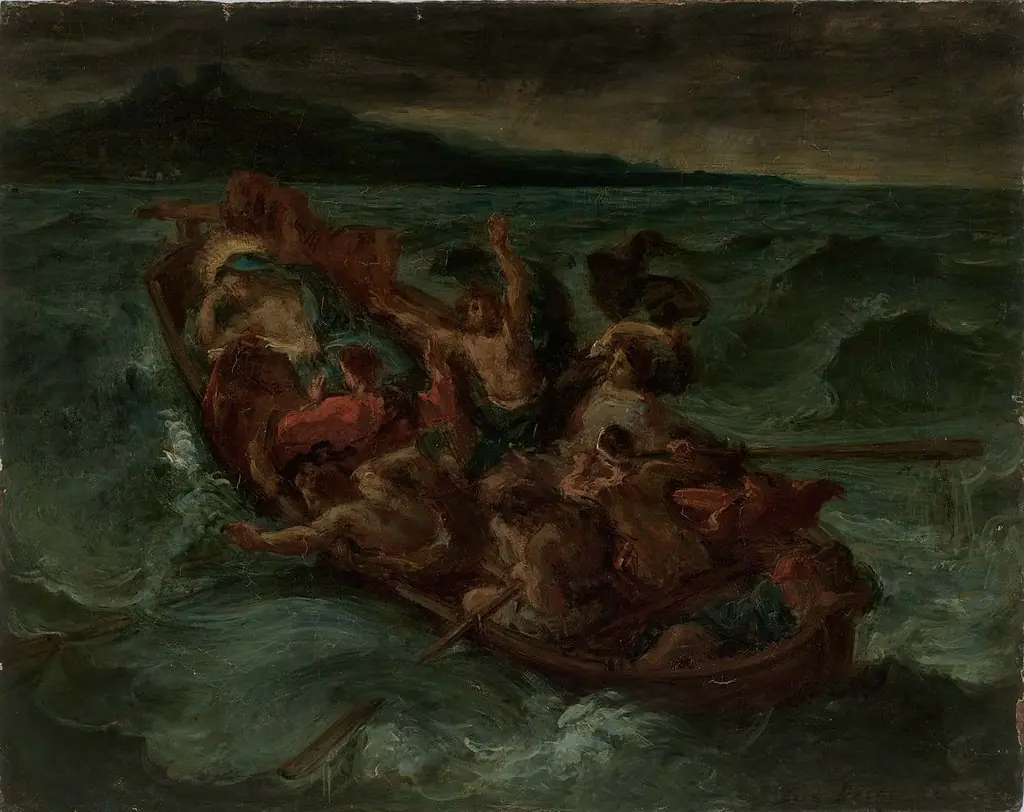 Christ on the Lake of Gennesaret
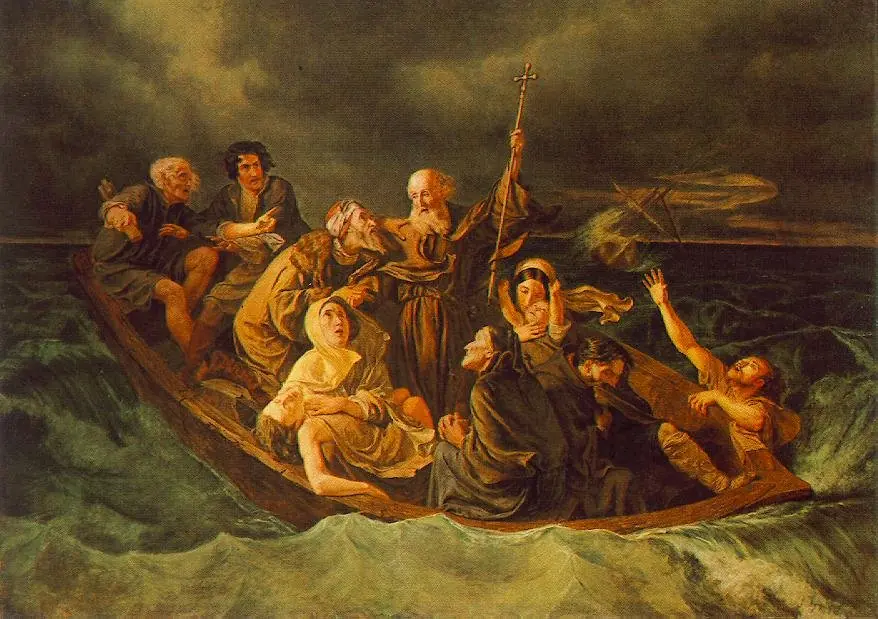 Lifeboat
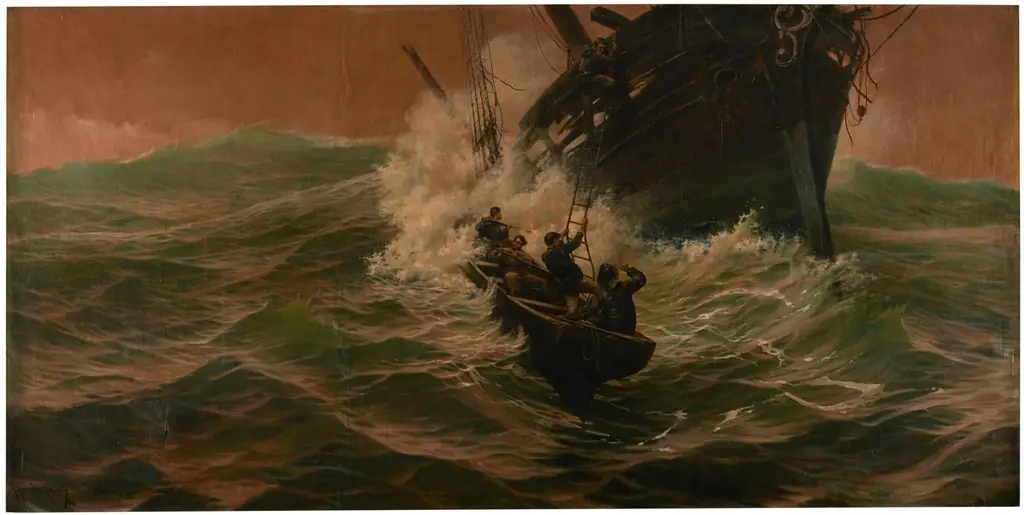 Nuevo peligro
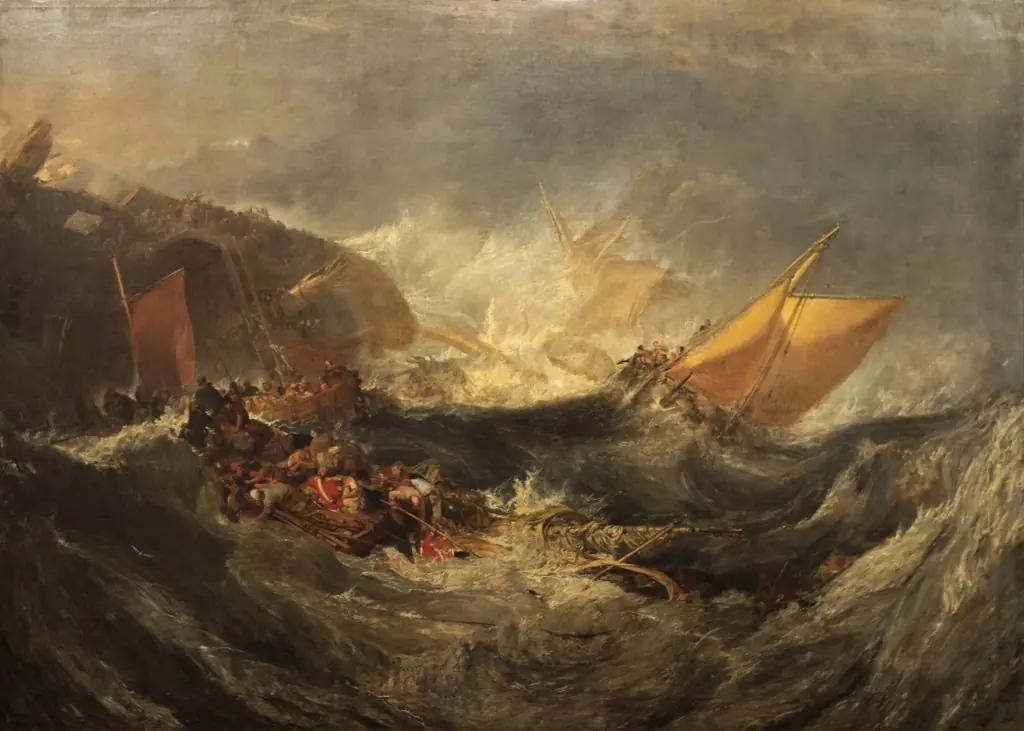 The Wreck of a Transport Ship
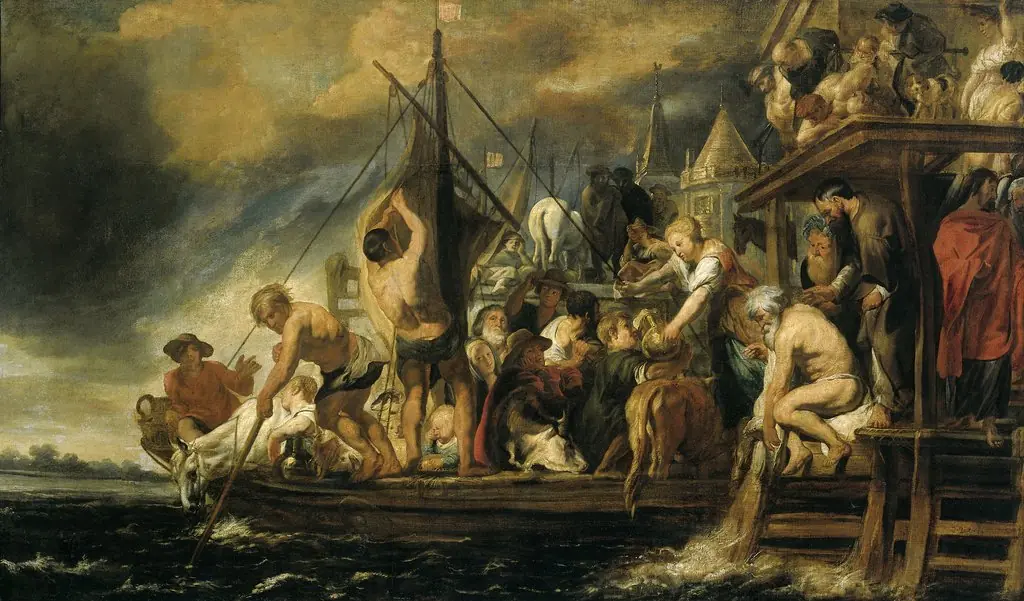 The Tribute Money - Peter Finding the Silver Coin in the Mouth of the Fish
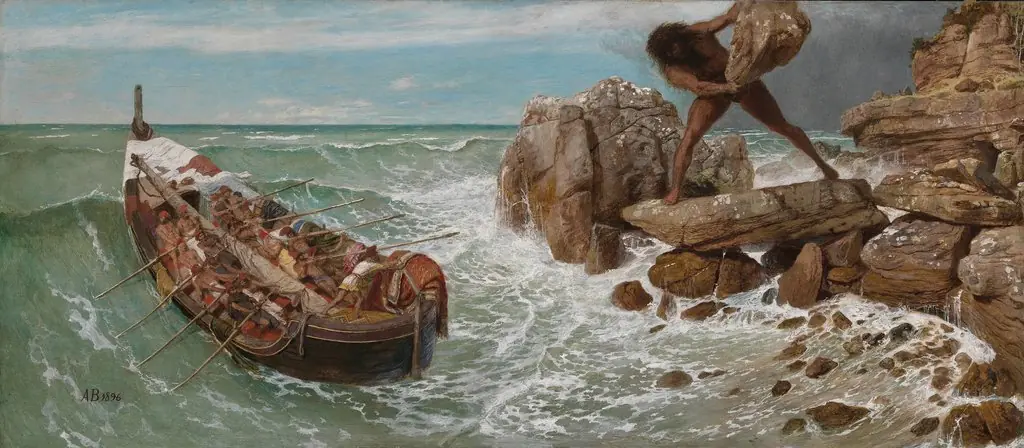 Odysseus and Polyphemus