Artwork
Nuevo peligro
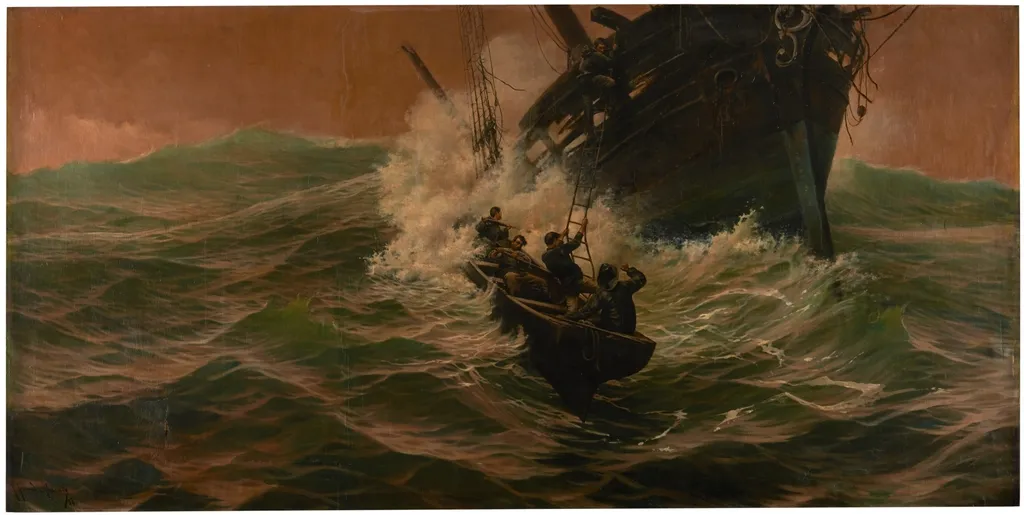
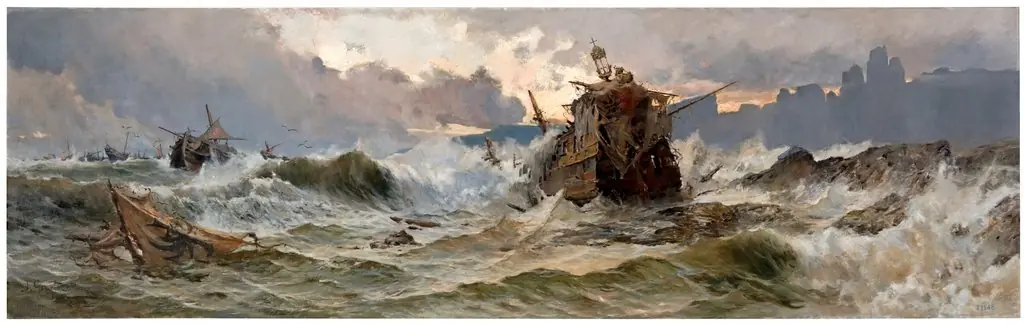
Nuevo peligro is an unspecified painting by José Fernández Alvarado. It dates from 1910 and is held in the collection of the Museo del Prado.
About this work
Overview
Painted around 1910 by José Fernández Alvarado, Nuevo peligro is an oil on canvas work currently in the collection of the Museo del Prado in Madrid. The piece belongs to a lesser-known body of early 20th-century Spanish figurative painting, reflecting the artist’s engagement with social themes through intimate, observational scenes.
Subject & Meaning
The painting depicts a moment of quiet tension between two figures, possibly a domestic pair, in a modest interior. The title, Nuevo peligro, suggests an emerging threat or unease, though the scene avoids overt drama. The ambiguity invites interpretation of emotional or societal pressures beneath the surface of everyday life.
Technique & Style
Fernández Alvarado employs a restrained palette and soft brushwork, favoring muted tones to convey atmosphere over detail. The composition is tightly framed, focusing attention on the figures’ posture and gaze. The style aligns with regional realist traditions of the period, emphasizing psychological nuance over theatricality.
History & Provenance
The painting entered the Museo del Prado’s collection in the early 20th century, likely through acquisition or donation. Its documentation is limited, and it has received minimal scholarly attention compared to contemporaries. It remains in the museum’s permanent holdings, displayed occasionally in thematic exhibitions.
Context
Created during a period of social transition in Spain, the work reflects broader artistic interest in domestic life and subtle human interaction. While major movements like Modernism gained traction elsewhere, regional painters like Fernández Alvarado continued exploring quiet realism, often overlooked in national narratives.
Legacy
Nuevo peligro stands as a modest but persistent example of early 20th-century Spanish realism. Though not widely exhibited or studied, it contributes to understanding the diversity of Spanish painting beyond dominant avant-garde figures, preserving a quieter, more introspective strand of the era’s visual culture.
Artist & collection