Artwork
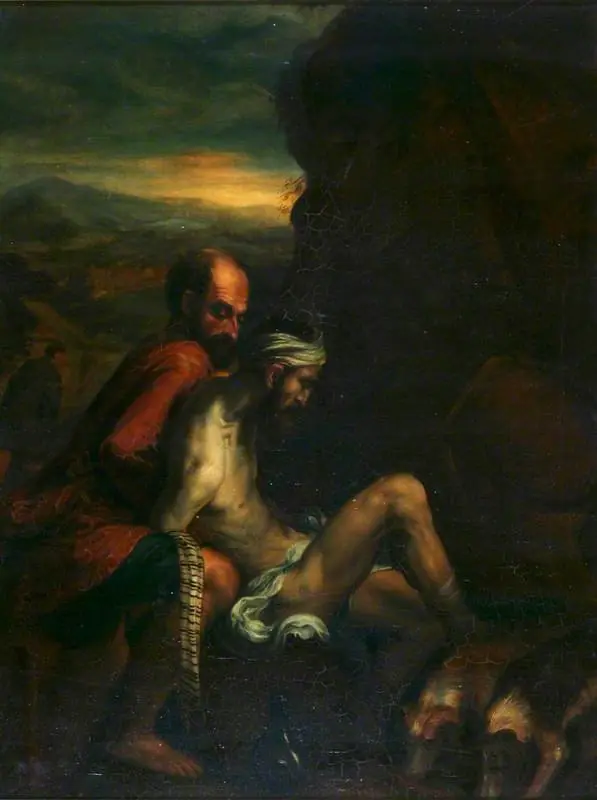
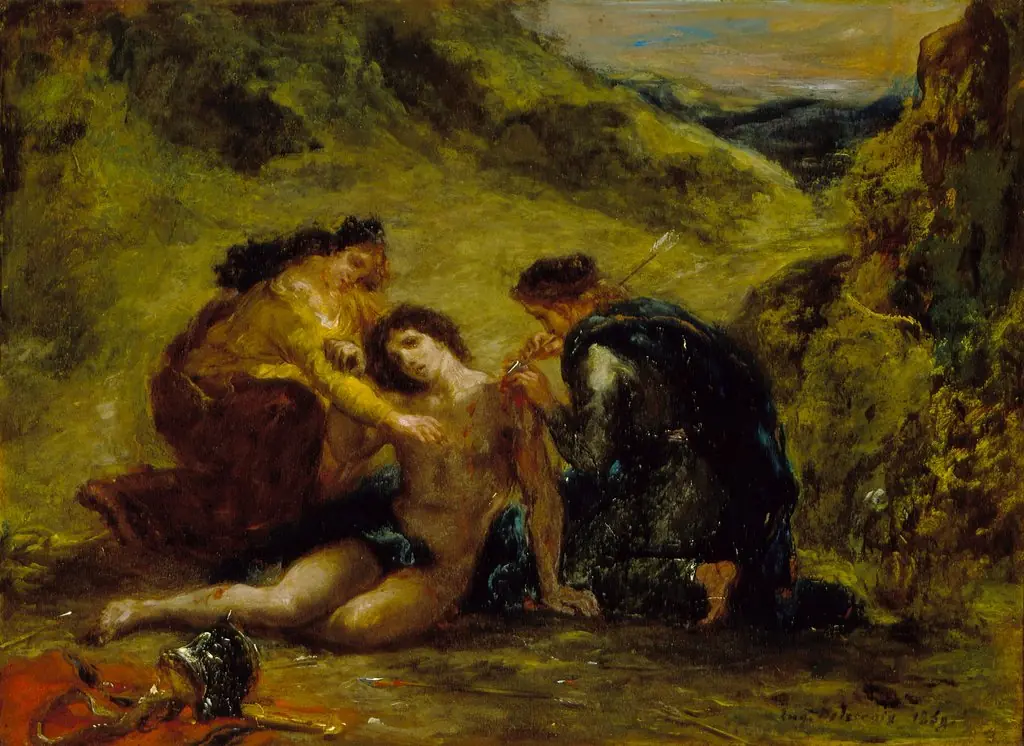
The Good Samaritan
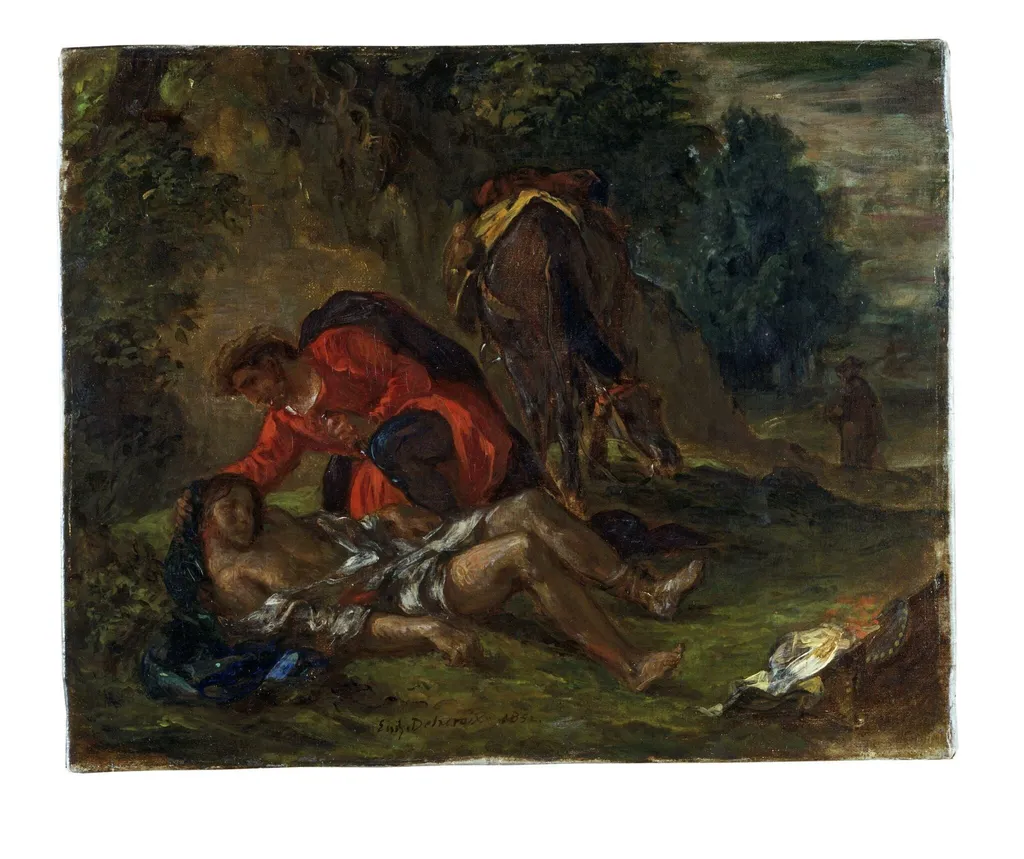
The Good Samaritan is an oil painting by the French Romanticist artist Fernand-Victor-Eugène Delacroix. It dates from 1852 and is held in the collection of the Victoria and Albert Museum.
About this work
Overview
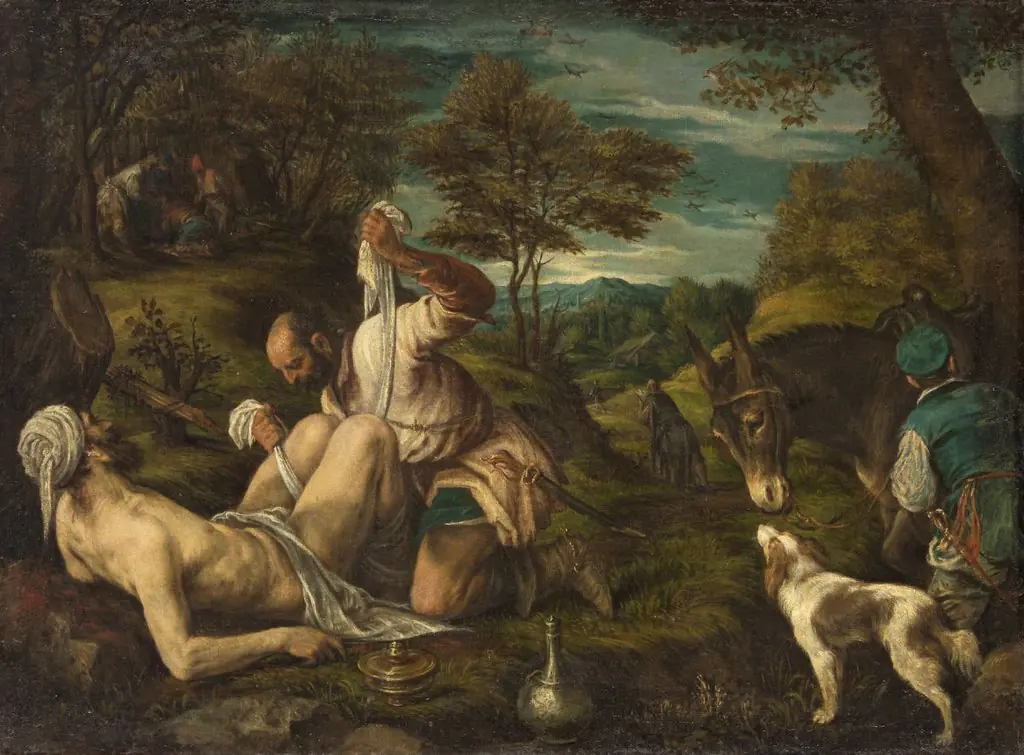
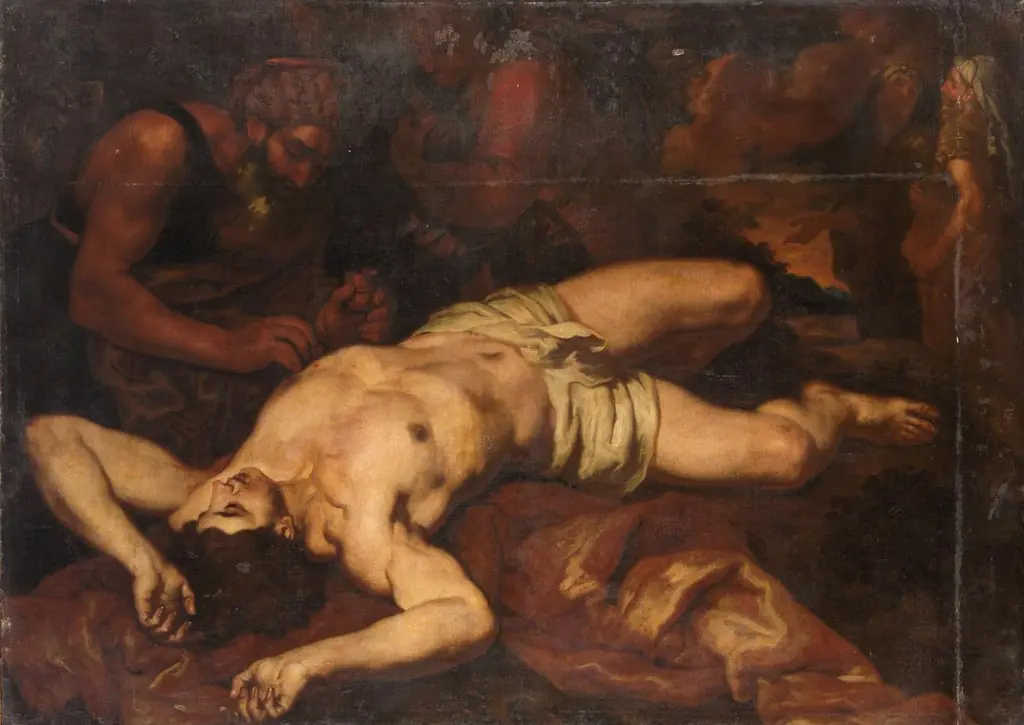
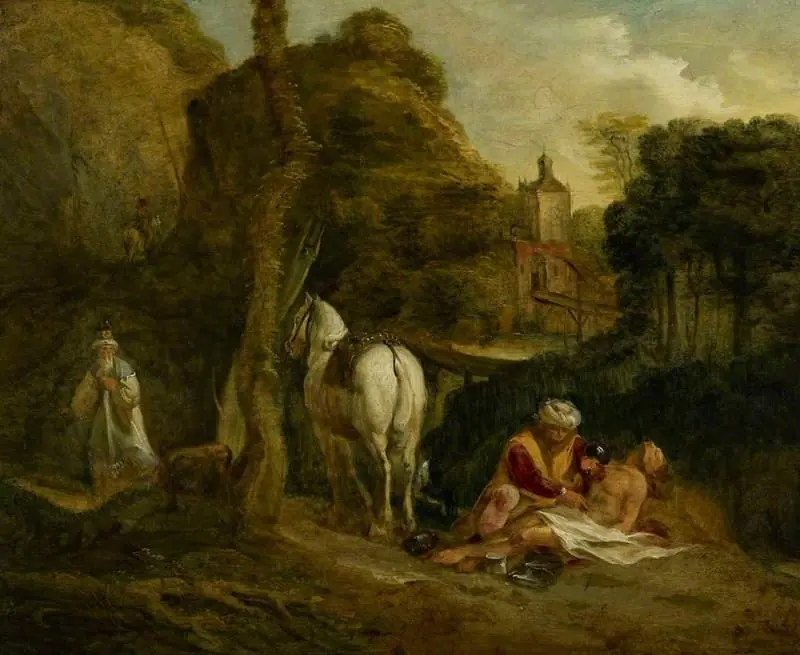
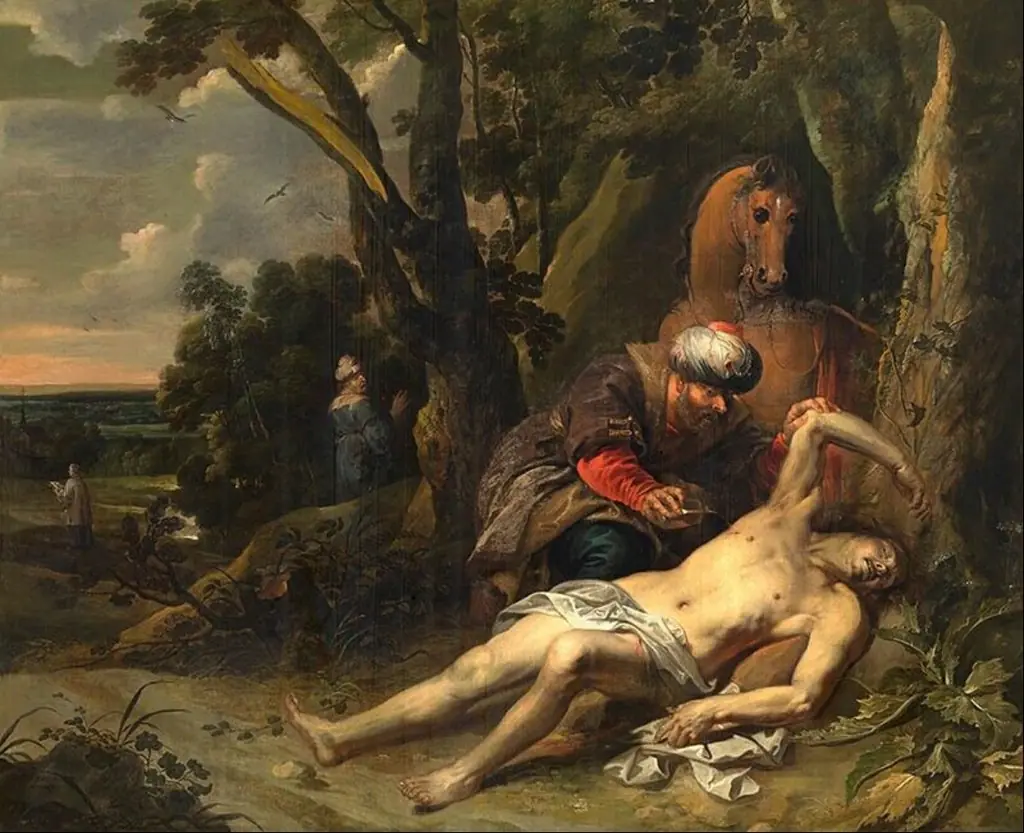
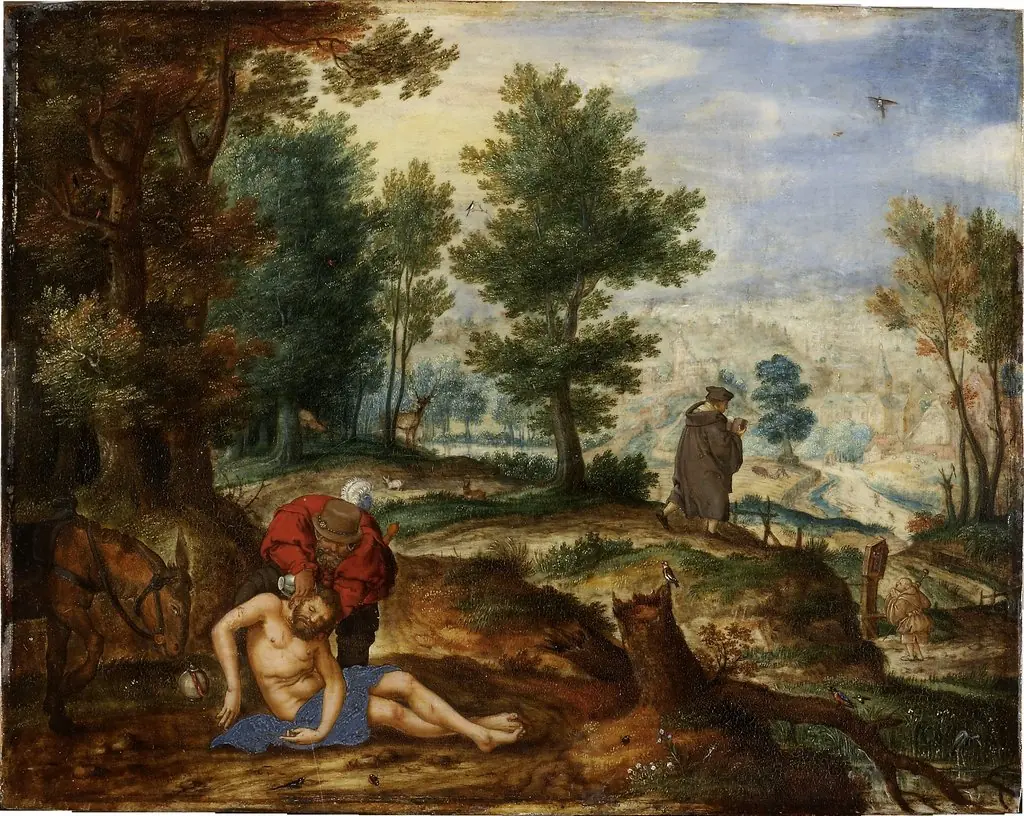
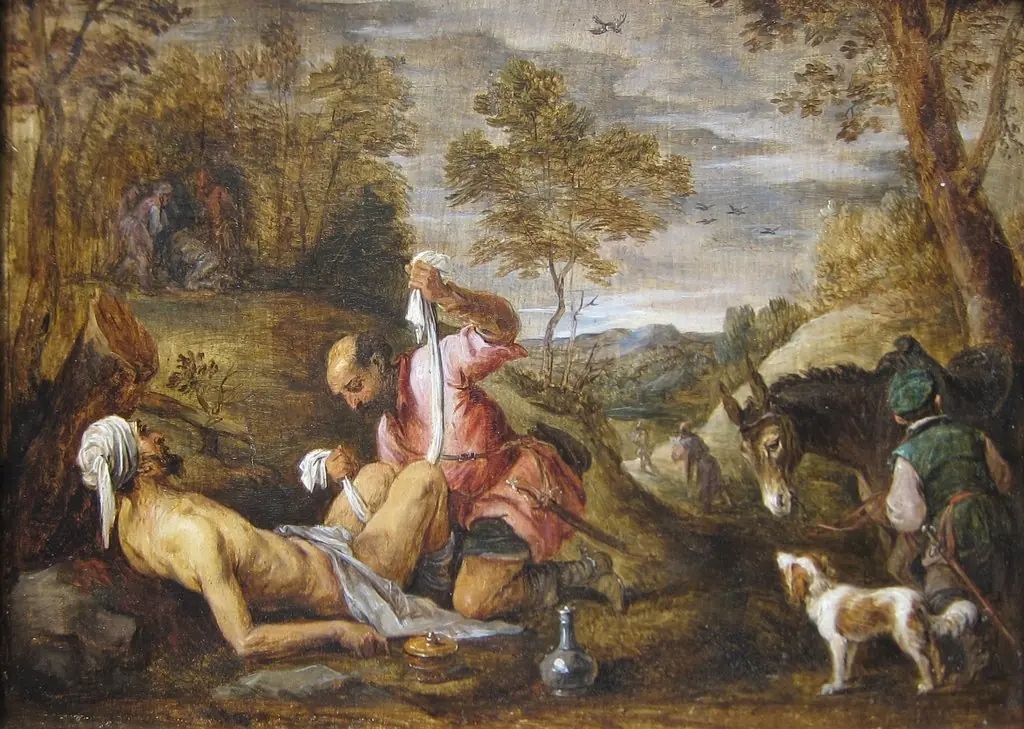
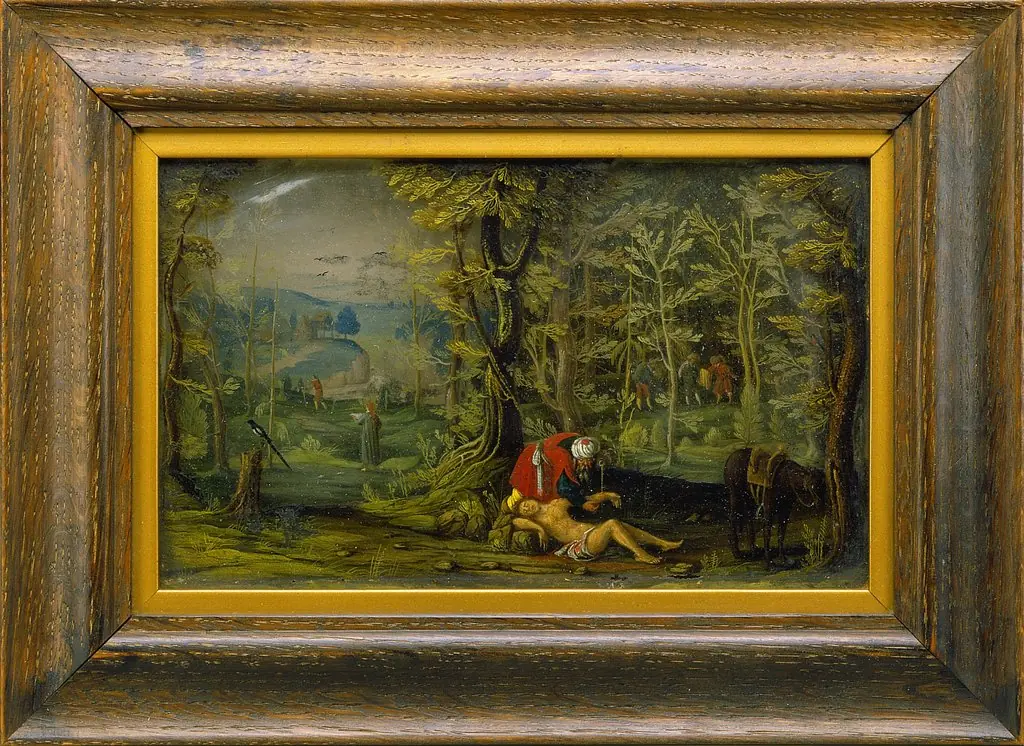
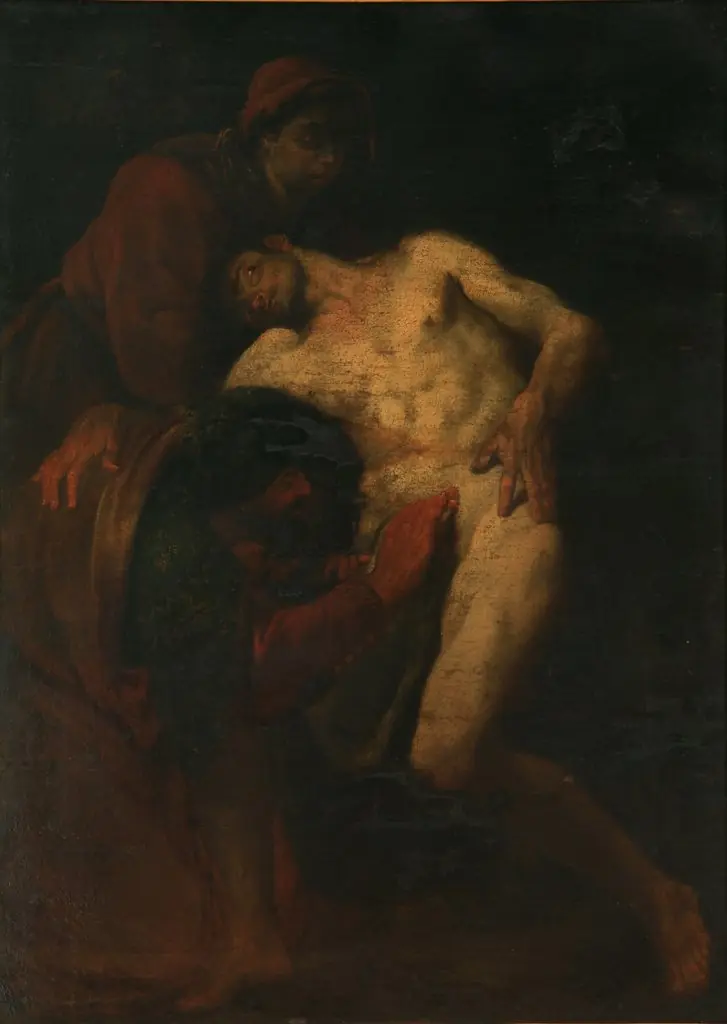
Eugène Delacroix’s oil work titled The Good Samaritan portrays a compassionate encounter drawn from the Gospel narrative. Executed in the mid‑19th century, the composition captures a wounded traveler on a dusty road, attended by a Samaritan who applies oil to his injuries while a stable boy tends the nearby horse amid scattered rocks and a broken cart.
Subject & Meaning
The painting visualises the biblical parable in which a Samaritan aids an injured stranger, emphasizing themes of mercy and humanity beyond ethnic boundaries. By focusing on the quiet act of care rather than the violent assault, Delacroix underscores the moral lesson of selfless assistance and the transformative power of empathy.
Technique & Style
Delacroix employs a restrained palette typical of his religious output in the 1850s, juxtaposing warm oil tones against cooler shadows to model the figures. The brushwork renders the Samaritan’s hands with precise, gentle strokes, while the surrounding debris is suggested with looser, atmospheric touches, creating a realistic snapshot of a fleeting moment.
History & Provenance
Born near Paris and raised in The Hague, Delacroix trained under Pierre Guérin before entering the École des Beaux‑Arts in 1816. He gained early public recognition at the Salon of 1822, establishing his reputation within the French academic tradition. Critics of his time praised The Good Samaritan for its solemn tone and faithful rendering of a religious subject.
Own this work as a print
Artist & collection
Artist
Fernand-Victor-Eugène Delacroix
He kept a pet lion named Baron as a houseguest, who reportedly chewed his slippers and fell asleep by the stove.