Artwork
The Autumn - Baccus and Ariadne
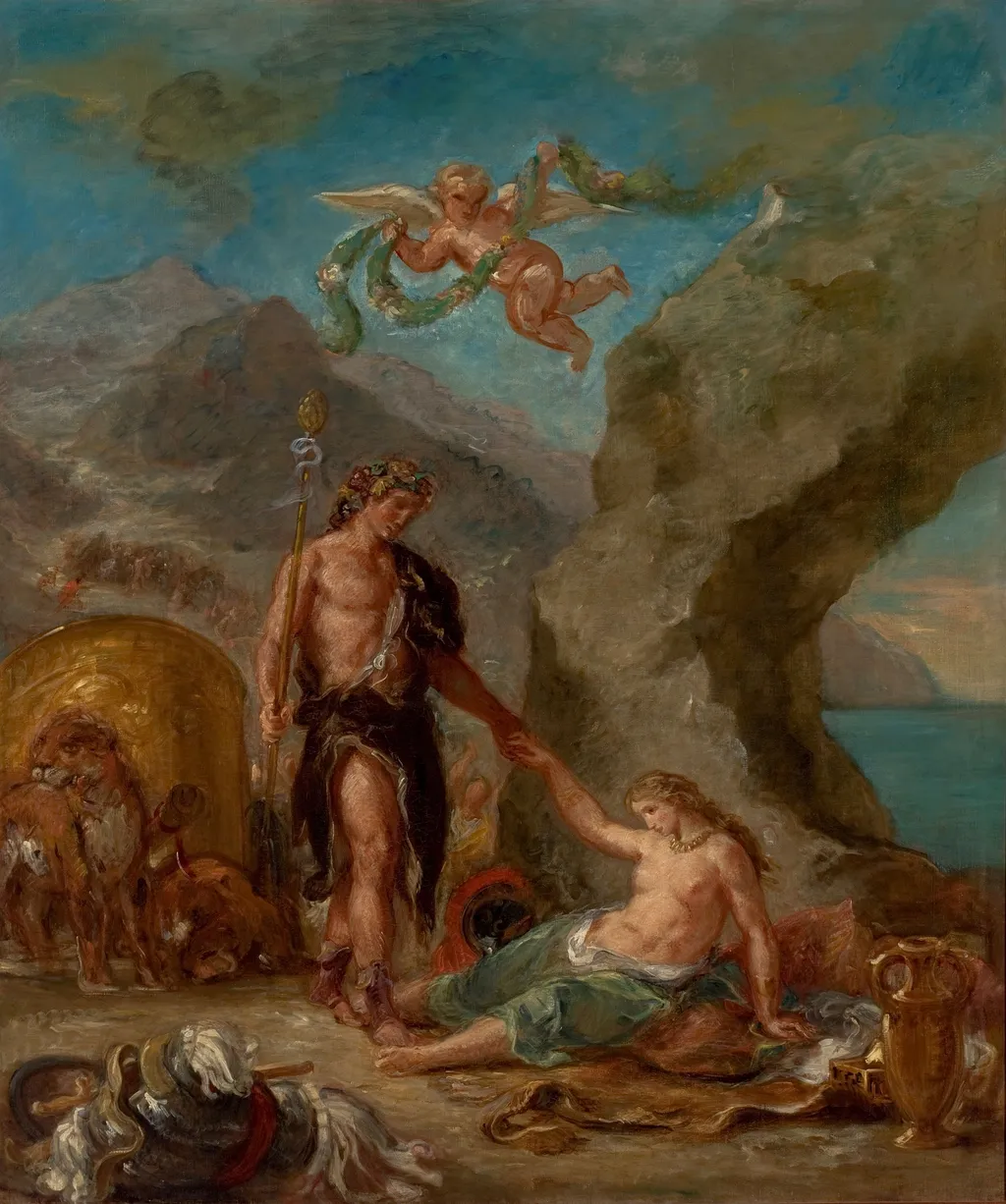
The Autumn - Baccus and Ariadne is an oil painting by the French Romanticist artist Eugène Delacroix. It dates from 1850 and is held in the collection of the São Paulo Museum of Art.
About this work
Overview
It portrays the mythological reunion of Bacchus and Ariadne, rendered with the expressive vigor characteristic of French Romanticism.
Painted circa 1850 by Eugène Delacroix, this work is part of a series representing the seasons, with autumn as its theme. It portrays the mythological reunion of Bacchus and Ariadne, rendered with the expressive vigor characteristic of French Romanticism. The painting resides in the collection of the São Paulo Museum of Art, where it stands as a testament to Delacroix’s enduring interest in classical narratives filtered through emotional intensity.
Subject & Meaning
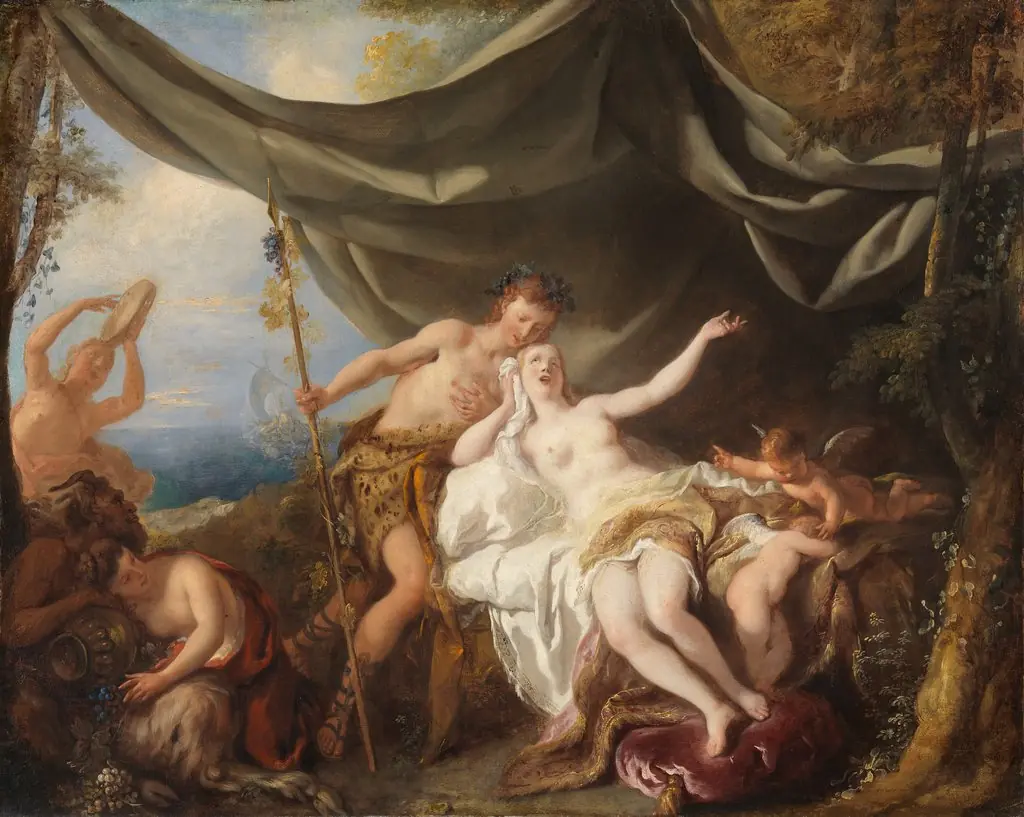
The scene captures the moment Bacchus, god of wine and revelry, encounters Ariadne, abandoned on Naxos. His outstretched hand and her responsive gesture suggest a turning point—her isolation giving way to divine recognition. The presence of a golden chariot, a dog, and a vase alludes to his entourage and ritual objects, reinforcing the myth’s themes of fate, rescue, and transformation within an autumnal setting.
Technique & Style
Delacroix employs loose, dynamic brushwork and rich, saturated hues to convey movement and mood rather than anatomical precision. The contrast between the dark robe of Bacchus and Ariadne’s green garment heightens their visual connection. The background landscape is rendered with atmospheric perspective, while the foreground figures are animated by gestural energy, reflecting influences from Rubens and Titian.
History & Provenance
Created during Delacroix’s mature period, the painting was likely produced for a decorative cycle on the seasons. It entered the São Paulo Museum of Art’s collection in the mid-20th century through the acquisition of the collection of Assis Chateaubriand, who systematically gathered European works for Brazil’s first major encyclopedic museum.
Context
In mid-19th-century France, mythological subjects remained popular among Romantic artists seeking to express emotion and drama beyond Neoclassical restraint. Delacroix’s reinterpretation of classical myths emphasized psychological depth and sensory richness, aligning with broader cultural shifts toward individual experience and the sublime in nature.
Legacy
Though less frequently exhibited than Delacroix’s larger public commissions, this painting exemplifies his sustained engagement with myth and color theory. It contributes to understanding how Romantic artists adapted classical themes for intimate, emotionally resonant compositions, influencing later generations interested in expressive form over academic idealism.
Own this work as a print
Artist & collection
Artist
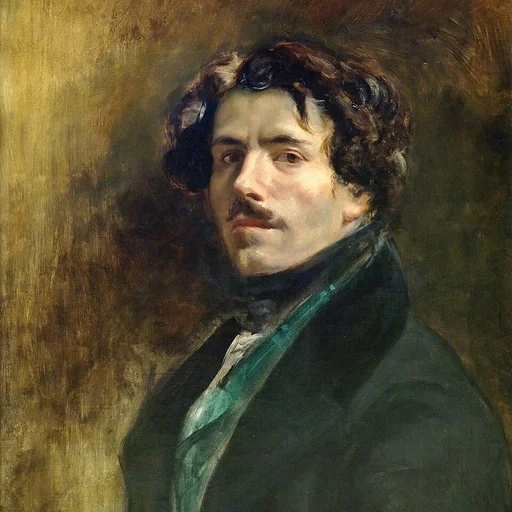
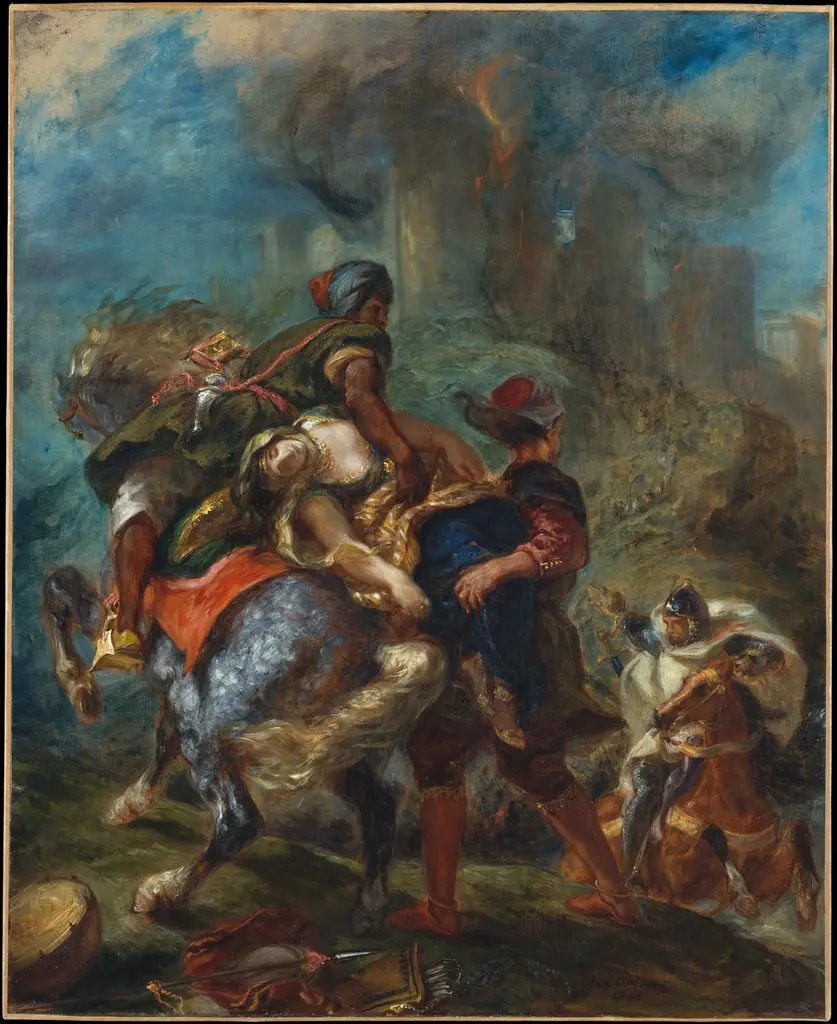
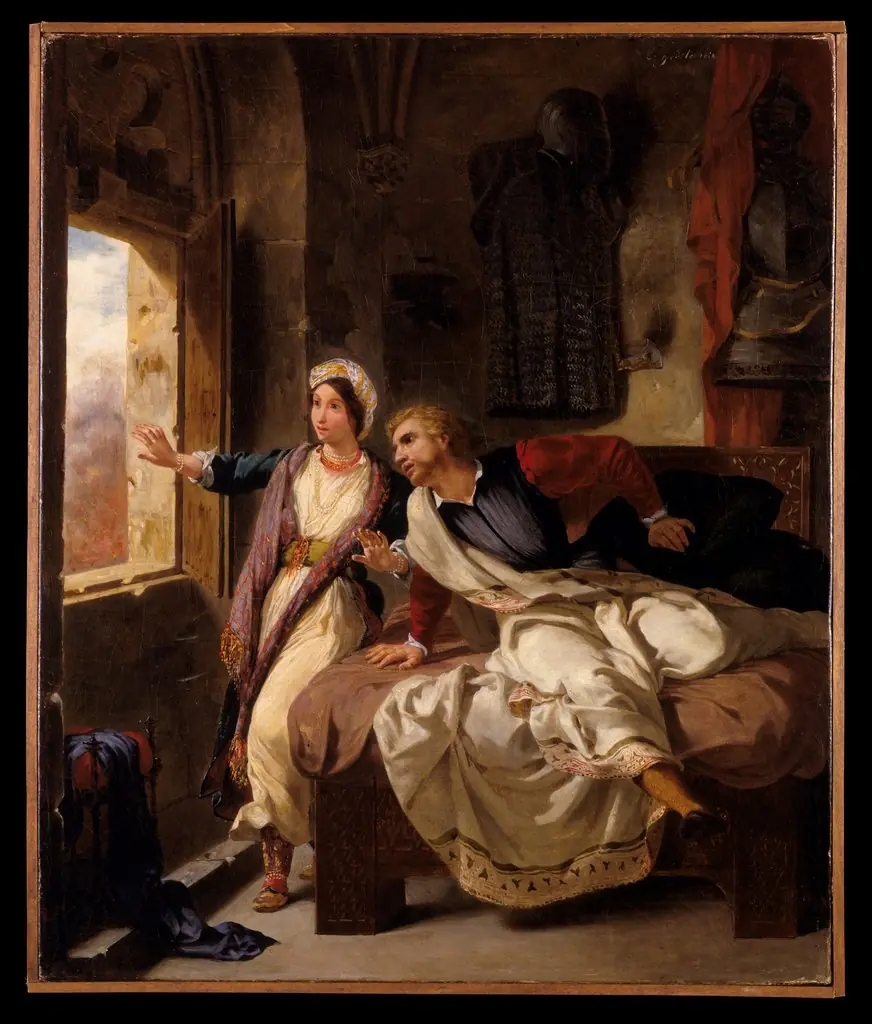
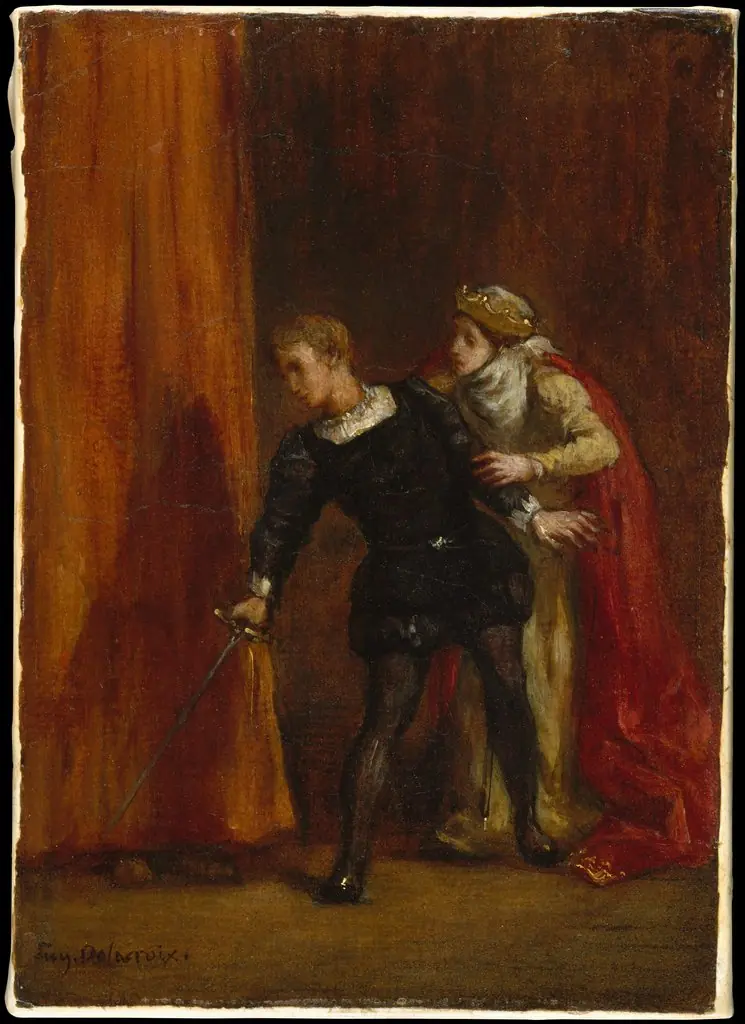
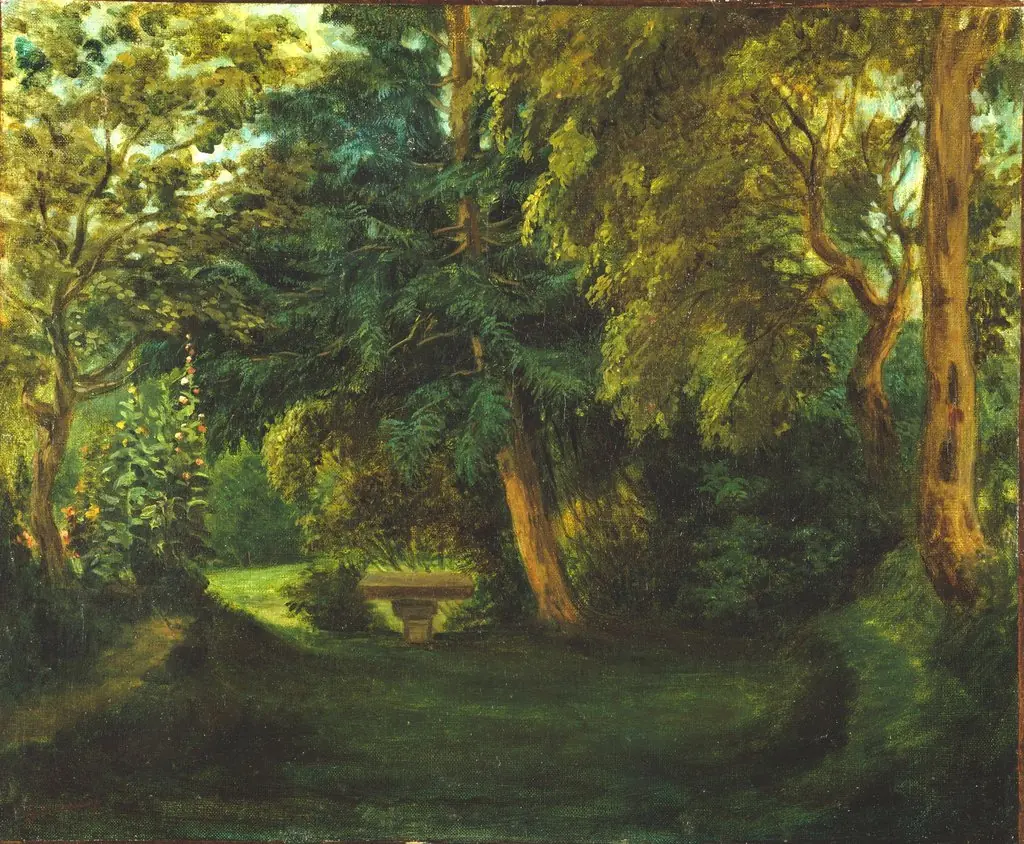
Ferdinand Victor Eugène Delacroix ( DEL-ə-krwah, -KRWAH; French: ; 26 April 1798 – 13 August 1863) was a French Romantic artist who was regarded as the leader of the French Romantic school.

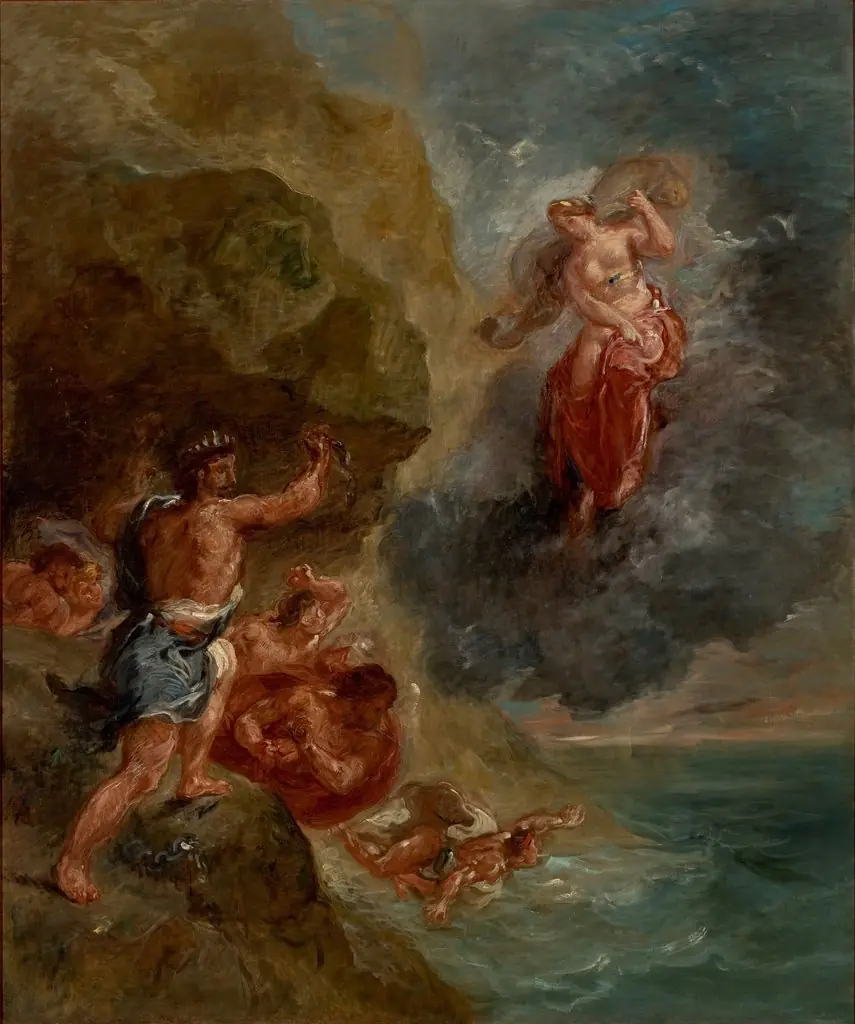 The Winter - Juno beseeches to destroy Eneas' Fleet
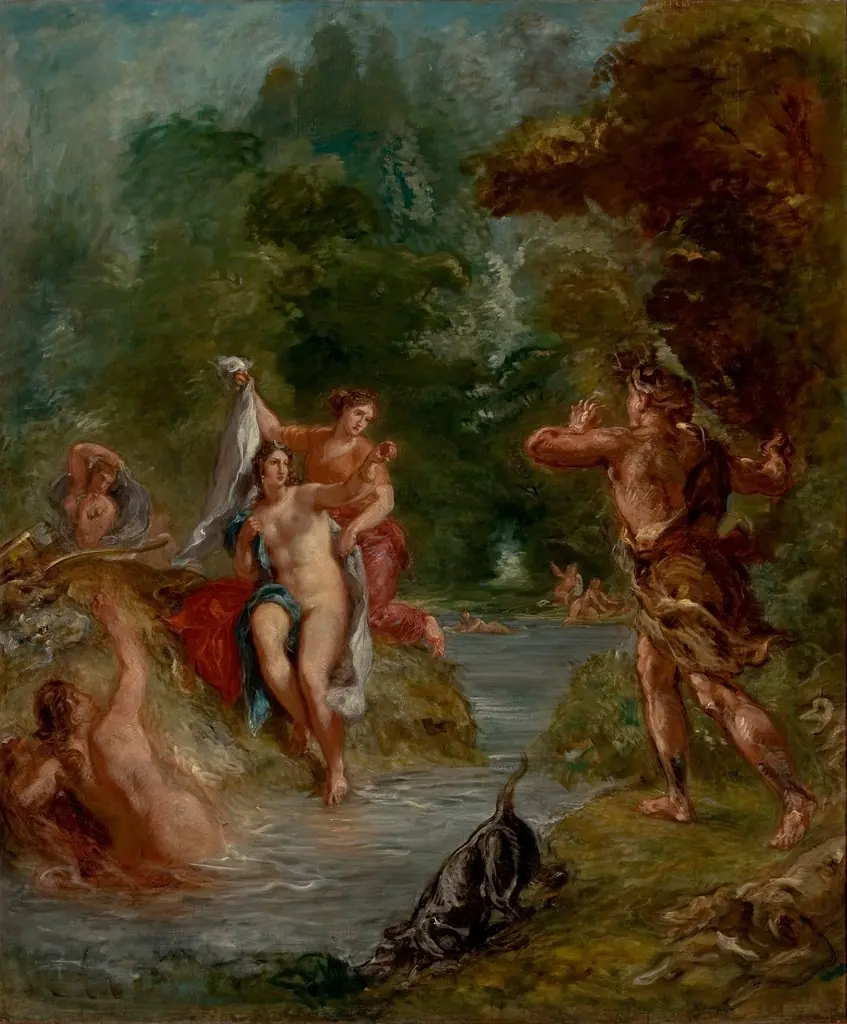 The Summer - Diana surprised by Actaeon
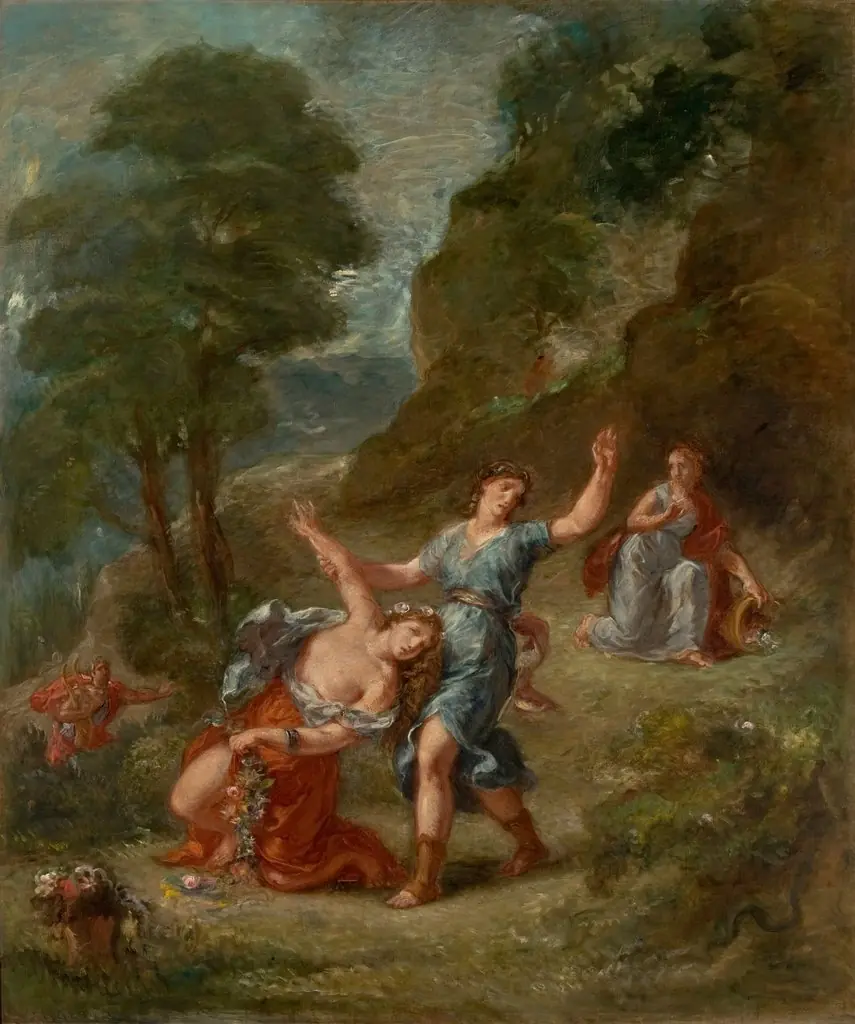 The Spring - Eurydice bitten by a serpent while picking flowers (Eurydice's death)
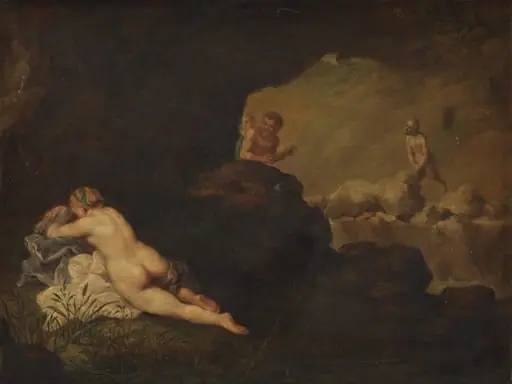 Sleeping Nymph
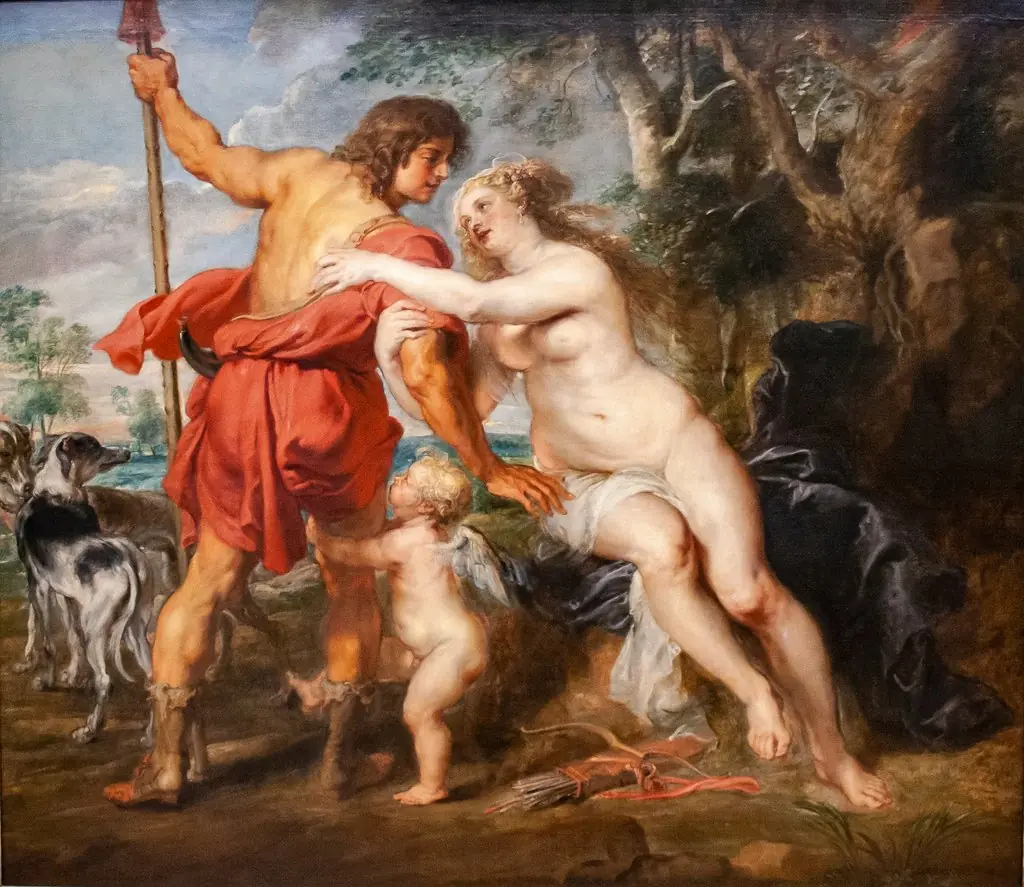 Venus and Adonis
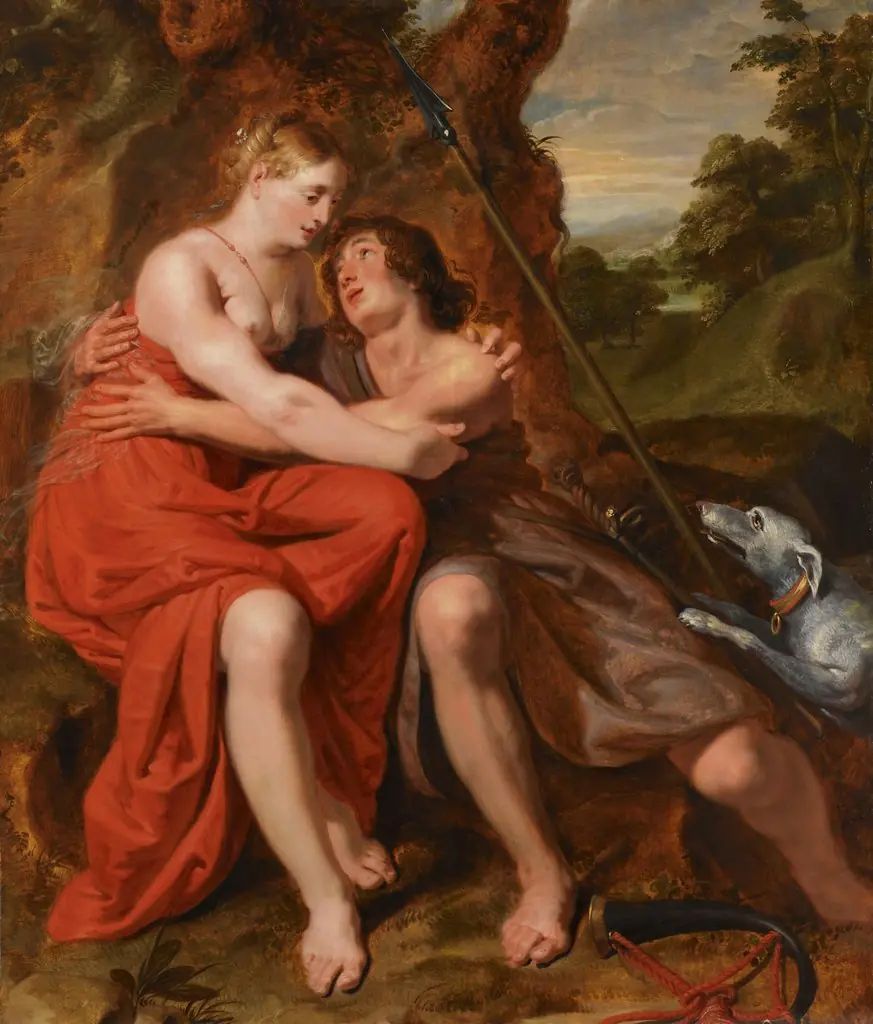 Venus and Adonis
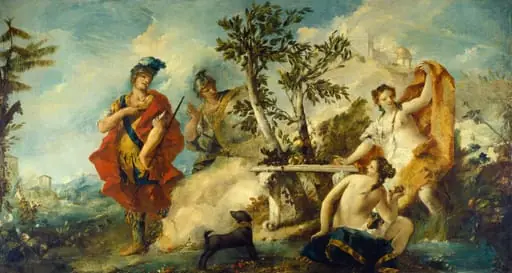 Carlo and Ubaldo Resisting the Enchantments of Armida's Nymphs
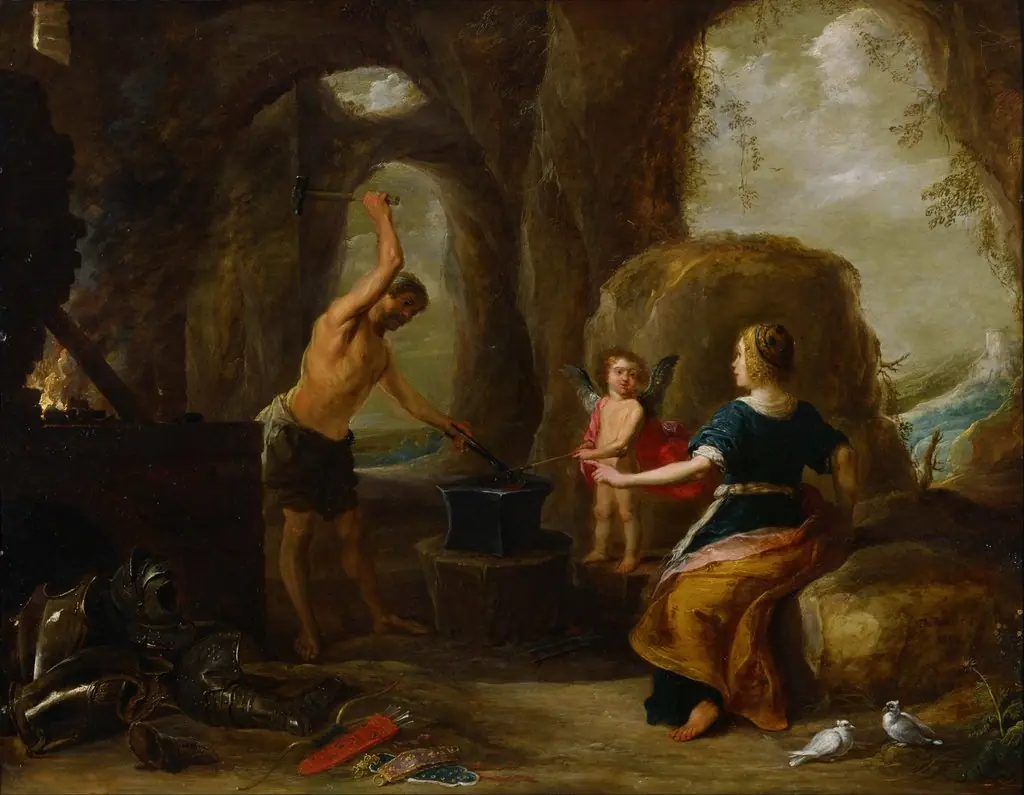 Venus Visiting Vulcan’s Forge
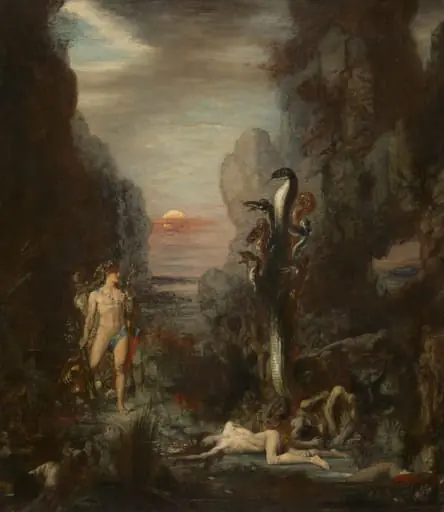 Hercules and the Lernaean Hydra
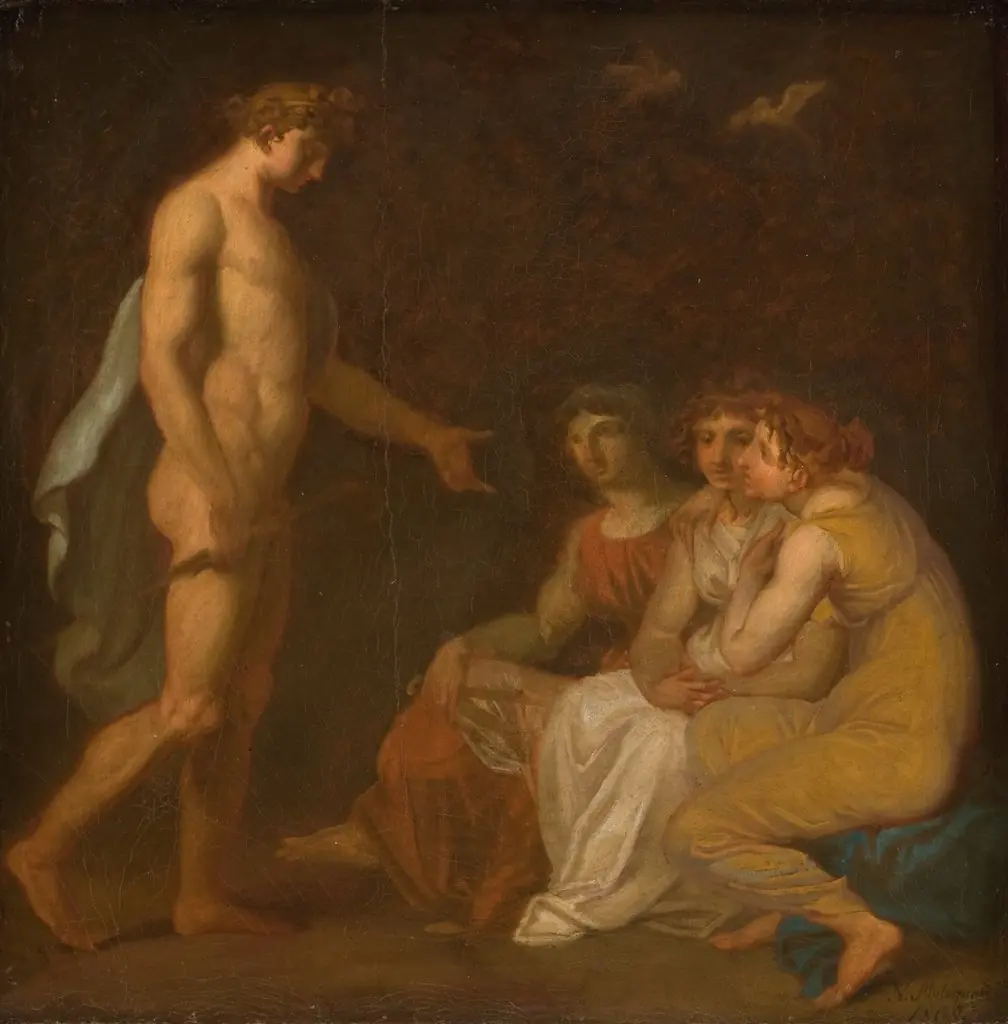 Apollo charging the Parcae to visit Ceres, who has fled from the Earth
 Askese des Hl. Benedikt
 Bacchus and Ariadne