Artwork
Sultaness in a Veiled Turban, Seen from Behind
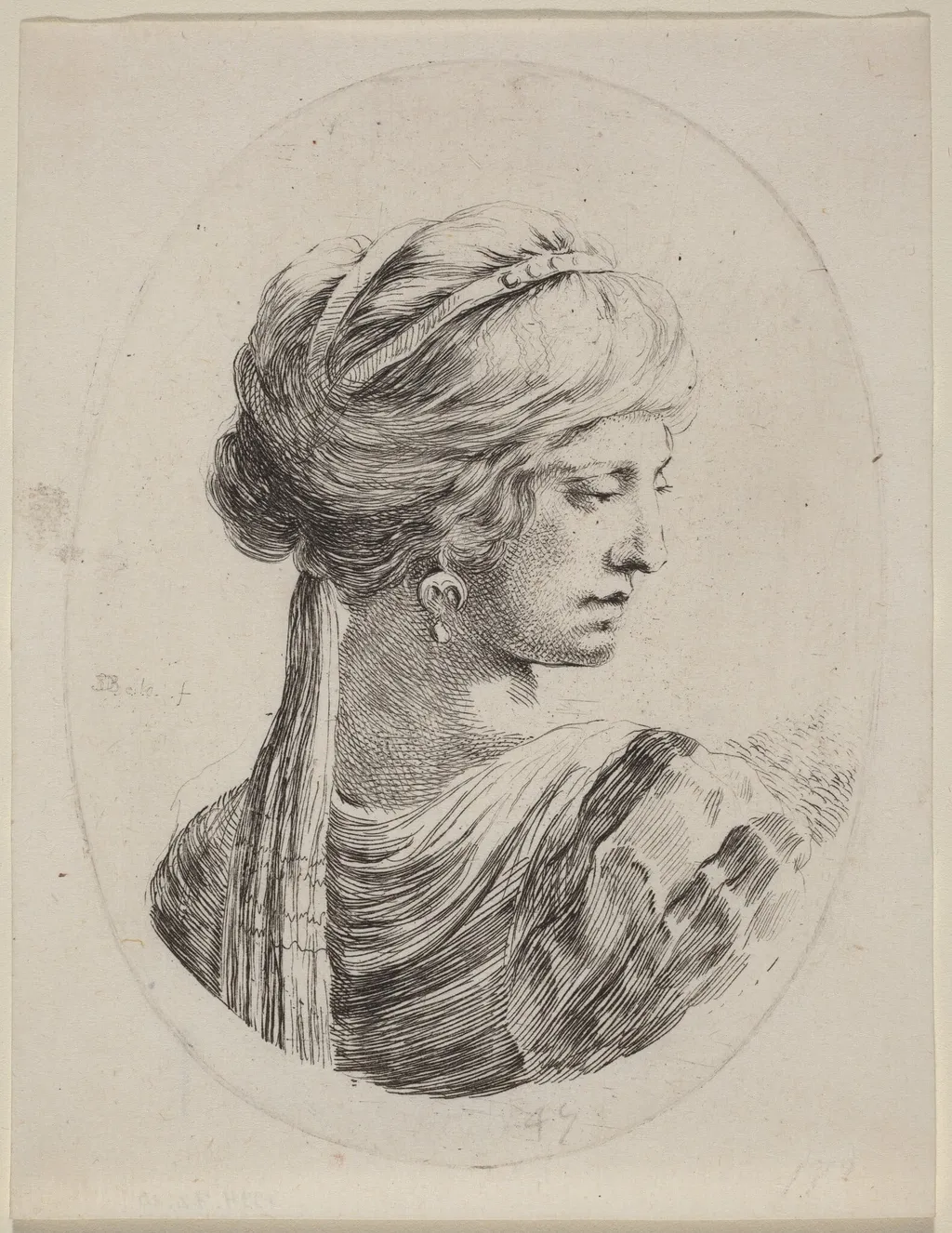
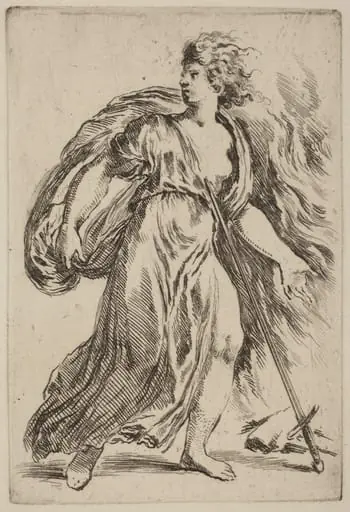
Sultaness in a Veiled Turban, Seen from Behind is an ink print by the Baroque artist Stefano Della Bella. It dates from 1650 and is held in the collection of the National Gallery of Art.
About this work
Overview
Della Bella’s focus on observational detail and atmospheric line work distinguishes this piece within the broader landscape of 17th-century Italian graphic art.
Created in 1650 by the Florentine artist Stefano della Bella, this etching depicts a woman in profile from behind, her head covered by a layered turban. Executed on laid paper, the work is one of over a thousand prints produced during his career. Della Bella’s focus on observational detail and atmospheric line work distinguishes this piece within the broader landscape of 17th-century Italian graphic art.
Subject & Meaning
The figure, likely imagined rather than a specific individual, evokes an exoticized Eastern courtly presence through her headwear and posture. The back view, uncommon in portraiture, emphasizes anonymity and mystery, aligning with European fascination with Ottoman dress and customs. No narrative or identity is given; the focus remains on form, texture, and the quiet dignity of the unseen face.
Technique & Style
Della Bella employed etching to achieve fine, fluid lines that suggest both structure and movement. The turban and shawl are rendered with delicate, intersecting strokes that mimic fabric folds without heavy shading. Facial features are minimized—only the curve of the cheek and the shape of the ear are suggested—creating a sense of intimacy through restraint. The paper’s texture enhances the sketchlike quality of the impression.
History & Provenance
The print emerged during della Bella’s time in Paris, where he worked under the patronage of the French court. Though its early ownership is undocumented, it circulated among collectors of graphic art in Europe. Its survival in good condition reflects its appeal to connoisseurs of refined draftsmanship, though it was never widely reproduced or publicly exhibited in its time.
Context
In mid-17th-century Europe, images of Ottoman figures—often idealized or stereotyped—were popular in print culture. Della Bella’s work fits within this trend but diverges by avoiding overt caricature. His approach, grounded in direct observation and subtle line, aligns with a broader shift in Italian printmaking toward naturalism and psychological nuance, even in imagined subjects.
Legacy
Though not among della Bella’s most famous works, this etching exemplifies his mastery of the medium and his ability to convey presence through minimal means. It influenced later artists interested in the expressive potential of line and the quiet power of partial revelation. Today, it remains a quiet testament to the artist’s eye for detail and restraint.
Artist & collection
Artist
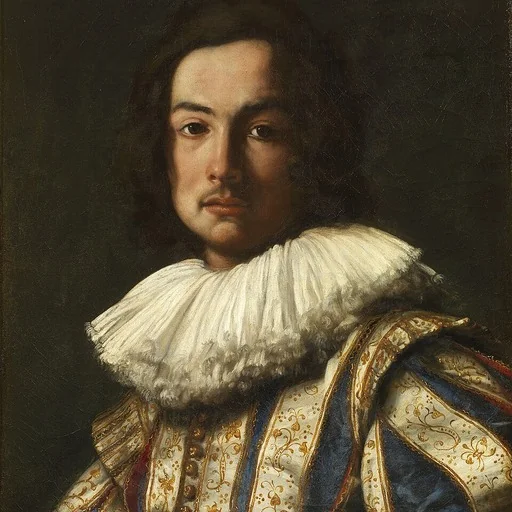
Stefano della Bella (18 May 1610 – 12 July 1664) was an Italian draughtsman and printmaker known for etchings of a great variety of subjects, including military and court scenes, landscapes, and lively genre scenes.

![The Flight into Egypt [verso], by Stefano Della Bella](https://artifactworldgallery.com/img/stefano-della-bella--the-flight-into-egypt-verso--3a100db72e6d25e3-w320.webp)