Artwork
Corp de Gardă - Sinaia
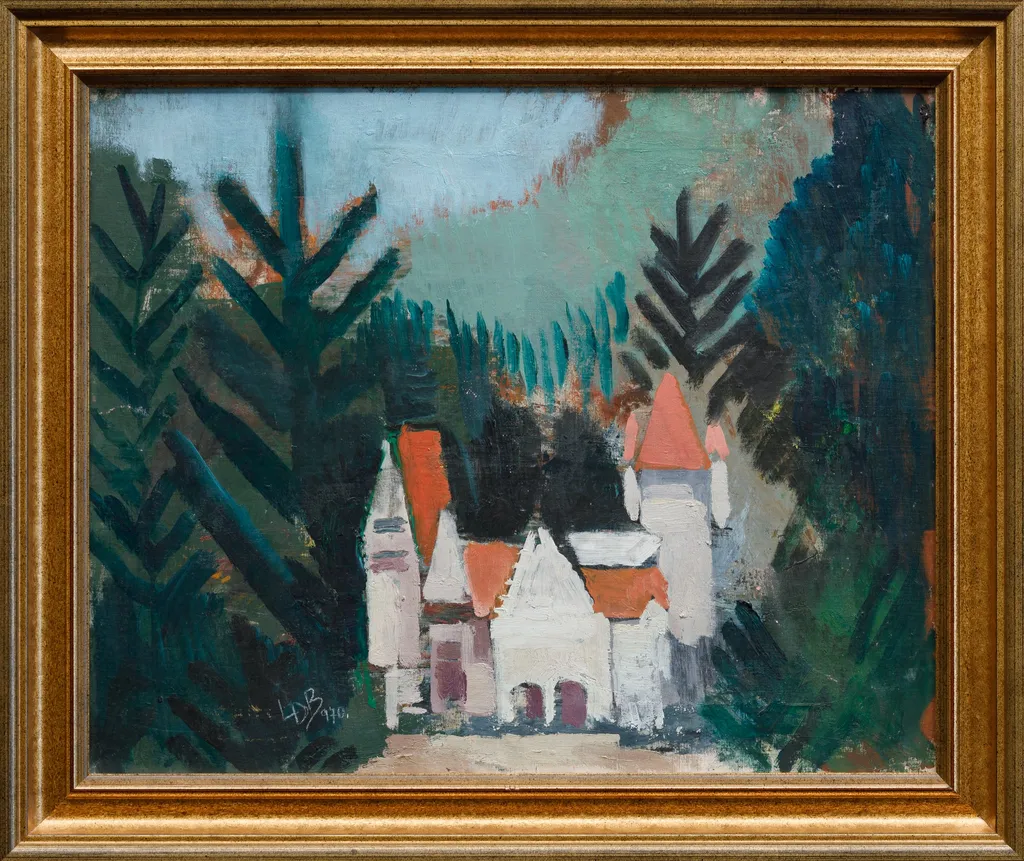
Corp de Gardă - Sinaia is an unspecified painting by Lucia Dem-Bălăcescu. It dates from 1850 and is held in the collection of the National Museum of Art of Romania.
About this work
Overview
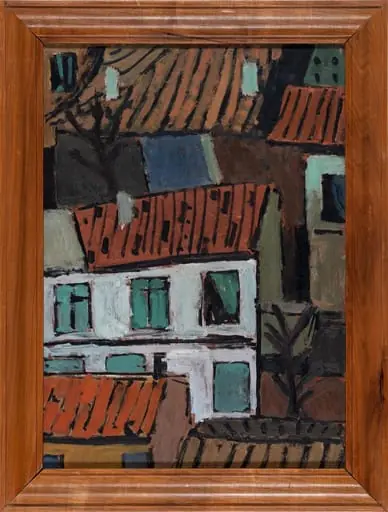
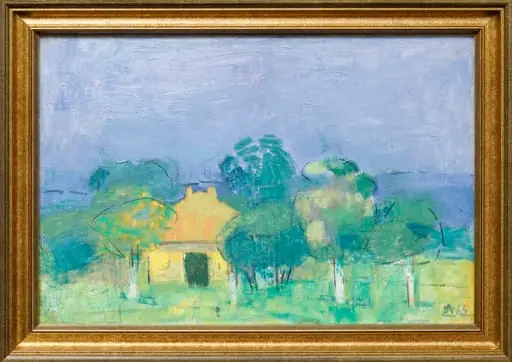
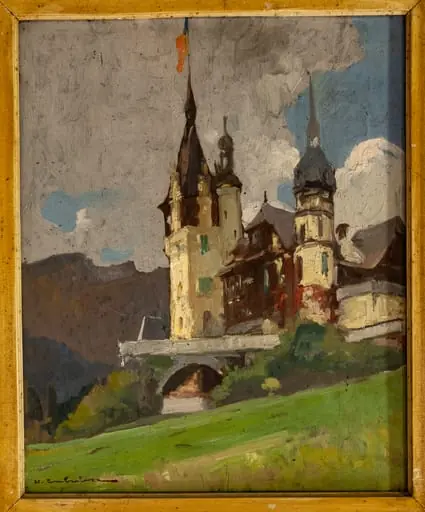
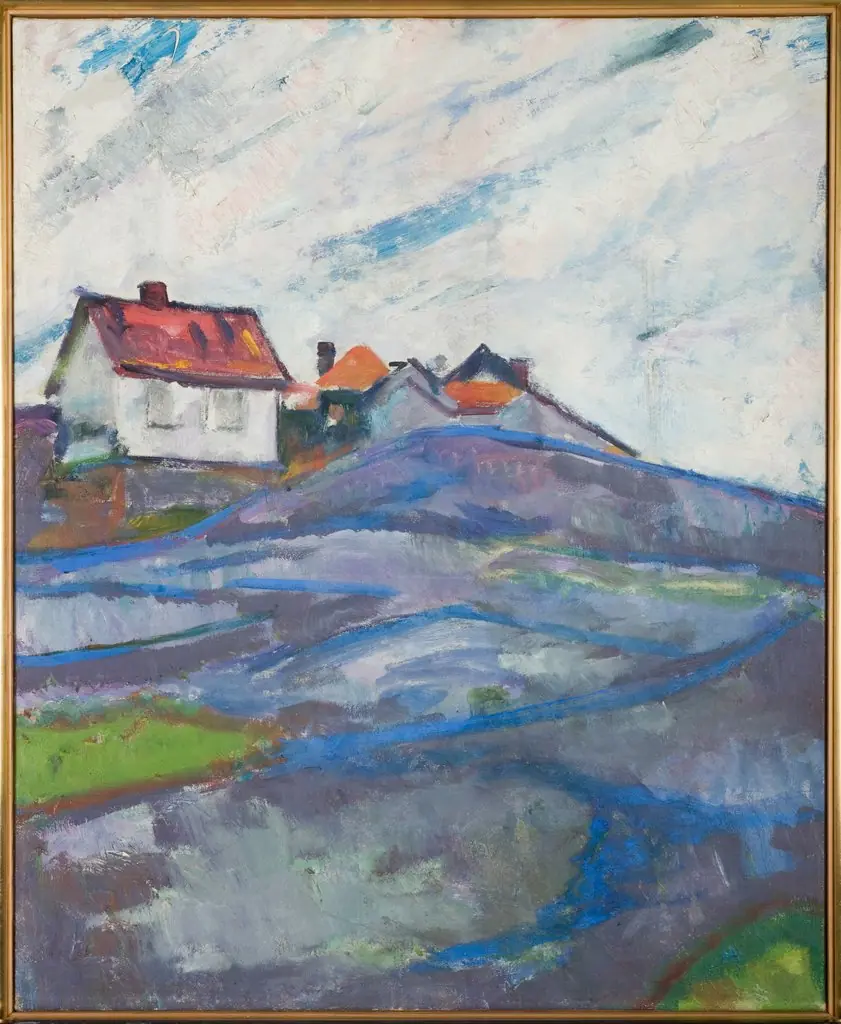
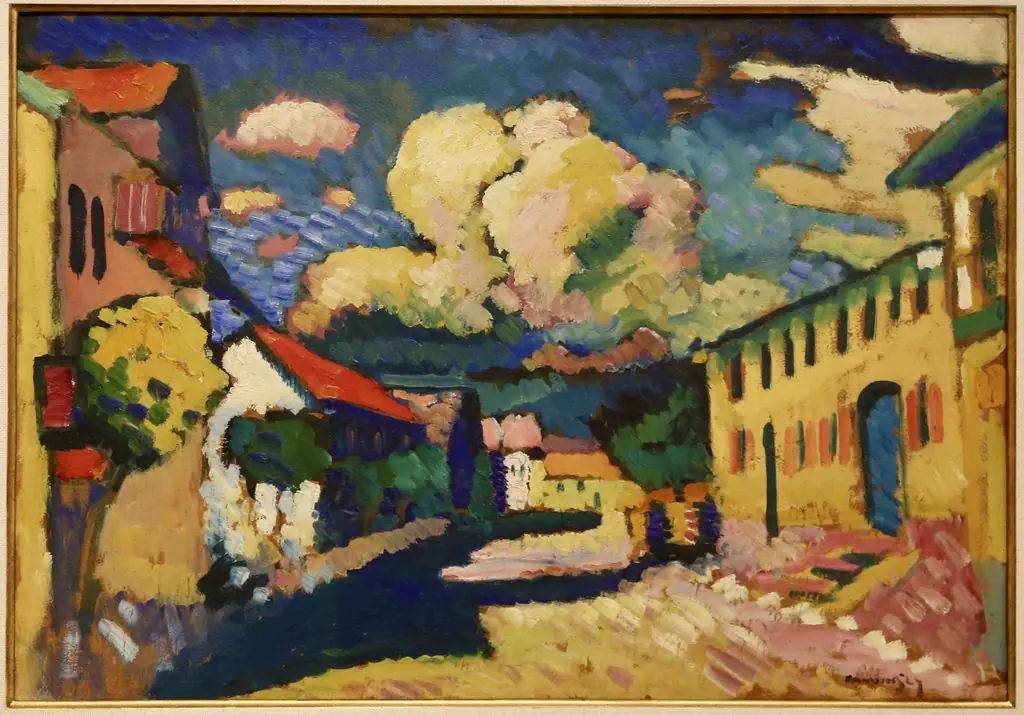
The composition centers on a cluster of modest dwellings with distinctive red-tiled roofs, set against a quiet natural backdrop.
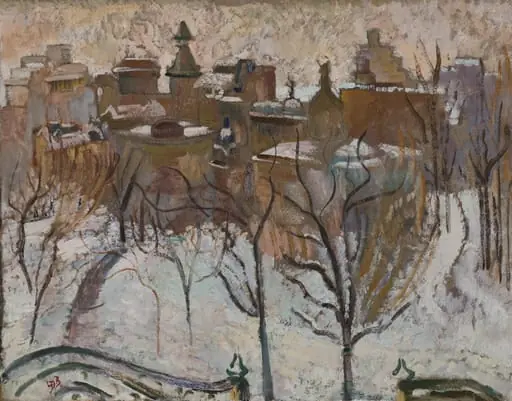
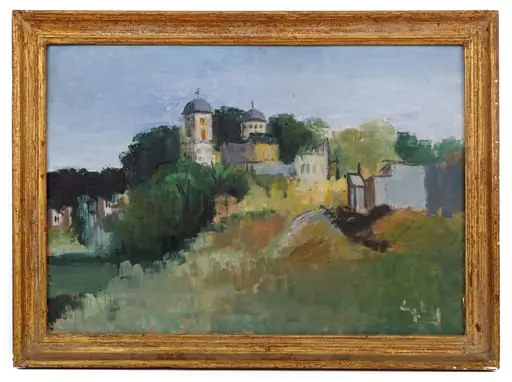
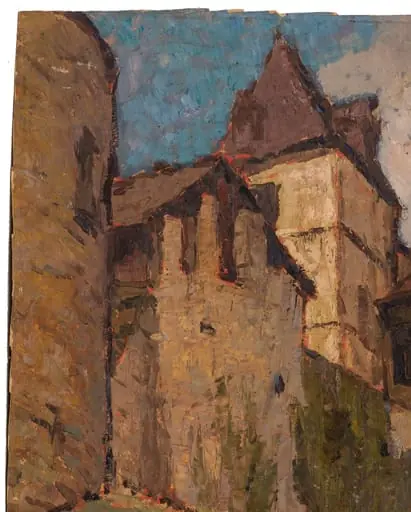
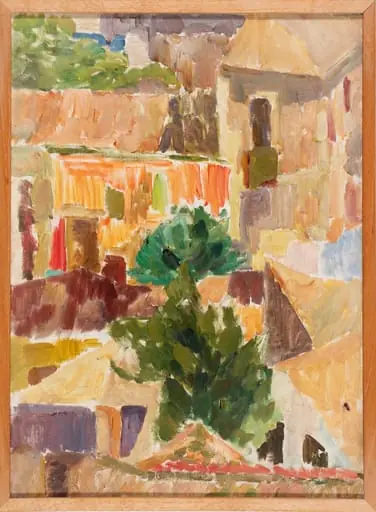
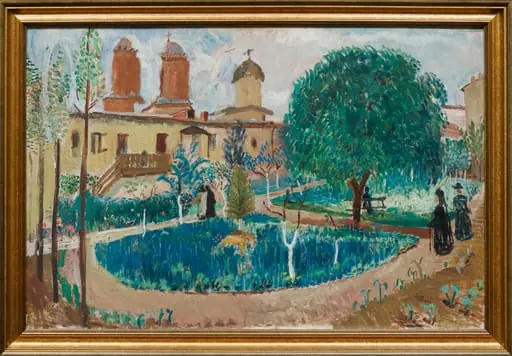
Created around 1850 by Lucia Dem-Bălăcescu, this landscape depicts the Romanian village of Sinaia. The composition centers on a cluster of modest dwellings with distinctive red-tiled roofs, set against a quiet natural backdrop. The scene is framed by tall, shadowed trees, and the sky above is rendered in a gentle, pale hue. The work captures a moment of rural stillness, grounded in the artist’s direct observation of her surroundings.
Subject & Meaning
The painting presents a quiet, unidealized view of a Transylvanian village, emphasizing everyday architecture rather than grandeur. The red roofs, vivid against the muted tones of stone and timber, draw attention to human habitation within the landscape. There is no narrative or symbolic element; the meaning lies in the quiet dignity of ordinary life, rendered without romantic embellishment.
Technique & Style
Dem-Bălăcescu employed thick, tactile brushwork, applying paint in a manner that builds texture and volume. The impasto technique gives the roofs and tree trunks a physical presence, almost sculptural in their relief. The sky and walls are painted with softer, more blended strokes, creating a contrast that enhances the spatial depth and materiality of the scene.
History & Provenance
The painting is among the earliest known works by Lucia Dem-Bălăcescu, an artist active in mid-19th century Romania. Its survival suggests it was kept within private or familial collections, likely in the region where it was painted. No public exhibition records from the period are known, and its current location remains undocumented in major institutional archives.
Context
In the 1850s, Romanian art was beginning to turn from religious and aristocratic themes toward scenes of local life. Dem-Bălăcescu’s work aligns with this shift, reflecting a growing interest in national identity through landscape and vernacular architecture. Her focus on Sinaia, a modest settlement, contrasts with the more monumental subjects favored by academic painters of the era.
Legacy
Though not widely exhibited or reproduced, the painting stands as an early example of Romanian plein air painting. It demonstrates a personal, observational approach that predates later movements focused on national realism. Its survival offers insight into the quiet beginnings of a domestic artistic tradition in a period of cultural transition.
Artist & collection