Artwork
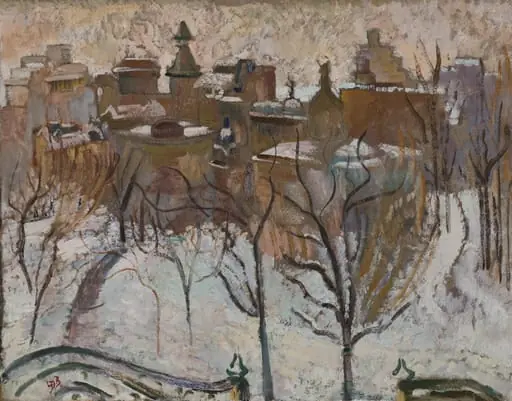
Grădina Academiei
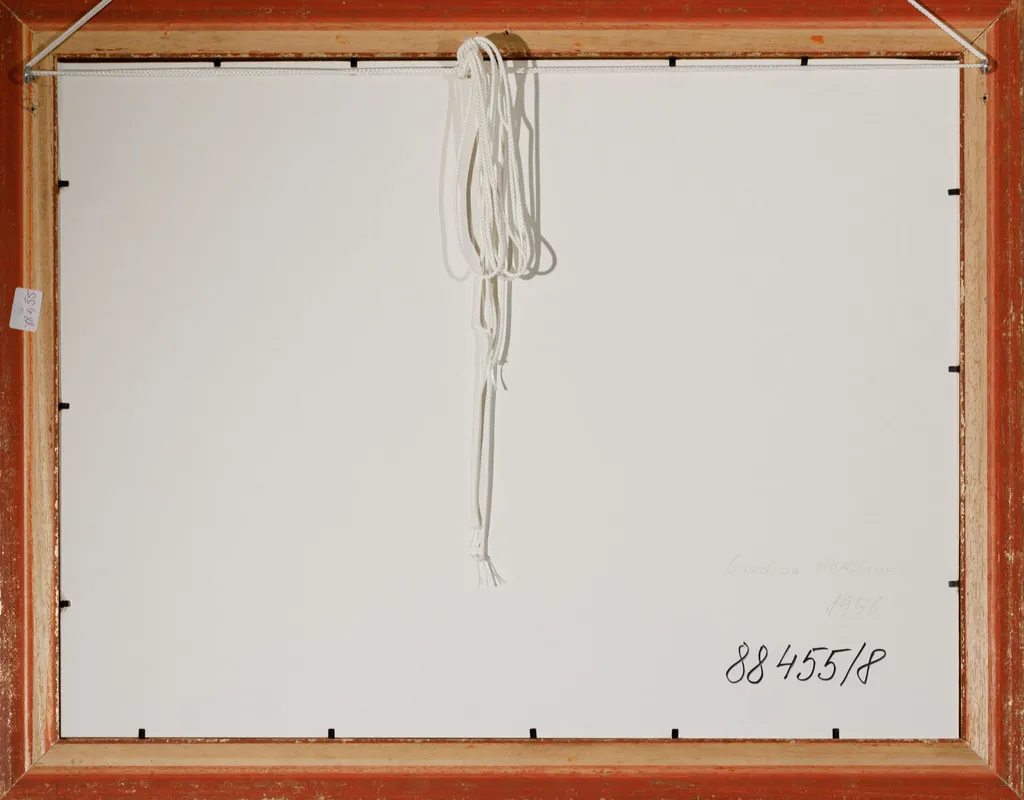
Grădina Academiei is an unspecified painting by Lucia Dem-Bălăcescu. It dates from 1850 and is held in the collection of the National Museum of Art of Romania.
About this work
Overview
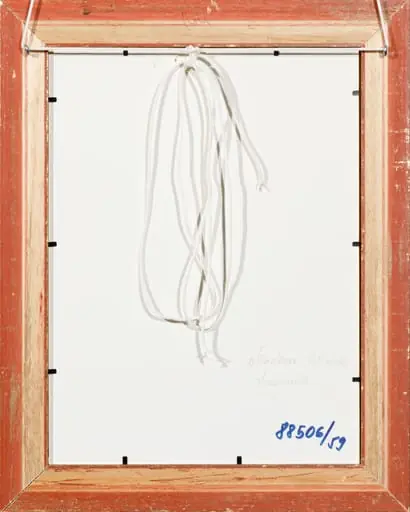
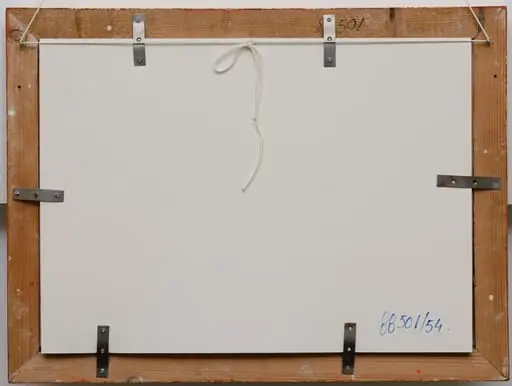
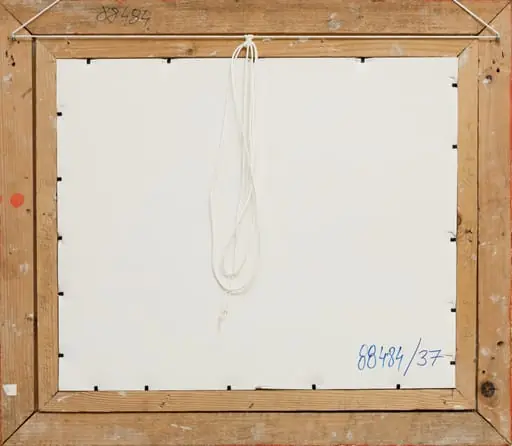
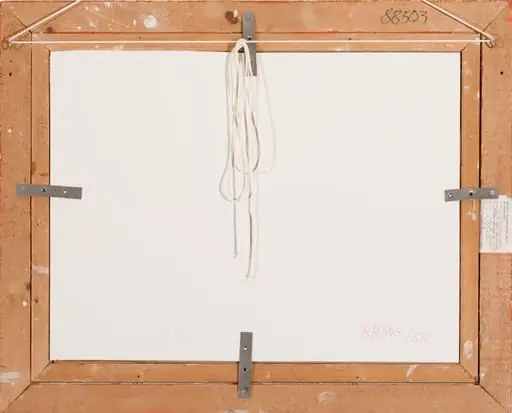
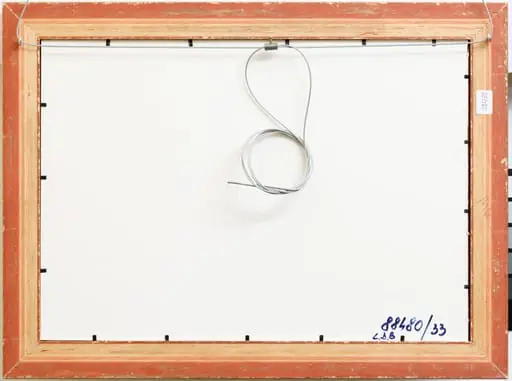
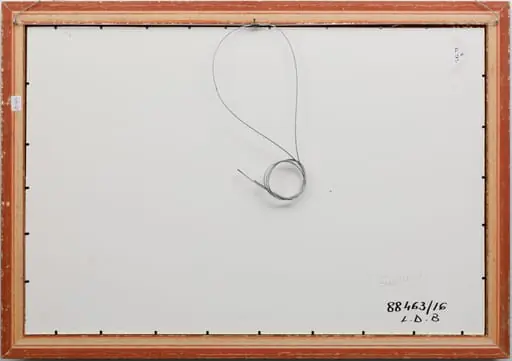
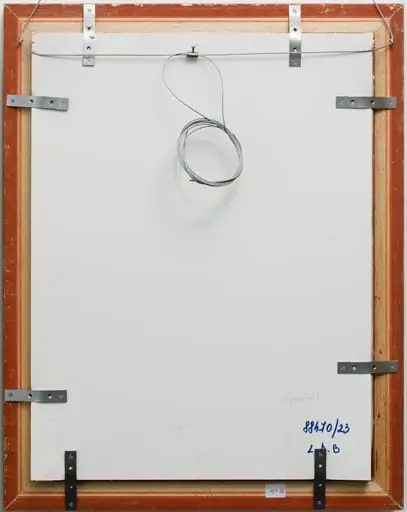
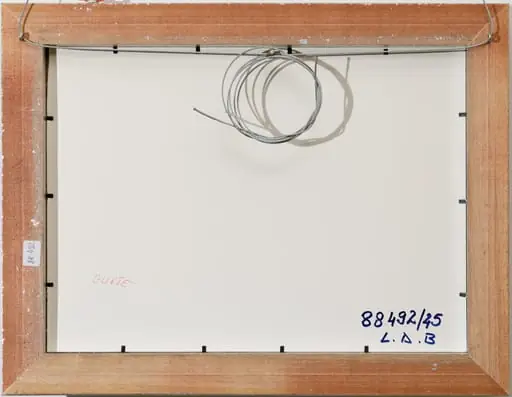
Grădina Academiei, attributed to Lucia Dem‑Bălăcescu and dated to around 1850, consists of a modest wooden frame painted with a red border. Inside the frame a plain white canvas is stretched, from which a single white rope hangs. The rope is secured at the top, forms a loose knot, and drapes in a central sag, creating a stark visual contrast within the otherwise empty space.
Subject & Meaning
The work foregrounds the rope as the sole object, inviting contemplation of absence and presence. By isolating a simple, everyday material within a formal frame, Dem‑Bălăcescu appears to question the conventions of pictorial representation, suggesting that the act of hanging and the tension of the rope can itself become the subject of artistic inquiry.
Technique & Style
Executed with minimal materials, the piece employs a plain white ground and a single rope rendered in natural fibers. The frame’s light‑toned wood and red edging are painted rather than carved, emphasizing a utilitarian aesthetic. The deliberate irregularity of the knot and the rope’s uneven loops demonstrate a controlled hand that values subtle gesture over elaborate detail.
History & Provenance
Created circa 1850, Grădina Academiei is documented as part of Dem‑Bălăcescu’s early output, a period when Romanian artists were exploring new visual vocabularies. The work’s provenance remains limited to private collections, with no record of exhibition during the artist’s lifetime, reflecting its marginal position within the 19th‑century Romanian art scene.
Context
The mid‑19th century in Romania saw a gradual shift from academic historicism toward more experimental forms. Dem‑Bălăcescu’s minimalist approach aligns with contemporary European tendencies toward conceptual reduction, prefiguring later avant‑garde practices that employed empty space and everyday objects as artistic media.
Legacy
Although not widely known, Grădina Academiei anticipates later minimalist and conceptual works that foreground absence and materiality. The piece is occasionally referenced in scholarly discussions of early Romanian experiments with non‑representational art, underscoring Dem‑Bălăcescu’s role in expanding the visual language of her time.
Artist & collection