Artwork
The Constable of the Night
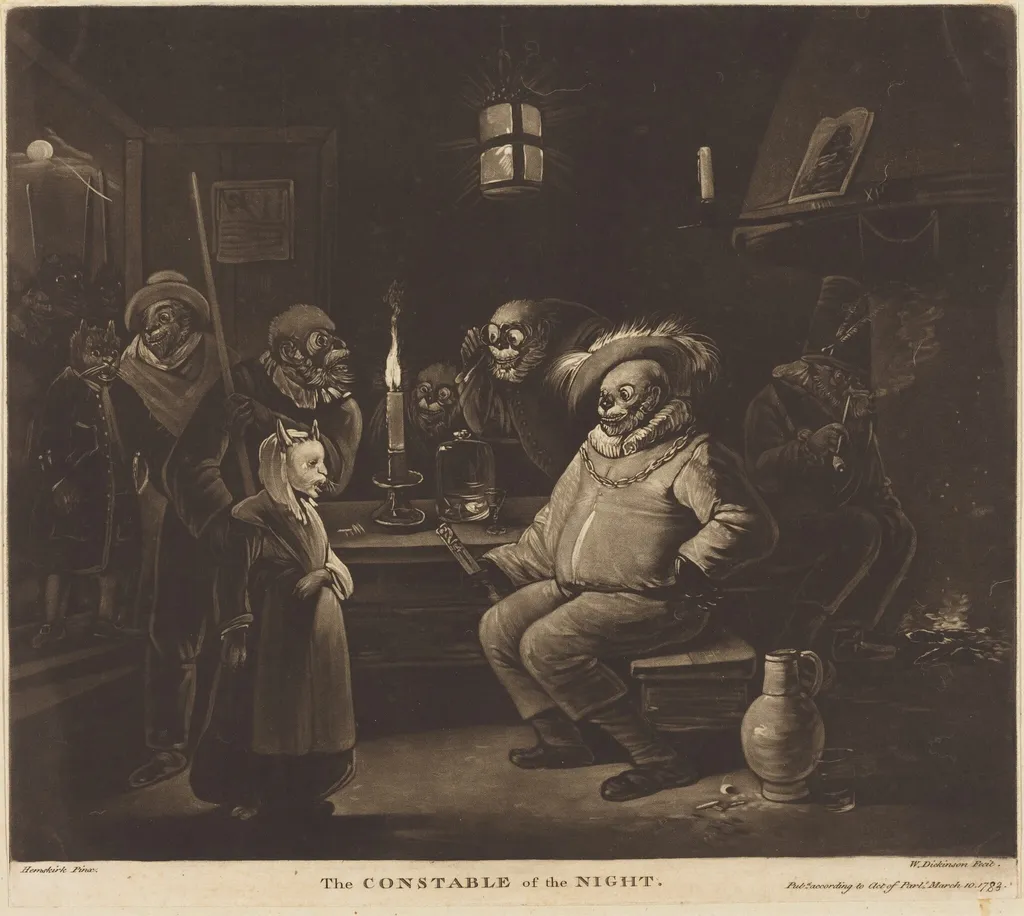
The Constable of the Night is an ink print by the Romanticist artist William Dickinson. It dates from 1783 and is held in the collection of the National Gallery of Art.
About this work
Overview
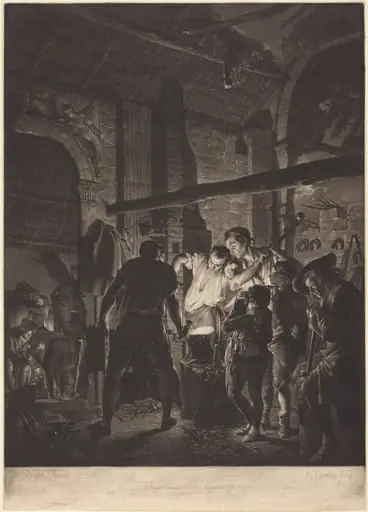
William Dickinson’s 1783 mezzotint, titled The Constable of the Night, presents a nocturnal interior populated by a small assembly of figures. Rendered in the tonal richness characteristic of the mezzotint process, the image is dominated by deep shadows and limited candlelight, creating a confined, atmospheric space.
Subject & Meaning
At the centre sits a man in a large hat, a chain draped around his neck, and a staff grasped in his hand. Surrounding him are several other individuals, some holding sticks or clubs, suggesting a gathering of authority or a ceremonial guard. The ambiguous action and muted lighting invite speculation about a night‑time duty or ritual.
Technique & Style
Dickinson employed the mezzotint technique on laid paper, allowing for a broad range of tonal gradations. The artist’s manipulation of light and dark produces a velvety chiaroscuro, emphasizing the figures’ silhouettes against the faint glow of a few candles, a hallmark of late‑18th‑century printmaking.
History & Provenance
Created in 1783, The Constable of the Night is documented as part of Dickinson’s output during a period when British printmakers were exploring atmospheric subjects. The work has been recorded in several 19th‑century catalogues of mezzotints, though its ownership trail prior to modern collection remains sparse.
Context
The print emerges at a time when Romantic sensibilities were beginning to influence British art, with an interest in the mysterious and the sublime. Its nocturnal theme and emphasis on mood align with contemporary literary and visual preoccupations with darkness and the unseen.
Artist & collection

 Musical Works of Ernest Doré: Souvenir of Alsace, Alsatian Dance - Title Page
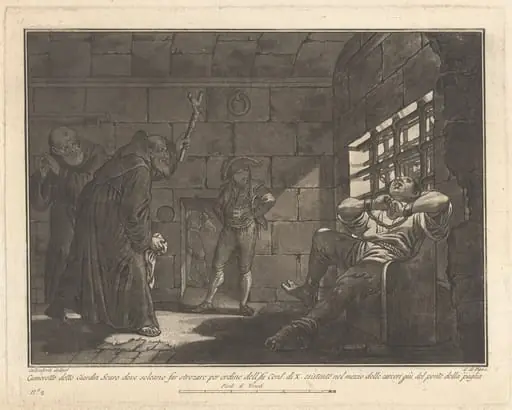 The "Giardin Scuro," for Executions by Strangling
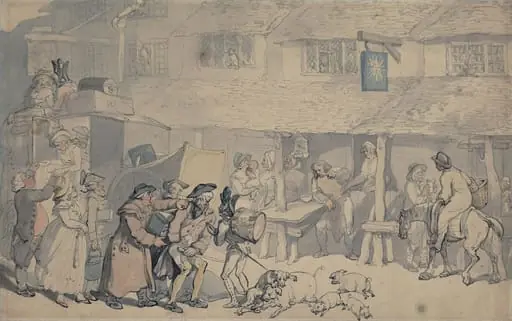 Scene outside an inn
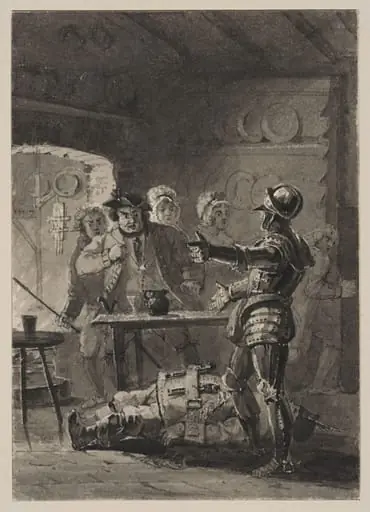 Tristram Shandy
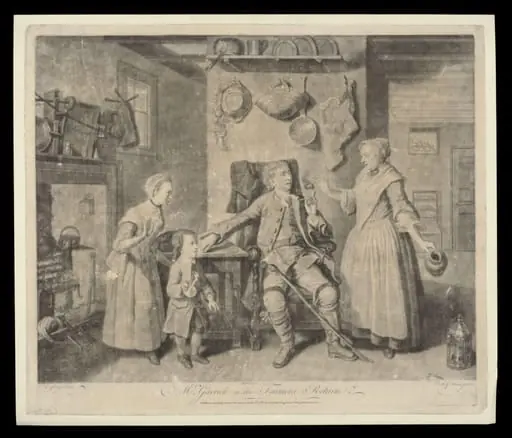 H Beard Print Collection
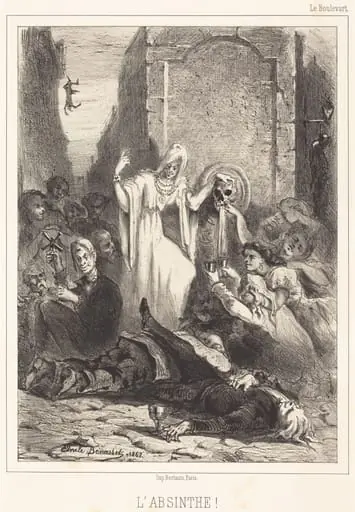 L'Absinthe!
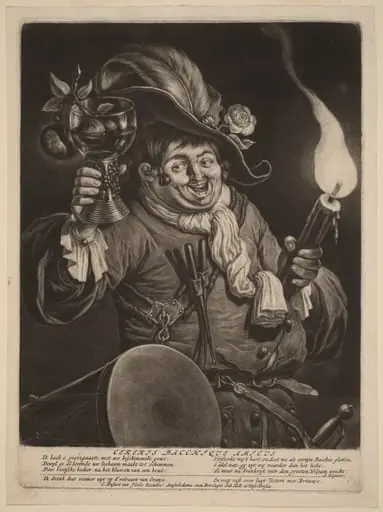 Cereris Bacchique Amicus (A Friend of Ceres and Bacchus)
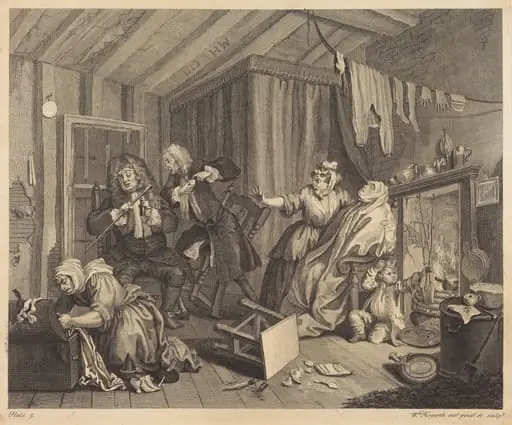 A Harlot's Progress: pl.5
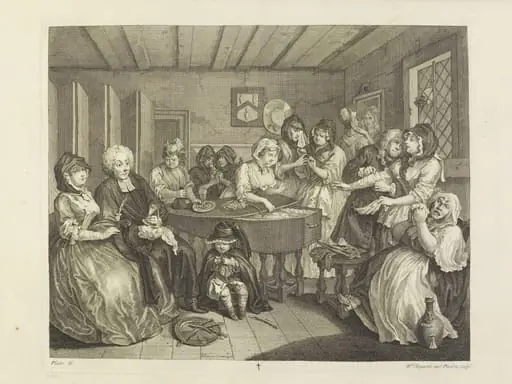 The Harlot's Progress
 The Blacksmith's Shop